🇮🇳 The colours of India
10 meanings recorded, 65 colours tied to the country and 29 colour cities.
India’s national flag features India saffron, white, and India green bands with a navy blue Ashoka Chakra at the centre. Saffron stands for courage and sacrifice, white for truth and peace, and green for faith and fertility. The navy blue wheel symbolises law and dharma (righteousness).
Where no official value is given, the swatch shows the colour family, not the exact shade.
- The flag’s three bands are saffron, white, and green, with a navy blue wheel in the centre.
- Saffron stands for courage and sacrifice, white for truth and peace, green for faith and fertility.
- The Ashoka Chakra has 24 spokes and symbolises law and dharma.
- The flag must be made to standards set by the Bureau of Indian Standards.
- Private citizens have been allowed to fly the flag since 2002.
The colours of the flag of India
The Indian flag is a horizontal tricolour with saffron at the top, white in the middle, and green at the bottom. In the centre of the white band is the Ashoka Chakra, a navy blue wheel with 24 spokes. The official meanings are: saffron for courage and sacrifice, white for truth and peace, and green for faith and fertility. The navy blue Ashoka Chakra stands for law and dharma, which means righteousness or moral order. These meanings were given at the time of adoption and are widely taught and accepted.
How the colours were chosen of India
Before independence, India had many flags for its princely states and a colonial flag with British symbols. In the early 20th century, nationalist groups began to use tricolour flags to represent unity and independence. The colours and symbols changed over time, with early versions including religious icons and later, the spinning wheel. Gandhi’s influence led to the inclusion of white for all religions and a more secular meaning for the colours. The current flag was adopted in July 1947, replacing the spinning wheel with the Ashoka Chakra to reflect law and righteousness.
Official shades and rules of India
The flag’s design and manufacturing are regulated by the Bureau of Indian Standards. Originally, it had to be made from khadi, a hand-spun cloth. Only licensed units can produce the flag. The Flag Code of India sets out how and when the flag can be used, including rules for proportions, display, and adaptations. Amendments have allowed private citizens to use the flag more freely since 2002.
The facts in this overview come from the Wikipedia article "Flag of India", written by its contributors and used under the CC BY-SA 4.0 licence. Rang rewrote the text in its own words, with AI assistance, and compares every page with the article to make sure no passage is copied. It may be reused under the same CC BY-SA 4.0 licence with a link back.
What colours mean in India
Customs vary by region, faith and family; these are the meanings most often recorded.
Many Hindu brides marry in a red sari or lehenga. In much of north India a married woman wears sindoor, a red powder, along the parting of her hair.
Weddings and marriageLuck and prosperityJoyLoveSource: SindoorSaffron is the colour of renunciation, worn by Hindu sadhus, holy men who have given up worldly life. The top band of the national flag is saffron, which stands for strength and courage.
Sacred and holyPolitics and protestCourageSource: Saffron (color)People wear yellow for Vasant Panchami, the spring festival of the goddess Saraswati. Before many weddings, turmeric paste is rubbed on the bride and groom in the haldi ceremony.
Sacred and holyFestival and celebrationWeddings and marriageJoySource: Vasant PanchamiThe green band of the national flag stands for the country's tie to the soil and to plant life, as Sarvepalli Radhakrishnan explained it when the flag was adopted in 1947.
Nature and renewalPolitics and protestHopeSource: Flag of IndiaKrishna, Rama and Vishnu are painted with blue skin, the colour of the sky and the deep sea. The wheel at the centre of the national flag, the Ashoka Chakra, is navy blue.
Sacred and holyAweSource: KrishnaBlue is the colour of Dalit politics. Followers of B. R. Ambedkar carry blue flags, and the Bahujan Samaj Party campaigns under a blue flag with an elephant.
Politics and protestPrideSource: Bahujan Samaj PartyAt Holi, the spring festival of colours, friends and strangers smear each other with gulal, a coloured powder. Pink and red gulal are the best known shades.
Festival and celebrationJoySource: HoliWhite is the Hindu colour of mourning. Families wear plain white to funerals, and in many communities widows traditionally wore white saris without ornament.
Mourning and deathPurity and peaceGriefSource: MourningA dot of black kajal is often put on a baby's cheek or forehead to turn away the evil eye, called nazar. Many people avoid black clothes at weddings and festivals.
Protection and healingFearSource: Evil eyeGold jewellery is bought on Dhanteras and Akshaya Tritiya, two days held to be lucky for it. A bride's gold is both ornament and her own store of wealth.
Luck and prosperityWeddings and marriageOptimismSource: Akshaya TritiyaColour and feeling in India
Before many Hindu weddings, relatives rub turmeric paste on the bride and groom in the haldi ceremony. The yellow stands for blessing and a happy start.
At Holi, people throw coloured powder called gulal, most often pink and red, over family, friends and strangers to welcome spring.
Many Hindu brides in north India marry in red, and married women traditionally wear red sindoor in the parting of the hair as a sign of marriage.
The Natyashastra, the classical Sanskrit treatise on drama, gives each mood a colour. Raudra, fury, is red.
In Kathakali dance drama from Kerala, a red beard (chuvanna thadi) marks violent and destructive characters, while noble heroes have green faces.
In Hindi and Urdu a furious person is said to turn 'red and yellow', laal-peela hona.
The Natyashastra gives karuna, the mood of sorrow and compassion, the colour of a dove: a soft grey.
Hindu mourners usually wear plain white to a funeral. In many communities widows traditionally wore white afterwards, a custom now less strict.
A small black dot of kajal, the kala tika, is put on a baby's cheek or forehead to protect the child from the evil eye.
The Natyashastra assigns black to bhayanaka, the mood of terror, one of the eight moods of classical Indian drama.
The white middle band of the Indian flag stands for peace and truth, and plain white dress is widely read as a sign of peace.
A black dot on a child's face or a black thread on the wrist guards against nazar, the envious gaze. In Hindi the envious 'burn', with no colour.
At Diwali, homes are lit with rows of small oil lamps, diyas, marking the victory of light over darkness and hope for the year ahead.
White khadi, the hand-spun cloth promoted by Gandhi, became the dress of Indian politicians as a sign of simplicity and public service.
Red is the colour of Shakti, divine energy. Durga is dressed in red and offered red hibiscus, and in Bengal women apply red sindoor to one another as Durga Puja ends.
Saffron, kesariya, stands for courage and sacrifice. Rajput warriors are said to have worn saffron for a final battle, and Sikh flags are saffron or deep yellow.
In Kathakali dance drama of Kerala, a green painted face (pacha) marks noble and heroic characters such as gods and virtuous kings.
In Hindi and Urdu, to 'blacken the face' (munh kala karna) is to bring disgrace on oneself or one's family.
The Natyashastra assigns blue (nila) to bibhatsa, the mood of disgust, one of the eight moods of classical Indian drama.
The Natyashastra assigns yellow to adbhuta, the mood of wonder and astonishment, in its list of the eight moods of drama.
In Hindi a shocked person's colour 'flies from the face' (chehre ka rang ud jaana), leaving them pale.
In the songs of the Rajasthani poet-saint Mirabai, the dark colour of Krishna, shyam, is the colour of the absent beloved she longs for.
In Indian English, old film songs that never lose their appeal are called 'evergreen', and fondly remembered times are 'sunehre din', golden days.
The Harmandir Sahib at Amritsar, the holiest Sikh shrine, is sheathed in gold and stands in a pool that doubles its light. It is known as the Golden Temple.
Krishna, Rama and Vishnu are shown with blue skin, widely explained as the colour of the boundless sky and ocean.
Turmeric yellow and red kumkum mark new beginnings as auspicious: wedding invitations, the first page of account books, the doorway of a new home.
Colour cities of India
 🇮🇳 The Blue CityJodhpurOld-city houses washed in blue crowd the foot of Mehrangarh Fort, on the edge of the Thar Desert.
 🇮🇳 The Pink CityJaipurThe walled city wears a dusty terracotta pink, first painted on for a royal visit in 1876 and kept ever since.
 🇮🇳 The White CityUdaipurWhite palaces and whitewashed houses stand around lakes in the Aravalli hills of southern Rajasthan.
 🇮🇳 The Golden CityJaisalmerA fort and town built of yellow sandstone that glows like honey at sunset, deep in the Thar Desert.
 🇮🇳 City of saffron and lightVaranasiSaffron robes, marigold garlands and oil lamps colour the river steps of one of the oldest living cities.
 🇮🇳 Town of Holi coloursVrindavanFor Holi the temple town of Krishna's childhood fills with clouds of pink, yellow and green powder.
 🇮🇳 Birthplace of Krishna, home of HoliMathuraKrishna's birthplace celebrates Holi for more than a week, with processions, music and coloured powder.
 🇮🇳 The yellow French quarterPondicherryThe old French quarter by the sea is painted mustard yellow with white trim, shaded by bougainvillea.
 🇮🇳 Yellow taxis, red and white sarisKolkataYellow Ambassador taxis, red-brick colonial offices and white saris with red borders mark Bengal's capital.
 🇮🇳 City of the kaali-peeliMumbaiBlack-and-yellow taxis, known as kaali-peeli, are the moving colour of India's largest city.
 🇮🇳 Kolam white and Madras checksChennaiWhite kolam drawings at each doorstep, yellow autorickshaws, red colonial brick and painted temple towers.
 🇮🇳 City of painted temple towersMaduraiThe towers of the Meenakshi temple carry thousands of painted figures; jasmine sellers add white below.
 🇮🇳 Ruins among golden bouldersHampiThe ruined capital of Vijayanagara lies among heaps of ochre granite boulders and bright green paddy.
 🇮🇳 The open-air gallery of RajasthanShekhawatiMerchant mansions in the towns of north Rajasthan are covered inside and out with painted murals.
 🇮🇳 Land of mirror work and white desertKutchEmbroidery, tie-dye and block print in deep red and indigo, set against the white salt of the Rann.🇮🇳 Town of mud-resist block printBagruA small town near Jaipur where the Chhipa community prints cotton by hand in indigo, black and red.
 🇮🇳 Fine florals on whiteSanganerA printing town on the edge of Jaipur, known for delicate flower motifs on a white ground.
 🇮🇳 The silk cityKanchipuramA temple town in Tamil Nadu whose heavy silk saris pair strong body colours with contrasting gold borders.
 🇮🇳 Red earth and a golden sphereAurovilleAn experimental township on red earth near Pondicherry, centred on the golden globe of the Matrimandir.
 🇮🇳 City of the Golden TempleAmritsarThe gilded shrine of Harmandir Sahib shines over its pool, ringed by white marble and saffron turbans.
 🇮🇳 Prayer flags over a high desertLehStrings of five-coloured prayer flags and white stupas stand out against the brown mountains of Ladakh.
 🇮🇳 Goa's Latin QuarterFontainhasA small quarter of Panaji where Portuguese-era houses are painted yellow, blue and red with white trim.
 🇮🇳 City of the Taj MahalAgraThe white marble of the Taj Mahal shifts from pink at dawn to gold at dusk, beside forts of red sandstone.
 🇮🇳 Akbar's red sandstone cityFatehpur SikriA Mughal capital built in one red stone in the 1570s and left by the court only a few years later.
 🇮🇳 Capital in red sandstoneDelhiFrom the Qutb Minar to the Red Fort to the government buildings, Delhi's monuments share one red stone.
 🇮🇳 The Orange CityNagpurA city in central India named for a fruit: the loose-skinned Nagpur orange grown in the country around it.
 🇮🇳 The saffron town of KashmirPamporeFor a few weeks each autumn the fields near Srinagar turn purple with the crocus that gives saffron.
 🇮🇳 Ikat weaving townPochampallyA weaving town in Telangana whose saris carry bold geometric ikat patterns with softly blurred edges.
 🇮🇳 Toy town of KarnatakaChannapatnaA town between Bengaluru and Mysuru that turns soft wood into toys coated in glossy coloured lacquer.
Colours tied to India

Yellow
Turmeric
A golden yellow dye and spice from the rhizome of a tropical plantColour named from nature · 🇮🇳 India +5
Blue
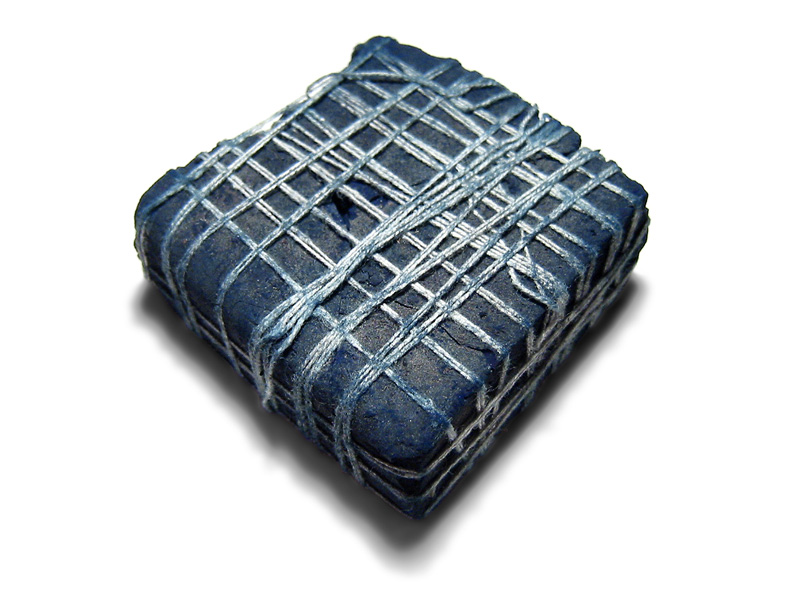
Indigo
A deep blue dye from plants, now mostly made synthetically and known for colouring denimDye · 🇮🇳 India +5

Red
Rubia
A group of plants whose roots once dyed cloth and paint a lasting redColour named from nature · 🇪🇬 Egypt +5

Red
Hennaحِنَّاء
A reddish dye from the henna plant, used for body art and hair since ancient timesColour named from nature · 🇪🇬 Egypt +5

#E49B0F
Gamboge
A strong yellow pigment tapped from Southeast Asian treesPigment · 🇰🇭 Cambodia +5

Red
Kumkum
A red powder made from turmeric and lime, used for forehead marks in IndiaDye · 🇮🇳 India
Red
Brazilin
A red dye from brazilwood and sappanwood, used in textiles and paints since the Middle AgesDye · 🇧🇷 Brazil +4
#A91101
Turkey red
A lasting bright red dye for cotton, made from madder root by a complex processNamed shade · 🇹🇷 Turkey +4

Black
Ebony
A jet-black hardwood valued for its smooth finish and rarityColour named from nature · 🇪🇬 Egypt +5

Red
Dragon's blood
A deep red resin from several plants, used as pigment, dye and varnish since ancient timesColour named from nature · 🇮🇳 India +3

Yellow
Saffronزعفران
A golden-yellow colour from the dried stigmas of the saffron crocus flowerColour named from nature · 🇮🇷 Iran +5

Yellow
Safflower
A thistle-like plant whose petals yield red and yellow dyesColour named from nature · 🇪🇬 Egypt +4

Orange
Annatto
A natural orange-red dye from the seeds of a tropical shrubColour named from nature · 🇲🇽 Mexico +5

Blue
Butterfly pea blue
A vivid blue from the butterfly pea flower, used in Asian food and drinkColour named from nature · 🇮🇩 Indonesia +5

Blue
Indigofera tinctoria
A shrub whose leaves yield natural indigo dyeColour named from nature · 🇮🇳 India +5

Red
Rose madder
A red dye and pigment from the roots of a climbing plantDye · 🇮🇳 India +4

Brown
Catechu
A reddish-brown dye and extract from the heartwood of Senegalia catechuDye · 🇮🇳 India +3

Red
Dragon's blood (from Dracaena cinnabari)
A deep red resin from the Socotra dragon tree, prized as a dye and medicineColour named from nature · 🇾🇪 Yemen +1

Yellow
Tagetes patula dye
A golden yellow dye and spice made from French marigold flowersColour named from nature · 🇲🇽 Mexico +3

Red
Sappanwood
A tropical Asian tree whose heartwood yields a red dye called brazilinColour named from nature · 🇳🇵 Nepal +4
Blue
Indigofera suffruticosa
A shrub from the Americas used to make indigo dye and Maya blue pigmentColour named from nature · 🇺🇸 United States +5

Purple and violet
Turnsole
A blue-purple dye once prized for manuscripts and textilesDye · 🇮🇳 India +2

Red
Indian madder
A plant root once prized for its red dye and pigmentColour named from nature · 🇮🇳 India +1

Red
Kamala dye
A golden red dye from the fruit of the kamala treeDye · 🇵🇭 Philippines +3
Black
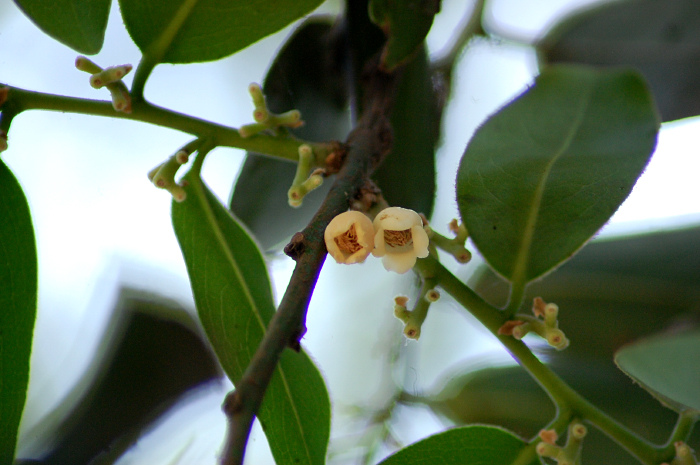
Diospyros malabarica dye
A black dye from the unripe fruit and leaves of the Malabar ebony treeDye · 🇮🇳 India +1

Yellow
Cochlospermum yellow
A yellow dye from the roots of Cochlospermum trees in Africa and AsiaDye · 🇦🇴 Angola +2

Blue
Pala indigo
A tree from India whose leaves yield a blue dye like indigoColour named from nature · 🇮🇳 India +4
Yellow
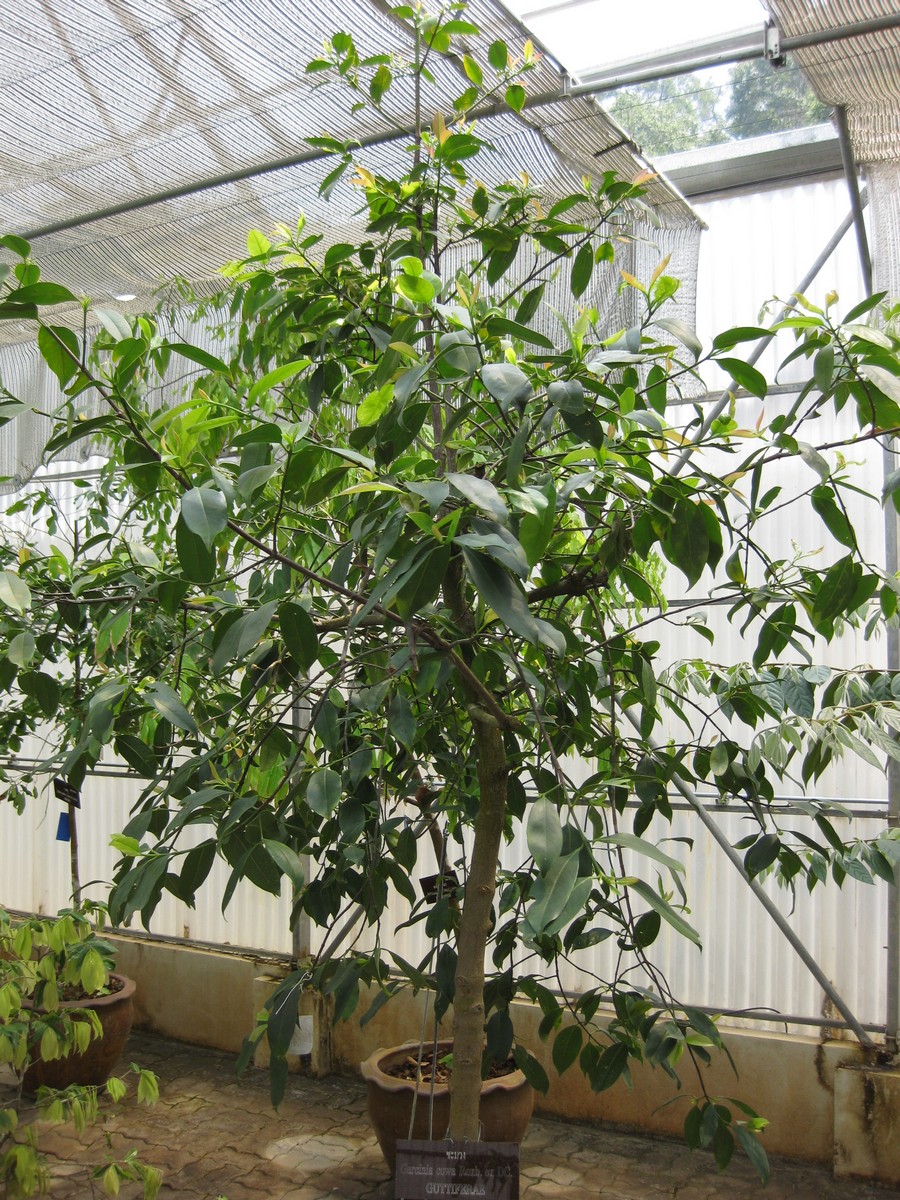
Garcinia cowa yellow
A yellow dye from the bark of the Garcinia cowa tree in tropical AsiaColour named from nature · 🇮🇳 India +5

Red
Chay root dyeசாயா வேர்
A red dye from the root bark of a plant native to IndiaDye · 🇮🇳 India
Red
Morindone
A red dye from the roots of Morinda plants, mainly grown in IndiaDye · 🇮🇳 India
Purple and violet
Chrozophoridin
The blue-purple dye compound from the fruit of Chrozophora tinctoriaDye · 🇫🇷 France +2

Yellow
Gamboge (from Garcinia cambogioides)
A yellow resin from the Garcinia cambogioides tree, used in food, paint and medicineColour named from nature · 🇮🇳 India +2
#00416A
Indigo dye
A greenish dark blue made from tropical indigo plants and woadDye · 🇮🇳 India +1
Photo credits on this page
The small pictures above come from Wikimedia Commons under free licences. Some are cropped to fit.
- Gamboge: Maša Sinreih in Valentina Vivod, CC BY-SA 3.0, source
- Indigo: Photo by Evan Izer ( Palladian ), CC BY-SA 2.5, source
- Safflower: AndrewMT, CC BY 3.0, source
- Turmeric: J.M.Garg, CC BY 3.0, source
- Rubia: Unknown author, CC BY-SA 3.0, source
- Ebony: CaptMondo, CC BY 2.5, source
- Dragon's blood: Andy Dingley, CC BY-SA 3.0, source
- Henna: Izzah Zainab, CC BY 2.0, source
- Kamala dye: Poyt448 Peter Woodard, Public domain, source
- Garcinia cowa yellow: Raffi Kojian, CC BY-SA 3.0, source
- Kumkum: Thamizhpparithi Maari, CC BY-SA 3.0, source
- Annatto: Primejyothi, CC BY-SA 3.0, source
- Indigofera tinctoria: Kurt Stüber [1], CC BY-SA 3.0, source
- Butterfly pea blue: Suyash Dwivedi, CC BY-SA 4.0, source
- Saffron: Hubertl, CC BY-SA 4.0, source
- Rose madder: Carstor, CC BY-SA 3.0, source
- Catechu: Shaik Jaber Al-Shihab, CC BY-SA 4.0, source
- Dragon's blood (from Dracaena cinnabari): Boris Khvostichenko( User:Boriskhv ), CC BY-SA 4.0, source
- Gamboge (from Garcinia cambogioides): Franz Eugen Köhler, Köhler's Medizinal-Pflanzen, Public domain, source
- Sappanwood: Vinayaraj, CC BY-SA 3.0, source
- Tagetes patula dye: Muhammad Mahdi Karim, GFDL 1.2, source
- Turnsole: Solanum, CC BY-SA 3.0, source
- Indian madder: Vinayaraj, CC BY-SA 3.0, source
- Diospyros malabarica dye: jayeshpatil912, CC BY 2.0, source
- Cochlospermum yellow: Ethel Aardvark, CC BY 3.0, source
- Pala indigo: J.M.Garg, CC BY 3.0, source
- Chay root dye: Anonymous Unknown author, Public domain, source
- Jodhpur In: Lavpatel2008, CC BY-SA 3.0, source
- Jaipur In: Chainwit., CC BY-SA 4.0, source
- Udaipur In: Gerd Eichmann, CC BY-SA 4.0, source
- Jaisalmer In: Vyacheslav Argenberg, CC BY 4.0, source
- Varanasi In: Marcin Białek, CC BY-SA 3.0, source
- Vrindavan In: Biswarup Ganguly, CC BY 3.0, source
- Mathura In: Diego Delso, CC BY-SA 4.0, source
- Pondicherry In: Karthik Easvur, CC BY-SA 3.0, source
- Kolkata In: Ketanmehta4u, CC BY-SA 3.0, source
- Mumbai In: iMahesh, CC BY-SA 4.0, source
- Chennai In: Saiphani02, CC BY-SA 4.0, source
- Hampi In: Vyacheslav Argenberg, CC BY 4.0, source
- Madurai In: Bernard Gagnon, CC BY-SA 3.0, source
- Shekhawati In: Digrajsingh, CC BY-SA 4.0, source
- Kutch In: Zeel Satyendra Modi, CC BY-SA 4.0, source
- Sanganer In: Seema agarwal, CC BY-SA 3.0, source
- Kanchipuram In: Ssriram mt, CC BY-SA 4.0, source
- Auroville In: Kaspar Konrad, Public domain, source
- Amritsar In: Traveltoindia23, CC BY-SA 4.0, source
- Leh In: Vyacheslav Argenberg, CC BY 4.0, source
- Fontainhas In: iMahesh, CC BY-SA 4.0, source
- Agra In: Antrix3, CC BY-SA 4.0, source
- Fatehpur Sikri In: HibaSiddiqui, CC BY-SA 4.0, source
- Delhi In: A.Savin, FAL, source
- Nagpur In: Gppande, CC BY-SA 3.0, source
- Pampore In: Ashfaq ahanger, CC BY-SA 4.0, source
- Pochampally In: Unknown author, CC0, source
- Channapatna In: LittleT889, CC BY-SA 4.0, source