Colours of protection and healing
Colours against the evil eye, illness and bad spirits.
Protection and healing, country by country
35 countries, 11 colour families.
On 1 March people give each other martenitsi, small tassels or dolls of red and white thread. They are worn until the first stork or blossoming tree is seen.
Protection and healingLuck and prosperityHopeSource: MartenitsaOfficers of the Royal Canadian Mounted Police wear the Red Serge, a scarlet tunic with a high collar, on ceremonial duty. It is one of the best known images of the country abroad.
Protection and healingTrustSource: Red SergeEmpty red dresses hung in public places stand for missing and murdered Indigenous women and girls. The idea comes from the REDress Project by the Metis artist Jaime Black.
Mourning and deathProtection and healingGriefSource: REDress ProjectEach November people pin on a red paper poppy to remember those killed in war. The flower grew on the battlefields of Flanders in the First World War.
Protection and healingDanger and warningNostalgiaSource: Remembrance poppyPost boxes, telephone kiosks and London buses share a bright red. Post boxes were painted green at first and changed to red from 1874 so that they were easier to find.
Protection and healingPrideSource: Pillar boxOn 1 March children tie on a martis, a bracelet of twisted red and white thread. It is worn until the end of the month and is said to protect the skin from the spring sun.
Protection and healingSource: MartenitsaSome people wear a thin red string around the left wrist against the evil eye. The strings are often said to have been wound around Rachel's Tomb near Bethlehem. It is a folk custom.
Protection and healingSource: Red string (Kabbalah)On the last Tuesday night before Nowruz, people jump over small bonfires and chant a line that gives their yellow, meaning sickness, to the fire and takes its red, meaning health.
Festival and celebrationProtection and healingEnergySource: Chaharshanbe SuriThe torii gates of Shinto shrines are often painted vermilion, a bright orange-red. The colour is held to keep evil away, and the long tunnels of gates at Fushimi Inari are the best known.
Sacred and holyProtection and healingAweSource: ToriiMaasai herders wrap themselves in the shuka, a cloth that is most often red. Red stands for bravery and for blood, and is held to frighten off lions.
Protection and healingCourageSource: Maasai peopleHimba women cover their skin and plaited hair with otjize, a paste of butterfat and red ochre. It protects against sun and insects and is held to be beautiful.
Protection and healingNature and renewalPrideSource: OtjizeOn 1 March people give a martisor, a small charm on a red and white twisted cord, to welcome spring. It is worn pinned to the coat for several days or weeks.
Protection and healingLuck and prosperityHopeSource: MărțișorTurkmen carpets are woven in deep reds with repeated medallions called gul. A bride's dress is traditionally red too, worn with heavy silver jewellery.
Protection and healingWeddings and marriagePrideSource: Turkmen rugTraditional embroidered shirts, vyshyvanky, are most often stitched in red and black. A well-loved song says that red is for love and black is for sorrow.
Love and desireProtection and healingLoveSource: VyshyvankaAmber from the Baltic shore is called Lithuanian gold. Strings of amber beads are part of women's national dress.
Protection and healingSource: Baltic amberObangsaek is the set of five traditional colours: blue, red, yellow, white and black, one for each direction and the centre. Yellow is the centre. Children's striped saekdong sleeves use the set.
Protection and healingHopeSource: ObangsaekThe luzzu, the traditional fishing boat, is painted in bright yellow, blue, red and green. A pair of eyes on the bow is said to guard the fishermen at sea.
Protection and healingLuck and prosperitySource: LuzzuA yellow ribbon tied round a tree or pinned to a coat means someone is waiting for a loved one to come home. It spread during the Iran hostage crisis of 1979 to 1981.
Protection and healingLove and desireHopeSource: Yellow ribbonSchool buses across the country are painted one shade of yellow, agreed at a conference in 1939 because black lettering on it is easy to read in early morning light.
Protection and healingSource: School bus yellowStrings of Buddhist prayer flags come in five colours in a fixed order: blue for sky, white for air, red for fire, green for water and yellow for earth.
Sacred and holyProtection and healingHopeSource: Prayer flagPounamu, greenstone, is found only in the South Island. Maori carve it into pendants such as the hei-tiki, which are treasures handed down through families and are usually given, not bought for oneself.
Protection and healingSacred and holyAweSource: PounamuTurquoise, firuzeh in Persian, has been mined near Nishapur for thousands of years. It is worn against the evil eye, and its colour covers the domes of mosques in Isfahan.
Protection and healingSacred and holyAweSource: TurquoiseThe chadari is a full-length covering for women with a mesh panel over the eyes. In Kabul and the north it is most often a light blue.
Protection and healingSource: BurqaAncient craftsmen made Egyptian blue, one of the first synthetic pigments, and blue-glazed faience for amulets. Blue stood for the sky and the Nile.
Sacred and holyProtection and healingAweSource: Egyptian blueMany households hang a blue glass bead with an eye on it by the door or in the car to keep off the evil eye, known as hasad. Blue eye beads were already made in ancient Egypt.
Protection and healingSource: Nazar (amulet)A blue glass eye, the mati, is worn on a chain or hung in homes and cars against the evil eye. Blue is held to be the colour that turns the harm back.
Protection and healingSource: Evil eyeThe Ishtar Gate of Babylon, built under Nebuchadnezzar II, was faced with deep blue glazed bricks set with bulls and dragons. The blue imitated lapis lazuli.
Sacred and holyProtection and healingAweSource: Ishtar GateThe old town of Chefchaouen in the Rif mountains is washed in shades of blue. The reasons given vary: a Jewish custom, keeping houses cool, or keeping mosquitoes away.
Protection and healingCalmSource: ChefchaouenTuareg men of the Sahara wear the tagelmust, a long veil and turban dyed with indigo. The dye rubs off on the skin, which is why they are called the blue people.
Protection and healingPrideSource: LithamAdire is the indigo-dyed cloth of the Yoruba, made by women in Abeokuta and Ibadan. Patterns are tied, stitched or painted with cassava paste before the cloth goes into the dye.
Protection and healingSource: Adire (textile art)In the cliff-top village of Sidi Bou Said every door, shutter and window grille is painted blue against white walls. The rule is kept by local law.
Protection and healingCalmSource: Sidi Bou SaidThe nazar boncugu is a blue glass bead with a white and dark blue eye. It hangs on doors, cars and babies' clothes to turn away the evil eye.
Protection and healingTrustSource: Nazar (amulet)The Purple Heart is the medal given to members of the armed forces wounded or killed in action. It is a purple heart with a profile of George Washington.
Protection and healingCourageSource: Purple HeartThe third day of the New Year's Test at the Sydney Cricket Ground is Jane McGrath Day. The crowd wears pink to raise money for breast cancer nurses.
Protection and healingHopeSource: McGrath FoundationThe Homomonument in Amsterdam is made of three triangles of pink granite. It turns the pink triangle, the Nazi camp badge for gay men, into a memorial.
Politics and protestProtection and healingCourageSource: HomomonumentThe pink ribbon has stood for breast cancer awareness since the early 1990s. Each October, sports teams and shops turn pink for the cause.
Protection and healingHopeSource: Pink ribbonBogolanfini, or mud cloth, is cotton painted with fermented river mud in browns, black and white. Hunters wear it for protection, and women after childbirth.
Protection and healingSacred and holySource: BògòlanfiniA red cross on white, the Swiss flag reversed, marks medical staff and aid workers in war and must not be attacked under the Geneva Conventions.
Protection and healingTrustSource: Emblems of the International Red Cross and Red Crescent MovementThe ak kalpak is a tall white felt hat worn by men. Its shape recalls a snow peak, and it is treated with respect: it should not be put on the ground.
Sacred and holyProtection and healingPrideSource: KalpakIn the baci ceremony, elders tie white cotton threads around a person's wrists to call back their wandering spirits and wish them well. The threads are left on for three days.
Protection and healingLuck and prosperityHopeSource: BaciAt Parihaka in Taranaki, the followers of Te Whiti and Tohu wore white feathers, raukura, as a sign of peaceful resistance to the taking of their land.
Politics and protestProtection and healingCalmSource: White feather (symbol)The everyday dress of Saudi men is the thobe, a long white robe. White cotton reflects the sun, and darker wool thobes come out in winter.
Protection and healingSource: ThawbXhosa boys going through initiation into manhood cover their bodies in white clay while they live apart from the village. It is washed off when they return as men.
Sacred and holyProtection and healingSource: UlwalukoIn Bali, a black and white chequered cloth called poleng is wrapped around statues, shrines and large trees. It shows the balance of opposites and marks a place as guarded.
Sacred and holyProtection and healingAweSource: Balinese textilesA dot of black kajal is often put on a baby's cheek or forehead to turn away the evil eye, called nazar. Many people avoid black clothes at weddings and festivals.
Protection and healingFearSource: Evil eye
#000000
Black
The colour seen when no visible light is present or all light is absorbedBasic colour

Green
Malachite
A banded green mineral and pigment once prized for art and decorationColour named from nature · 🇪🇬 Egypt +4

#CC7722
Ochre
A natural earth pigment ranging from yellow to deep orange or brownPigment · 🇦🇺 Australia +5

Black
Kohlكُحْل
A dark eye cosmetic made from minerals like galena and stibniteTraditional colour · 🇪🇬 Egypt +5

Red
Sindoorसिन्दूर
A red or orange-red powder marking marriage for Hindu women in South AsiaTraditional colour · 🇮🇳 India +4

#008080
Teal
A dark cyan named after the Eurasian teal bird’s blue-green head stripeNamed shade

Red
Hennaحِنَّاء
A reddish dye from the henna plant, used for body art and hair since ancient timesColour named from nature · 🇪🇬 Egypt +5

Red
Kumkum
A red powder made from turmeric and lime, used for forehead marks in IndiaDye · 🇮🇳 India

Turquoise and cyan
Haint blue
A pale blue-green paint used on porch ceilings in the Southern United StatesNamed shade · 🇺🇸 United States

Green
Jade
A decorative stone prized for its green shades and cultural meaning across continentsColour named from nature · 🇨🇳 China +5
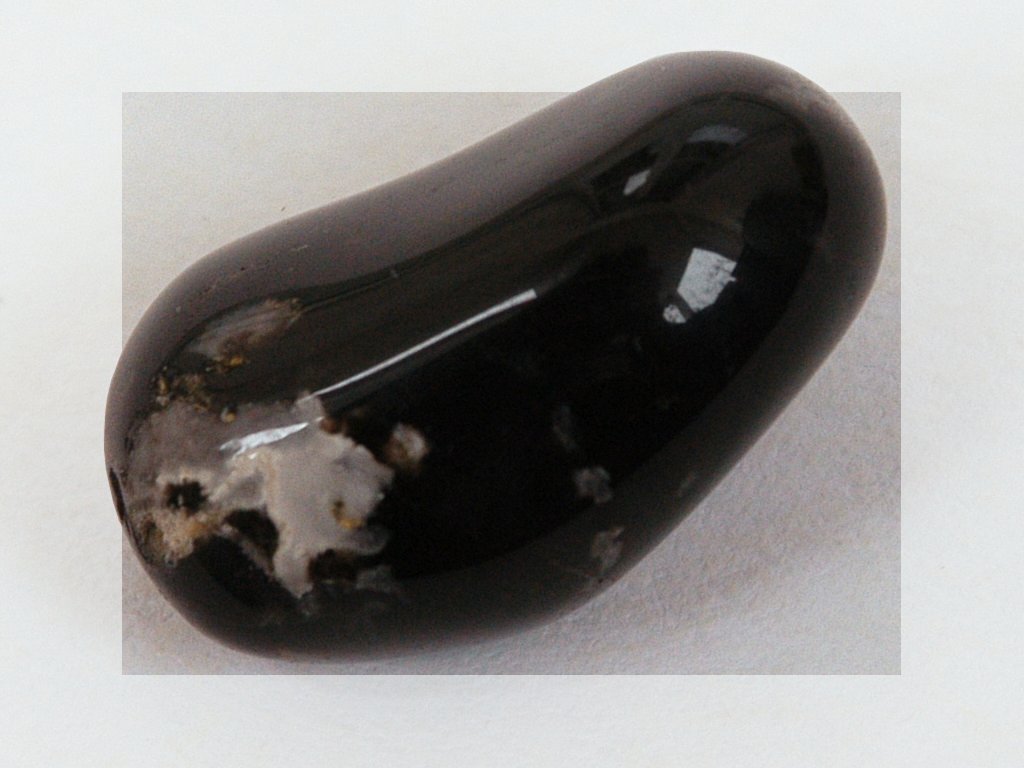
Black
Onyx
A banded stone, usually black and white, prized for carving and jewelleryColour named from nature · 🇲🇽 Mexico +5

Blue
Blue
A colour long prized in art, faith and dress, from ancient Egypt to modern flagsBasic colour · 🇪🇬 Egypt +5

Orange
Annatto
A natural orange-red dye from the seeds of a tropical shrubColour named from nature · 🇲🇽 Mexico +5
#EED202
Safety yellow
A bright yellow chosen for safety signs and high-visibility gearNamed shade · 🇺🇸 United States +1
Photo credits on this page
The small pictures above come from Wikimedia Commons under free licences. Some are cropped to fit.
- Jade: Simon, CC BY-SA 3.0, source
- Haint blue: Lake Lou, CC BY 2.0, source
- Onyx: Simon Eugster -- Simon 14:41, 11 April 2006 (UTC), CC BY-SA 3.0, source
- Malachite: Burkhard Mücke, CC BY-SA 4.0, source
- Henna: Izzah Zainab, CC BY 2.0, source
- Kumkum: Thamizhpparithi Maari, CC BY-SA 3.0, source
- Kohl: Camila Zanon., CC BY 2.0, source
- Annatto: Primejyothi, CC BY-SA 3.0, source
- Sindoor: Masum-al-hasan, CC BY-SA 3.0, source
- Black: w:Harlan Kredit, Public domain, source
- Blue: Marie-Lan Nguyen, Public domain, source
- Ochre: Marco Almbauer, CC BY-SA 3.0, source
- Teal: Unknown author, CC0, source