Sindoor
In its own language: सिन्दूर
A red or orange-red powder marking marriage for Hindu women in South Asia
No single value: Sindoor is a material, and its colour varies. The background shows its family, red.

Sindoor is a red, orange-red, or maroon cosmetic powder worn by married Hindu women along the parting of their hair. Traditionally made from turmeric and lime or alum, it marks marital status and is seen as auspicious. Modern versions may use synthetic dyes, sometimes with health risks, but herbal alternatives are being revived.
- Sindoor marks marriage for Hindu women by a red line in the hair parting
- Traditional sindoor is made from turmeric and lime or alum
- Some modern sindoor contains lead or mercury and may be toxic
- First ritual use recorded in Hindu Puranic texts, not earlier scriptures
- Herbal, non-toxic sindoor is being revived for safety
What colour is Sindoor?
Sindoor is a powder in shades of red, orange-red or maroon, most often seen in the parting of the hair of married Hindu women. It is a visible sign of marriage and is considered auspicious. The colour stands out against dark hair and is distinct from the bindi, which is worn on the forehead. Its shade can range from bright vermilion to deeper maroon, depending on the ingredients.
Where does Sindoor come from?
The name 'sindoor' comes from the Sanskrit word 'siṃdūra', meaning a bright red pigment. Its ritual use as a marital symbol is first recorded in Puranic Hindu texts from around the 5th to 10th centuries CE. Earlier Hindu scriptures do not mention it, but archaeological finds suggest red pigment was used in hair partings in ancient South Asia. Over time, sindoor became a key marker of married status in Hindu communities.
How is Sindoor made?
Traditional sindoor is made by mixing turmeric with slaked lime or alum, which turns the yellow turmeric red through a chemical reaction. Some versions use vermilion, a red pigment from cinnabar ore, though this can contain mercury. Modern commercial sindoor may use synthetic dyes, red lead, or fillers like cornstarch, and sometimes contains toxic heavy metals. Safer herbal alternatives use pigments from hibiscus, marigold, or red sandalwood.




Where Sindoor is used
Sindoor is applied along the central parting of a married woman's hair, especially at weddings and festivals like Durga Puja. The first application is done by the husband during the wedding ceremony. Its use is widespread in India, Bangladesh, and among the South Asian diaspora. Jain women in cities may also use it, but Jain nuns do not. Application styles and frequency vary by region and personal choice.
What Sindoor means
In Hindu culture, sindoor is a sign of marriage and is considered auspicious, symbolising devotion, protection, and the well-being of the husband. Its removal marks widowhood, with rituals surrounding this change. The red colour is seen as full of life, and its absence is linked to mourning. Jain women may use sindoor, but nuns are forbidden from wearing it.
Red around the world
What the red family means from country to country.
The flag is a red disc on a green field. The red is read both as the sun rising over Bengal and as the blood of those who died in the 1971 Liberation War.
Politics and protestPrideSource: Flag of BangladeshOn Pohela Boishakh, the Bengali New Year in April, women wear white saris with red borders and men wear red and white panjabis for the morning processions.
Festival and celebrationJoySource: Pohela BoishakhA Bengali Muslim bride usually marries in a red sari, often a Benarasi or a Jamdani, with gold jewellery.
Weddings and marriageLoveSource: Bengali Muslim weddingEach November people pin on a red paper poppy to remember those killed in war. The flower grew on the battlefields of Flanders in the First World War.
Protection and healingDanger and warningNostalgiaSource: Remembrance poppyRed is the colour of the Labour Party, whose symbol is a red rose, and blue the colour of the Conservatives. Election maps are drawn in the two.
Politics and protestSource: Political colourPost boxes, telephone kiosks and London buses share a bright red. Post boxes were painted green at first and changed to red from 1874 so that they were easier to find.
Protection and healingPrideSource: Pillar boxShades and relatives of Sindoor
Sindoor is closely related to kumkuma, another red cosmetic powder used in South India. While both are red, kumkuma may be made with different minerals or herbal ingredients. Commercial sindoor varies in shade and safety, depending on the pigments used. Herbal and synthetic versions can look similar but differ in composition and health risks.
When Sindoor is worn and shown
Questions people ask about Sindoor
What colour is sindoor?
Sindoor is most often a bright red, orange-red, or maroon powder. The exact shade depends on the ingredients, ranging from vermilion to deeper maroon.
Where does the name 'sindoor' come from?
The word 'sindoor' comes from the Sanskrit 'siṃdūra', which refers to a bright red pigment and is linked to ritual and symbolic uses in Hindu tradition.
What is sindoor made from?
Traditional sindoor is made by mixing turmeric with lime or alum. Some versions use vermilion from cinnabar ore. Modern commercial sindoor may use synthetic dyes, red lead, or herbal pigments like hibiscus and marigold.
Who wears sindoor and why?
Married Hindu women wear sindoor along their hair parting as a sign of marriage and auspiciousness. Its use is a visible marker of marital status and is important in Hindu wedding rituals.
Is sindoor safe to use?
Traditional herbal sindoor is generally safe, but some modern commercial products contain toxic substances like lead or mercury. Safer, plant-based alternatives are now available.
Good reading and sources
The facts on this page come from the Wikipedia article "Sindoor", written by its contributors and used under the CC BY-SA 4.0 licence, and from its Wikidata record (CC0). Rang rewrote the text in its own words, with AI assistance, and compares every page with the article to make sure no passage is copied. It may be reused under the same CC BY-SA 4.0 licence with a link back.
It may contain mistakes. The swatch is an approximation: named colours are not fixed standards, and every screen shows them a little differently. If something is wrong, tell us. Last refreshed 2026-10-03.
More of the red family
All of red
Red
Cinnabar
A scarlet to brick-red mineral and the main source of mercury and vermilion pigmentColour named from nature · 🇪🇸 Spain +5

Red
Realgar
An orange-red arsenic sulfide mineral once used as a pigment and poisonPigment · 🇨🇳 China +5

#E25822
Scarlet
A bright red with a touch of orange, long tied to power, sacrifice and sinNamed shade · 🇹🇷 Turkey +4

#E34234
Vermilion
A brilliant orange-red pigment, once made from toxic mercury orePigment · 🇹🇷 Turkey +5

Red
Rubia
A group of plants whose roots once dyed cloth and paint a lasting redColour named from nature · 🇪🇬 Egypt +5

#DC143C
Crimson
A deep red with a hint of purple, once made from insectsNamed shade · 🇳🇵 Nepal

#800000
Maroon
A deep brownish red named for the French word for chestnutNamed shade · 🇦🇺 Australia +4

#801818
Falu redfalu rödfärg
A deep red paint pigment from the Falun copper mine, used on wooden houses in SwedenPigment · 🇸🇪 Sweden +2
More colours tied to India
The colours of India
Yellow
Turmeric
A golden yellow dye and spice from the rhizome of a tropical plantColour named from nature · 🇮🇳 India +5
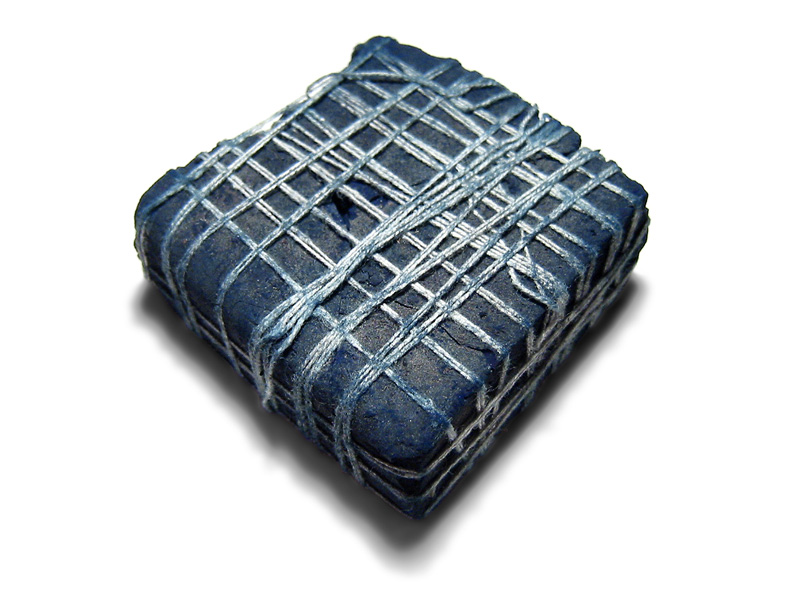
#6A5DFF
Indigo
A deep blue named for the dye once exported from IndiaNamed shade · 🇮🇳 India +5

Brown
Terracotta
A clay-based material and colour, known for its reddish-brown toneColour named from nature · 🇮🇳 India +4
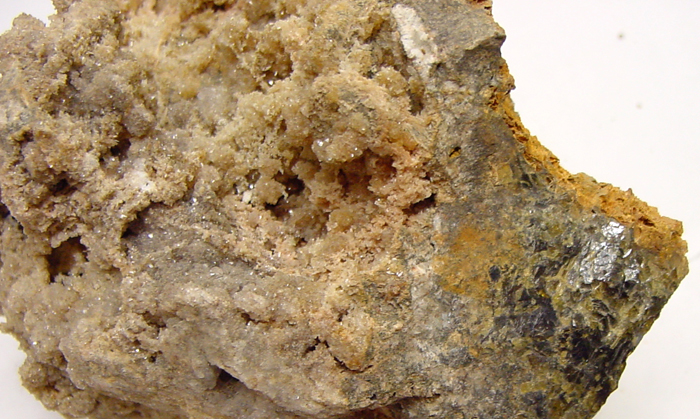
White
Zinc oxide
A white inorganic powder used in pigments, ointments, ceramics and electronicsPigment · 🇮🇳 India +2