Turmeric
A golden yellow dye and spice from the rhizome of a tropical plant
No single value: Turmeric is a material, and its colour varies. The background shows its family, yellow.

Turmeric is a deep yellow-orange colour that comes from the ground rhizome of a plant native to South and Southeast Asia. Known for its use in cooking and as a dye, it has a long history in food, textiles, and rituals across India, Southeast Asia, and the Pacific Islands.
- Turmeric’s yellow comes from the chemical curcumin
- Used in food, rituals, and as a dye across Asia and the Pacific
- Not a permanent dye—fades in sunlight
- Known as 'Indian saffron' in medieval Europe
- Approved as food colour E100
What colour is Turmeric?
Turmeric gives a strong yellow-orange colour, most often seen as a powder made from the dried root of a tropical plant. The colour stands out for its golden warmth and is easily recognised in food, cloth, and ritual use. Unlike some other yellow dyes, turmeric’s shade is rich but fades if left in sunlight for long periods.
Where does Turmeric come from?
The word 'turmeric' may come from Middle or Early Modern English, possibly linked to the Latin 'terra merita' meaning 'deserved earth.' The plant has its roots in India and Southeast Asia, where it has been grown and used for thousands of years. Its spread followed trade and migration, reaching as far as the Pacific Islands and Madagascar.
How is Turmeric made?
Turmeric dye and powder are made by harvesting the plant’s rhizomes, which are underground stems. These are either used fresh or more often boiled, dried, and ground into a fine powder. The main colouring agent is curcumin, which gives turmeric its golden hue. The powder is stable on the shelf but not on fabric exposed to light.


Where Turmeric is used
Turmeric is widely used to colour and flavour food, especially in curries and rice dishes across Asia and beyond. It is also applied in rituals, body painting, and as a dye for textiles, though it does not hold its colour well on cloth. Buddhist monks’ robes and Indian saris are sometimes coloured with turmeric, and it is used in ceremonies and body decoration in places like Micronesia and Hawaii.
What Turmeric means
In India and other parts of South Asia, turmeric is linked with wedding rituals and is seen as sacred in Hindu and Buddhist traditions. It is used in ceremonies to mark purity and blessing, and its yellow is considered auspicious. In some Pacific cultures, it is used for body and ceremonial decoration.
Yellow around the world
What the yellow family means from country to country.
Yellow is the colour of Golkar, the party that ruled through the Suharto years. Its banyan tree symbol sits on a yellow ground.
Politics and protestSource: GolkarPeople wear yellow for Vasant Panchami, the spring festival of the goddess Saraswati. Before many weddings, turmeric paste is rubbed on the bride and groom in the haldi ceremony.
Sacred and holyFestival and celebrationWeddings and marriageJoySource: Vasant PanchamiYellow became the colour of opposition to Ferdinand Marcos after Benigno Aquino Jr was killed in 1983. Yellow ribbons and confetti filled Manila in the People Power revolt of 1986.
Politics and protestHopeSource: People Power RevolutionEach day of the week has a colour, and Monday's is yellow. King Bhumibol and King Vajiralongkorn were both born on a Monday, so yellow is worn to honour the monarchy.
Royalty and powerLuck and prosperityPrideSource: Colors of the day in ThailandThe yellow disc of the Aboriginal flag is the sun, giver of life. The flag was designed by the Luritja artist Harold Thomas and first flown in Adelaide in 1971.
Sacred and holySource: Australian Aboriginal flagAt the gaye holud, held a day or two before a wedding, relatives rub turmeric paste on the bride and groom. Guests dress in yellow and orange.
Weddings and marriageFestival and celebrationJoySource: Gaye holudShades and relatives of Turmeric
Other species of Curcuma are used as food or spice but do not provide the same dye. Turmeric is sometimes called 'Indian saffron' in Europe, though it is unrelated to true saffron and has a different colour and use. Its colour can be confused with other yellow dyes, but turmeric’s shade is distinct for its golden tone.
Questions people ask about Turmeric
What colour is turmeric?
Turmeric gives a deep golden yellow to orange shade, most often seen as a powder made from the dried root of the plant.
Where does the name 'turmeric' come from?
The name may come from Middle or Early Modern English, possibly linked to the Latin phrase 'terra merita', meaning 'deserved earth.'
What is turmeric made from?
Turmeric dye and powder are made from the rhizome, or underground stem, of the Curcuma longa plant.
Where is turmeric used?
Turmeric is used in cooking, rituals, textile dyeing, and body decoration, especially in South and Southeast Asia and the Pacific Islands.
Is turmeric dye permanent?
No, turmeric makes a poor fabric dye because it fades quickly when exposed to sunlight.
Good reading and sources
- Encyclopaedia BritannicaArticle
- Turmeric latte: the ‘golden milk’ with a cult followingThe Guardian, Article
- India’s original “turmeric latte”BBC, Article
The facts on this page come from the Wikipedia article "Turmeric", written by its contributors and used under the CC BY-SA 4.0 licence, and from its Wikidata record (CC0). Rang rewrote the text in its own words, with AI assistance, and compares every page with the article to make sure no passage is copied. It may be reused under the same CC BY-SA 4.0 licence with a link back.
It may contain mistakes. The swatch is an approximation: named colours are not fixed standards, and every screen shows them a little differently. If something is wrong, tell us. Last refreshed 2026-10-03.
More of the yellow family
All of yellow
Yellow
Orpiment
A golden-yellow mineral pigment once prized for its brilliant colour and rarityPigment · 🇪🇬 Egypt +5

Yellow
Tartrazine
A synthetic lemon yellow dye widely used in food, cosmetics and medicinesDye

#FFFDD0
Cream
A soft yellow-white named after the top layer of milkNamed shade

#E49B0F
Gamboge
A strong yellow pigment tapped from Southeast Asian treesPigment · 🇰🇭 Cambodia +5

#C2B280
Ecru
A pale, greyish yellow once named for unbleached linenNamed shade

#FADA5E
Naples yellow
A historic synthetic yellow pigment once prized by painters and pottersPigment · 🇪🇬 Egypt +1

#E3A857
Indian Yellow
A clear, glowing orange-yellow pigment once made in India from cow urinePigment · 🇮🇳 India

#006B3C
Cadmium pigments
A family of strong yellow, orange, red and green pigments made from cadmium compoundsPigment
More colours tied to India
The colours of India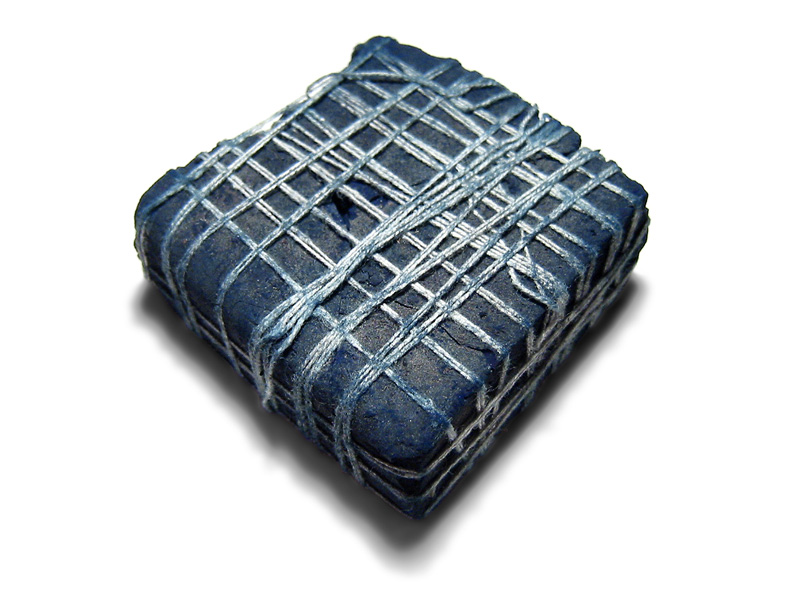
#6A5DFF
Indigo
A deep blue named for the dye once exported from IndiaNamed shade · 🇮🇳 India +5

Red
Cinnabar
A scarlet to brick-red mineral and the main source of mercury and vermilion pigmentColour named from nature · 🇪🇸 Spain +5

Brown
Terracotta
A clay-based material and colour, known for its reddish-brown toneColour named from nature · 🇮🇳 India +4
White
Zinc oxide
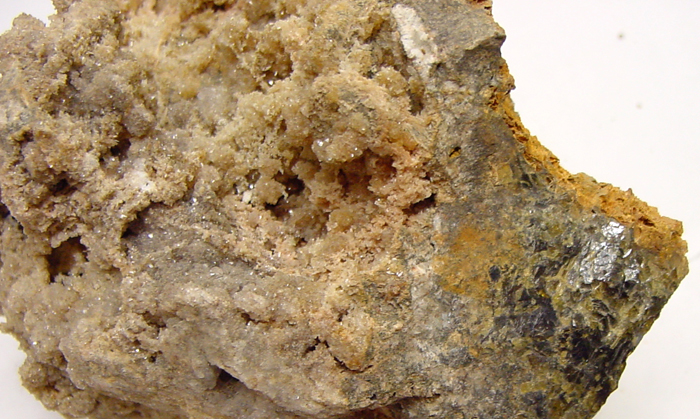
A white inorganic powder used in pigments, ointments, ceramics and electronicsPigment · 🇮🇳 India +2