Indian Yellow
A clear, glowing orange-yellow pigment once made in India from cow urine

Indian yellow is a transparent pigment with a deep, glowing orange-yellow colour, known for its brightness in sunlight. Traditionally produced in India, it was made by concentrating the urine of cows fed on mango leaves, and was widely used in Indian miniature painting and later in European art until about 1921.
Share on WhatsAppOpen in the lab
- Traditionally made from cow urine after feeding cows mango leaves
- Gives a deep, glowing orange-yellow that glows in sunlight
- Used in Indian miniature painting and 19th-century European art
- Production stopped around 1921 due to animal welfare concerns
- Modern versions are synthetic and do not use animal products
What colour is Indian Yellow?
Indian yellow is a transparent pigment that gives a clear, deep orange-yellow colour. It stands out for its strong glow and brightness, especially in sunlight, due to its natural fluorescence. The pigment is usually found as hard, dirty yellow balls that dissolve in water or oil to make paint. Its distinct odour and luminous quality set it apart from other yellows.
Where does Indian Yellow come from?
The name 'Indian yellow' comes from its main place of production, India. For centuries, its origin was debated, with some claiming it came from plants, minerals, or even animal gallstones. Research and analysis of 19th-century samples have confirmed that it was made by drying the urine of cows fed only mango leaves, a process mainly carried out in the region of Monghyr, Bihar. The pigment was widely used in Indian art, especially in Rajput-Mughal miniature paintings, and later imported to Europe.
How is Indian Yellow made?
To make Indian yellow, cows were fed a diet of mango leaves and water, which led to their urine containing the pigment-forming compounds. The urine was collected, cooled, and concentrated over a fire. The resulting liquid was filtered through cloth, and the sediment was shaped into balls and dried. These balls were then further purified by European importers. The process was said to be inhumane and was reportedly banned in the early 20th century, though no official ban has been found.

Where Indian Yellow is used
Indian yellow was prized in Indian miniature painting from the 16th to 19th centuries and was also used for dyeing cloth. In Europe, it became popular with artists in the 19th century for its transparency and glow. Painters such as Turner and Van Gogh are known to have used it. The pigment was valued for producing bright, luminous yellows in both oil and watercolour painting.
Yellow around the world
What the yellow family means from country to country.
People wear yellow for Vasant Panchami, the spring festival of the goddess Saraswati. Before many weddings, turmeric paste is rubbed on the bride and groom in the haldi ceremony.
Sacred and holyFestival and celebrationWeddings and marriageJoySource: Vasant PanchamiThe yellow disc of the Aboriginal flag is the sun, giver of life. The flag was designed by the Luritja artist Harold Thomas and first flown in Adelaide in 1971.
Sacred and holySource: Australian Aboriginal flagAt the gaye holud, held a day or two before a wedding, relatives rub turmeric paste on the bride and groom. Guests dress in yellow and orange.
Weddings and marriageFestival and celebrationJoySource: Gaye holudOn Pohela Falgun, the first day of spring, young women wear yellow and orange saris, a shade called basanti, with flowers in their hair.
Festival and celebrationNature and renewalJoySource: Pohela FalgunThe Flemish flag is a black lion on yellow, and the Walloon flag a red cockerel on yellow. The language communities are often shown by these colours.
Politics and protestPrideSource: Flag of FlandersThe flag is yellow, the colour of the Sultan. By custom, ordinary people did not wear yellow in the ruler's presence.
Royalty and powerPrideSource: Flag of BruneiShades and relatives of Indian Yellow
Indian yellow has been confused with other yellow pigments, including those made from chrome salts or plant dyes. Modern 'Indian yellow hue' is a synthetic replacement made from nickel azo, hansa yellow, and quinacridone burnt orange. The original pigment is no longer made, but its name is still used for similar colours in paint ranges.
Colours that go with Indian Yellow
Harmonies are worked out from the value #E3A857. Contrast ratios follow the WCAG 2 formula.
Questions people ask about Indian Yellow
What colour is Indian yellow?
Indian yellow is a clear, deep orange-yellow pigment that appears especially bright and glowing in sunlight due to its natural fluorescence.
Where does the name 'Indian yellow' come from?
The name comes from India, where the pigment was traditionally produced and widely used in art, especially in the Mughal period.
How was Indian yellow originally made?
It was made by collecting and drying the urine of cows fed only on mango leaves, producing hard yellow balls that were then processed for use as pigment.
Why is Indian yellow no longer made?
The process was considered inhumane for the cows and reportedly outlawed in the early 20th century, though no official ban has been found.
Are modern Indian yellow paints made the same way?
No, modern Indian yellow is a synthetic mixture that does not use animal products and is made from compounds like nickel azo and hansa yellow.
Good reading and sources
The facts on this page come from the Wikipedia article "Indian yellow", written by its contributors and used under the CC BY-SA 4.0 licence, and from its Wikidata record (CC0). Rang rewrote the text in its own words, with AI assistance, and compares every page with the article to make sure no passage is copied. It may be reused under the same CC BY-SA 4.0 licence with a link back.
It may contain mistakes. The swatch is an approximation: named colours are not fixed standards, and every screen shows them a little differently. If something is wrong, tell us. Last refreshed 2026-10-03.
More of the yellow family
All of yellow
#FFFF00
Yellow
A primary colour between green and orange, seen in sunlight, leaves, and pigmentsBasic colour · 🇫🇷 France +5

Yellow
Turmeric
A golden yellow dye and spice from the rhizome of a tropical plantColour named from nature · 🇮🇳 India +5

Yellow
Orpiment
A golden-yellow mineral pigment once prized for its brilliant colour and rarityPigment · 🇪🇬 Egypt +5

Yellow
Tartrazine
A synthetic lemon yellow dye widely used in food, cosmetics and medicinesDye

#FFFDD0
Cream
A soft yellow-white named after the top layer of milkNamed shade

#E49B0F
Gamboge
A strong yellow pigment tapped from Southeast Asian treesPigment · 🇰🇭 Cambodia +5

#C2B280
Ecru
A pale, greyish yellow once named for unbleached linenNamed shade

#FADA5E
Naples yellow
A historic synthetic yellow pigment once prized by painters and pottersPigment · 🇪🇬 Egypt +1
More colours tied to India
The colours of India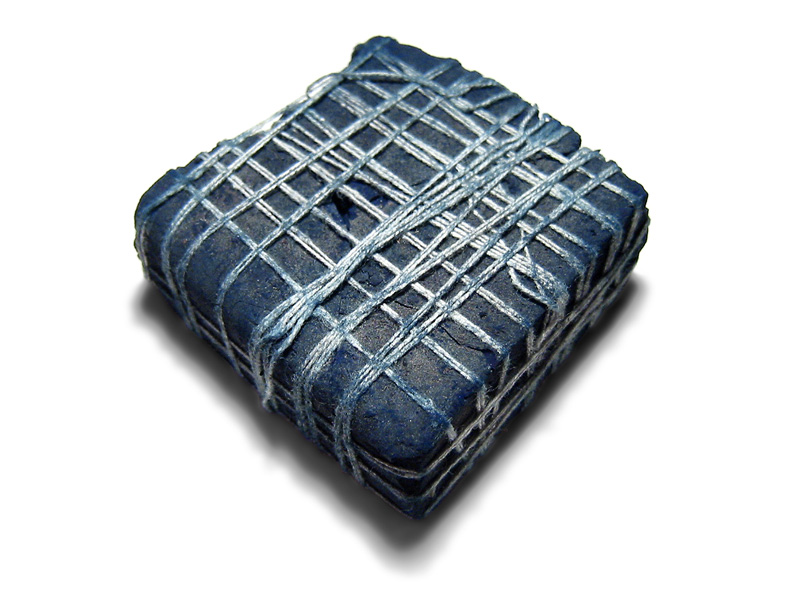
#6A5DFF
Indigo
A deep blue named for the dye once exported from IndiaNamed shade · 🇮🇳 India +5

Red
Cinnabar
A scarlet to brick-red mineral and the main source of mercury and vermilion pigmentColour named from nature · 🇪🇸 Spain +5

Brown
Terracotta
A clay-based material and colour, known for its reddish-brown toneColour named from nature · 🇮🇳 India +4
White
Zinc oxide
A white inorganic powder used in pigments, ointments, ceramics and electronicsPigment · 🇮🇳 India +2