Zinc oxide
A white inorganic powder used in pigments, ointments, ceramics and electronics
No single value: Zinc oxide is a material, and its colour varies. The background shows its family, white.
Zinc oxide is a white, water-insoluble powder made from zinc and oxygen. Known as zinc white in art, it has been used for centuries in ointments, paints, ceramics, and more. Most zinc oxide today is produced synthetically and valued for its stability, non-toxicity, and use in both industry and medicine.
- Zinc oxide is a white, non-toxic powder used in many industries.
- It has been used in ointments and paints since ancient times.
- Most zinc oxide today is made by reacting zinc with oxygen at high heat.
- As a pigment, it is called zinc white and does not darken over time.
- It is also important in ceramics, electronics, and sunscreens.
What colour is Zinc oxide?
Zinc oxide is a white, powdery substance that does not dissolve in water. As a pigment, it is called zinc white and is valued for its clean, permanent colour that does not darken over time. In nature, it is found as the rare mineral zincite, which can appear yellow to red due to impurities. Most zinc oxide used today is made synthetically and is known for being non-toxic and stable in sunlight.
Where does Zinc oxide come from?
The use of zinc oxide dates back to ancient India, where it was likely used in medicinal ointments as early as 500 BC. The Romans produced zinc oxide as a by-product when making brass, and it was also mentioned in Greek and Persian medical texts. In Europe, zinc oxide became a common pigment in the 18th and 19th centuries, especially after the French process for making it was developed in Paris. Its use spread due to its safety and reliability compared to lead-based whites.
How is Zinc oxide made?
Zinc oxide is mainly produced by reacting zinc with oxygen at high temperatures. The most common method, called the French process, involves vaporising metallic zinc and letting it react with air to form zinc oxide, which is then collected as a fine powder. It can also be made by reducing zinc ores with carbon and oxidising the resulting zinc vapour, or by precipitating zinc salts from solution and heating the solids.


Where Zinc oxide is used
Zinc oxide has many uses. In art, it is used as a white pigment in paints and as a base for making tints. It is found in ointments, creams, and sunscreens because it is gentle and protective on the skin. The powder is also used in ceramics, glass, rubber, plastics, and even food supplements. In electronics, zinc oxide is valued for its properties as a semiconductor and is used in thin films and coatings.
White around the world
What the white family means from country to country.
White is the traditional colour of death and mourning. Families wore undyed white cloth at funerals, and condolence money is still given in white envelopes.
Mourning and deathGriefSource: Color in Chinese cultureQueen Victoria married in white silk and lace in 1840. Prints of the dress spread widely, and white became the usual colour for brides across the West.
Weddings and marriagePurity and peaceJoySource: White weddingWhite is the Hindu colour of mourning. Families wear plain white to funerals, and in many communities widows traditionally wore white saris without ornament.
Mourning and deathPurity and peaceGriefSource: MourningThe Taliban flag is white with the Muslim declaration of faith in black. It replaced the black, red and green tricolour of the republic in 2021.
Politics and protestSacred and holySource: Flag of AfghanistanThe Mothers of the Plaza de Mayo wore white headscarves as they marched to demand news of children who disappeared under the dictatorship of 1976 to 1983.
Politics and protestMourning and deathCourageSource: Mothers of Plaza de MayoThe wiphala, a square flag of 49 small squares in seven colours with a white diagonal, stands for the Andean peoples. It has been a second national flag since 2009.
Politics and protestPrideSource: WiphalaShades and relatives of Zinc oxide
Natural zinc oxide, or zincite, can be yellow or red if it contains impurities, but pure zinc oxide is always white. When heated, crystalline zinc oxide temporarily turns yellow and returns to white when cooled. As a pigment, it is sometimes confused with lead white, but zinc white is safer and does not darken in sulfur-rich air.
Questions people ask about Zinc oxide
What colour is zinc oxide?
Zinc oxide is a white powder. In its pure form, it stays white even in sunlight and is used as a pigment called zinc white.
Where does the name zinc oxide come from?
The name comes from its chemical makeup: zinc and oxygen. It is often called zinc white when used as a pigment.
What is zinc oxide used for?
It is used in paints, ointments, ceramics, rubber, plastics, sunscreens, and electronics, among other things.
How is zinc oxide made?
Most zinc oxide is made by heating zinc metal or ore with oxygen at high temperatures, producing a fine white powder.
Is zinc oxide safe?
Yes, zinc oxide is non-toxic and is used in products for skin, such as ointments and sunscreens.
Good reading and sources
- Zinc oxide on WikipediaEncyclopedia
- More pictures on Wikimedia CommonsPictures
- Wikidata recordOpen data
The facts on this page come from the Wikipedia article "Zinc oxide", written by its contributors and used under the CC BY-SA 4.0 licence, and from its Wikidata record (CC0). Rang rewrote the text in its own words, with AI assistance, and compares every page with the article to make sure no passage is copied. It may be reused under the same CC BY-SA 4.0 licence with a link back.
It may contain mistakes. The swatch is an approximation: named colours are not fixed standards, and every screen shows them a little differently. If something is wrong, tell us. Last refreshed 2026-10-03.
More of the white family
All of white
#FDF8FF
Zinc white
A cool, low-toxicity white pigment made from zinc oxidePigment

#FFFEEF
Titanium white
A bright white pigment made from titanium dioxide, valued for its strong coveragePigment · 🇺🇸 United States +1

White
Lead white
A dense, opaque white pigment once used in art, home, and cosmetics worldwidePigment · 🇨🇳 China +2
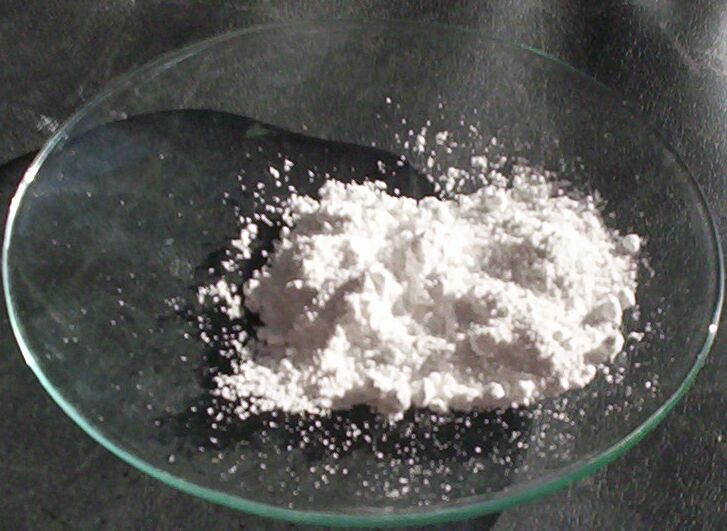
White
Titanium dioxide
A brilliant white pigment made from titanium, used in paints, food and sunscreenPigment · 🇨🇳 China +5

White
Barium sulfate
A dense, white mineral used in pigments, X-rays, and industryPigment
White
Antimony trioxide
A white antimony compound used in flame retardants and glassmakingPigment · 🇨🇳 China +4

White
White lead
A historic opaque white pigment once made from lead and vinegarPigment
White
Zinc phosphate
A white inorganic compound used to protect metal and in dental cementPigment
More colours tied to India
The colours of India
Yellow
Turmeric
A golden yellow dye and spice from the rhizome of a tropical plantColour named from nature · 🇮🇳 India +5
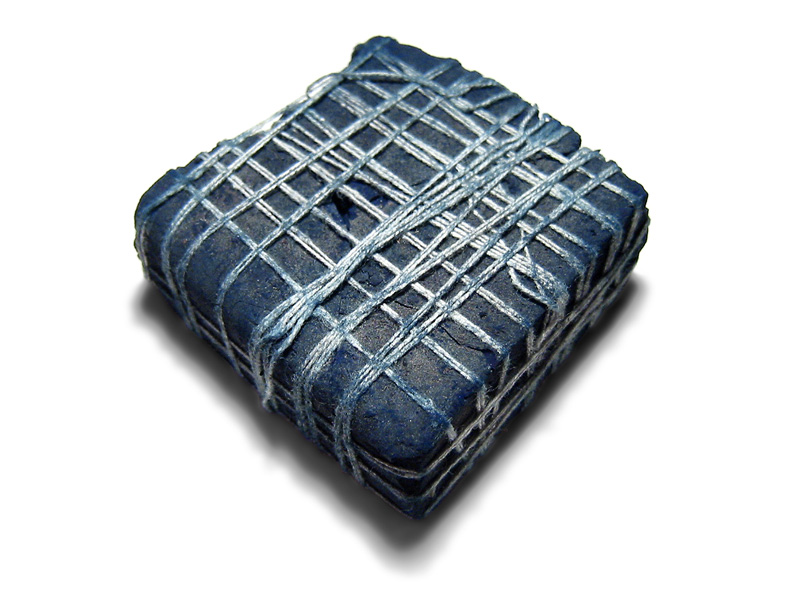
#6A5DFF
Indigo
A deep blue named for the dye once exported from IndiaNamed shade · 🇮🇳 India +5

Red
Cinnabar
A scarlet to brick-red mineral and the main source of mercury and vermilion pigmentColour named from nature · 🇪🇸 Spain +5

Brown
Terracotta
A clay-based material and colour, known for its reddish-brown toneColour named from nature · 🇮🇳 India +4