Lead white
A dense, opaque white pigment once used in art, home, and cosmetics worldwide
No single value: Lead white is a material, and its colour varies. The background shows its family, white.

Lead white is a heavy, opaque white pigment made mainly from basic lead carbonate. It was the main white used in painting, decoration, and cosmetics from ancient times until safer alternatives like zinc and titanium white replaced it in the twentieth century. Its strong covering power and permanence made it popular with artists, though its toxicity led to its decline.
- Main white pigment in art until the 19th century
- Made by reacting lead with vinegar vapours
- Used in famous works like the Fayum portraits
- Toxic; replaced by zinc and titanium whites
- Still visible in X-rays of old paintings
What colour is Lead white?
Lead white is a thick, opaque white pigment with a heavy feel and strong covering power. Its main ingredient is basic lead carbonate, which gives it a crystalline structure and a dense appearance. Artists valued it for its ability to hide surfaces and for the way it could be shaped and highlighted in paintings. It stands apart from other whites by its warmth, opacity, and durability, but is now avoided due to its toxicity.
Where does Lead white come from?
The name 'lead white' comes from its main component, lead, and its bright white colour. It is one of the oldest synthetic pigments, with evidence of its use as early as 300 BC in China and later in Japan. The method of making it by exposing lead to vinegar vapours was used in many cultures, including ancient Greece and seventeenth-century Holland. Its use spread widely in Europe and Asia for both art and cosmetics.
How is Lead white made?
Lead white was made by exposing metallic lead to acidic vapours, usually from vinegar, in closed pots. Over time, the vapours react with the lead to form basic lead carbonate. In Holland, the process included sealing pots in rooms heated with horse manure or bark, which added warmth and carbon dioxide to speed up the reaction. The resulting pigment was ground and mixed with oil or other binders for use.

Where Lead white is used
This pigment was used in painting, ceramics, house paints, wallpaper, and cosmetics. In art, it was the main white for European easel painting until the nineteenth century, and was also used in Chinese and Japanese wall and silk paintings. It served as a base for flesh tones and highlights, and was mixed with other whites for watercolours. In cosmetics, it was used to whiten skin, despite health risks.
White around the world
What the white family means from country to country.
White is the traditional colour of death and mourning. Families wore undyed white cloth at funerals, and condolence money is still given in white envelopes.
Mourning and deathGriefSource: Color in Chinese cultureA bride at a Shinto wedding may wear the shiromuku, a kimono that is white from head to foot. White is also the colour of the paper streamers that mark sacred places.
Weddings and marriagePurity and peaceCalmSource: KimonoRed and white together, called kohaku, mark happy occasions. Curtains at ceremonies are striped red and white, and the New Year's Eve song contest sets a Red team against a White team.
Festival and celebrationJoySource: Kōhaku Uta GassenThe Taliban flag is white with the Muslim declaration of faith in black. It replaced the black, red and green tricolour of the republic in 2021.
Politics and protestSacred and holySource: Flag of AfghanistanThe Mothers of the Plaza de Mayo wore white headscarves as they marched to demand news of children who disappeared under the dictatorship of 1976 to 1983.
Politics and protestMourning and deathCourageSource: Mothers of Plaza de MayoThe wiphala, a square flag of 49 small squares in seven colours with a white diagonal, stands for the Andean peoples. It has been a second national flag since 2009.
Politics and protestPrideSource: WiphalaShades and relatives of Lead white
Lead white is sometimes confused with other white pigments like zinc white and titanium white, which replaced it due to safety. It was also mixed with chalk or calcium carbonate to make different types of white paint, especially in Dutch art. When used in watercolour, it can darken over time due to air pollution, unlike in oil paint where it remains stable.
Questions people ask about Lead white
What colour is lead white?
Lead white is a dense, opaque white pigment with a slightly warm tone. It was prized for its strong covering power and ability to create highlights and flesh tones in paintings.
Where does the name 'lead white' come from?
The name comes from its main ingredient, lead, combined with its white colour. It is made from basic lead carbonate, produced by exposing lead to vinegar vapours.
Why did artists stop using lead white?
Artists stopped using lead white mainly because of its toxicity, which can cause lead poisoning. Safer alternatives like zinc white and titanium white became available in the nineteenth and twentieth centuries.
How was lead white made?
Lead white was made by placing lead shavings above vinegar in pots, allowing acidic vapours to react with the lead and form basic lead carbonate. The process was used in many cultures, with slight variations.
Where was lead white used?
Lead white was used in painting, ceramics, home decoration, and cosmetics. It was the main white pigment in European art and was also used in China, Japan, and Greece for both art and as a cosmetic.
Good reading and sources
The facts on this page come from the Wikipedia article "Lead white", written by its contributors and used under the CC BY-SA 4.0 licence, and from its Wikidata record (CC0). Rang rewrote the text in its own words, with AI assistance, and compares every page with the article to make sure no passage is copied. It may be reused under the same CC BY-SA 4.0 licence with a link back.
It may contain mistakes. The swatch is an approximation: named colours are not fixed standards, and every screen shows them a little differently. If something is wrong, tell us. Last refreshed 2026-10-03.
More of the white family
All of white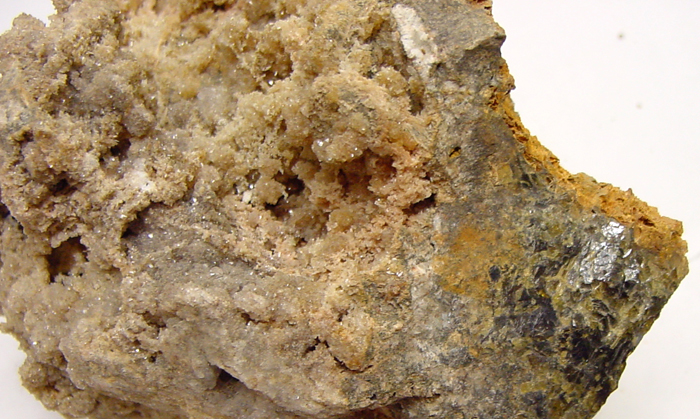
White
Zinc oxide
A white inorganic powder used in pigments, ointments, ceramics and electronicsPigment · 🇮🇳 India +2

#FDF8FF
Zinc white
A cool, low-toxicity white pigment made from zinc oxidePigment

#FFFEEF
Titanium white
A bright white pigment made from titanium dioxide, valued for its strong coveragePigment · 🇺🇸 United States +1
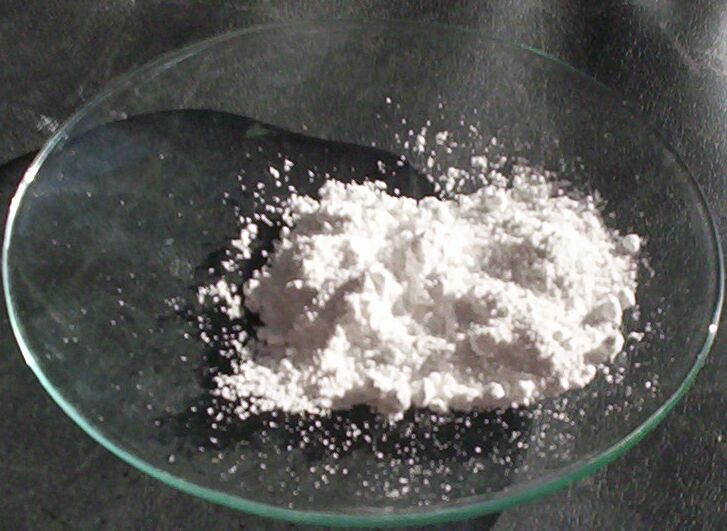
White
Titanium dioxide
A brilliant white pigment made from titanium, used in paints, food and sunscreenPigment · 🇨🇳 China +5

White
Barium sulfate
A dense, white mineral used in pigments, X-rays, and industryPigment
White
Antimony trioxide
A white antimony compound used in flame retardants and glassmakingPigment · 🇨🇳 China +4

White
White lead
A historic opaque white pigment once made from lead and vinegarPigment
White
Zinc phosphate
A white inorganic compound used to protect metal and in dental cementPigment
More colours tied to China
The colours of China
#FF0000
Red
A primary colour seen in light, pigment, and tradition worldwideBasic colour · 🇺🇸 United States +5

#FFFF00
Yellow
A primary colour between green and orange, seen in sunlight, leaves, and pigmentsBasic colour · 🇫🇷 France +5

#800080
Purple
A cool colour between red and blue, long linked with royalty and rarityBasic colour · 🇱🇧 Lebanon +5

Red
Cinnabar
A scarlet to brick-red mineral and the main source of mercury and vermilion pigmentColour named from nature · 🇪🇸 Spain +5