Purple
A cool colour between red and blue, long linked with royalty and rarity

Purple sits between red and blue, and is made by mixing these in paint or light. Its name and early fame come from Tyrian purple, a dye made from sea snails and prized in the ancient Mediterranean. Purple has been worn by rulers, priests, and the elite in many cultures, and is now tied to ideas of luxury, mystery, and ambition.
Share on WhatsAppOpen in the lab
- Tyrian purple dye was made from sea snails in ancient Phoenicia
- Purple was once reserved for emperors and high priests
- The word 'purple' comes from the Greek for the famous dye
- In China, purple was first made from the purple gromwell plant
- Purple is now made by mixing red and blue in paint or light
What colour is Purple?
Purple is a colour that falls between red and blue. It can look similar to violet light, but is usually made by mixing red and blue pigments or lights. Purple stands out from its neighbours by its rich, cool tone and its long history as a symbol of wealth and power. Its shades can range from reddish to bluish, and it is often described as deep and lasting.
Where does Purple come from?
The word 'purple' comes from Old English, which took it from Latin and Greek. The Greek word referred to the famous Tyrian purple dye, made from sea snails in ancient Phoenicia (now Lebanon). Purple textiles and pigments have been found in prehistoric caves and Bronze Age Syria. In China, purple was made from the purple gromwell plant and later from synthetic pigments. The colour has been linked to rulers and priests for thousands of years.
How Purple is defined
In painting, purple is made by mixing red and blue pigments. In printing, it is created with magenta and cyan, sometimes with black. On screens, purple comes from blending red and blue light. The famous Tyrian purple dye was made by extracting a gland from thousands of sea snails, then processing it in sunlight to get a lasting, rich colour. In China, purple came from the purple gromwell plant and later from synthetic methods.


Where Purple is used
Purple has been used for textiles, royal robes, and religious garments since ancient times. It coloured the clothes of kings, emperors, and priests in the Mediterranean, Europe, and Japan. In art, purple appears in cave paintings, religious images, and university robes. Today, it is used in print, digital design, and fashion, often to suggest rarity or luxury.
What Purple means
Purple has stood for royalty and high rank in the Mediterranean, Europe, and Japan, mainly because the dye was rare and costly. In the Bible, purple is linked to sacred objects and priestly garments. In Europe and the United States today, surveys find purple is most often tied to ideas of rarity, luxury, ambition, magic, and spirituality. When mixed with pink, it is associated with femininity and seduction.
Purple around the world
What the purple and violet family means from country to country.
Suffragettes campaigning for women's votes wore purple, white and green: purple for dignity, white for purity and green for hope.
Politics and protestCourageSource: SuffragettePurple dye from the murasaki plant was costly and hard to make. In the court rank system set up under Prince Shotoku, the highest officials wore purple caps.
Royalty and powerAweSource: Twelve Level Cap and Rank SystemThe Phoenician cities of Tyre and Sidon made Tyrian purple from sea snails. The dye was so costly that it became the colour of kings and Roman emperors.
Royalty and powerAweSource: Tyrian purpleThe Purple Heart is the medal given to members of the armed forces wounded or killed in action. It is a purple heart with a profile of George Washington.
Protection and healingCourageSource: Purple HeartIn Holy Week, members of religious brotherhoods walk in procession in robes and pointed hoods, many of them purple, the colour of penance. A purple band also marked the flag of the Second Republic.
Sacred and holyPolitics and protestSource: Holy Week in SpainA child born to a reigning Byzantine emperor was called porphyrogennetos, born in the purple. The birth took place in a palace room lined with purple stone.
Royalty and powerAweSource: Born in the purpleShades and relatives of Purple
Purple shades can range from crimson to bluish violet. Tyrian purple itself varied in hue, depending on the sea snail species and process. In China, purple was once seen as a lesser colour but later rose in status. Purple is sometimes confused with violet, which is a spectral colour, while purple is a mixture.
Colours that go with Purple
Harmonies are worked out from the value #800080. Contrast ratios follow the WCAG 2 formula.
Questions people ask about Purple
What colour is purple?
Purple is a cool colour that sits between red and blue. It can range from reddish to bluish tones, and is made by mixing red and blue pigments or lights.
Where does the name 'purple' come from?
The name comes from Old English, which took it from Latin and Greek. The Greek word referred to the Tyrian purple dye made from sea snails.
Why is purple linked with royalty?
Purple was linked to royalty because Tyrian purple dye was extremely expensive and rare. Only rulers and high priests could afford it in ancient times.
How is purple made today?
In paint, purple is made by mixing red and blue pigments. In printing, it uses magenta and cyan. On screens, it is created by blending red and blue light.
What does purple stand for?
Purple is associated with royalty, luxury, piety, and spirituality in many cultures. In Europe and the United States, it is also linked to rarity, ambition, and magic.
Good reading and sources
- Tyrian Purple: The disgusting origins of the colour purpleBBC, Article
- How the Suffragettes used fashion to further the causeThe Guardian, Article
The facts on this page come from the Wikipedia article "Purple", written by its contributors and used under the CC BY-SA 4.0 licence, and from its Wikidata record (CC0). Rang rewrote the text in its own words, with AI assistance, and compares every page with the article to make sure no passage is copied. It may be reused under the same CC BY-SA 4.0 licence with a link back.
It may contain mistakes. The swatch is an approximation: named colours are not fixed standards, and every screen shows them a little differently. If something is wrong, tell us. Last refreshed 2026-10-03.
More of the purple and violet family
All of purple and violet
#8000FF
Violet
A bluish-purple seen in both flowers and the light spectrumBasic colour

#C8A2C8
Lilac
A soft purple inspired by the typical colour of lilac flowersNamed shade

#E0B0FF
Mauve
A pale purple named after the mallow flower and once a fashion sensationNamed shade · 🇫🇷 France

#9966CC
Lavender
A pale purple named for the lavender flower, with many subtle variationsNamed shade
#CC8899
Puce
A brownish-purple shade named after the flea and once favoured in French fashionNamed shade · 🇫🇷 France +1

Purple and violet
Purpure
A heraldic colour for purple, seen in coats of arms since early timesBasic colour

Purple and violet
Cobalt(II) phosphate
A violet pigment and chemical compound used as cobalt violet in artPigment
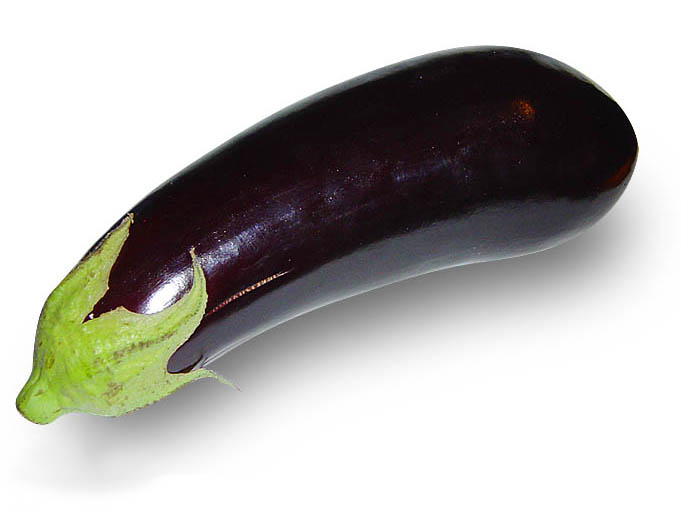
#614051
Eggplant
A deep purplish colour named after the skin of European eggplantsNamed shade
