🇫🇷 The colours of France
7 meanings recorded, 58 colours tied to the country and 4 colour cities.
France’s national colours are blue, white, and red, arranged in three vertical stripes on the flag. Blue and red come from Paris’s traditional colours, while white is linked to the monarchy and the nation. The tricolour stands for unity, moderation, and the ideals of the French Revolution.
Where no official value is given, the swatch shows the colour family, not the exact shade.
- Blue and red are Paris’s traditional colours; white is the ancient French colour.
- The tricolour flag was adopted during the French Revolution in 1790.
- No official law defines the exact shades of blue, white, or red.
- The flag’s proportions are 2:3, with equal stripes except in the navy.
- The colours are sometimes linked to liberty, equality, and fraternity.
The colours of the flag of France
The French flag features three vertical stripes: blue nearest the hoist, then white, then red. Blue and red are Paris’s historic colours, seen on the city’s coat of arms and linked to Saints Martin and Denis. White, described as the ‘ancient French colour’, was added to unite revolutionary Paris with the nation’s royal past. Officially, the flag’s colours are not tied to a single meaning, but they are often said to symbolise liberty (blue), equality (white), and fraternity (red), echoing the revolutionary motto. The tricolour has come to represent unity and moderation, blending royalist and republican elements.
How the colours were chosen of France
Before the tricolour, French flags featured blue shields with gold fleurs-de-lis on white, or plain white banners for the monarchy. During the French Revolution, the Paris militia adopted blue and red cockades, later adding white to create a national symbol. The tricolour flag was first adopted in 1790, with its current blue-white-red order set in 1794. The flag was replaced by a plain white flag during the Bourbon Restoration but returned after the July Revolution of 1830. Since then, it has remained France’s national flag, with only minor changes in shade and proportion.
Official shades and rules of France
The French constitution names the flag’s colours as blue, white, and red, but does not specify exact shades. Traditionally, the blue is navy, though a lighter blue was used from 1974. Both versions have been used, but since 2020, the darker blue is standard at the Élysée Palace. The flag’s proportions are 2:3, with equal stripes except in the navy, where the stripes are 30:33:37 to account for visual effects when flying.
The facts in this overview come from the Wikipedia article "Flag of France", written by its contributors and used under the CC BY-SA 4.0 licence. Rang rewrote the text in its own words, with AI assistance, and compares every page with the article to make sure no passage is copied. It may be reused under the same CC BY-SA 4.0 licence with a link back.
What colours mean in France
Customs vary by region, faith and family; these are the meanings most often recorded.
The red Phrygian cap, a soft cap with the tip pulled forward, became the sign of liberty in the Revolution. Marianne, the figure of the Republic, still wears it.
Politics and protestCourageSource: Phrygian capFrom late 2018, protesters against fuel taxes and living costs wore the yellow high-visibility vests that every driver must carry. They became known as the gilets jaunes.
Politics and protestAngerSource: Yellow vests protestsThe leader of the Tour de France wears the yellow jersey. It was introduced in 1919 and matches the yellow paper of L'Auto, the newspaper that ran the race.
Festival and celebrationPrideSource: General classification in the Tour de FranceBlue was the colour of the French kings, whose arms were gold lilies on blue. It is the first band of the tricolour, and national sports teams are called Les Bleus.
Politics and protestRoyalty and powerPrideSource: Bleu de France (colour)Toulouse is called la Ville Rose, the pink city, for the soft pink brick of its old buildings.
Nature and renewalSource: ToulouseWhite was the colour of the Bourbon kings. In the tricolour it sits between the blue and red of Paris, and after 1815 the restored monarchy flew a plain white flag.
Royalty and powerPolitics and protestSource: Flag of FranceFrench queens once mourned in white, a custom called deuil blanc. Mary, Queen of Scots, was painted in white mourning after the death of her husband, Francis II.
Mourning and deathRoyalty and powerGriefSource: MourningColour and feeling in France
French speaks of 'black anger', colère noire, and German of annoying oneself black, sich schwarz ärgern.
Picasso painted almost wholly in cold blues from about 1901 to 1904, in Barcelona and Paris, after the death of his friend Carles Casagemas.
To brood in French is 'broyer du noir', to grind black, and dark thoughts are 'idées noires'.
Great fear is blue in French and Italian: 'une peur bleue', a blue fear, and 'fifa blu', a blue funk.
Britain, France, Ireland and New Zealand followed Australia in requiring cigarette packs in the same drab brown.
In his Blue Period, about 1901 to 1904, Picasso painted beggars, prisoners and solitary figures in cold blues.
The twelfth and thirteenth century windows of Chartres cathedral are famous for a deep blue glass often called Chartres blue.
To see 'la vie en rose', life in pink, is to see the good in everything. Édith Piaf's 1940s song carried the phrase around the world.
Colour cities of France
 🇫🇷 Painted half-timbered AlsaceColmarTimber-framed houses in pink, yellow, blue and green lean over small canals in eastern France.
 🇫🇷 The lemon townMentonThe last French town before Italy, with an old quarter in ochre and yellow and a famous lemon festival.
 🇫🇷 La Ville RoseToulouseThe pink city of south-west France, built of flat rosy bricks, once rich on a blue dye plant.
 🇫🇷 The ochre villageRoussillonA Provençal hill village built on, and painted with, cliffs of red, orange and yellow ochre.
Colours tied to France

#FFFF00
Yellow
A primary colour between green and orange, seen in sunlight, leaves, and pigmentsBasic colour · 🇫🇷 France +5

#800080
Purple
A cool colour between red and blue, long linked with royalty and rarityBasic colour · 🇱🇧 Lebanon +5

#FF00FF
Magenta
A purplish-pink colour named after a battle and key to modern printingNamed shade · 🇫🇷 France +4

Brown
Terracotta
A clay-based material and colour, known for its reddish-brown toneColour named from nature · 🇮🇳 India +4

Blue
Azurite
A deep blue copper mineral once prized as a pigment and gemstonePigment · 🇫🇷 France +5

#CC7722
Ochre
A natural earth pigment ranging from yellow to deep orange or brownPigment · 🇦🇺 Australia +5

Blue
Woad
A blue dye once vital to Europe's textile trade, made from the leaves of a flowering plantDye · 🇫🇷 France +3

#F5F5DC
Beige
A pale, warm colour named after natural, undyed woolNamed shade · 🇫🇷 France +2

#007FFF
Azure
A clear sky blue, halfway between blue and cyan on the colour wheelNamed shade · 🇮🇹 Italy +2
Red
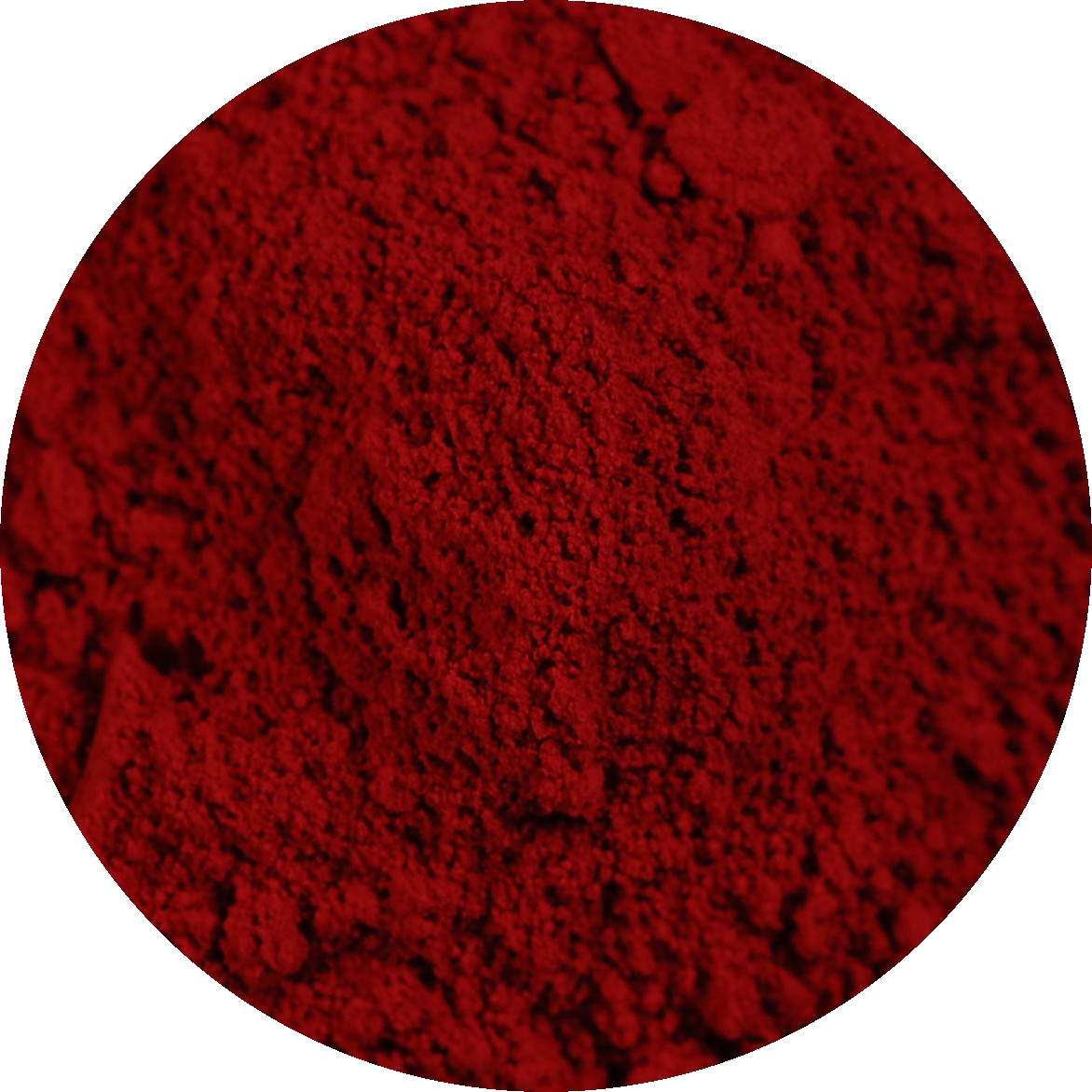
Carmine
A deep red pigment made from cochineal insects, once prized across continentsPigment · 🇫🇷 France +2

Red
Rubia
A group of plants whose roots once dyed cloth and paint a lasting redColour named from nature · 🇪🇬 Egypt +5
#50C878
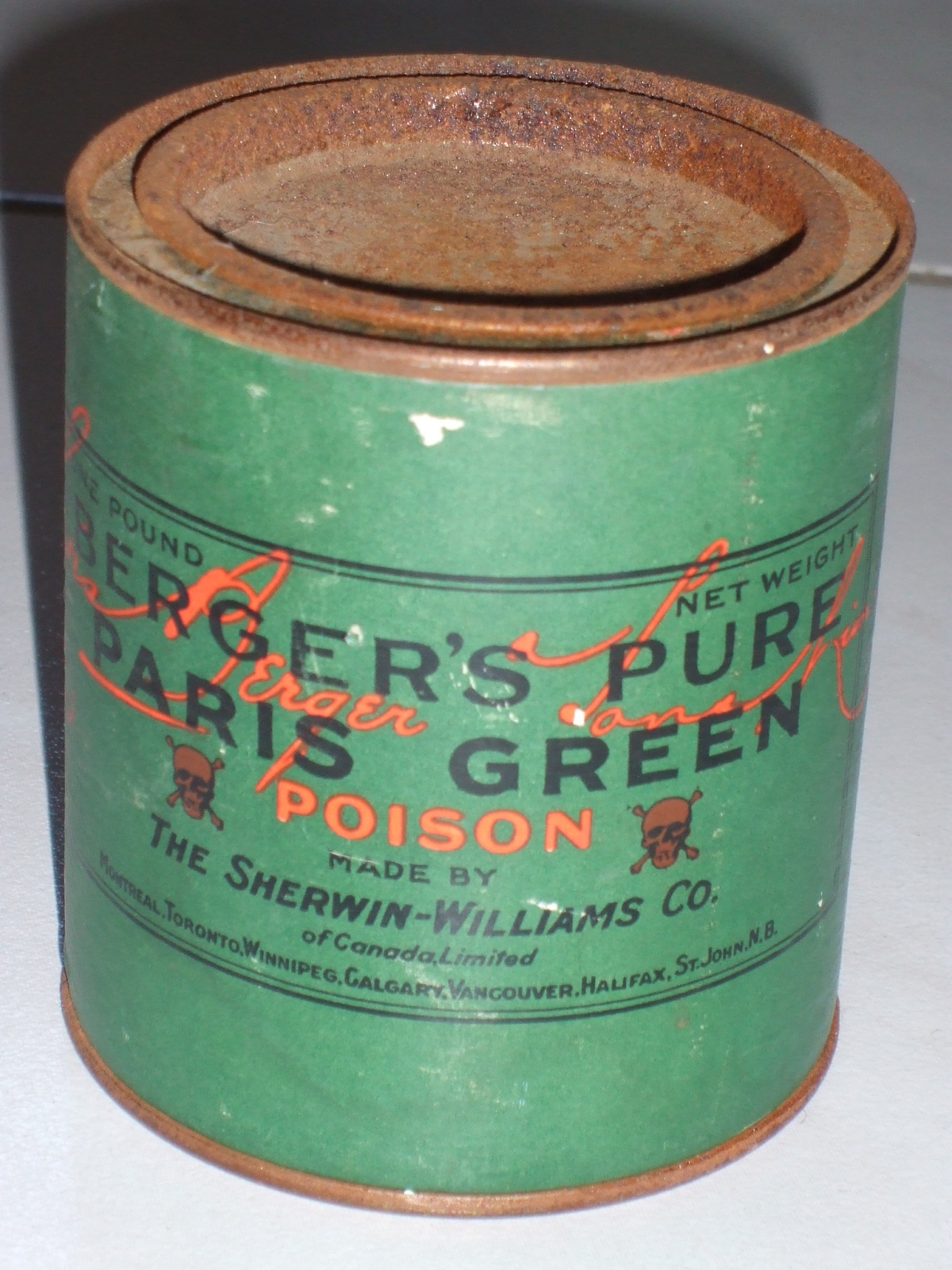
Paris Green
A toxic emerald-green pigment once prized in art and used as an early insecticidePigment · 🇩🇪 Germany +4
#0047AB
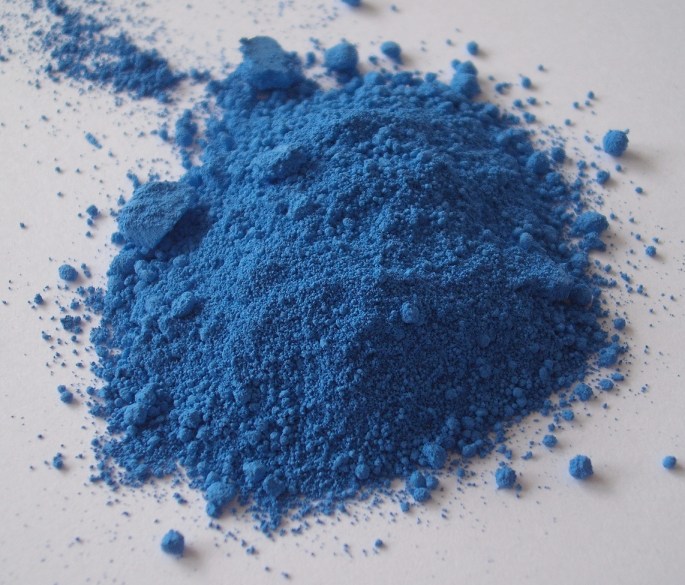
Cobalt blue
A strong, stable blue pigment made from cobalt and alumina since the early 1800sPigment · 🇫🇷 France +3

#43B3AE
Verdigris
A historic bluish-green pigment formed on copper and used in art since antiquityPigment · 🇬🇷 Greece +1

#E0B0FF
Mauve
A pale purple named after the mallow flower and once a fashion sensationNamed shade · 🇫🇷 France

#800020
Burgundy
A purplish dark red named after the wine region in FranceNamed shade · 🇫🇷 France

#8A3324
Umber
A natural brown pigment from earth, valued for its warmth and versatility in artPigment · 🇨🇾 Cyprus +2

#E97451
Sienna
A reddish-brown earth pigment named after the city of Siena in ItalyPigment · 🇫🇷 France
#002366
Royal blue
A strong, deep blue linked with royalty and national flagsNamed shade · 🇫🇷 France +4

Brown
Catechu
A brown plant extract used as a dye, tannin, and preservativeColour named from nature · 🇯🇵 Japan +2

#4A412A
Pantone 448 C
A dull brown shade chosen to discourage smoking by making packaging unattractiveStandard colour · 🇦🇺 Australia +5

Red
Kermes
A deep red dye made from Mediterranean scale insects, once prized for scarlet clothDye · 🇪🇬 Egypt +5

#0033CC
International Klein Blue
A deep blue made famous by Yves Klein's art and a special synthetic binderNamed shade · 🇫🇷 France
#CC8899
Puce
A brownish-purple shade named after the flea and once favoured in French fashionNamed shade · 🇫🇷 France +1
#318CE7
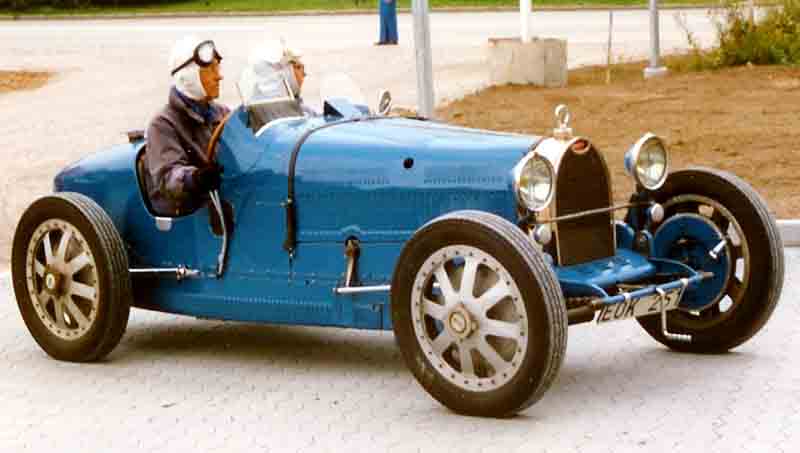
Bleu de France
A vivid blue long linked with France and its national identityNamed shade · 🇫🇷 France

Red
Sang de boeuf glaze郎窑红
A deep red porcelain glaze first made in early 18th-century ChinaNamed shade · 🇨🇳 China +1
#A91101
Turkey red
A lasting bright red dye for cotton, made from madder root by a complex processNamed shade · 🇹🇷 Turkey +4

#FA5053
Strawberry
A bright red colour inspired by the ripe strawberry fruitNamed shade · 🇫🇷 France +4
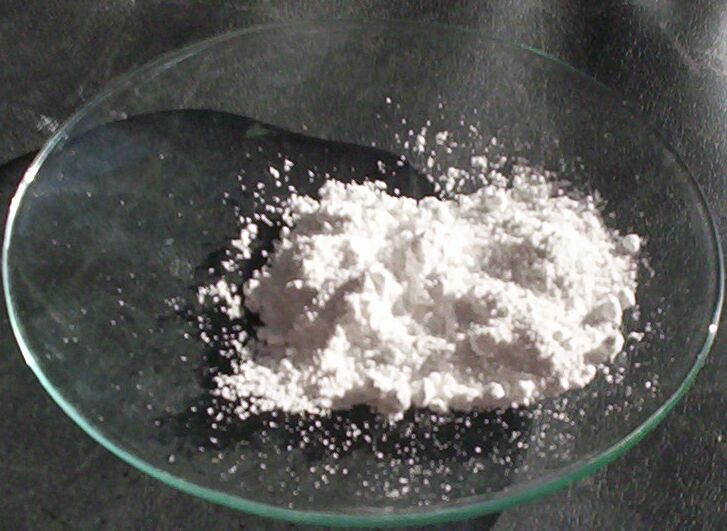
White
Titanium dioxide
A brilliant white pigment made from titanium, used in paints, food and sunscreenPigment · 🇨🇳 China +5

#FF9361
Blond hair
A human hair colour ranging from pale yellow to golden or reddish tonesColour named from nature · 🇫🇷 France +4

Brown
Goethite
A yellowish to reddish brown mineral used as a pigment since ancient timesPigment · 🇩🇪 Germany +3
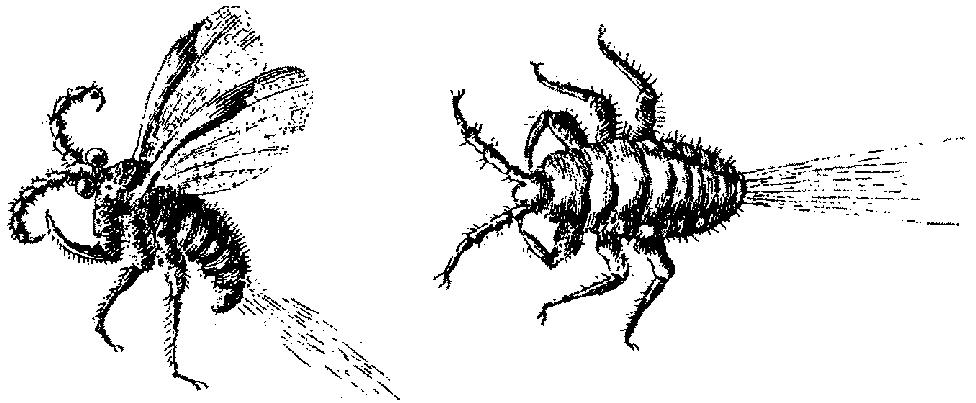
Red
Polish cochinealczerwiec polski
A crimson dye once vital to Poland, made from a native scale insectDye · 🇵🇱 Poland +5

#ADD8E6
Light blue
A pale blue shade found between blue and cyan, seen in flags and daily life worldwideNamed shade · 🇫🇷 France +5

Pink and magenta
Carnation
A heraldic colour for skin tones and sometimes pink detailsHeraldic colour · 🇫🇷 France +2

Red
Armenian cochinealորդան կարմիր
A crimson dye once prized across Armenia and the Middle East, made from a rare insectDye · 🇦🇲 Armenia +4

Purple and violet
Orcein
A reddish dye made from lichens, changing colour with acidityDye · 🇳🇴 Norway +4
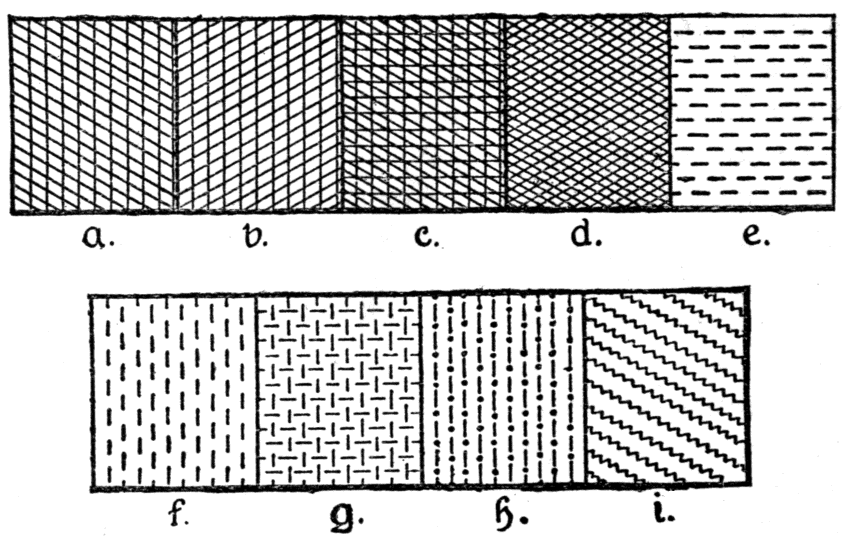
Orange
Tenné
A rare heraldic stain of orange-tawny, named for tanned leatherNamed shade · 🇫🇷 France +3

Brown
Seal brown
A near-black horse coat with tan or reddish highlights on soft areasNamed shade · 🇫🇷 France
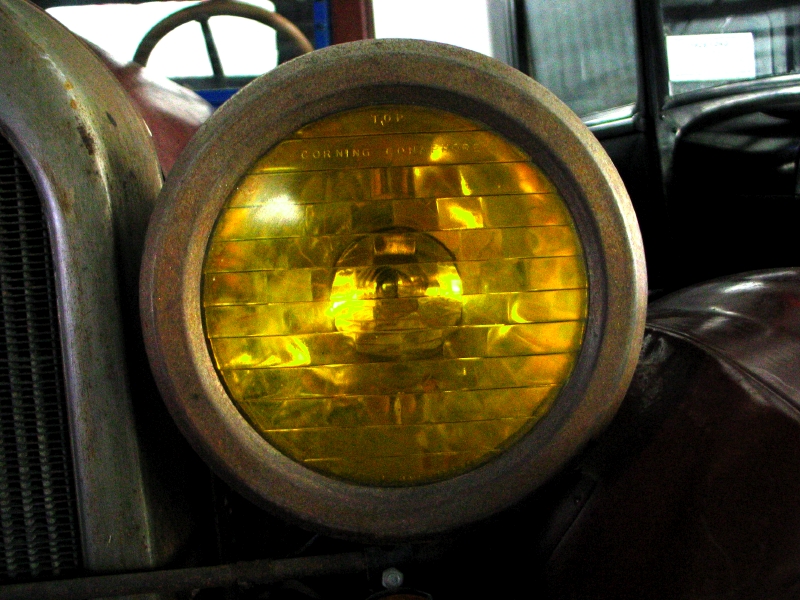
#FFBA00
Selective yellow
A yellow defined for car headlamps and fog lamps to cut glare in bad weatherNamed shade · 🇫🇷 France +2

#DADD98
Green earth
A natural green pigment from celadonite and glauconite, used since ancient RomePigment · 🇮🇹 Italy +3
#FADA5E
Stil de grain yellow
A yellow pigment made from buckthorn berries, once known as 'pink' or 'sap green'Pigment · 🇫🇷 France +2
#003399
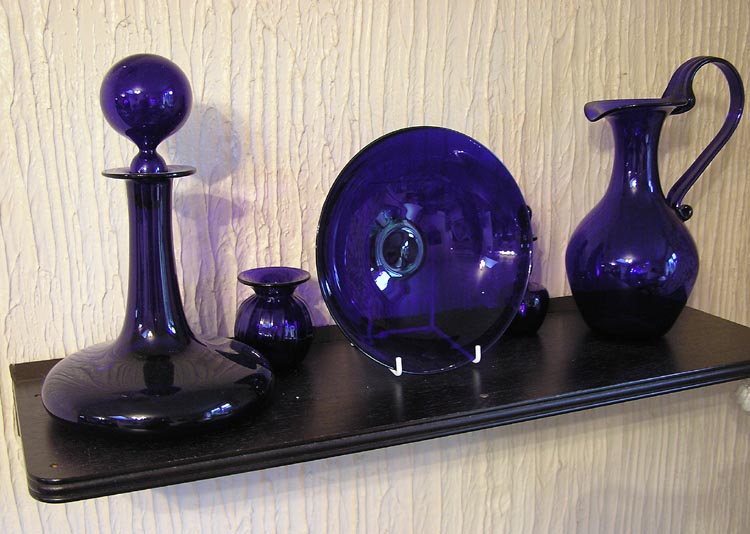
Cobalt glass
A deep blue glass coloured with cobalt compounds, used in art and decoration for centuriesPigment · 🇪🇬 Egypt +2
Grey
Cendrée
A rare heraldic grey, the colour of ashes, iron, and stone wallsHeraldic colour · 🇩🇪 Germany +1

#4C5866
Marengo
A dark grey or blue-grey shade, once a speckled fabric from northern ItalyNamed shade · 🇮🇹 Italy +2

Red
Wine colour
The range of colours seen in wines, from pale yellow to deep red and tawnyNamed shade · 🇫🇷 France

#7CA2B8
Horizon blue
A blue-grey shade famous for French army uniforms in World War INamed shade · 🇫🇷 France

Blue
Blue
A colour long prized in art, faith and dress, from ancient Egypt to modern flagsBasic colour · 🇪🇬 Egypt +5

Red
Red pigment
Pigments made from minerals, plants, and insects to create red colours in artPigment · 🇫🇷 France +4
Photo credits on this page
The small pictures above come from Wikimedia Commons under free licences. Some are cropped to fit.
- Azure: Marco Almbauer, CC BY-SA 3.0, source
- Beige: Krzysztof Golik, CC BY-SA 4.0, source
- Bleu de France: Lars-Göran Lindgren Sweden, CC BY-SA 3.0, source
- Sienna: DanielCD~commonswiki, CC BY-SA 3.0, source
- Umber: Gixie, CC BY-SA 3.0, source
- Light blue: Yosef Ben Melamed, CC BY-SA 4.0, source
- Magenta: Basile Morin, CC BY-SA 4.0, source
- Mauve: Unknown author, CC BY-SA 3.0, source
- Paris Green: Chris goulet at English Wikipedia, CC BY-SA 3.0, source
- Selective yellow: Scheinwerfermann at English Wikipedia, Public domain, source
- Strawberry: Unknown author, CC BY-SA 2.0, source
- Blond hair: Titus Tscharntke, Public domain, source
- Orcein: W.carter, CC0, source
- Rubia: Unknown author, CC BY-SA 3.0, source
- Woad: Unknown author, CC BY-SA 3.0, source
- Catechu: Maša Sinreih in Valentina Vivod, CC BY-SA 3.0, source
- Tenné: Arthur Charles Fox-Davies, Public domain, source
- International Klein Blue: Yves Klein, Public domain, source
- Pantone 448 C: The RedBurn (picture on the packaging, Public domain, source
- Carnation: MarieLoeise, CC BY-SA 4.0, source
- Titanium dioxide: The original uploader was Walkerma at English Wikipedia ., Public domain, source
- Carmine: Stephhzz, CC BY-SA 3.0, source
- Goethite: Raimond Spekking, CC BY-SA 4.0, source
- Kermes: MyName ( Gryffindor ) stitched by Marku1988 This panoramic image was c, Public domain, source
- Polish cochineal: Unknown author, Public domain, source
- Armenian cochineal: Vahe Martirosyan, CC BY-SA 3.0, source
- Seal brown: User:Smooth_O, Public domain, source
- Azurite: Ivar Leidus, CC BY-SA 4.0, source
- Sang de boeuf glaze: WAN233, CC BY-SA 4.0, source
- Cobalt glass: Unknown author, Public domain, source
- Marengo: Horace Vernet, Public domain, source
- Terracotta: anonymous, CC0, source
- Wine colour: Mick Stephenson mixpix 20:28, 2 April 2007 (UTC), CC BY-SA 3.0, source
- Horizon blue: Paul Castelnau, Public domain, source
- Blue: Marie-Lan Nguyen, Public domain, source
- Ochre: Marco Almbauer, CC BY-SA 3.0, source
- Burgundy: allen watkin, CC BY-SA 2.0, source
- Yellow: Mark Robinson, CC BY 2.0, source
- Verdigris: No machine-readable author provided. Nartoun assumed (based on copyrig, Public domain, source
- Green earth: Marco Almbauer, CC BY-SA 3.0, source
- Cobalt blue: FK1954, Public domain, source
- Purple: Diliff, CC BY-SA 3.0, source
- Red pigment: Marco Almbauer, Public domain, source
- Colmar Fr: --sinava--, CC BY 2.0, source
- Menton Fr: Jpgross, Public domain, source
- Toulouse Fr: Tonio94 ( talk · contribs ), CC BY-SA 2.5, source
- Roussillon Fr: Hawobo at German Wikipedia, CC BY-SA 2.0 de, source