Cobalt blue
A strong, stable blue pigment made from cobalt and alumina since the early 1800s
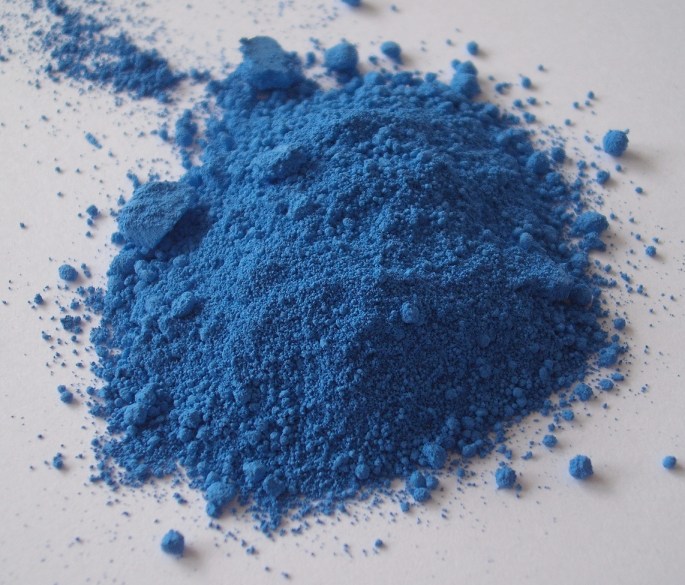
Cobalt blue is a vivid blue pigment made by heating cobalt(II) oxide with alumina. It is valued for its stability, resistance to fading, and clear, strong colour. First produced commercially in France in 1807, it replaced older cobalt-based blues in art, ceramics, and industry, and remains widely used today.
Share on WhatsAppOpen in the lab
- Made by heating cobalt oxide with alumina
- First produced as a pigment in France in 1807
- Used in Chinese porcelain and Islamic pottery
- Stable and lightfast, unlike older smalt
- Toxic if inhaled or ingested
What colour is Cobalt blue?
Cobalt blue is a clear, vivid blue pigment. It stands out for its brightness and strong tinting power compared to earlier cobalt-based blues like smalt. The colour is stable, resists fading in light, and does not react with other pigments, making it a reliable choice for artists and industry. Its distinctive blue is used in paints, ceramics, and even digital design.
Where does Cobalt blue come from?
Cobalt blue was first identified as a distinct pigment in the early 1800s. The Swedish chemist Georg Brandt discovered the metal cobalt in 1742, recognising it as the source of blue in glass and ceramics. French chemist Louis Jacques Thénard developed the modern pigment in 1802, and it was produced commercially in France from 1807. The name comes from the metal cobalt, itself named after German miners' folklore.
How is Cobalt blue made?
To make cobalt blue, cobalt(II) oxide is heated with alumina (aluminium oxide) at high temperatures, a process called sintering. This forms cobalt(II) aluminate, a stable blue compound. The pigment is sold as a powder and can be mixed into paints, glazes, or coatings. Earlier blue pigments from cobalt, like smalt, were made by grinding blue glass, but cobalt blue is a true mineral pigment.


Where Cobalt blue is used
Cobalt blue is widely used in painting, especially for skies and water. It is a mainstay in ceramics, seen in Chinese porcelain, Islamic pottery, and Polish Bolesławiec ware. Its stability makes it useful in concrete, industrial coatings, and car paint. The colour appears in flags, sports uniforms, and digital branding, such as Sega's logo and Sonic the Hedgehog.
Blue around the world
What the blue family means from country to country.
The blue flower, die blaue Blume, comes from a novel by Novalis. It became the emblem of German Romanticism and stands for longing for what cannot be reached.
Love and desireNostalgiaSource: Blue flowerPrussian blue, one of the first modern synthetic pigments, was made by accident in Berlin in the early 1700s. It later coloured the coats of the Prussian army.
Nature and renewalSource: Prussian blueBlue was the colour of the French kings, whose arms were gold lilies on blue. It is the first band of the tricolour, and national sports teams are called Les Bleus.
Politics and protestRoyalty and powerPrideSource: Bleu de France (colour)Delft blue is tin-glazed pottery painted in blue on white. Potters in Delft began making it in the 1600s as a cheaper answer to Chinese porcelain.
Nature and renewalSource: DelftwareLapis lazuli has been mined in the mountains of Badakhshan for more than six thousand years. Ground to powder it gave ultramarine, the costliest blue in European painting.
Royalty and powerSacred and holyAweSource: Lapis lazuliThe chadari is a full-length covering for women with a mesh panel over the eyes. In Kabul and the north it is most often a light blue.
Protection and healingSource: BurqaShades and relatives of Cobalt blue
Smalt is an older cobalt-based blue, but it is less intense and less stable than cobalt blue. Cobalt blue is sometimes confused with ultramarine, but it is cooler and more even in tone. There are related pigments like cobalt phosphate, but cobalt blue remains the standard for a strong, reliable blue.
Colours that go with Cobalt blue
Harmonies are worked out from the value #0047AB. Contrast ratios follow the WCAG 2 formula.
Questions people ask about Cobalt blue
What colour is cobalt blue?
Cobalt blue is a vivid, clear blue that is strong and bright. It is cooler than ultramarine and more intense than older cobalt-based blues like smalt.
Where does the name cobalt blue come from?
The name comes from the metal cobalt, which was identified as the source of blue in glass and ceramics in the 18th century. The pigment itself was developed in the early 1800s.
How is cobalt blue made?
Cobalt blue is made by heating cobalt(II) oxide with alumina at high temperatures to form cobalt(II) aluminate. This process creates a stable blue pigment.
Is cobalt blue safe to use?
Cobalt blue is toxic if inhaled or ingested, so care must be taken when handling the pigment. It is safe in finished products like ceramics or paint.
What is cobalt blue used for?
It is used in painting, ceramics, industrial coatings, car paint, and digital branding. It is valued for its stability and strong colour.
Good reading and sources
- Cobalt blue on WikipediaEncyclopedia
- More pictures on Wikimedia CommonsPictures
- Wikidata recordOpen data
The facts on this page come from the Wikipedia article "Cobalt blue", written by its contributors and used under the CC BY-SA 4.0 licence, and from its Wikidata record (CC0). Rang rewrote the text in its own words, with AI assistance, and compares every page with the article to make sure no passage is copied. It may be reused under the same CC BY-SA 4.0 licence with a link back.
It may contain mistakes. The swatch is an approximation: named colours are not fixed standards, and every screen shows them a little differently. If something is wrong, tell us. Last refreshed 2026-10-03.
More of the blue family
All of blue
Blue
Lapis lazuli
A deep blue stone prized for jewellery and the source of ultramarine pigmentColour named from nature · 🇦🇫 Afghanistan +5
#6A5DFF
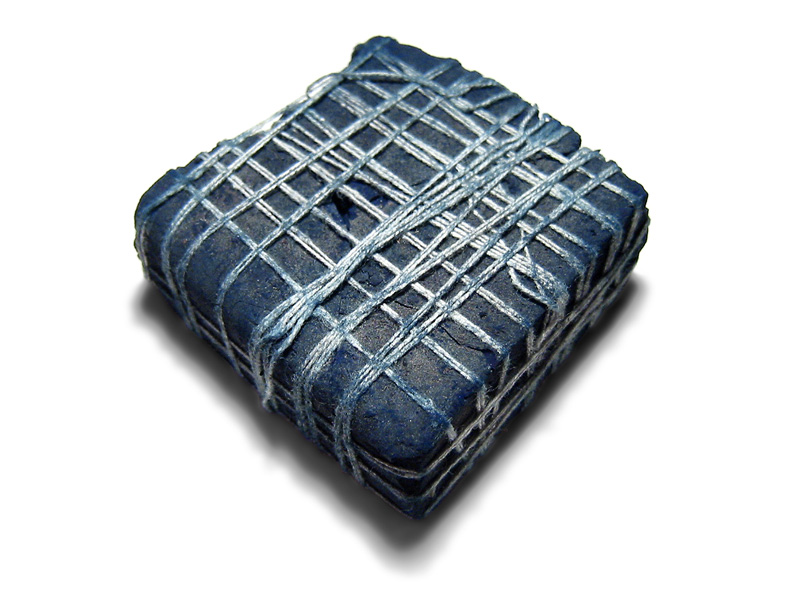
Indigo
A deep blue named for the dye once exported from IndiaNamed shade · 🇮🇳 India +5

Blue
Azurite
A deep blue copper mineral once prized as a pigment and gemstonePigment · 🇫🇷 France +5

Blue
Woad
A blue dye once vital to Europe's textile trade, made from the leaves of a flowering plantDye · 🇫🇷 France +3
Blue
Indigo
A deep blue dye from plants, now mostly made synthetically and known for colouring denimDye · 🇮🇳 India +5
Blue
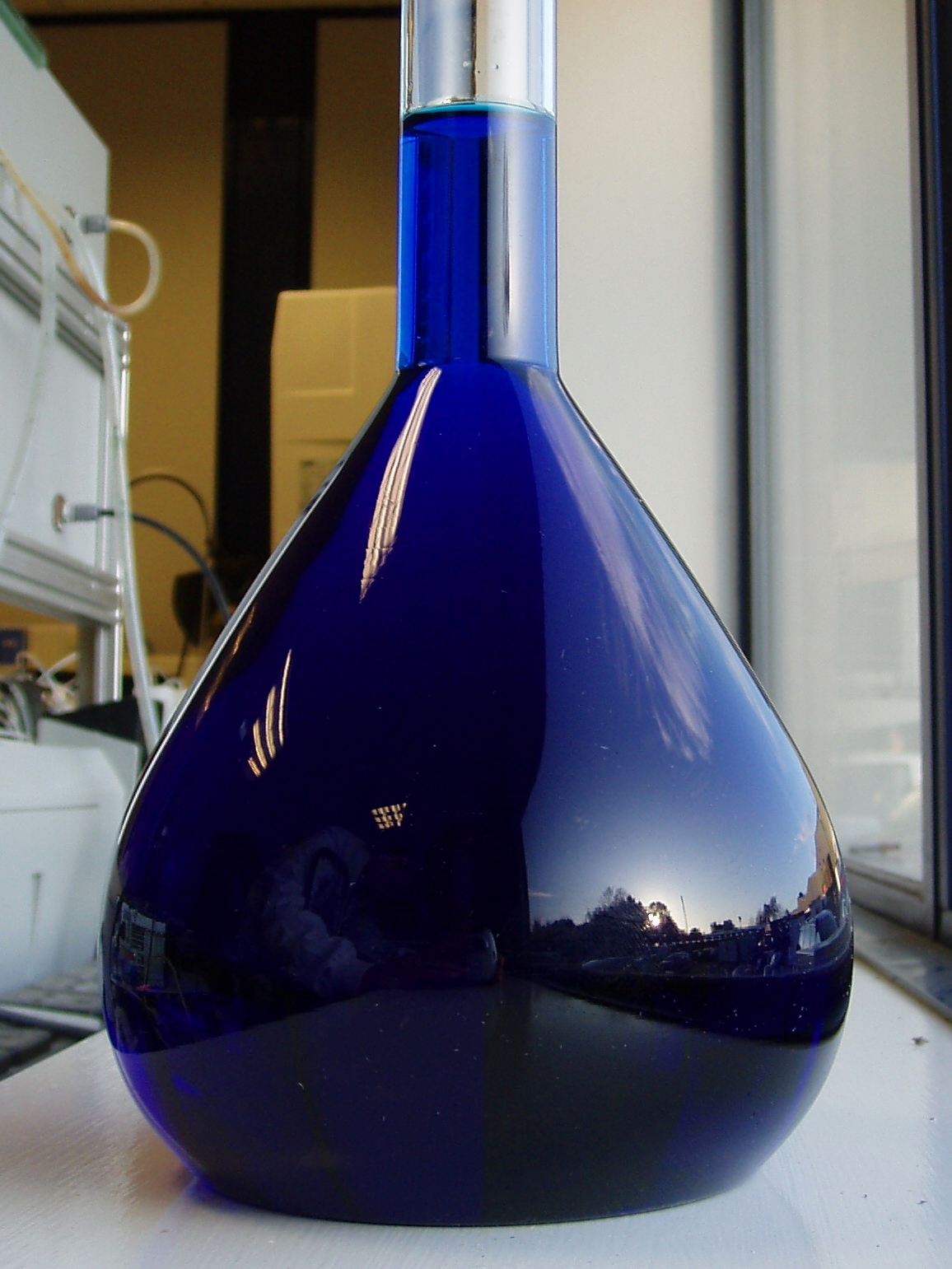
Methylene blue
A synthetic blue dye and medicine first made in 1876Dye
#120A8F
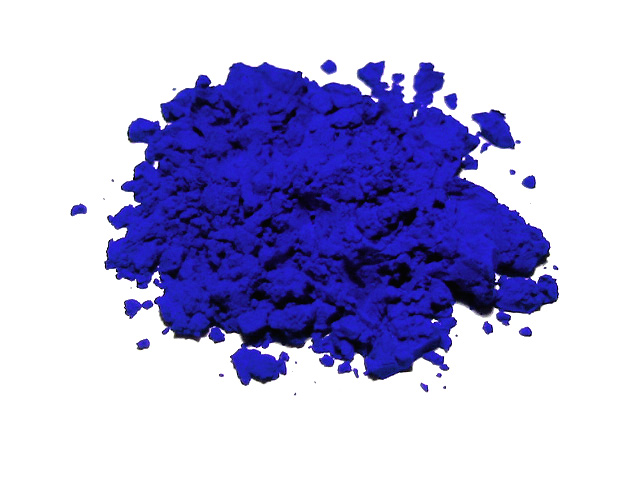
Ultramarine
A deep blue pigment once made from lapis lazuli, prized for centuries in artPigment · 🇦🇫 Afghanistan +2

#003153
Prussian blue
A deep blue pigment first made in Berlin in the early 1700sPigment · 🇯🇵 Japan
More colours tied to France
The colours of France
#FFFF00
Yellow
A primary colour between green and orange, seen in sunlight, leaves, and pigmentsBasic colour · 🇫🇷 France +5

#800080
Purple
A cool colour between red and blue, long linked with royalty and rarityBasic colour · 🇱🇧 Lebanon +5

#FF00FF
Magenta
A purplish-pink colour named after a battle and key to modern printingNamed shade · 🇫🇷 France +4

Brown
Terracotta
A clay-based material and colour, known for its reddish-brown toneColour named from nature · 🇮🇳 India +4