Ultramarine
A deep blue pigment once made from lapis lazuli, prized for centuries in art
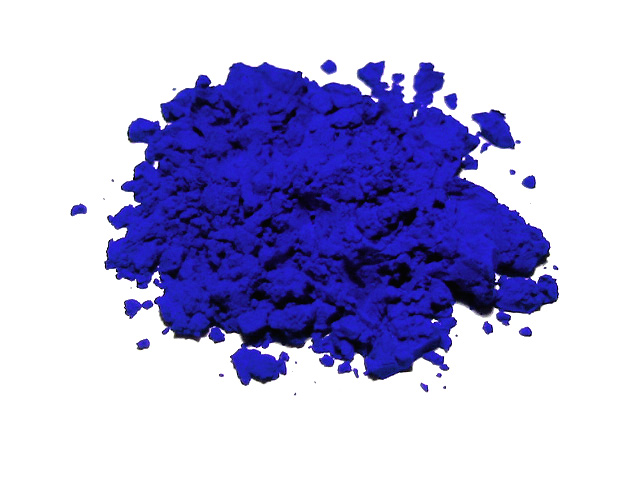
Ultramarine is a rich blue pigment that was originally separated from the mineral lapis lazuli. Its intense colour and laborious extraction made it highly sought after and costly, especially in European painting. The name reflects its journey by sea from mines in Afghanistan to Europe. Today, most ultramarine is produced synthetically.
Share on WhatsAppOpen in the lab
- Once made by extracting blue from lapis lazuli stone
- Traded to Europe from Afghanistan via Venice
- Used for the Virgin Mary's robes in Renaissance art
- Synthetic ultramarine has been made since 1826
- Natural ultramarine was as valuable as gold
What colour is Ultramarine?
Ultramarine is a strong blue pigment, deeper than most other blues. The finest examples show a uniform, vivid blue, while lower grades can appear paler or more ashy. Its colour stands out for its intensity and clarity, which made it the most desirable blue for artists before modern times. The pigment is known for its stability in light and with most painting materials, though it can be damaged by acids.
Where does Ultramarine come from?
The pigment’s name reflects its route to Europe, as it was brought from distant mines in Afghanistan by traders. The blue mineral lazurite, found in lapis lazuli, is its source. Early uses of lapis lazuli as a pigment are seen in Buddhist and Zoroastrian cave paintings in Afghanistan, and later in illuminated manuscripts and murals across Asia and Europe. The process for extracting pure ultramarine was first described in the 13th century and became well known in Italy during the Renaissance.
How is Ultramarine made?
To obtain natural ultramarine, lapis lazuli was ground and mixed with wax, resins, and oils, then kneaded in a solution made from wood ash and water. The blue particles would settle, separating from colourless material. This process was repeated to get different grades of pigment. In the 19th century, a synthetic version was developed using clay, sodium compounds, sulfur, and charcoal, heated in a kiln. The synthetic pigment is more uniform and brighter than the natural form.



Where Ultramarine is used
Ultramarine was used in painting, textiles, architecture, and ceramics. In European art, it was reserved for important subjects, especially the robes of the Virgin Mary, to signal purity and high status. Its brilliance also made it popular in illuminated manuscripts and panel paintings. Because of its cost, artists sometimes mixed it with white or used cheaper blues underneath.
What Ultramarine means
In Christian Europe, ultramarine was chosen for the Virgin Mary’s clothing in paintings, where it came to represent purity and holiness. Its high price also linked it with wealth and devotion, since patrons would spend greatly to include it in religious art. These meanings are specific to European Christian tradition.
Blue around the world
What the blue family means from country to country.
Lapis lazuli has been mined in the mountains of Badakhshan for more than six thousand years. Ground to powder it gave ultramarine, the costliest blue in European painting.
Royalty and powerSacred and holyAweSource: Lapis lazuliThe chadari is a full-length covering for women with a mesh panel over the eyes. In Kabul and the north it is most often a light blue.
Protection and healingSource: BurqaAncient craftsmen made Egyptian blue, one of the first synthetic pigments, and blue-glazed faience for amulets. Blue stood for the sky and the Nile.
Sacred and holyProtection and healingAweSource: Egyptian blueMany households hang a blue glass bead with an eye on it by the door or in the car to keep off the evil eye, known as hasad. Blue eye beads were already made in ancient Egypt.
Protection and healingSource: Nazar (amulet)National sports teams play in blue and are called the Azzurri. Blue was the colour of the House of Savoy, which ruled Italy until 1946, and does not appear on the flag.
Royalty and powerFestival and celebrationPrideSource: National colours of ItalyThe blue band of the flag stands for the wish of the Armenian people to live under peaceful skies. The red above it is for the highlands and the struggle to survive.
Politics and protestHopeSource: Flag of ArmeniaShades and relatives of Ultramarine
There are several related shades, including electric ultramarine, which sits between blue and violet, and International Klein Blue, a modern deep blue. Lower quality ultramarine is paler, while synthetic versions can be more vivid. The pigment is sometimes confused with indigo or other blue minerals, but its intensity and clarity set it apart.
Colours that go with Ultramarine
Harmonies are worked out from the value #120A8F. Contrast ratios follow the WCAG 2 formula.
Questions people ask about Ultramarine
What colour is ultramarine?
Ultramarine is a deep, vivid blue. The best samples are a strong, uniform blue, while lower grades can be lighter or more muted.
Where does the name ultramarine come from?
The name refers to the pigment’s journey across the sea to Europe, brought by traders from mines in Afghanistan.
How was ultramarine originally made?
It was separated from lapis lazuli by grinding the stone, mixing it with wax and resins, and washing it in a lye solution to collect the blue mineral particles.
Why was ultramarine so expensive?
The complex extraction process and the long journey from Afghanistan made it rare and costly, sometimes worth as much as gold.
What is ultramarine used for?
It has been used in painting, especially for important religious figures, as well as in textiles, architecture, and ceramics.
Good reading and sources
- Ultramarine on WikipediaEncyclopedia
- More pictures on Wikimedia CommonsPictures
- Wikidata recordOpen data
The facts on this page come from the Wikipedia article "Ultramarine", written by its contributors and used under the CC BY-SA 4.0 licence, and from its Wikidata record (CC0). Rang rewrote the text in its own words, with AI assistance, and compares every page with the article to make sure no passage is copied. It may be reused under the same CC BY-SA 4.0 licence with a link back.
It may contain mistakes. The swatch is an approximation: named colours are not fixed standards, and every screen shows them a little differently. If something is wrong, tell us. Last refreshed 2026-10-03.
More of the blue family
All of blue
Blue
Lapis lazuli
A deep blue stone prized for jewellery and the source of ultramarine pigmentColour named from nature · 🇦🇫 Afghanistan +5
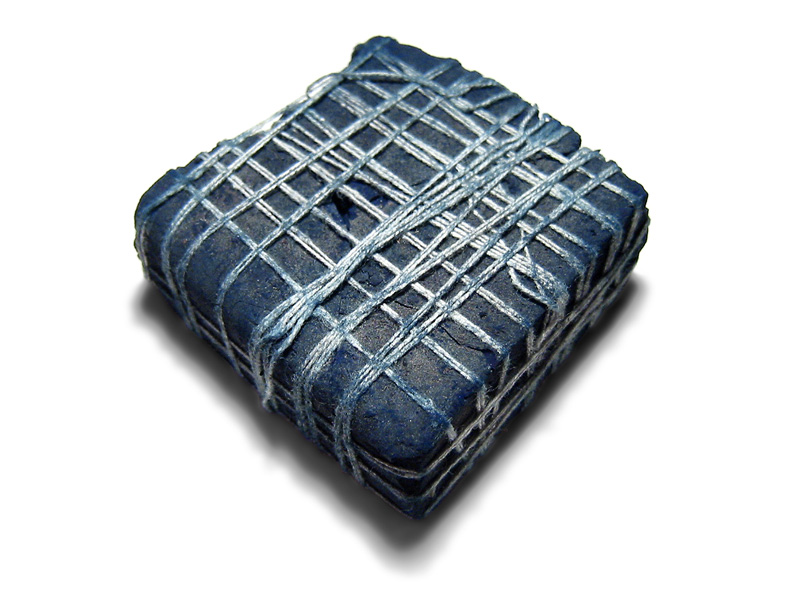
#6A5DFF
Indigo
A deep blue named for the dye once exported from IndiaNamed shade · 🇮🇳 India +5

Blue
Azurite
A deep blue copper mineral once prized as a pigment and gemstonePigment · 🇫🇷 France +5

Blue
Woad
A blue dye once vital to Europe's textile trade, made from the leaves of a flowering plantDye · 🇫🇷 France +3
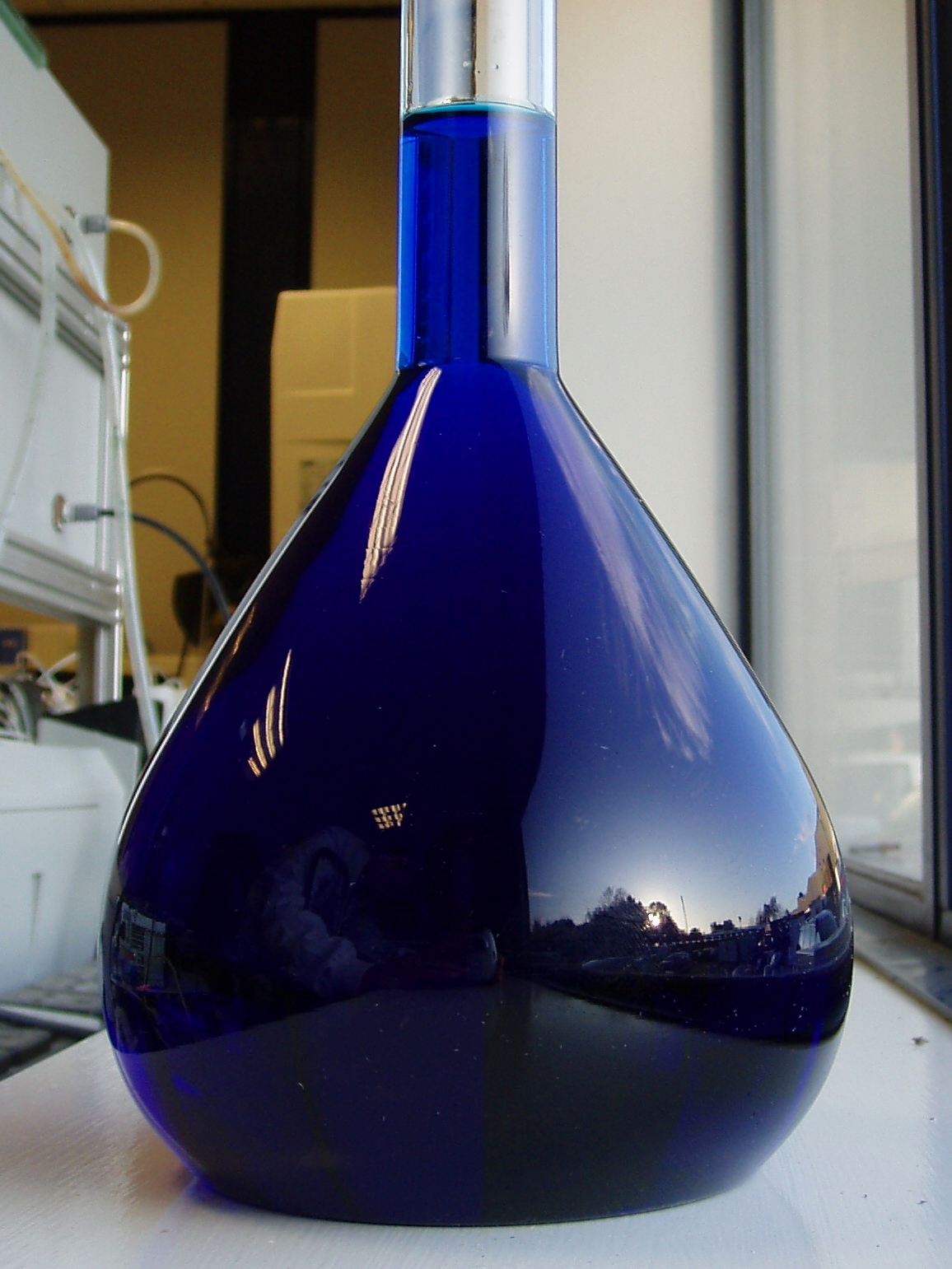
Blue
Methylene blue
A synthetic blue dye and medicine first made in 1876Dye
Blue
Indigo
A deep blue dye from plants, now mostly made synthetically and known for colouring denimDye · 🇮🇳 India +5

#003153
Prussian blue
A deep blue pigment first made in Berlin in the early 1700sPigment · 🇯🇵 Japan

#007FFF
Azure
A clear sky blue, halfway between blue and cyan on the colour wheelNamed shade · 🇮🇹 Italy +2
More colours tied to Afghanistan
The colours of Afghanistan
#1C39BB
Persian blue
A vivid blue inspired by Persian tiles and lapis lazuliNamed shade · 🇮🇷 Iran +1

Blue
Lazurite
A deep blue mineral that gives lapis lazuli its colourColour named from nature · 🇦🇫 Afghanistan +2

Blue
Blue
A colour long prized in art, faith and dress, from ancient Egypt to modern flagsBasic colour · 🇪🇬 Egypt +5
#00488B
Marian blue
A deep blue shade linked with images of the Virgin Mary in Christian artNamed shade · 🇦🇫 Afghanistan