🇮🇹 The colours of Italy
7 meanings recorded, 39 colours tied to the country and 5 colour cities.
Italy’s national colours are green, white and red, known as il Tricolore. These colours first appeared together in the late 18th century and became a symbol of Italian unity and self-determination. Blue, called Savoy azure, is also widely used in sports, reflecting the legacy of the House of Savoy.
Where no official value is given, the swatch shows the colour family, not the exact shade.
- Italy’s flag colours first appeared together in 1789 on a cockade in Genoa.
- The flag’s green stripe was chosen for its link to nature and natural rights.
- Savoy azure blue is worn by Italian sports teams, reflecting royal history.
- Rosso corsa is Italy’s traditional racing car colour.
- The Italian tricolour became the national flag in 1797.
The colours of the flag of Italy
The Italian flag features three vertical stripes of green, white and red, with green at the hoist side. This tricolour design was first used as a military banner in 1796 and officially adopted as a national flag in 1797 by the Cispadane Republic. The green stripe was chosen by Italian revolutionaries to symbolise nature and, for some, natural rights and social equality. The flag’s colours became a strong symbol of Italian unity during the Risorgimento, the movement for national unification. While the green has a specific association, the sources do not give official meanings for the white and red stripes.
National colours of Italy
Beyond the flag, Italy’s national colours appear in several contexts. Savoy azure, a deep blue, is worn by Italian national sports teams and comes from the House of Savoy, which ruled Italy from 1861 to 1946. This blue has remained a national sporting colour even after Italy became a republic. In auto racing, Italy is represented by rosso corsa, a particular red, while white is often used in other sports like cycling and winter disciplines.
How the colours were chosen of Italy
Green, white and red first appeared together in Italy in 1789 on a cockade in Genoa, inspired by the French Revolution’s tricolour. Italian revolutionaries kept green instead of the French blue, linking it to nature and ideals of equality. The first military use was in Milan in 1796, and the flag became official in 1797. The tricolour gained popularity through the 19th century, especially during the Risorgimento, and became the flag of the Kingdom of Italy in 1861. Blue entered as a national colour through the House of Savoy and has been used in sports since 1910.
Official shades and rules of Italy
The Italian flag is defined by law as three equally sized vertical stripes of green, white and red, with green at the hoist. Its use and display are regulated by Italian law, which also protects the flag from insult and prescribes its teaching in schools. There is no official specification for the exact shades of the colours in the sources provided.
The facts in this overview come from the Wikipedia article "National colours of Italy", written by its contributors and used under the CC BY-SA 4.0 licence, together with "Flag of Italy". Rang rewrote the text in its own words, with AI assistance, and compares every page with the article to make sure no passage is copied. It may be reused under the same CC BY-SA 4.0 licence with a link back.
What colours mean in Italy
Customs vary by region, faith and family; these are the meanings most often recorded.
It is a custom to wear new red underwear on New Year's Eve for luck and love in the coming year. Shop windows fill with it in December.
Luck and prosperityLove and desireSource: New Year's EveRosso corsa, racing red, was the colour given to Italian cars in early international motor racing. Ferrari kept it, and it is now the colour people expect of the brand.
Festival and celebrationPrideEnergySource: Rosso corsaA crime novel or thriller is called a giallo, a yellow. The name comes from the yellow covers of a series of mysteries that Mondadori began publishing in 1929.
Danger and warningFearSource: GialloThe flag is green, white and red. A common reading gives green to the plains and hills, white to the snow of the Alps and red to the blood of the wars of unification.
Politics and protestHopeSource: Flag of ItalyNational sports teams play in blue and are called the Azzurri. Blue was the colour of the House of Savoy, which ruled Italy until 1946, and does not appear on the flag.
Royalty and powerFestival and celebrationPrideSource: National colours of ItalyThe leader of the Giro d'Italia cycle race wears the maglia rosa, the pink jersey. It matches the pink paper of La Gazzetta dello Sport, which founded the race.
Festival and celebrationPrideSource: General classification in the Giro d'ItaliaThe Blackshirts were the armed squads of Mussolini's Fascist movement. Black shirts were later copied by fascist groups in other countries.
Politics and protestDanger and warningFearSource: BlackshirtsColour and feeling in Italy
Romantic fiction is called the 'pink novel', novela rosa in Spanish and romanzo rosa in Italian.
Great fear is blue in French and Italian: 'une peur bleue', a blue fear, and 'fifa blu', a blue funk.
Green is the colour of hope in set phrases: verde esperanza, verde speranza, Grün ist die Hoffnung.
In Dante's Divine Comedy, Beatrice appears in a white veil, green cloak and red dress: the colours of faith, hope and charity.
Rosso corsa, racing red, was Italy's national motor racing colour and remains the signature of Italian sports cars.
Tyrian purple, made from sea snails at Tyre in today's Lebanon, was so costly that Rome reserved the richest purple robes for the emperor.
Renaissance painters kept ultramarine, ground from Afghan lapis lazuli and as costly as gold, for the robe of the Virgin Mary.
Colour cities of Italy
 🇮🇹 The island of painted housesBuranoA fishing island in the Venetian lagoon where each small house is a different strong colour.
 🇮🇹 Pastel harbour of the Bay of NaplesProcidaA small island where fishermen's houses in sun-faded pink, yellow and blue are stacked above the harbour.
 🇮🇹 Five pastel villages on a cliff coastCinque TerreTall houses in ochre, pink and yellow crowd tiny harbours below terraced vineyards on the Italian Riviera.
 🇮🇹 La Rossa, the red oneBolognaA city of red brick towers, terracotta roofs and miles of arcades in red, orange and ochre.
 🇮🇹 The city that named a colourSienaA Tuscan hill city of warm brown brick, and the source of the earth pigment called sienna.
Colours tied to Italy

Blue
Lapis lazuli
A deep blue stone prized for jewellery and the source of ultramarine pigmentColour named from nature · 🇦🇫 Afghanistan +5

#FF00FF
Magenta
A purplish-pink colour named after a battle and key to modern printingNamed shade · 🇫🇷 France +4

Blue
Woad
A blue dye once vital to Europe's textile trade, made from the leaves of a flowering plantDye · 🇫🇷 France +3
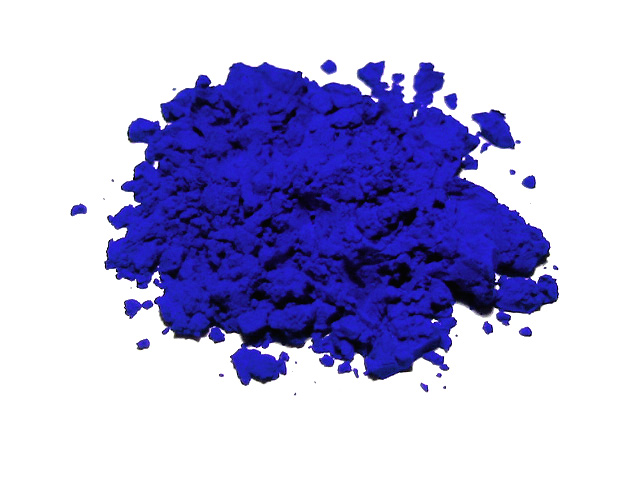
#120A8F
Ultramarine
A deep blue pigment once made from lapis lazuli, prized for centuries in artPigment · 🇦🇫 Afghanistan +2

#007FFF
Azure
A clear sky blue, halfway between blue and cyan on the colour wheelNamed shade · 🇮🇹 Italy +2

#E25822
Scarlet
A bright red with a touch of orange, long tied to power, sacrifice and sinNamed shade · 🇹🇷 Turkey +4

#87CEEB
Sky blue
A light blue named for the colour of a clear daytime skyNamed shade · 🇦🇷 Argentina +5

Purple and violet
Tyrian purple
A reddish-purple dye once worth its weight in silver, made from sea snailsDye · 🇱🇧 Lebanon +4
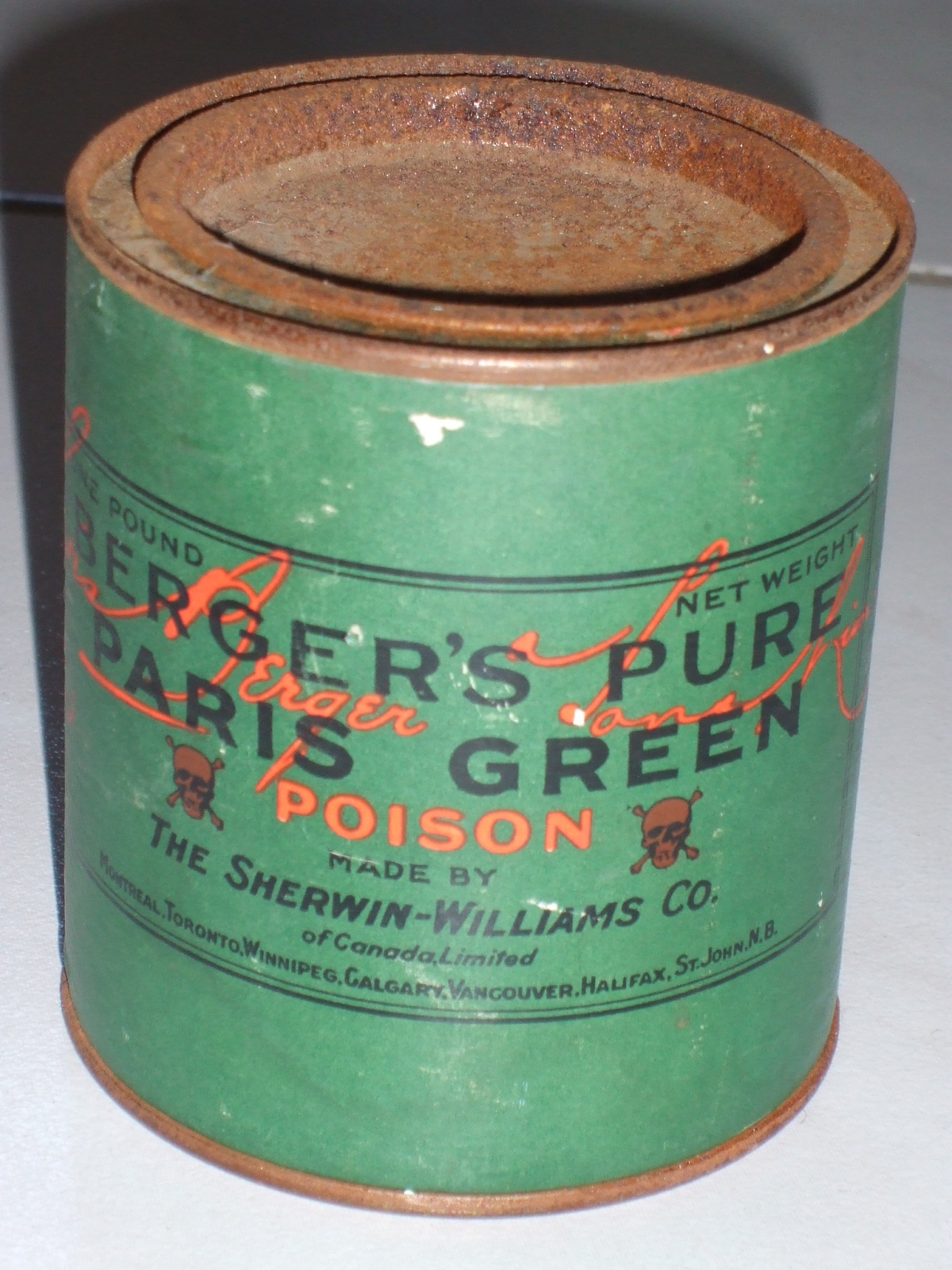
#50C878
Paris Green
A toxic emerald-green pigment once prized in art and used as an early insecticidePigment · 🇩🇪 Germany +4

#1034A6
Egyptian blue
A vivid blue pigment first made in ancient Egypt from copper, lime, and sandPigment · 🇪🇬 Egypt +5

Brown
Catechu
A brown plant extract used as a dye, tannin, and preservativeColour named from nature · 🇯🇵 Japan +2

#FADA5E
Naples yellow
A historic synthetic yellow pigment once prized by painters and pottersPigment · 🇪🇬 Egypt +1

Red
Kermes
A deep red dye made from Mediterranean scale insects, once prized for scarlet clothDye · 🇪🇬 Egypt +5
#E32636
Rose madder
A traditional red pigment made from the roots of the madder plantPigment · 🇪🇬 Egypt +5

#D40000
Rosso corsa
The deep red that marks Italian racing cars and teamsNational or team colour · 🇮🇹 Italy

#4B61D1
Savoy blueblu Savoia
A bright blue between peacock blue and periwinkle, a symbol of Italy since the Middle AgesNamed shade · 🇮🇹 Italy

#86A1A9
Tourmalineටෝරමල්ලි
A mineral group prized for its rainbow of gemstone coloursColour named from nature · 🇱🇰 Sri Lanka +5

#FF9361
Blond hair
A human hair colour ranging from pale yellow to golden or reddish tonesColour named from nature · 🇫🇷 France +4

Red
Red hair
A rare human hair colour ranging from deep burgundy to strawberry blondNamed shade · 🇮🇪 Ireland +3

Red
Blood rain
Rain that appears red, often caused by dust or microalgae in the waterColour named from nature · 🇮🇹 Italy +5
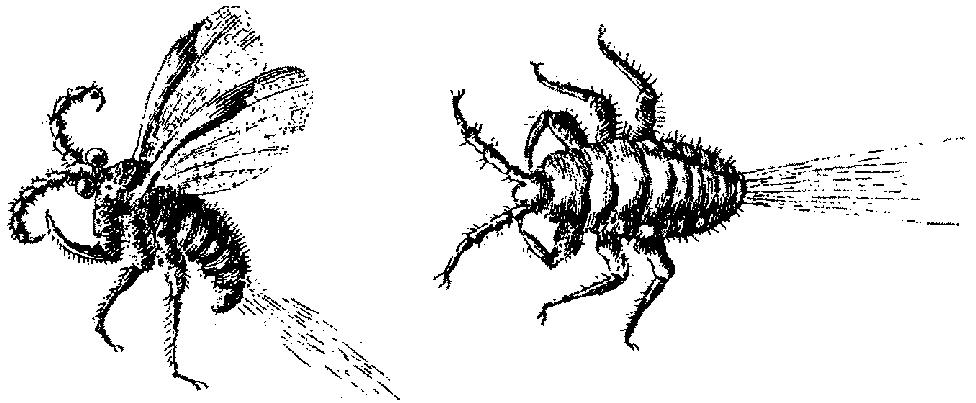
Red
Polish cochinealczerwiec polski
A crimson dye once vital to Poland, made from a native scale insectDye · 🇵🇱 Poland +5

Black
Cephalopod ink
A dark liquid from sea creatures, once used in pens and now in Mediterranean and Japanese foodColour named from nature · 🇯🇵 Japan +2

#CB410B
Sinopia
A reddish-brown earth pigment once prized for fresco underdrawingsPigment · 🇮🇹 Italy

#4D5D53
Feldgrau
A green-grey shade long used for military uniforms in Germany and beyondNamed shade · 🇩🇪 Germany +5
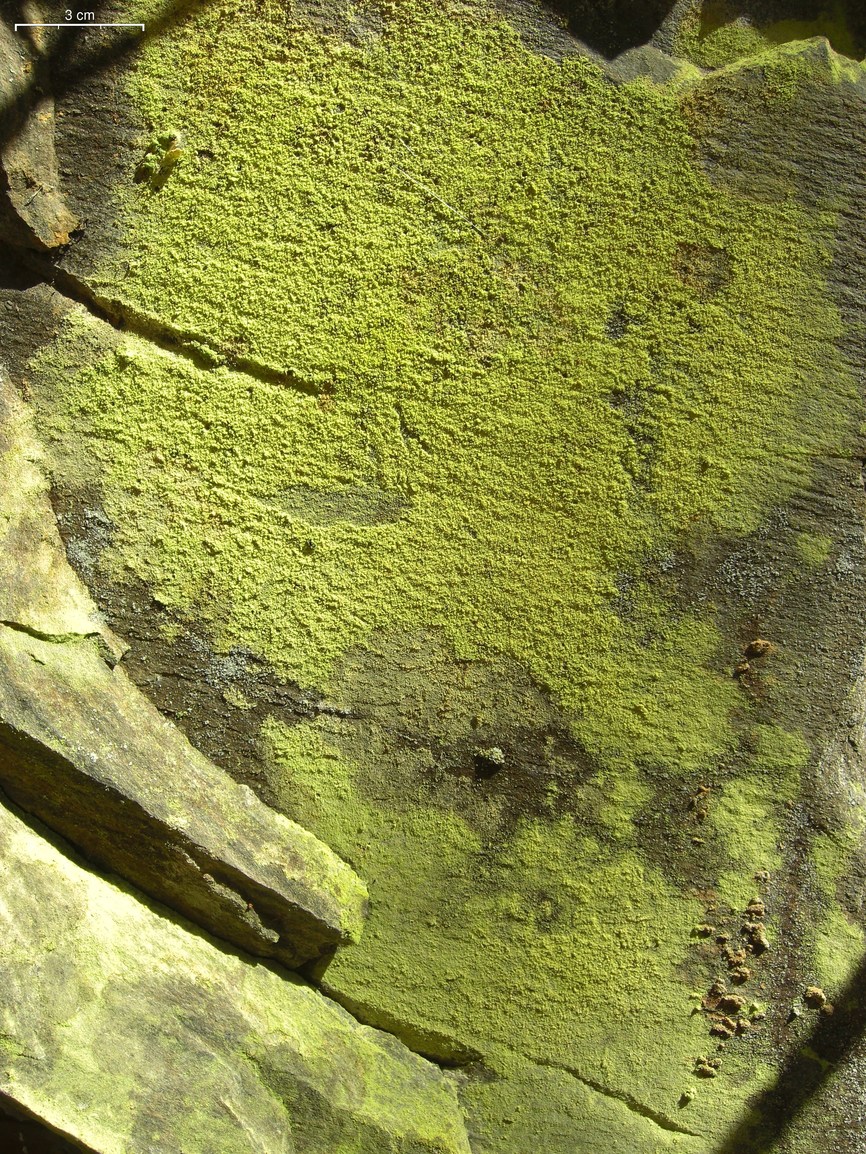
Yellow
Chrysothrix chlorina
A yellow to yellow-green powdery lichen used as a dye in India and SwedenColour named from nature · 🇸🇪 Sweden +5

Purple and violet
Orcein
A reddish dye made from lichens, changing colour with acidityDye · 🇳🇴 Norway +4

#DADD98
Green earth
A natural green pigment from celadonite and glauconite, used since ancient RomePigment · 🇮🇹 Italy +3

White
Venetian ceruse
A white lead-based cosmetic once prized for skin whitening in Renaissance EuropePigment · 🇮🇹 Italy +2
#FADA5E
Stil de grain yellow
A yellow pigment made from buckthorn berries, once known as 'pink' or 'sap green'Pigment · 🇫🇷 France +2

#4C5866
Marengo
A dark grey or blue-grey shade, once a speckled fabric from northern ItalyNamed shade · 🇮🇹 Italy +2

Yellow
Lead-tin yellow
A strong yellow pigment once favoured by Renaissance and Baroque paintersPigment · 🇮🇹 Italy
Yellow
Pigment Yellow 74
A yellow-green azo pigment used in inks, paints, and tattoo coloursPigment · 🇮🇹 Italy

#00BFFF
Capri
A strong blue-green named for the sea and grotto near Capri, ItalyNamed shade · 🇮🇹 Italy

Blue
Azurite
A blue pigment ground from copper-rich mineral, common in medieval and Renaissance artPigment · 🇪🇬 Egypt +2

Blue
Blue
A colour long prized in art, faith and dress, from ancient Egypt to modern flagsBasic colour · 🇪🇬 Egypt +5

Yellow
Saffronزعفران
A golden-yellow colour from the dried stigmas of the saffron crocus flowerColour named from nature · 🇮🇷 Iran +5

Brown
Crotal dye
A traditional dye from a common lichen, giving deep red-brown and rusty-orange shadesDye · 🇮🇹 Italy

Yellow
Zafferano dell'Aquila
A prized saffron grown on the Navelli plateau in Abruzzo, ItalyColour named from nature · 🇮🇹 Italy
#CA1F7B
Magenta (dye)
A deep pink-purple dye first made from coal tar in 1859Named shade · 🇮🇹 Italy
Photo credits on this page
The small pictures above come from Wikimedia Commons under free licences. Some are cropped to fit.
- Azure: Marco Almbauer, CC BY-SA 3.0, source
- Magenta: Basile Morin, CC BY-SA 4.0, source
- Paris Green: Chris goulet at English Wikipedia, CC BY-SA 3.0, source
- Rosso corsa: Matthew Lamb, CC BY-SA 2.0, source
- Sinopia: Joanbanjo, CC BY-SA 3.0, source
- Blond hair: Titus Tscharntke, Public domain, source
- Tourmaline: Aurelienreys, CC BY-SA 3.0, source
- Tyrian purple: Photograph: U.Name.Me Derivative work: TeKaBe, CC BY-SA 4.0, source
- Orcein: W.carter, CC0, source
- Chrysothrix chlorina: Jason Hollinger, CC BY 2.0, source
- Woad: Unknown author, CC BY-SA 3.0, source
- Catechu: Maša Sinreih in Valentina Vivod, CC BY-SA 3.0, source
- Blood rain: Hans Glaser (Druck), Public domain, source
- Savoy blue: El Gráfico, Public domain, source
- Venetian ceruse: George Vertue, Public domain, source
- Kermes: MyName ( Gryffindor ) stitched by Marku1988 This panoramic image was c, Public domain, source
- Polish cochineal: Unknown author, Public domain, source
- Cephalopod ink: Ralf Roletschek, GFDL 1.2, source
- Red hair: Sunny Ripert, CC BY-SA 2.0, source
- Azurite: Ivar Leidus, CC BY-SA 4.0, source
- Marengo: Horace Vernet, Public domain, source
- Lead-tin yellow: Rembrandt, Public domain, source
- Ultramarine: Unknown author, Public domain, source
- Lapis lazuli: Adam Ognisty, CC BY-SA 3.0, source
- Sky blue: Gabriela Ruellan, CC0, source
- Blue: Marie-Lan Nguyen, Public domain, source
- Scarlet: Daderot, Public domain, source
- Naples yellow: Matthias Stom, Public domain, source
- Capri: Tanlingyin, CC BY-SA 3.0, source
- Feldgrau: Unknown, CC BY-SA 3.0 de, source
- Green earth: Marco Almbauer, CC BY-SA 3.0, source
- Egyptian blue: Bairuilong, CC BY-SA 4.0, source
- Saffron: Hubertl, CC BY-SA 4.0, source
- Crotal dye: Przykuta, CC BY-SA 3.0, source
- Zafferano dell'Aquila: Giancarlo Vetrone, CC BY-SA 2.0, source
- Burano It: Kasa Fue, CC BY-SA 4.0, source
- Procida It: Jamiethearcher at English Wikipedia, Public domain, source
- Cinque Terre It: This Photo was taken by Timothy A. Gonsalves . Feel free to use my pho, CC BY-SA 4.0, source
- Bologna It: Ввласенко, CC BY-SA 3.0, source
- Siena It: Massimo Catarinella, CC BY-SA 3.0, source