Tourmaline
In its own language: ටෝරමල්ලි
A mineral group prized for its rainbow of gemstone colours

Tourmaline is a group of crystalline silicate minerals that can appear in nearly every colour, from black to colourless, brown, red, orange, yellow, green, blue, violet, and pink. Its name comes from the Sinhalese word for carnelian gemstones. Tourmaline is known for its use in jewellery, its unique crystal structure, and its ability to become electrically charged when heated or rubbed.
Share on WhatsAppOpen in the lab
- Tourmaline can be found in nearly every colour
- Its name comes from a Sinhalese word for carnelian
- Some crystals show two or three colours at once
- Tourmaline can become electrically charged when heated
- Black tourmaline (schorl) is the most common type
What colour is Tourmaline?
Tourmaline is a group of minerals that form crystals in a wide range of colours, from black and brown to pink, green, blue, and even colourless. Some crystals show more than one colour at once, such as green on the outside and pink inside, known as watermelon tourmaline. Its crystals are usually long and prismatic, often with three-sided cross-sections and heavy vertical striations. Tourmaline stands out for its diversity of colours and its ability to become electrically charged when heated or rubbed.
Where does Tourmaline come from?
The word 'tourmaline' comes from the Sinhalese 'toramalli', a term once used for carnelian gemstones from Sri Lanka. Brightly coloured tourmalines from Ceylon (now Sri Lanka) were brought to Europe by the Dutch East India Company. The mineral group includes several species, such as schorl (black), dravite (brown), and elbaite (multicoloured), each named after places where they were first studied or found.
How is Tourmaline made?
Tourmaline forms naturally in granite, pegmatite, schist, and marble. Its chemical makeup is complex, with boron bonded to elements like aluminium, iron, magnesium, sodium, lithium, or potassium. The crystal structure is based on six-membered rings of silica, with various metal ions and borate groups. The wide range of colours comes from different elements and natural irradiation during formation.


Where Tourmaline is used
Tourmaline is mainly used as a gemstone in jewellery, valued for its range of colours and clarity. Some varieties are cut and polished for display or collection. Historically, chemists used tourmaline to polarise light. In some cultures, it has been used as a curiosity for its ability to attract and repel hot ashes due to its pyroelectric properties.
Blue around the world
What the blue family means from country to country.
Light blue and white are the colours of Iemanja, the sea goddess of Candomble and Umbanda. On 2 February in Salvador her followers send flowers and gifts out to sea.
Sacred and holyCalmSource: YemọjaNational sports teams play in blue and are called the Azzurri. Blue was the colour of the House of Savoy, which ruled Italy until 1946, and does not appear on the flag.
Royalty and powerFestival and celebrationPrideSource: National colours of ItalyBlue is the colour of the Sri Lanka Freedom Party, founded by S. W. R. D. Bandaranaike. The national cricket team also plays in dark blue with yellow.
Politics and protestSource: Sri Lanka Freedom PartyAdire is the indigo-dyed cloth of the Yoruba, made by women in Abeokuta and Ibadan. Patterns are tied, stitched or painted with cassava paste before the cloth goes into the dye.
Protection and healingSource: Adire (textile art)The flag's colours have no official meaning. For the Great Seal of 1782, though, blue was said to stand for vigilance, perseverance and justice, white for purity and red for hardiness and valour.
Politics and protestTrustSource: Flag of the United StatesLapis lazuli has been mined in the mountains of Badakhshan for more than six thousand years. Ground to powder it gave ultramarine, the costliest blue in European painting.
Royalty and powerSacred and holyAweSource: Lapis lazuliShades and relatives of Tourmaline
Tourmaline includes several species and varieties, such as black schorl, brown dravite, and lithium-rich elbaite, which can be red (rubellite), blue (indicolite), green (verdelite), or colourless (achroite). Crystals can be bi-coloured or tri-coloured, and some change colour when viewed from different angles. Watermelon tourmaline, with green and pink zones, is especially sought after.
Colours that go with Tourmaline
Harmonies are worked out from the value #86A1A9. Contrast ratios follow the WCAG 2 formula.
Questions people ask about Tourmaline
What colour is tourmaline?
Tourmaline can be black, brown, red, orange, yellow, green, blue, violet, pink, or colourless. Some crystals have more than one colour at once.
Where does the name tourmaline come from?
The name comes from the Sinhalese word 'toramalli', which referred to carnelian gemstones from Sri Lanka.
What makes tourmaline unique among minerals?
Tourmaline is known for its wide range of colours and its ability to become electrically charged when heated or rubbed, a property called pyroelectricity.
Where is tourmaline found?
Tourmaline is mined in many countries, including Sri Lanka, Brazil, Mozambique, the United States, Italy, and Nigeria.
What are the main types of tourmaline?
The main types are schorl (black), dravite (brown), and elbaite (which can be red, blue, green, or colourless).
Good reading and sources
- Tourmaline on WikipediaEncyclopedia
- More pictures on Wikimedia CommonsPictures
- Wikidata recordOpen data
The facts on this page come from the Wikipedia article "Tourmaline", written by its contributors and used under the CC BY-SA 4.0 licence, and from its Wikidata record (CC0). Rang rewrote the text in its own words, with AI assistance, and compares every page with the article to make sure no passage is copied. It may be reused under the same CC BY-SA 4.0 licence with a link back.
It may contain mistakes. The swatch is an approximation: named colours are not fixed standards, and every screen shows them a little differently. If something is wrong, tell us. Last refreshed 2026-10-03.
More of the blue family
All of blue
Blue
Lapis lazuli
A deep blue stone prized for jewellery and the source of ultramarine pigmentColour named from nature · 🇦🇫 Afghanistan +5
#6A5DFF
Indigo
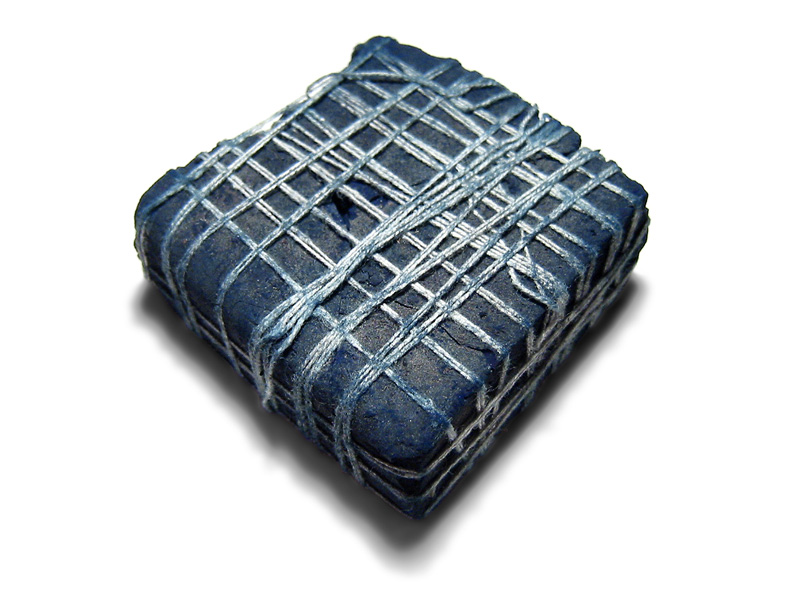
A deep blue named for the dye once exported from IndiaNamed shade · 🇮🇳 India +5

Blue
Azurite
A deep blue copper mineral once prized as a pigment and gemstonePigment · 🇫🇷 France +5

Blue
Woad
A blue dye once vital to Europe's textile trade, made from the leaves of a flowering plantDye · 🇫🇷 France +3
Blue
Indigo
A deep blue dye from plants, now mostly made synthetically and known for colouring denimDye · 🇮🇳 India +5
Blue
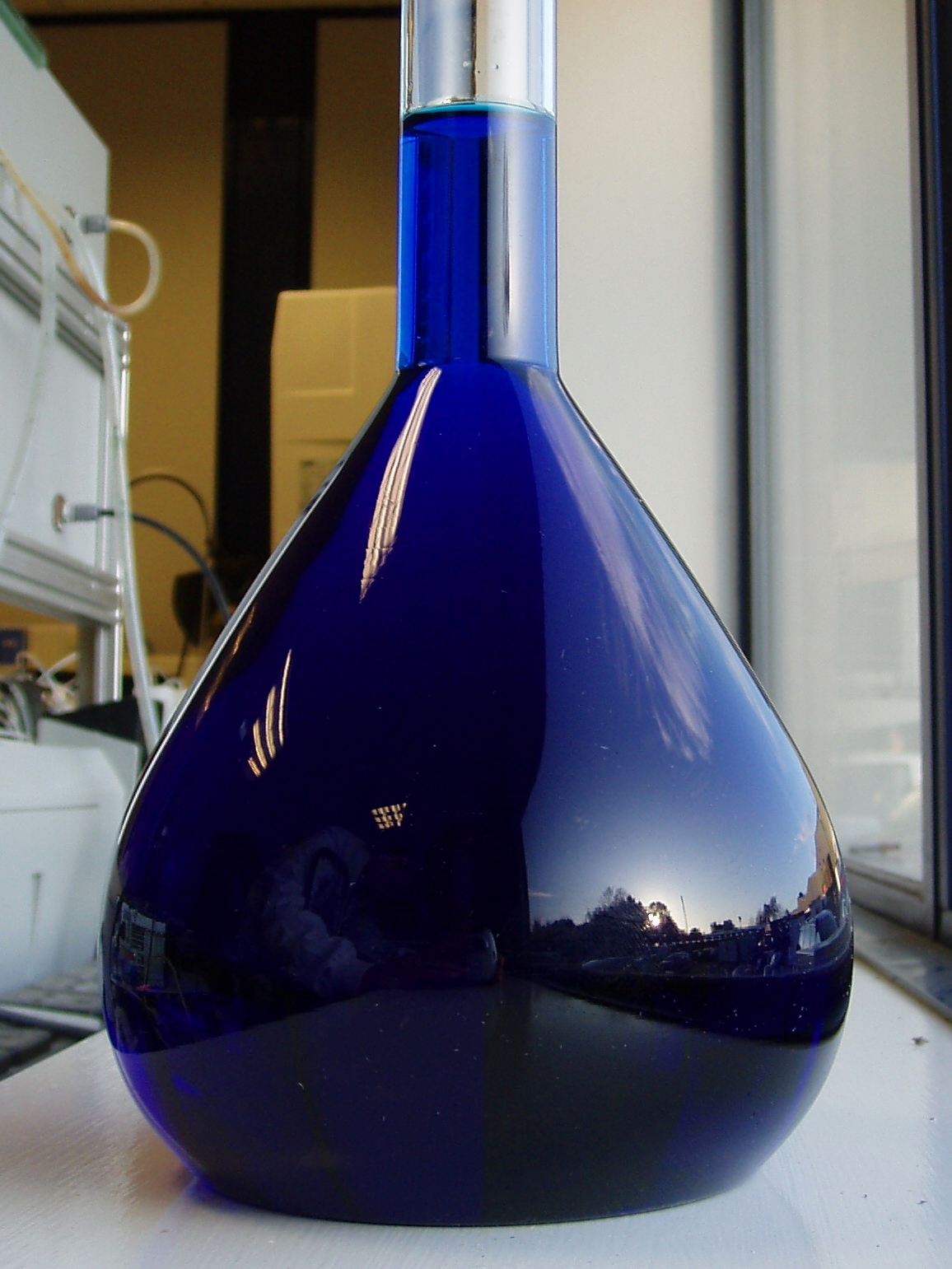
Methylene blue
A synthetic blue dye and medicine first made in 1876Dye
#120A8F
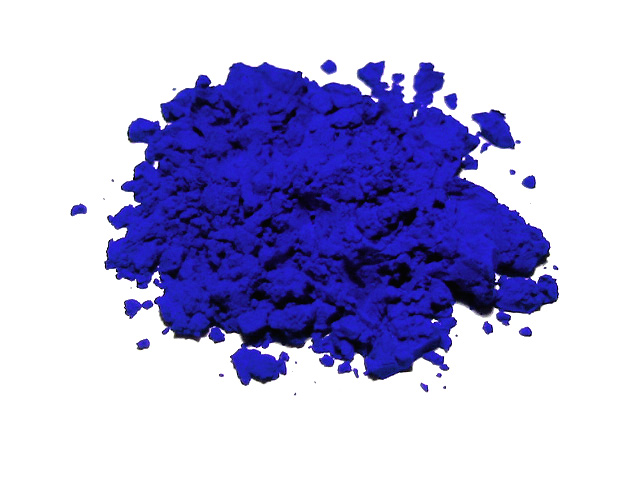
Ultramarine
A deep blue pigment once made from lapis lazuli, prized for centuries in artPigment · 🇦🇫 Afghanistan +2

#003153
Prussian blue
A deep blue pigment first made in Berlin in the early 1700sPigment · 🇯🇵 Japan
More colours tied to Sri Lanka
The colours of Sri Lanka
Black
Kohlكُحْل
A dark eye cosmetic made from minerals like galena and stibniteTraditional colour · 🇪🇬 Egypt +5

#800000
Maroon
A deep brownish red named for the French word for chestnutNamed shade · 🇦🇺 Australia +4

#E49B0F
Gamboge
A strong yellow pigment tapped from Southeast Asian treesPigment · 🇰🇭 Cambodia +5
Red
Brazilin
A red dye from brazilwood and sappanwood, used in textiles and paints since the Middle AgesDye · 🇧🇷 Brazil +4