Kohl
In its own language: كُحْل
A dark eye cosmetic made from minerals like galena and stibnite
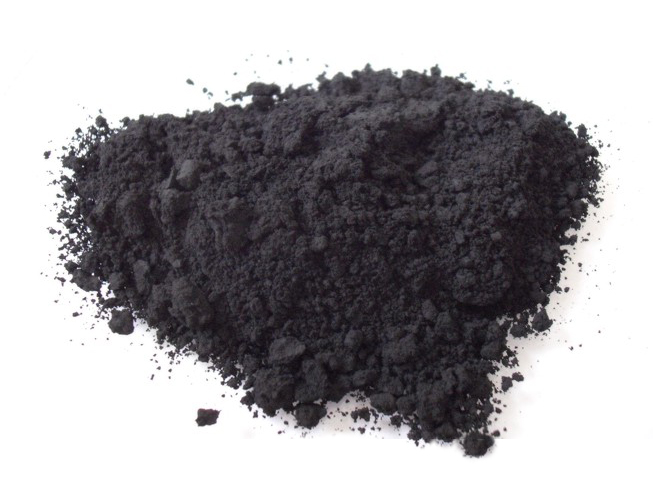
No single value: Kohl is a material, and its colour varies. The background shows its family, black.

Kohl is a dark powder used around the eyes, made from minerals such as galena (lead sulfide) or stibnite (antimony sulfide), and sometimes from soot or charcoal. It has been worn for thousands of years in North Africa, the Middle East, South Asia, and the Horn of Africa for both beauty and protection, but some traditional recipes contain lead and can be hazardous.
- Kohl has been used since at least 3100 BCE in Egypt and Nubia.
- Traditional kohl is made from minerals like galena (lead sulfide) and stibnite.
- Some kohl contains lead and is banned in the United States.
- Kohl is believed to protect against the evil eye in many cultures.
- It is worn for beauty, health, and ritual in Africa, the Middle East, and South Asia.
What colour is Kohl?
Kohl is a dark powder or paste used to outline the eyes, similar to modern eyeliner. Its colour ranges from deep black to bluish-black, depending on the minerals used. It stands apart from other eye cosmetics because of its long history and the use of minerals like galena (lead sulfide) and stibnite (antimony sulfide), as well as plant-based soot. Kohl is not just for beauty; it has been used for health and ritual purposes in many cultures.
Where does Kohl come from?
The word 'kohl' comes from Arabic 'kuḥl', and its use dates back to ancient Egypt and Nubia, with evidence from as early as 3100 BCE. Both Egypt and Sudan have archaeological finds of kohl containers and tools. Its use spread across North Africa, the Middle East, South Asia, and the Horn of Africa. Kohl was believed to protect the eyes from sun and disease, and also to ward off evil. The tradition of applying kohl has continued for thousands of years, adapting to local customs and materials.
How is Kohl made?
Traditional kohl is made by grinding minerals such as galena or stibnite into a fine powder. In some regions, soot from burning oil or ghee is mixed with plant oils to make a paste. Other ingredients like charcoal, frankincense, cinnamon bark, and malachite have also been used. Some recipes include cupric sulfate or other minerals. Modern commercial versions may use carbon or other safe pigments, but traditional kohl can contain high levels of lead, which is hazardous.


Where Kohl is used
Kohl is applied to the eyelids and around the eyes, often with a stick or fingertip. It is worn by men, women, and children in Egypt, Sudan, India, Pakistan, Yemen, and the Horn of Africa, among others. Kohl is used for daily wear, special occasions, weddings, and religious festivals. In some cultures, it is also drawn on the face to indicate marital status or for ritual protection. Dancers in India use it to highlight eye movements in classical performances.
What Kohl means
In many cultures, kohl is believed to protect against the evil eye and to strengthen or cleanse the eyes. In Egypt and India, it has been used for both beauty and health, and sometimes as a sacred or protective substance. Among Muslims and Hindus, kohl may be applied to children to ward off bad luck. In North and West Africa, it is also part of celebration and wedding customs.
Black around the world
What the black family means from country to country.
The old name of the country, Kemet, means the black land, after the dark silt left by the Nile flood. To the ancient Egyptians black was the colour of fertile soil and new life.
Nature and renewalHopeSource: BlackA dot of black kajal is often put on a baby's cheek or forehead to turn away the evil eye, called nazar. Many people avoid black clothes at weddings and festivals.
Protection and healingFearSource: Evil eyeIn the month of Muharram, Shia Muslims dress in black to mourn the death of Husayn ibn Ali at Karbala, and black banners hang over the streets.
Mourning and deathGriefSource: Mourning of MuharramThe black eagle gives the country its own name for itself: Shqiperia is commonly read as the land of the eagles.
Politics and protestPrideSource: AlbaniaBlack and yellow were the colours of the Habsburg monarchy. They come from the black double-headed eagle on a gold ground used by the Holy Roman Emperors.
Royalty and powerSource: Flag of the Habsburg monarchyThe black upper half of the Aboriginal flag stands for the Aboriginal people of Australia.
Politics and protestPrideSource: Australian Aboriginal flagShades and relatives of Kohl
Kohl can be black, bluish-black, or even greenish, depending on the minerals used. In India, similar products are called kajal or surma, though recipes and uses may differ. Some modern eye cosmetics are called 'kohl' for their colour but do not contain traditional ingredients. Blue kohl contains compounds like cerussite and stibnite, while green tints may come from malachite.
Questions people ask about Kohl
What colour is kohl?
Kohl is usually a deep black or bluish-black powder or paste, depending on the minerals used. Some types can also appear greenish if made with malachite.
Where does the name 'kohl' come from?
The name 'kohl' comes from the Arabic word 'kuḥl', referring to the finely ground mineral powder used as eye makeup.
What is kohl made from?
Traditional kohl is made by grinding minerals like galena (lead sulfide) or stibnite (antimony sulfide), and sometimes includes soot, charcoal, or plant oils. Other ingredients may be added depending on local recipes.
Is kohl safe to use?
Some traditional kohl contains lead, which can be harmful and is banned in some countries like the United States. Modern versions may use safer ingredients, but users should check the contents.
Why do people wear kohl?
People wear kohl for beauty, to protect the eyes from sun and disease, and as a ritual against the evil eye. It is also used in celebrations and religious practices in many cultures.
Good reading and sources
- Kohl (cosmetics) on WikipediaEncyclopedia
- More pictures on Wikimedia CommonsPictures
- Wikidata recordOpen data
The facts on this page come from the Wikipedia article "Kohl (cosmetics)", written by its contributors and used under the CC BY-SA 4.0 licence, and from its Wikidata record (CC0). everyrang rewrote the text in its own words, with AI assistance, and compares every page with the article to make sure no passage is copied. It may be reused under the same CC BY-SA 4.0 licence with a link back.
It may contain mistakes. The swatch is an approximation: named colours are not fixed standards, and every screen shows them a little differently. If something is wrong, tell us. Last refreshed 2026-10-03.
More of the black family
All of black
Black
India ink
A deep black ink made from carbon soot, used for writing, drawing and calligraphyPigment · 🇨🇳 China +1
Black
Carbon black
A deep black pigment and filler made by burning carbon-rich materials with little airPigment

Black
Bone char
A deep black pigment and filter made by charring animal bonesPigment

Black
Magnetite
A naturally magnetic black mineral and a major source of ironColour named from nature

Black
Ebony
A jet-black hardwood valued for its smooth finish and rarityColour named from nature · 🇪🇬 Egypt +5
Black
Onyx
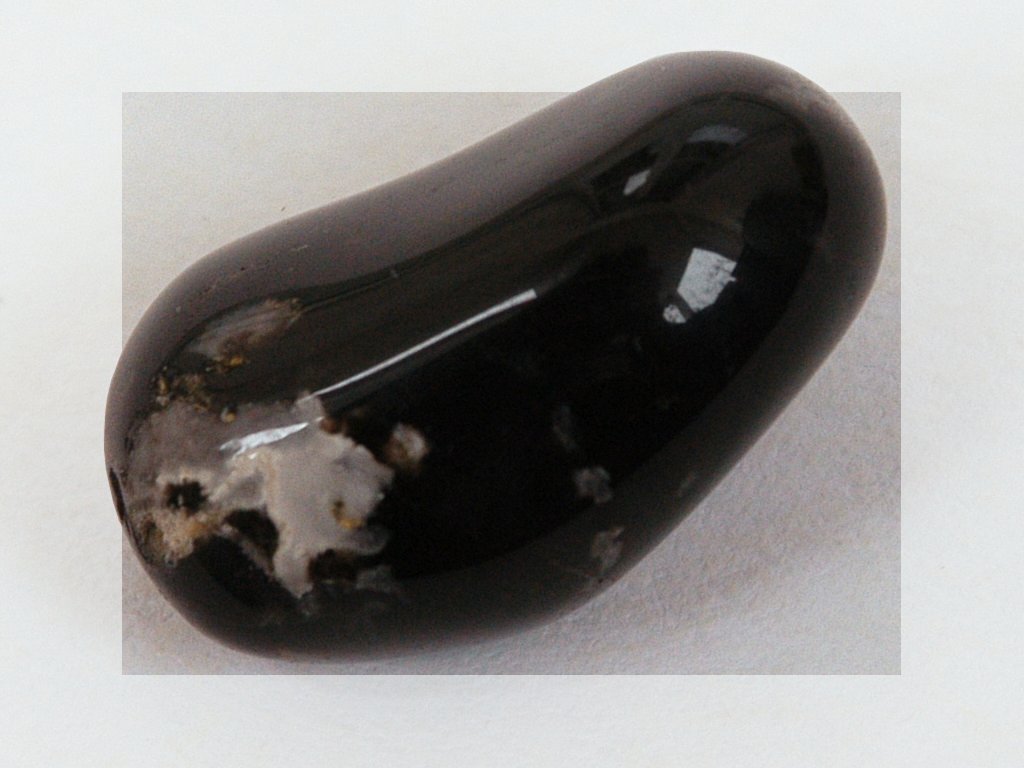
A banded stone, usually black and white, prized for carving and jewelleryColour named from nature · 🇲🇽 Mexico +5

Black
Manganese dioxide
A black-brown mineral oxide used in batteries, pigments, and chemical reactionsPigment

Black
Iron(II) oxide
A black iron compound used as a pigment and found deep in the EarthPigment
More colours tied to Egypt
The colours of Egypt
#FF0000
Red
A long wavelength of light linked to blood, luck, and revolution.Basic colour · 🇪🇬 Egypt +5

#FFFF00
Yellow
A bright spectral shade found in sunlight, autumn foliage, and ancient earth pigments.Colour named from nature · 🇫🇷 France +5

#0000FF
Blue
The spectral hue of clear daylight skies and deep waterBasic colour · 🇪🇬 Egypt +4

#FFFFFF
White
The lightest colour, seen in snow, milk and chalk, and opposite to blackBasic colour · 🇪🇬 Egypt +5