India ink
A deep black ink made from carbon soot, used for writing, drawing and calligraphy
No single value: India ink is a material, and its colour varies. The background shows its family, black.

India ink is a strong black ink made from fine soot (carbon black) and water, sometimes with added binder. It was first developed in China and later traded through India, giving it its English name. Known for its rich, permanent black, it is used in art, calligraphy, tattooing, and science.
- Made from fine soot (carbon black) and water
- Invented in China, traded through India
- Used for drawing, calligraphy, and tattooing
- Becomes waterproof when dry if a binder is added
- Still used in medical and scientific labs
What colour is India ink?
India ink is a black ink made by suspending very fine soot, called carbon black or lampblack, in water. Sometimes a binder like shellac or gelatin is added to make it more durable. It stands out for its deep, rich black colour and its ability to become waterproof when dry. India ink is used for drawing, outlining, calligraphy, and tattooing, and can be applied with a brush or dip pen. It is also available as a solid inkstick, which is ground and mixed with water before use.
Where does India ink come from?
The process of making this ink began in China as early as the 3rd millennium BC. Although invented in China, the English term 'India ink' comes from its later trade through India. In India, it was called 'masi' and used for ancient scripts. The ink reached Europe, where its permanence and deep black colour were highly valued. Traditional recipes used pine soot or lampblack, and the ink was often made in solid form for grinding.
How is India ink made?
Basic India ink is made by burning materials such as pine wood, oils, or bones to produce soot. This soot is collected and mixed with water to form a liquid ink. Sometimes, a binder like shellac or gelatin is added to improve durability and waterproofing. In China, pine soot was favoured, while in India, soot was obtained from burning bones, tar, or pitch. The ink can be bought as a liquid in bottles or as a solid inkstick to be ground with water.


Where India ink is used
India ink is widely used in art for drawing, outlining, and calligraphy, especially in East Asian traditions. Artists value it for its ability to create deep blacks and for its waterproof quality when dry. It is also used in tattooing and in scientific and medical fields, such as pathology and microbiology, where its permanence and visibility are important. In printing, it was once a standard black ink.
Black around the world
What the black family means from country to country.
A dot of black kajal is often put on a baby's cheek or forehead to turn away the evil eye, called nazar. Many people avoid black clothes at weddings and festivals.
Protection and healingFearSource: Evil eyeThe black eagle gives the country its own name for itself: Shqiperia is commonly read as the land of the eagles.
Politics and protestPrideSource: AlbaniaBlack and yellow were the colours of the Habsburg monarchy. They come from the black double-headed eagle on a gold ground used by the Holy Roman Emperors.
Royalty and powerSource: Flag of the Habsburg monarchyThe black upper half of the Aboriginal flag stands for the Aboriginal people of Australia.
Politics and protestPrideSource: Australian Aboriginal flagOn 21 February, Language Martyrs' Day, people wear black badges and black and white clothes and walk barefoot to the Shaheed Minar to honour those killed in 1952.
Mourning and deathPolitics and protestGriefSource: Bengali language movementThe black, yellow and red of the flag come from the arms of the Duchy of Brabant: a gold lion with red claws and tongue on black. They were raised in the 1830 revolution.
Politics and protestPrideSource: Flag of BelgiumShades and relatives of India ink
India ink can be found in both black and coloured forms, though black is most common. It is sometimes confused with iron gall ink, but India ink is noted for its deeper, more permanent black. The ink can be waterproof or non-waterproof, depending on the binder used. Solid inksticks are a traditional variation, especially in East Asian calligraphy.
Questions people ask about India ink
What colour is India ink?
India ink is a deep, rich black. It is known for its strong, permanent black colour, which stands out compared to other inks.
Where does the name 'India ink' come from?
Although the ink was first invented in China, the English name comes from its trade through India. In India, it was called 'masi'.
What is India ink made from?
It is made from very fine soot, known as carbon black or lampblack, mixed with water. Sometimes a binder like shellac or gelatin is added for durability.
How is India ink used in art?
Artists use India ink for drawing, outlining, and calligraphy. It can be applied with a brush or dip pen, and is valued for its deep black and waterproof quality.
Is India ink waterproof?
India ink can be waterproof if a binder such as shellac is added. Some forms are non-waterproof, depending on the recipe.
Good reading and sources
- India ink on WikipediaEncyclopedia
- More pictures on Wikimedia CommonsPictures
- Wikidata recordOpen data
The facts on this page come from the Wikipedia article "India ink", written by its contributors and used under the CC BY-SA 4.0 licence, and from its Wikidata record (CC0). Rang rewrote the text in its own words, with AI assistance, and compares every page with the article to make sure no passage is copied. It may be reused under the same CC BY-SA 4.0 licence with a link back.
It may contain mistakes. The swatch is an approximation: named colours are not fixed standards, and every screen shows them a little differently. If something is wrong, tell us. Last refreshed 2026-10-03.
More of the black family
All of black
Black
Kohlكُحْل
A dark eye cosmetic made from minerals like galena and stibniteTraditional colour · 🇪🇬 Egypt +5
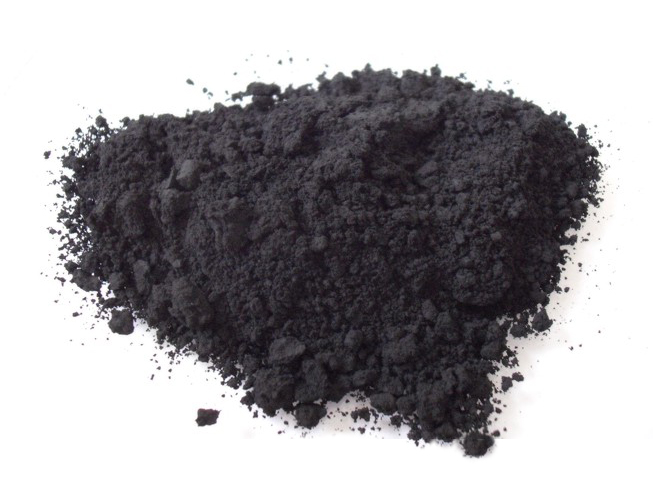
Black
Carbon black
A deep black pigment and filler made by burning carbon-rich materials with little airPigment

Black
Vantablack
A super-black coating made from carbon nanotubes that absorbs nearly all visible lightPigment

Black
Bone char
A deep black pigment and filter made by charring animal bonesPigment

Black
Magnetite
A naturally magnetic black mineral and a major source of ironColour named from nature

Black
Ebony
A jet-black hardwood valued for its smooth finish and rarityColour named from nature · 🇪🇬 Egypt +5
Black
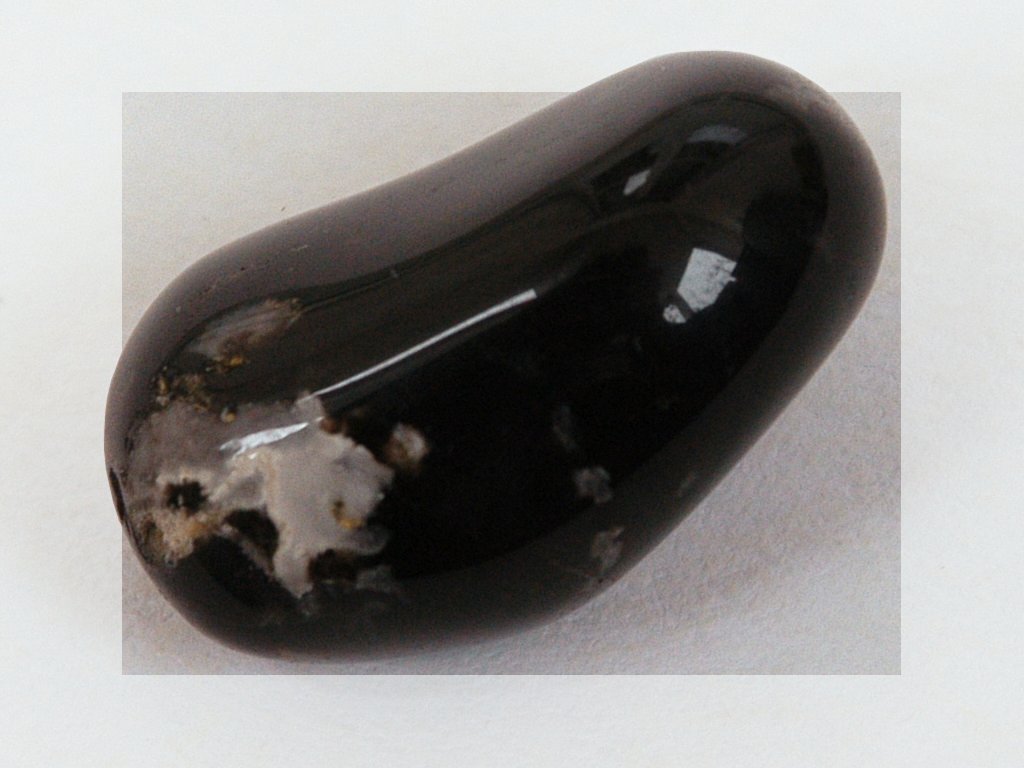
Onyx
A banded stone, usually black and white, prized for carving and jewelleryColour named from nature · 🇲🇽 Mexico +5

Black
Manganese dioxide
A black-brown mineral oxide used in batteries, pigments, and chemical reactionsPigment
More colours tied to China
The colours of China
#FF0000
Red
A primary colour seen in light, pigment, and tradition worldwideBasic colour · 🇺🇸 United States +5

#00FF00
Green
The spectral hue of living foliage, photosynthesis, and renewalBasic colour · 🇮🇪 Ireland +3

#FFFF00
Yellow
A primary colour between green and orange, seen in sunlight, leaves, and pigmentsBasic colour · 🇫🇷 France +5

#0000FF
Blue
The spectral hue of clear daylight skies and deep waterBasic colour · 🇪🇬 Egypt +4