Red
A primary colour seen in light, pigment, and tradition worldwide

Red is a main colour found in light and pigment, ranging from yellowish scarlet to deep burgundy. Its name has roots in ancient languages, and it has been used since early human history in art, dress, and ritual. Red stands out for its links to blood, celebration, and strong emotion across many cultures.
Share on WhatsAppOpen in the lab
- Red is a primary colour in both light and pigment.
- It was one of the first colours used in prehistoric art.
- Red flags have symbolised political movements like communism.
- Natural and synthetic dyes both create red in textiles and food.
- Red often stands for luck in Asian cultures and love in the West.
What colour is Red?
Red covers a wide range of hues, from warm, yellow-leaning tones like scarlet to cooler, bluish reds such as crimson. It appears in both light and pigment, and is easy to spot among other colours for its intensity. Red can be found in nature, such as in ripe fruit or autumn leaves, and is used in everything from clothing to national flags.
Where does Red come from?
The English word for red comes from old Germanic and Indo-European roots, with similar words found in Latin, Greek, and Sanskrit. The first known use of 'red' as a colour name in English dates to the early eighth century. Its use in art and ritual dates back to prehistoric times, when people used red ochre for painting and marking the body.
How Red is defined
Red can be produced in several ways. In light, it is a primary colour in the RGB system, and on screens it is made by mixing red light alone. In pigment, early artists used natural sources like ochre, and later, dyes from insects such as kermes and cochineal. Today, both synthetic and natural red dyes are common in food, textiles, and art.


Where Red is used
Red has been used for thousands of years in painting, clothing, and decoration. Ancient cultures painted pottery and buildings with red, and it was a sign of status in Renaissance dress. In modern times, red is found in national flags, uniforms, and digital displays. It is also a popular choice for food colouring and cosmetics.
What Red means
Red takes on many meanings depending on the culture. In Europe and the United States, it is linked to strong feelings like love, anger, and joy, as well as to heat and energy. In China, India, and other Asian countries, red is a sign of happiness and good luck. Its ties to blood have also made it a symbol of sacrifice, danger, and bravery.
How Red feels
Our sources tie Red to anger, love, joy. Such links differ from one culture to the next.
Red around the world
What the red family means from country to country.
Red stands for good fortune and happiness. Brides traditionally wear it, doors are hung with red couplets at New Year, and gifts of money come in red envelopes.
Luck and prosperityFestival and celebrationWeddings and marriageJoySource: Color in Chinese cultureThe national flag is red with five yellow stars. The red stands for the Communist revolution, and the same red runs through party banners and slogans.
Politics and protestPrideSource: Flag of ChinaThe flag is red and yellow, the rojigualda. The colours were chosen for the navy in 1785 because they stood out at sea, and the men's football team is called La Roja.
Politics and protestPrideSource: Flag of SpainIn the last part of a bullfight the matador uses a small red cape, the muleta. Bulls do not see red as we do. It is the movement that draws them, and the colour hides the blood.
Danger and warningCourageSource: BullfightingAt the San Fermin festival in Pamplona each July, runners and crowds dress in white with a red neckerchief and red sash.
Festival and celebrationJoySource: Festival of San FermínThe torii gates of Shinto shrines are often painted vermilion, a bright orange-red. The colour is held to keep evil away, and the long tunnels of gates at Fushimi Inari are the best known.
Sacred and holyProtection and healingAweSource: ToriiShades and relatives of Red
Red shades can shift by adding white for lighter tints like pink, or black for darker ones like burgundy. It is sometimes confused with orange or violet, which sit next to it on the colour wheel. Well-known reds include scarlet, vermilion, and crimson, each with its own subtle differences.
Colours that go with Red
Harmonies are worked out from the value #FF0000. Contrast ratios follow the WCAG 2 formula.
Questions people ask about Red
What kind of colour is red?
Red is a basic or primary colour in both light (RGB) and pigment, and is also a standard web colour.
Where does the name 'red' come from?
The name comes from Old English and older roots in Germanic and Indo-European languages, with similar words in Latin, Greek, and Sanskrit.
What does red look like?
Red ranges from yellowish tones like scarlet to deeper, bluish reds such as crimson, and includes lighter tints like pink and darker shades like burgundy.
What is red used for?
Red is used in art, textiles, architecture, body decoration, flags, digital screens, and food colouring.
What does red mean in different cultures?
In Europe and the United States, red is linked to love, anger, and joy. In China, India, and other Asian countries, it stands for happiness and good fortune.
Good reading and sources
- Encyclopaedia BritannicaArticle
- Cave of Altamira and Paleolithic Cave Art of Northern SpainUNESCO, Article
- BBC SPORT | Motorsport | Formula OneBBC, Article
The facts on this page come from the Wikipedia article "Red", written by its contributors and used under the CC BY-SA 4.0 licence, and from its Wikidata record (CC0). Rang rewrote the text in its own words, with AI assistance, and compares every page with the article to make sure no passage is copied. It may be reused under the same CC BY-SA 4.0 licence with a link back.
It may contain mistakes. The swatch is an approximation: named colours are not fixed standards, and every screen shows them a little differently. If something is wrong, tell us. Last refreshed 2026-10-03.
More of the red family
All of red
#DC143C
Crimson
A deep red with a hint of purple, once made from insectsNamed shade · 🇳🇵 Nepal

#800000
Maroon
A deep brownish red named for the French word for chestnutNamed shade · 🇦🇺 Australia +4

#C41E3A
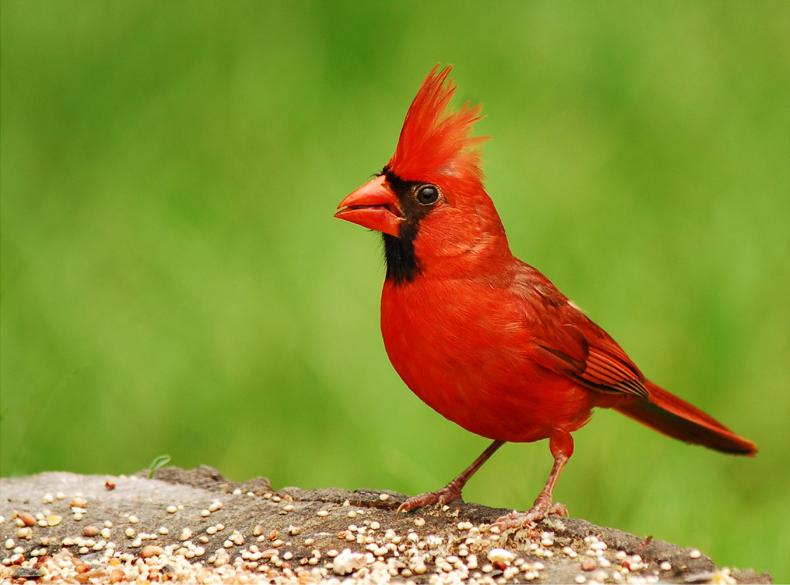
Cardinal
A strong, deep red linked to church robes and team coloursNamed shade

#D40000
Rosso corsa
The deep red that marks Italian racing cars and teamsNational or team colour · 🇮🇹 Italy

#CE2029
Fire engine red
A bright red shade long used on fire engines and emergency vehiclesNamed shade · 🇺🇸 United States +1

#8C1515
Stanford Cardinal Red
A deep red colour used by Stanford University in its identity and sportsNamed shade · 🇺🇸 United States

Red
BISU Maroon
A deep maroon chosen as a school colour by Beijing International Studies UniversityNamed shade · 🇨🇳 China

#FF0800
Candy apple red
A glossy, intense red inspired by the coating on candied applesNamed shade
More colours tied to the United States
The colours of the United States
#FFFF00
Yellow
A primary colour between green and orange, seen in sunlight, leaves, and pigmentsBasic colour · 🇫🇷 France +5

#800080
Purple
A cool colour between red and blue, long linked with royalty and rarityBasic colour · 🇱🇧 Lebanon +5
#6A5DFF
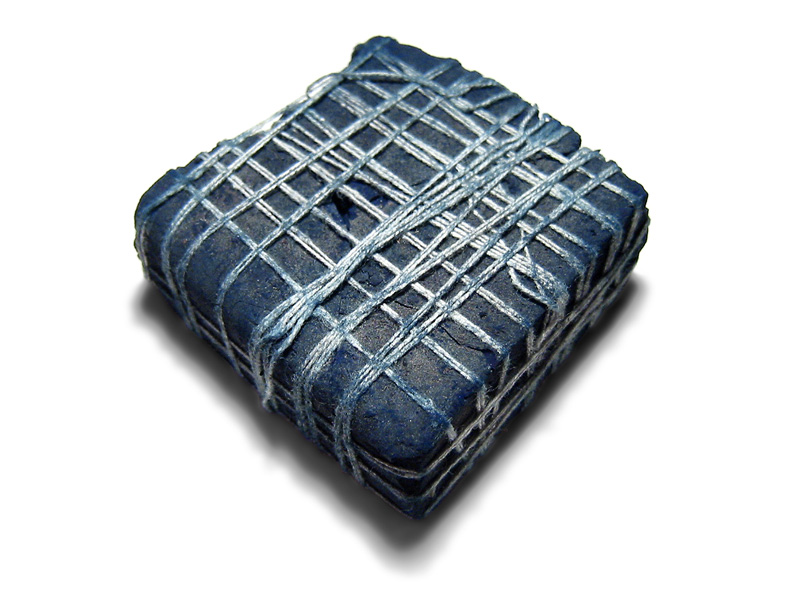
Indigo
A deep blue named for the dye once exported from IndiaNamed shade · 🇮🇳 India +5

Red
Cinnabar
A scarlet to brick-red mineral and the main source of mercury and vermilion pigmentColour named from nature · 🇪🇸 Spain +5