🇷🇺 The colours of Russia
6 meanings recorded, 18 colours tied to the country.
Russia's flag features three equal horizontal bands: white, blue, and red. These colours have been used since the late 17th century and are associated with the country's history and identity. While their meanings are not officially defined, they have come to symbolise Russian heritage and have influenced other Slavic nations' flags.
Where no official value is given, the swatch shows the colour family, not the exact shade.
- The Russian tricolour dates back to the late 1600s.
- Peter the Great modelled the flag after Dutch naval banners.
- The flag was banned during the Soviet era.
- White, blue, and red are not officially defined in meaning.
- The flag's proportions were set in 1993.
The colours of the flag of Russia
The Russian flag is made up of three horizontal stripes of equal size: white at the top, blue in the middle, and red at the bottom. These colours have been used in various forms since the late 1600s. There is no official explanation for what each colour represents, though they are often linked to Russia’s past and its national identity. The arrangement and use of these colours have influenced the flags of several other Slavic countries. Any meanings attached to the colours are traditional or popular, not set by law.
How the colours were chosen of Russia
The white-blue-red tricolour first appeared in the late 17th century, inspired by Dutch naval flags and introduced by Peter the Great. Earlier Russian banners used different colours, including white, red, and gold, often featuring religious images or the double-headed eagle. In the 19th century, a black-yellow-white flag was briefly the official state flag, but the tricolour returned in 1896. After the Bolshevik Revolution, the tricolour was banned in favour of red Soviet flags. It was restored as the national flag in 1991 following the collapse of the Soviet Union.
Official shades and rules of Russia
The current flag's proportions and shades were set by presidential decree in 1993. The flag must have three equal horizontal bands. Earlier versions had slightly different dimensions and colour shades. There is no official definition of the exact shades for white, blue, and red in the sources provided.
The facts in this overview come from the Wikipedia article "Flag of Russia", written by its contributors and used under the CC BY-SA 4.0 licence. EveryRang rewrote the text in its own words, with AI assistance, and compares every page with the article to make sure no passage is copied. It may be reused under the same CC BY-SA 4.0 licence with a link back.
What colours mean in Russia
Customs vary by region, faith and family; these are the meanings most often recorded.
The old Russian word krasny meant both red and beautiful. Red Square was named for its beauty, and the best corner of a peasant house was the red corner, where icons hung.
Festival and celebrationJoySource: Red SquareRed was the colour of the 1917 revolution and of the Soviet flag with its hammer and sickle. In the civil war that followed, the Reds fought the Whites.
Politics and protestSource: Flag of the Soviet UnionThe ribbon of Saint George has black and orange stripes. It comes from a Tsarist military order and is worn each 9 May, Victory Day.
Politics and protestPrideSource: Ribbon of Saint GeorgeRussian has two basic words for blue: siniy for dark blue and goluboy for light blue. Speakers treat them as two colours, as English speakers treat red and pink.
Nature and renewalSource: Blue–green distinction in languageThe flag is white, blue and red. It dates from the time of Peter the Great, was restored in 1991, and no meaning for the colours is fixed in law.
Politics and protestSource: Flag of RussiaThe onion domes of Orthodox churches are often gilded. Gold stands for the glory of heaven, and by tradition blue domes with stars mark churches of the Mother of God.
Sacred and holyAweSource: Onion domeColour and feeling in Russia
Russian separates 'black envy', which wishes the other person ill, from 'white envy', a harmless and even friendly admiration.
Colour cities of Russia
Colours tied to Russia

#FF0000
Red
A long wavelength of light linked to blood, luck, and revolution.Basic colour · 🇪🇬 Egypt +5

#FFFFFF
White
The lightest colour, seen in snow, milk and chalk, and opposite to blackBasic colour · 🇪🇬 Egypt +5

Blue
Lapis lazuli
A deep blue stone prized for jewellery and the source of ultramarine pigmentColour named from nature · 🇦🇫 Afghanistan +5

Green
Malachite
A banded green mineral and pigment once prized for art and decorationColour named from nature · 🇪🇬 Egypt +4

#40E0D0
Turquoise
A blue-green colour named after a prized mineral long used for gems and decorationNamed shade · 🇮🇷 Iran +5

Red
Red hair
A rare human hair colour ranging from deep burgundy to strawberry blondNamed shade · 🇮🇪 Ireland +3

Green
Glauconite
A soft green mineral used as a pigment and in fertilisersColour named from nature · 🇧🇷 Brazil +2

Brown
Pinto horse
A horse coat with large patches of white and another colourNamed shade · 🇺🇸 United States +2

#ADD8E6
Light blue
A pale blue shade found between blue and cyan, seen in flags and daily life worldwideNamed shade · 🇫🇷 France +5

Red
Armenian cochinealորդան կարմիր
A crimson dye once prized across Armenia and the Middle East, made from a rare insectDye · 🇦🇲 Armenia +4

Brown
Bryoria fremontii
A dark brown lichen used for food, medicine, and dye by First Nations in North AmericaColour named from nature · 🇷🇺 Russia

#FF4203
Minium
A bright orange-red pigment made by heating lead, once common in medieval manuscriptsPigment · 🇨🇳 China +5
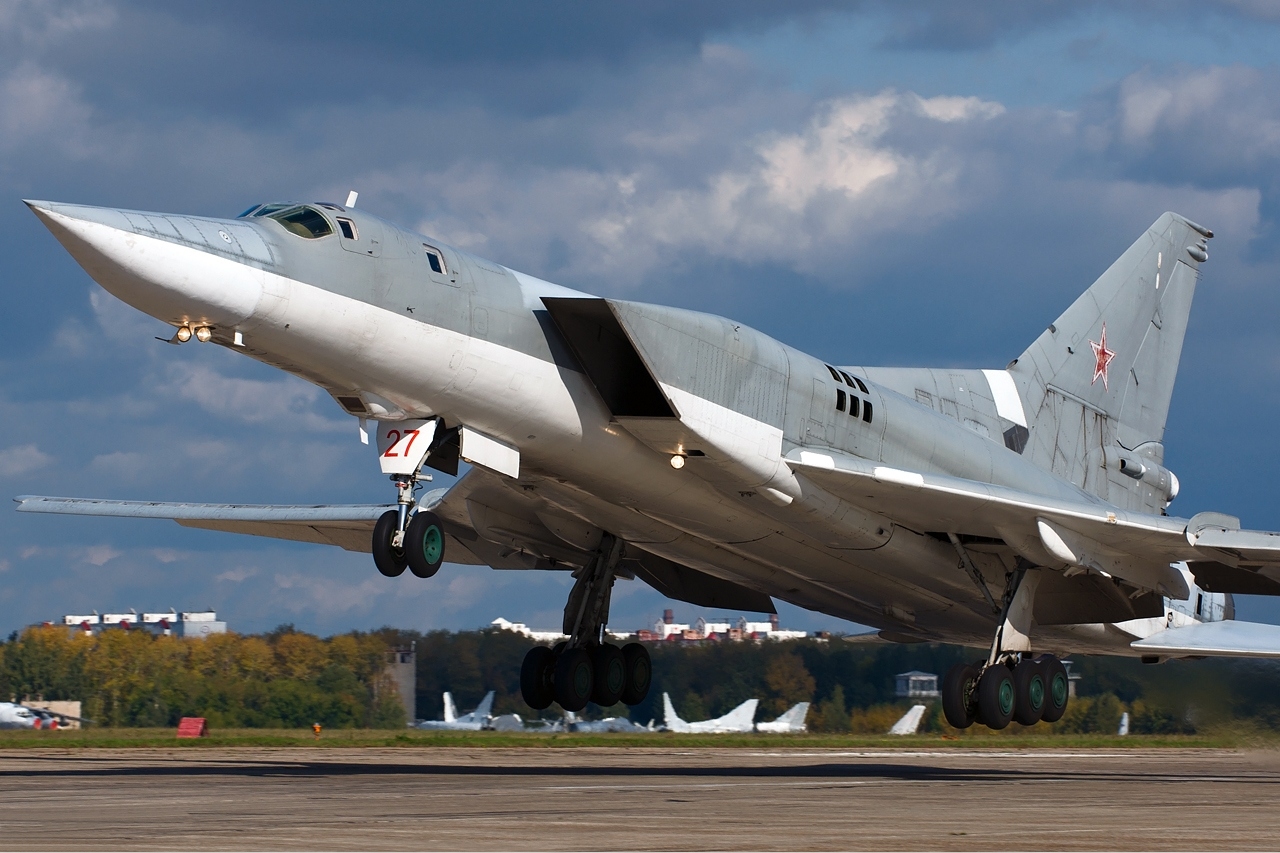
White
Anti-flash white
A special white paint used on nuclear bombers to reflect heat from nuclear blastsNamed shade · 🇬🇧 United Kingdom +4

#4C5866
Marengo
A dark grey or blue-grey shade, once a speckled fabric from northern ItalyNamed shade · 🇮🇹 Italy +2

Blue
Blue hair
Hair coloured blue by dye, art, or nature’s rare effectsNamed shade · 🇯🇵 Japan +5

Yellow
Golden ochre
A warm yellow pigment rich in iron, prized since ancient times for its pure colourPigment · 🇬🇷 Greece +2

Yellow
Weld
A plant once prized for its bright yellow dyeDye · 🇫🇷 France +3

Red
Red红 / 紅 (hóng), Красный (Krasny)
A colour linked with luck, love, courage and ceremony in cultures worldwideBasic colour · 🇨🇳 China +5
Photo credits on this page
The small pictures above come from Wikimedia Commons under free licences. Some are cropped to fit.
- Light blue: Yosef Ben Melamed, CC BY-SA 4.0, source
- Bryoria fremontii: Millifolium, CC BY-SA 3.0, source
- Minium: Torii Kiyonobu I, Public domain, source
- Malachite: Burkhard Mücke, CC BY-SA 4.0, source
- Glauconite: Licks-rocks, CC BY-SA 4.0, source
- Armenian cochineal: Vahe Martirosyan, CC BY-SA 3.0, source
- Pinto horse: Michael Apel, CC BY-SA 3.0, source
- Red hair: Sunny Ripert, CC BY-SA 2.0, source
- Anti-flash white: Alex Beltyukov, CC BY-SA 3.0, source
- Marengo: Horace Vernet, Public domain, source
- Lapis lazuli: Adam Ognisty, CC BY-SA 3.0, source
- Blue hair: Kevin Dooley, CC BY 2.0, source
- Golden ochre: Marco Almbauer, CC BY-SA 3.0, source
- Turquoise: Reno Chris (original), Ra'ike (derivative work), Public domain, source
- Weld: Stefan.lefnaer, CC BY-SA 3.0 at, source
- Red: Politikaner, CC BY-SA 3.0, source
- White: Steve Snodgrass, CC BY 2.0, source
- Red: Sander van der Wel, CC BY-SA 2.0, source