Pinto horse
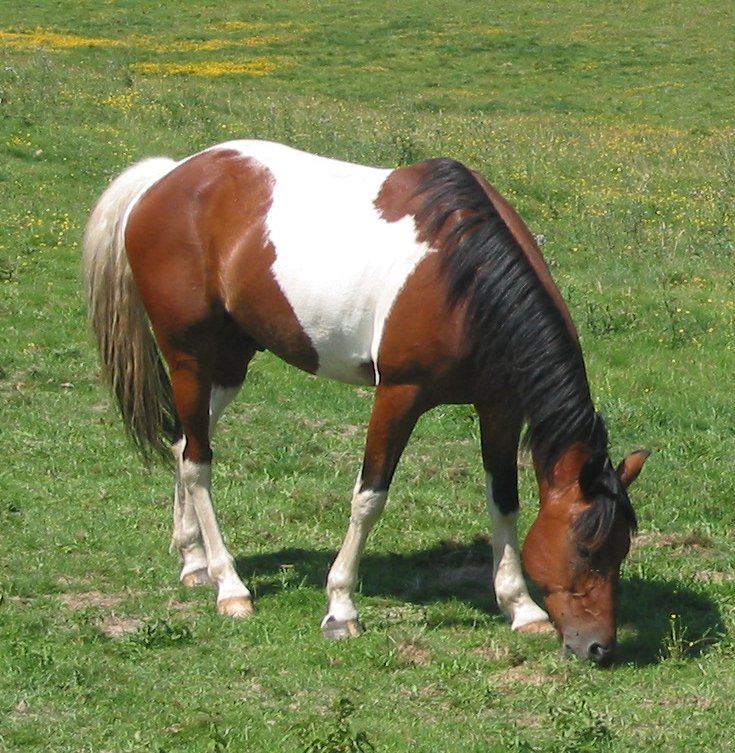
A horse coat with large patches of white and another colour
No single value: Pinto horse is a material, and its colour varies. The background shows its family, brown.

A pinto horse has a coat marked by large, irregular patches of white and any other colour. The term comes from Spanish and means 'painted' or 'spotted'. Pinto patterns are genetically distinct and have been seen since horses were first domesticated. The colour is especially popular in the United States, where it is bred for and registered by dedicated organisations.
- Pinto horses have large patches of white and another colour
- The pattern is caused by several different genes
- Pinto horses have been bred since ancient times
- The United States has the largest population of pinto horses
- Some pinto patterns are linked to genetic health risks
What colour is Pinto horse?
Pinto describes a horse with a coat made up of large, uneven patches of white and another colour, such as black, bay, or chestnut. The white areas are usually irregular and do not follow a set pattern, giving each horse a unique look. The coloured parts match those found on solid-coloured horses. Unlike horses with only small white markings, pintos have a much greater proportion of white, often with pink skin underneath the white fur.
Where does Pinto horse come from?
The word 'pinto' comes from Spanish, meaning 'painted' or 'spotted'. Horses with pinto colouring have been present since soon after domestication, with ancient DNA showing these patterns over 5000 years ago. Art from Ancient Egypt and the Russian steppes depicts horses with spotted coats, suggesting they were valued early on. The pattern became especially popular in the United States after being brought to the Americas by European settlers.
How is Pinto horse made?
Pinto is not a pigment or dye, but a genetic coat pattern in horses. Several distinct genes cause the various pinto patterns, including tobiano, sabino, frame, splashed white, and manchado. These genes affect how the white and coloured patches appear on the horse's body. Some patterns, like frame overo, are linked to genetic conditions such as lethal white syndrome, which breeders avoid by genetic testing.



Where Pinto horse is used
Pinto horses are bred for their striking appearance and are popular in shows, riding, and as working animals, especially in the United States. Organisations such as the Pinto Horse Association of America register horses based on their coat pattern, regardless of breed. The American Paint Horse Association registers horses with pinto colouring and specific bloodlines. The pattern is also seen in art and has been selectively bred for in various cultures.
Brown around the world
What the brown family means from country to country.
Brown is the colour of Nazism in German political speech, after the brown shirts of the party's stormtroopers. To call a view "brown" is to call it far right.
Politics and protestDanger and warningShameSource: SturmabteilungMasi is bark cloth beaten from paper mulberry and printed in brown and black. It is worn at weddings and funerals and given in ceremonial exchanges.
Sacred and holyWeddings and marriageSource: Tapa clothKuntunkuni is a dark brown mourning cloth of the Asante, dyed with tree bark. Adinkra cloth, stamped with symbols, was first made on such dark grounds for funerals.
Mourning and deathSadnessSource: Adinkra symbolsThe batik of the Javanese courts at Yogyakarta and Surakarta is dyed in soga brown with indigo and cream. Some court patterns were once reserved for the royal family.
Royalty and powerPrideSource: BatikBogolanfini, or mud cloth, is cotton painted with fermented river mud in browns, black and white. Hunters wear it for protection, and women after childbirth.
Protection and healingSacred and holySource: BògòlanfiniShades and relatives of Pinto horse
Several terms describe pinto horses based on the colour of their non-white areas. 'Piebald' refers to black and white pintos, while 'skewbald' refers to any other colour with white. 'Tricoloured' horses have three colours, usually bay and white. Patterns such as tobiano, overo, and tovero describe how the patches are arranged. Pinto is distinct from the leopard complex seen in breeds like the Appaloosa.
Questions people ask about Pinto horse
What colour is a pinto horse?
A pinto horse has a coat with large patches of white and another colour, such as black, bay, or chestnut. The pattern is irregular and unique to each horse.
Where does the name 'pinto' come from?
The name 'pinto' comes from Spanish, where it means 'painted', 'dappled', or 'spotted'.
How is the pinto pattern inherited?
Pinto patterns are caused by several different genes, including tobiano, sabino, frame, and others. These genes affect how the white and coloured patches appear.
Are all spotted horses pintos?
No, pinto refers to specific patterns of white and colour. Horses with leopard complex spotting, like the Appaloosa, are genetically and visually distinct from pintos.
Is the pinto pattern linked to any health problems?
Some pinto patterns, such as frame overo, are linked to lethal white syndrome, a genetic disorder. Breeders use DNA tests to avoid producing affected foals.
Good reading and sources
- Pinto horse on WikipediaEncyclopedia
- More pictures on Wikimedia CommonsPictures
- Wikidata recordOpen data
The facts on this page come from the Wikipedia article "Pinto horse", written by its contributors and used under the CC BY-SA 4.0 licence, and from its Wikidata record (CC0). Rang rewrote the text in its own words, with AI assistance, and compares every page with the article to make sure no passage is copied. It may be reused under the same CC BY-SA 4.0 licence with a link back.
It may contain mistakes. The swatch is an approximation: named colours are not fixed standards, and every screen shows them a little differently. If something is wrong, tell us. Last refreshed 2026-10-03.
More of the brown family
All of brown
Brown
Terracotta
A clay-based material and colour, known for its reddish-brown toneColour named from nature · 🇮🇳 India +4

#C3B091
Khaki
A light tan with a yellowish tinge, once made for military uniformsNamed shade · 🇮🇳 India +2

#F5F5DC
Beige
A pale, warm colour named after natural, undyed woolNamed shade · 🇫🇷 France +2

#704214
Sepia
A reddish-brown colour named for the ink of the cuttlefishNamed shade

#8A3324
Umber
A natural brown pigment from earth, valued for its warmth and versatility in artPigment · 🇨🇾 Cyprus +2

#3D2B1F
Bistre
A dark brown pigment and colour made from soot, once used in Old Master drawingsPigment

#E97451
Sienna
A reddish-brown earth pigment named after the city of Siena in ItalyPigment · 🇫🇷 France
#B87333
Copper
A reddish brown shade named for the metal it matchesNamed shade
More colours tied to the United States
The colours of the United States
#FF0000
Red
A primary colour seen in light, pigment, and tradition worldwideBasic colour · 🇺🇸 United States +5

#FFFF00
Yellow
A primary colour between green and orange, seen in sunlight, leaves, and pigmentsBasic colour · 🇫🇷 France +5

#800080
Purple
A cool colour between red and blue, long linked with royalty and rarityBasic colour · 🇱🇧 Lebanon +5
#6A5DFF
Indigo
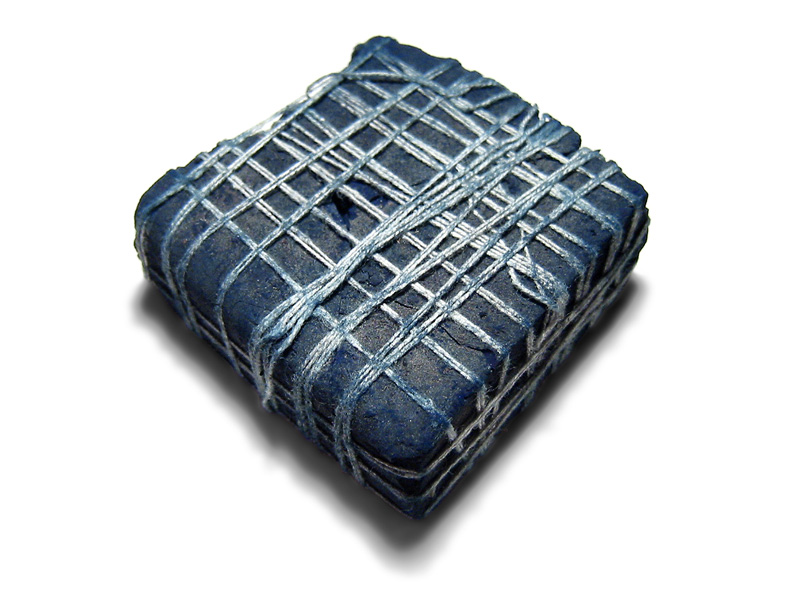
A deep blue named for the dye once exported from IndiaNamed shade · 🇮🇳 India +5