Khaki
A light tan with a yellowish tinge, once made for military uniforms

Khaki is a pale tan with a hint of yellow, first made for British military uniforms in India in the mid-1800s. Its name comes from a Hindustani word meaning 'soil-coloured'. Khaki became widely used for army clothing in arid regions, and later for casual trousers known as khakis.
Share on WhatsAppOpen in the lab
- Khaki means 'soil-coloured' in Hindustani.
- First used for British Army uniforms in India in 1848.
- Helps camouflage soldiers in sandy or dusty terrain.
- Now a standard colour for casual trousers called khakis.
- In Britain, khaki can also mean olive green.
What colour is Khaki?
Khaki is a light, muted tan with a yellowish cast. It sits between yellow and brown, and is less bright than sand or beige. The colour was first made for practical reasons, to help soldiers blend into dusty or sandy landscapes. It is now a familiar colour for both military and everyday clothing.
Where does Khaki come from?
The word 'khaki' comes from Hindustani, meaning 'soil-coloured', and traces back to the Persian word for soil. The colour was first created in India for British colonial troops in the 1840s. It replaced the bright, varied uniforms of earlier times with a more practical, standardised look. Khaki quickly spread to other armies and became a symbol of military dress.
How Khaki is defined
Originally, khaki uniforms were made from closely twilled linen or cotton cloth, dyed to match the dusty soil of India. The exact shade could vary, but the aim was always to provide camouflage in arid regions. Today, khaki is defined as a web colour and can be produced using a range of textile dyes.


Where Khaki is used
Khaki has been widely used for military uniforms, especially in desert or dry regions where its colour helps with camouflage. British and Indian troops first wore it, and it later became standard in armies around the world, including the United States. After World War II, khaki trousers became common in civilian fashion, often called 'khakis'.
What Khaki means
Khaki does not have a single symbolic meaning, but in the early 1900s it came to stand for military values like discipline and hierarchy, especially in Britain and its colonies. It also became linked with masculinity and patriotism during wartime. In civilian life, khaki sometimes hints at order or authority because of its military roots.
Brown around the world
What the brown family means from country to country.
Brown is the colour of Nazism in German political speech, after the brown shirts of the party's stormtroopers. To call a view "brown" is to call it far right.
Politics and protestDanger and warningShameSource: SturmabteilungMasi is bark cloth beaten from paper mulberry and printed in brown and black. It is worn at weddings and funerals and given in ceremonial exchanges.
Sacred and holyWeddings and marriageSource: Tapa clothKuntunkuni is a dark brown mourning cloth of the Asante, dyed with tree bark. Adinkra cloth, stamped with symbols, was first made on such dark grounds for funerals.
Mourning and deathSadnessSource: Adinkra symbolsThe batik of the Javanese courts at Yogyakarta and Surakarta is dyed in soga brown with indigo and cream. Some court patterns were once reserved for the royal family.
Royalty and powerPrideSource: BatikBogolanfini, or mud cloth, is cotton painted with fermented river mud in browns, black and white. Hunters wear it for protection, and women after childbirth.
Protection and healingSacred and holySource: BògòlanfiniShades and relatives of Khaki
There are several shades of khaki. Light khaki, also called tan, is the web colour used in HTML and CSS. Dark khaki is a deeper version, while khaki green (or olive drab) is a greenish shade often called khaki in Britain and Commonwealth countries. These variations can be confused, especially in different countries.
Colours that go with Khaki
Harmonies are worked out from the value #C3B091. Contrast ratios follow the WCAG 2 formula.
Questions people ask about Khaki
What colour is khaki?
Khaki is a light shade of tan with a yellowish tinge, sitting between yellow and brown. It was made to blend in with sandy or dusty landscapes.
Where does the name 'khaki' come from?
The name comes from Hindustani, meaning 'soil-coloured', and entered English through the British Indian Army.
Why was khaki first used for uniforms?
Khaki was chosen for military uniforms to provide camouflage in arid regions, replacing bright colours that made soldiers easy to spot.
Is khaki always the same colour?
No, khaki can range from a light tan to a greenish olive shade, especially in British and Commonwealth usage.
Are khaki trousers always this colour?
The term 'khakis' often refers to a style of trousers, not just the colour, so they can come in other shades as well.
Good reading and sources
The facts on this page come from the Wikipedia article "Khaki", written by its contributors and used under the CC BY-SA 4.0 licence, and from its Wikidata record (CC0). Rang rewrote the text in its own words, with AI assistance, and compares every page with the article to make sure no passage is copied. It may be reused under the same CC BY-SA 4.0 licence with a link back.
It may contain mistakes. The swatch is an approximation: named colours are not fixed standards, and every screen shows them a little differently. If something is wrong, tell us. Last refreshed 2026-10-03.
More of the brown family
All of brown
Brown
Terracotta
A clay-based material and colour, known for its reddish-brown toneColour named from nature · 🇮🇳 India +4

#F5F5DC
Beige
A pale, warm colour named after natural, undyed woolNamed shade · 🇫🇷 France +2

#704214
Sepia
A reddish-brown colour named for the ink of the cuttlefishNamed shade

#8A3324
Umber
A natural brown pigment from earth, valued for its warmth and versatility in artPigment · 🇨🇾 Cyprus +2

#3D2B1F
Bistre
A dark brown pigment and colour made from soot, once used in Old Master drawingsPigment

#E97451
Sienna
A reddish-brown earth pigment named after the city of Siena in ItalyPigment · 🇫🇷 France
#B87333
Copper
A reddish brown shade named for the metal it matchesNamed shade

#483C32
Taupe
A grey-brown shade named after the colour of a mole’s furNamed shade
More colours tied to India
The colours of India
Yellow
Turmeric
A golden yellow dye and spice from the rhizome of a tropical plantColour named from nature · 🇮🇳 India +5
#6A5DFF
Indigo
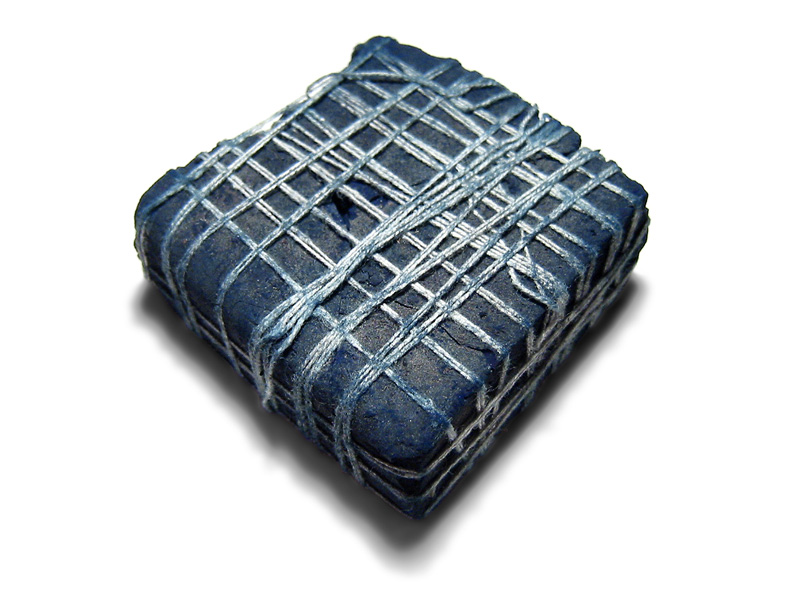
A deep blue named for the dye once exported from IndiaNamed shade · 🇮🇳 India +5

Red
Cinnabar
A scarlet to brick-red mineral and the main source of mercury and vermilion pigmentColour named from nature · 🇪🇸 Spain +5
White
Zinc oxide
A white inorganic powder used in pigments, ointments, ceramics and electronicsPigment · 🇮🇳 India +2