Terracotta
A clay-based material and colour, known for its reddish-brown tone
No single value: Terracotta is a material, and its colour varies. The background shows its family, brown.

Terracotta is a fired clay material, most often recognised by its natural brownish-orange or reddish colour. Used for sculpture, pottery, and architecture across many cultures, it is shaped and then fired at low temperatures, giving it its distinct earthy hue. Its name means 'baked earth' in Italian and Latin.
- Terracotta means 'baked earth' in Italian and Latin.
- Its colour ranges from reddish-brown to orange, pink, or buff.
- Used for sculpture, pottery, and architecture since ancient times.
- Made by firing shaped clay at low temperatures.
- Famous examples include the Terracotta Army in China and Bengal temple panels in India.
What colour is Terracotta?
Terracotta is a clay-based material that, once shaped and fired at low temperatures, takes on a natural reddish-brown or brownish-orange colour. The colour can range from yellow and orange to pink, red, buff, grey, or brown, depending on the clay and firing conditions. It is not as hard or glassy as porcelain or stoneware, and is usually left unglazed, giving it a warm, earthy look. Terracotta is valued for its workability and its distinctive, rustic appearance.
Where does Terracotta come from?
The word 'terracotta' comes from Italian and Latin, meaning 'baked earth' or 'cooked earth'. Its use dates back thousands of years, with early examples found in the Indus Valley (now Pakistan and India), Mesopotamia, Egypt, China, and West Africa. The material was used for figurines, pottery, and architectural decoration. Over time, different cultures developed their own techniques and styles, such as the detailed temple panels of Bishnupur in India and the mass-produced Tanagra figurines in Greece.
How is Terracotta made?
Terracotta is made by shaping natural clay and then firing it in a kiln or pit at temperatures usually around 1,000°C, though sometimes lower. The iron in the clay reacts with oxygen during firing, producing the typical reddish colour, though the exact shade depends on the clay and firing method. It can be moulded, hand-modelled, or thrown on a wheel, and sometimes carved after firing. Glazes may be added for decoration or to reduce porosity.


Where Terracotta is used
Terracotta has been used for sculpture, pottery, and architectural elements in many cultures. In India, it is crafted into religious figures and temple decorations, especially in West Bengal and Madhya Pradesh. In China, it was used for tomb figures and the famous Terracotta Army. West African cultures such as the Nok and Ife-Benin produced terracotta sculptures. In Europe, it was used for figurines, busts, and building decoration, especially during the Renaissance and in 19th-century architecture.
Brown around the world
What the brown family means from country to country.
Brown is the colour of Nazism in German political speech, after the brown shirts of the party's stormtroopers. To call a view "brown" is to call it far right.
Politics and protestDanger and warningShameSource: SturmabteilungMasi is bark cloth beaten from paper mulberry and printed in brown and black. It is worn at weddings and funerals and given in ceremonial exchanges.
Sacred and holyWeddings and marriageSource: Tapa clothKuntunkuni is a dark brown mourning cloth of the Asante, dyed with tree bark. Adinkra cloth, stamped with symbols, was first made on such dark grounds for funerals.
Mourning and deathSadnessSource: Adinkra symbolsThe batik of the Javanese courts at Yogyakarta and Surakarta is dyed in soga brown with indigo and cream. Some court patterns were once reserved for the royal family.
Royalty and powerPrideSource: BatikBogolanfini, or mud cloth, is cotton painted with fermented river mud in browns, black and white. Hunters wear it for protection, and women after childbirth.
Protection and healingSacred and holySource: BògòlanfiniShades and relatives of Terracotta
The colour of terracotta varies with the clay and firing, ranging from yellow and orange to red, pink, buff, grey, or brown. It is sometimes confused with earthenware, but the term 'terracotta' usually refers to objects with a natural reddish-brown tone. Glazed terracotta can appear shinier and in other colours, but unglazed pieces show the typical earthy look.
Questions people ask about Terracotta
What colour is terracotta?
Terracotta is usually a natural reddish-brown or brownish-orange, but can also appear yellow, pink, buff, grey, or brown, depending on the clay and firing process.
Where does the name 'terracotta' come from?
The name comes from Italian and Latin, meaning 'baked earth' or 'cooked earth', referring to the fired clay material.
What is terracotta made from?
Terracotta is made from natural clay that is shaped and then fired in a kiln or pit at relatively low temperatures.
Where has terracotta been used?
Terracotta has been used for sculpture, pottery, and architecture in India, China, West Africa, Europe, and other regions, often for religious or decorative purposes.
How is terracotta different from other ceramics?
Terracotta is fired at lower temperatures than stoneware or porcelain, making it more porous and giving it a warm, earthy colour. It is usually left unglazed.
Good reading and sources
- Terracotta on WikipediaEncyclopedia
- More pictures on Wikimedia CommonsPictures
- Wikidata recordOpen data
The facts on this page come from the Wikipedia article "Terracotta", written by its contributors and used under the CC BY-SA 4.0 licence, and from its Wikidata record (CC0). Rang rewrote the text in its own words, with AI assistance, and compares every page with the article to make sure no passage is copied. It may be reused under the same CC BY-SA 4.0 licence with a link back.
It may contain mistakes. The swatch is an approximation: named colours are not fixed standards, and every screen shows them a little differently. If something is wrong, tell us. Last refreshed 2026-10-03.
More of the brown family
All of brown
Brown
Aniline
A colourless oil that darkens with air and launched the first synthetic dyesPigment · 🇩🇪 Germany

#C3B091
Khaki
A light tan with a yellowish tinge, once made for military uniformsNamed shade · 🇮🇳 India +2

#704214
Sepia
A reddish-brown colour named for the ink of the cuttlefishNamed shade

#8A3324
Umber
A natural brown pigment from earth, valued for its warmth and versatility in artPigment · 🇨🇾 Cyprus +2

#3D2B1F
Bistre
A dark brown pigment and colour made from soot, once used in Old Master drawingsPigment

#E97451
Sienna
A reddish-brown earth pigment named after the city of Siena in ItalyPigment · 🇫🇷 France

Brown
Catechu
A brown plant extract used as a dye, tannin, and preservativeColour named from nature · 🇯🇵 Japan +2

#824B27
Mummy brown
A transparent brown pigment once made from ground Egyptian mummiesPigment · 🇪🇬 Egypt
More colours tied to India
The colours of India
Yellow
Turmeric
A golden yellow dye and spice from the rhizome of a tropical plantColour named from nature · 🇮🇳 India +5
#6A5DFF
Indigo
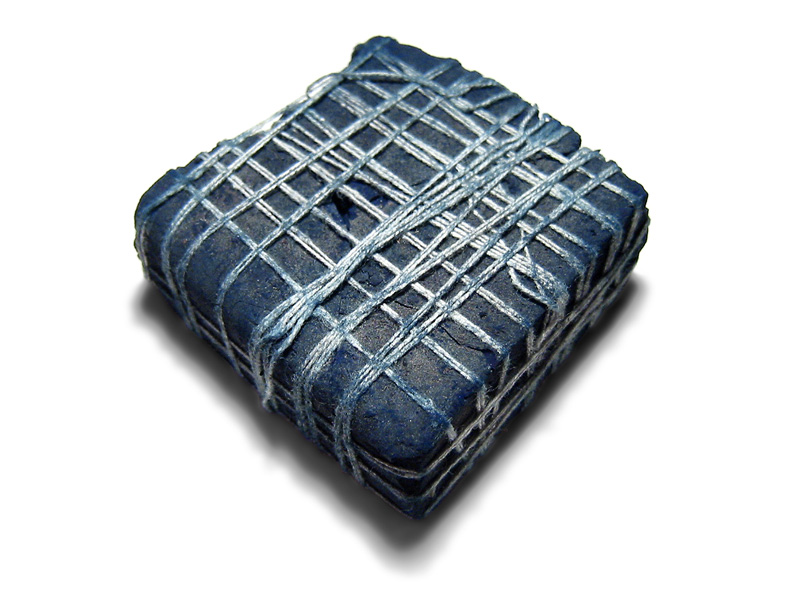
A deep blue named for the dye once exported from IndiaNamed shade · 🇮🇳 India +5

Red
Cinnabar
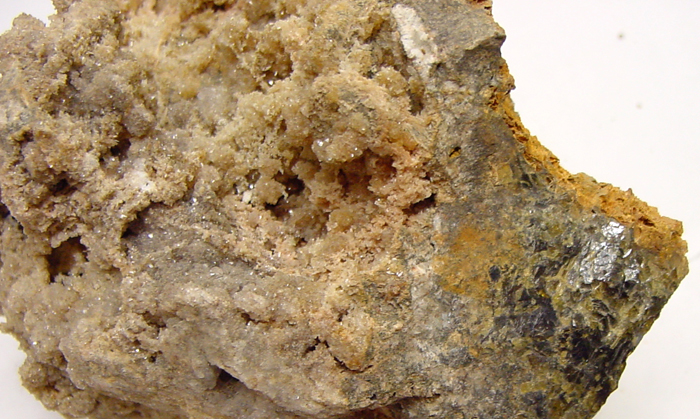
A scarlet to brick-red mineral and the main source of mercury and vermilion pigmentColour named from nature · 🇪🇸 Spain +5
White
Zinc oxide
A white inorganic powder used in pigments, ointments, ceramics and electronicsPigment · 🇮🇳 India +2