Aniline
A colourless oil that darkens with air and launched the first synthetic dyes
No single value: Aniline is a material, and its colour varies. The background shows its family, brown.

Aniline is a nearly colourless, oily liquid that turns yellow or red when exposed to air. Its name comes from the Portuguese word for the indigo shrub, as it was first isolated from indigo. Aniline is best known as the base for early synthetic dyes, including the first mauve dye, and is still used in making dyes, polyurethane, and medicines.
- Turns yellow or red when exposed to air
- First isolated from indigo dye in 1826
- Launched the synthetic dye industry with mauveine
- Mainly made from nitrobenzene and hydrogen
- Toxic and has a strong, fishy odour
What colour is Aniline?
Aniline is a simple aromatic amine, appearing as a nearly colourless, oily liquid when pure. It has a sharp, fishy smell and darkens to yellow or red as it oxidises in air. While not itself a dye, aniline is the key starting point for many synthetic dyes and pigments. Its chemical structure makes it highly reactive, which sets it apart from similar compounds.
Where does Aniline come from?
The name aniline comes from the Portuguese 'anil', meaning indigo shrub, as it was first isolated from indigo dye. Otto Unverdorben discovered it in 1826, calling it Crystallin. Later, other chemists found it in coal tar and indigo, giving it names like kyanol and benzidam, until August Wilhelm von Hofmann showed these were all the same substance. The industrial process was developed in Germany.
How is Aniline made?
Aniline is made by reducing nitrobenzene, usually with hydrogen and a metal catalyst such as nickel or copper at high temperatures. Other methods use iron or ammonia and phenol. Early production relied on coal tar as a source. The process has been refined over time, but the main steps remain similar.
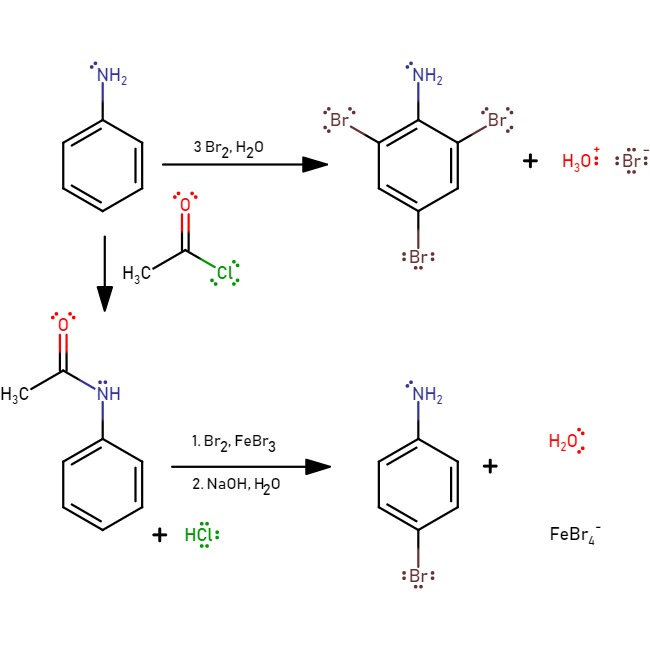

Where Aniline is used
Aniline is mainly used to make dyes, especially as the base for the first synthetic dye, mauveine. It is also a key ingredient in polyurethane plastics, rubber chemicals, herbicides, and medicines like paracetamol. In the dye industry, it is a precursor to indigo, the blue dye for jeans. Aniline oil is used in chemical tests and mushroom identification.
Brown around the world
What the brown family means from country to country.
Brown is the colour of Nazism in German political speech, after the brown shirts of the party's stormtroopers. To call a view "brown" is to call it far right.
Politics and protestDanger and warningShameSource: SturmabteilungMasi is bark cloth beaten from paper mulberry and printed in brown and black. It is worn at weddings and funerals and given in ceremonial exchanges.
Sacred and holyWeddings and marriageSource: Tapa clothKuntunkuni is a dark brown mourning cloth of the Asante, dyed with tree bark. Adinkra cloth, stamped with symbols, was first made on such dark grounds for funerals.
Mourning and deathSadnessSource: Adinkra symbolsThe batik of the Javanese courts at Yogyakarta and Surakarta is dyed in soga brown with indigo and cream. Some court patterns were once reserved for the royal family.
Royalty and powerPrideSource: BatikBogolanfini, or mud cloth, is cotton painted with fermented river mud in browns, black and white. Hunters wear it for protection, and women after childbirth.
Protection and healingSacred and holySource: BògòlanfiniShades and relatives of Aniline
Many chemicals are derived from aniline by changing the phenyl ring or the amino group. These include toluidines, xylidines, and chloroanilines, each with different uses in dyes and industry. Aniline itself can darken or change colour when it reacts with air or chemicals, forming coloured substances like aniline black or violaniline.
Questions people ask about Aniline
What colour is aniline?
Pure aniline is almost colourless, but it darkens to yellow or red when exposed to air due to oxidation.
Where does the name aniline come from?
The name comes from the Portuguese word 'anil', meaning indigo shrub, because it was first isolated from indigo dye.
What is aniline used for?
Aniline is used to make synthetic dyes, especially the first mauve dye, as well as polyurethane plastics, rubber chemicals, and medicines.
Is aniline natural or synthetic?
Aniline can be obtained from natural sources like indigo, but it is now made synthetically from nitrobenzene and hydrogen.
Why is aniline important in colour history?
Aniline was the base for the first synthetic dye, mauveine, which started the modern dye industry.
Good reading and sources
The facts on this page come from the Wikipedia article "Aniline", written by its contributors and used under the CC BY-SA 4.0 licence, and from its Wikidata record (CC0). Rang rewrote the text in its own words, with AI assistance, and compares every page with the article to make sure no passage is copied. It may be reused under the same CC BY-SA 4.0 licence with a link back.
It may contain mistakes. The swatch is an approximation: named colours are not fixed standards, and every screen shows them a little differently. If something is wrong, tell us. Last refreshed 2026-10-03.
More of the brown family
All of brown
Brown
Terracotta
A clay-based material and colour, known for its reddish-brown toneColour named from nature · 🇮🇳 India +4

#704214
Sepia
A reddish-brown colour named for the ink of the cuttlefishNamed shade

#8A3324
Umber
A natural brown pigment from earth, valued for its warmth and versatility in artPigment · 🇨🇾 Cyprus +2

#3D2B1F
Bistre
A dark brown pigment and colour made from soot, once used in Old Master drawingsPigment

#E97451
Sienna
A reddish-brown earth pigment named after the city of Siena in ItalyPigment · 🇫🇷 France

Brown
Catechu
A brown plant extract used as a dye, tannin, and preservativeColour named from nature · 🇯🇵 Japan +2

#824B27
Mummy brown
A transparent brown pigment once made from ground Egyptian mummiesPigment · 🇪🇬 Egypt
#664228
Van Dyck brown
A deep, earthy brown once made from German peat and soilPigment · 🇩🇪 Germany
More colours tied to Germany
The colours of Germany
#FF00FF
Magenta
A purplish-pink colour named after a battle and key to modern printingNamed shade · 🇫🇷 France +4

Blue
Woad
A blue dye once vital to Europe's textile trade, made from the leaves of a flowering plantDye · 🇫🇷 France +3

#F5F5DC
Beige
A pale, warm colour named after natural, undyed woolNamed shade · 🇫🇷 France +2
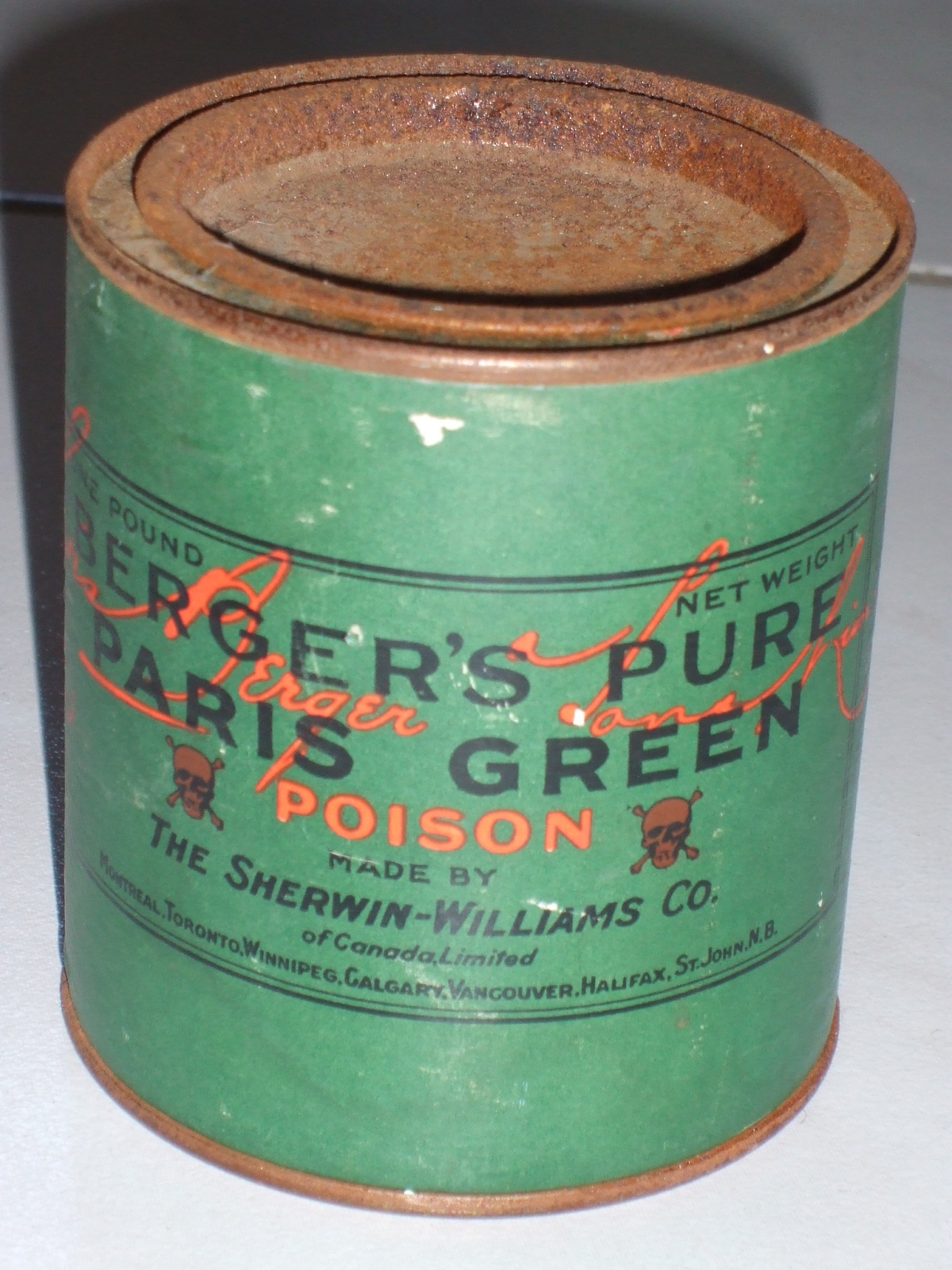
#50C878
Paris Green
A toxic emerald-green pigment once prized in art and used as an early insecticidePigment · 🇩🇪 Germany +4