Van Dyck brown
A deep, earthy brown once made from German peat and soil
Van Dyck brown is a dark, warm brown pigment, first made from peat or soil in Germany. Today, it is produced by mixing iron oxide with a black pigment. The colour is valued in painting and printmaking for its rich, earthy tone and is named after the painter Anthony van Dyck, though its use predates him.
Share on WhatsAppOpen in the lab
- First made from peat or soil in Cassel and Cologne, Germany
- Named after painter Anthony van Dyck, though it predates him
- Often used for shadows and earthy tones in art
- Modern pigment mixes iron oxide with black to match the original
- Has poor to medium lightfastness and can fade over time
What colour is Van Dyck brown?
Van Dyck brown is a dark, warm brown with a rich, earthy look. It stands out for its depth and ability to create shadows and muted tones in art. The colour is often used to add warmth and realism, especially in painting and printmaking. Its tone can shift depending on how it is mixed, ranging from deep chocolate to softer, muted browns.
Where does Van Dyck brown come from?
The name Van Dyck brown comes from the painter Anthony van Dyck, but the pigment itself was used long before his time. Early sources called it Cassel earth or Cologne earth, after the German cities where it was first made from local peat and soil. The pigment has been in use since at least the sixteenth century, with written records from the early seventeenth century. Its naming and use have sometimes been confused in historical records.
How is Van Dyck brown made?
Originally, Van Dyck brown was made by processing peat or soil rich in iron oxide from around Cassel and Cologne. Today, the pigment is usually produced by mixing iron oxide with an asphaltum-like black, or by combining raw umber or burnt sienna with black pigment. This modern mix is designed to match the look of the original earth pigment.
Where Van Dyck brown is used
Van Dyck brown has been used in watercolour, oil paint, and encaustic techniques, and later in miniatures, crayons, and wood stains. It is popular for creating shadows, earthy tones, and depth in paintings. The pigment is also known in printmaking and was a favourite of television painter Bob Ross for trees and backgrounds.
Brown around the world
What the brown family means from country to country.
Brown is the colour of Nazism in German political speech, after the brown shirts of the party's stormtroopers. To call a view "brown" is to call it far right.
Politics and protestDanger and warningShameSource: SturmabteilungMasi is bark cloth beaten from paper mulberry and printed in brown and black. It is worn at weddings and funerals and given in ceremonial exchanges.
Sacred and holyWeddings and marriageSource: Tapa clothKuntunkuni is a dark brown mourning cloth of the Asante, dyed with tree bark. Adinkra cloth, stamped with symbols, was first made on such dark grounds for funerals.
Mourning and deathSadnessSource: Adinkra symbolsThe batik of the Javanese courts at Yogyakarta and Surakarta is dyed in soga brown with indigo and cream. Some court patterns were once reserved for the royal family.
Royalty and powerPrideSource: BatikBogolanfini, or mud cloth, is cotton painted with fermented river mud in browns, black and white. Hunters wear it for protection, and women after childbirth.
Protection and healingSacred and holySource: BògòlanfiniShades and relatives of Van Dyck brown
Van Dyck brown is sometimes made by mixing other brown pigments like raw umber or burnt sienna with black. Its colour can be confused with other deep browns, but it is known for its particular warmth and depth. The pigment is also called Cassel earth or Cologne earth, depending on its origin.
Colours that go with Van Dyck brown
Harmonies are worked out from the value #664228. Contrast ratios follow the WCAG 2 formula.
Questions people ask about Van Dyck brown
What colour is Van Dyck brown?
Van Dyck brown is a deep, warm brown with an earthy, rich tone. It is often used to create shadows and muted, natural effects in painting.
Where does the name Van Dyck brown come from?
The pigment is named after the painter Anthony van Dyck, although it was used before his time. Earlier, it was called Cassel earth or Cologne earth after the German cities where it was first made.
How is Van Dyck brown made?
Originally, it was made from peat or soil rich in iron oxide from Cassel or Cologne. Today, it is usually produced by mixing iron oxide with an asphaltum-like black pigment.
What is Van Dyck brown used for?
It is used in painting, printmaking, and sometimes in wood stains and crayons. Artists use it for shadows, depth, and earthy tones.
Is Van Dyck brown permanent?
Van Dyck brown has poor to medium lightfastness, meaning it can fade when exposed to light over time.
Good reading and sources
The facts on this page come from the Wikipedia article "Van Dyke brown", written by its contributors and used under the CC BY-SA 4.0 licence, and from its Wikidata record (CC0). Rang rewrote the text in its own words, with AI assistance, and compares every page with the article to make sure no passage is copied. It may be reused under the same CC BY-SA 4.0 licence with a link back.
It may contain mistakes. The swatch is an approximation: named colours are not fixed standards, and every screen shows them a little differently. If something is wrong, tell us. Last refreshed 2026-10-03.
More of the brown family
All of brown
Brown
Terracotta
A clay-based material and colour, known for its reddish-brown toneColour named from nature · 🇮🇳 India +4

Brown
Aniline
A colourless oil that darkens with air and launched the first synthetic dyesPigment · 🇩🇪 Germany

#C3B091
Khaki
A light tan with a yellowish tinge, once made for military uniformsNamed shade · 🇮🇳 India +2

#F5F5DC
Beige
A pale, warm colour named after natural, undyed woolNamed shade · 🇫🇷 France +2

#704214
Sepia
A reddish-brown colour named for the ink of the cuttlefishNamed shade

#8A3324
Umber
A natural brown pigment from earth, valued for its warmth and versatility in artPigment · 🇨🇾 Cyprus +2

#3D2B1F
Bistre
A dark brown pigment and colour made from soot, once used in Old Master drawingsPigment

#E97451
Sienna
A reddish-brown earth pigment named after the city of Siena in ItalyPigment · 🇫🇷 France
More colours tied to Germany
The colours of Germany
#FF00FF
Magenta
A purplish-pink colour named after a battle and key to modern printingNamed shade · 🇫🇷 France +4

Blue
Woad
A blue dye once vital to Europe's textile trade, made from the leaves of a flowering plantDye · 🇫🇷 France +3
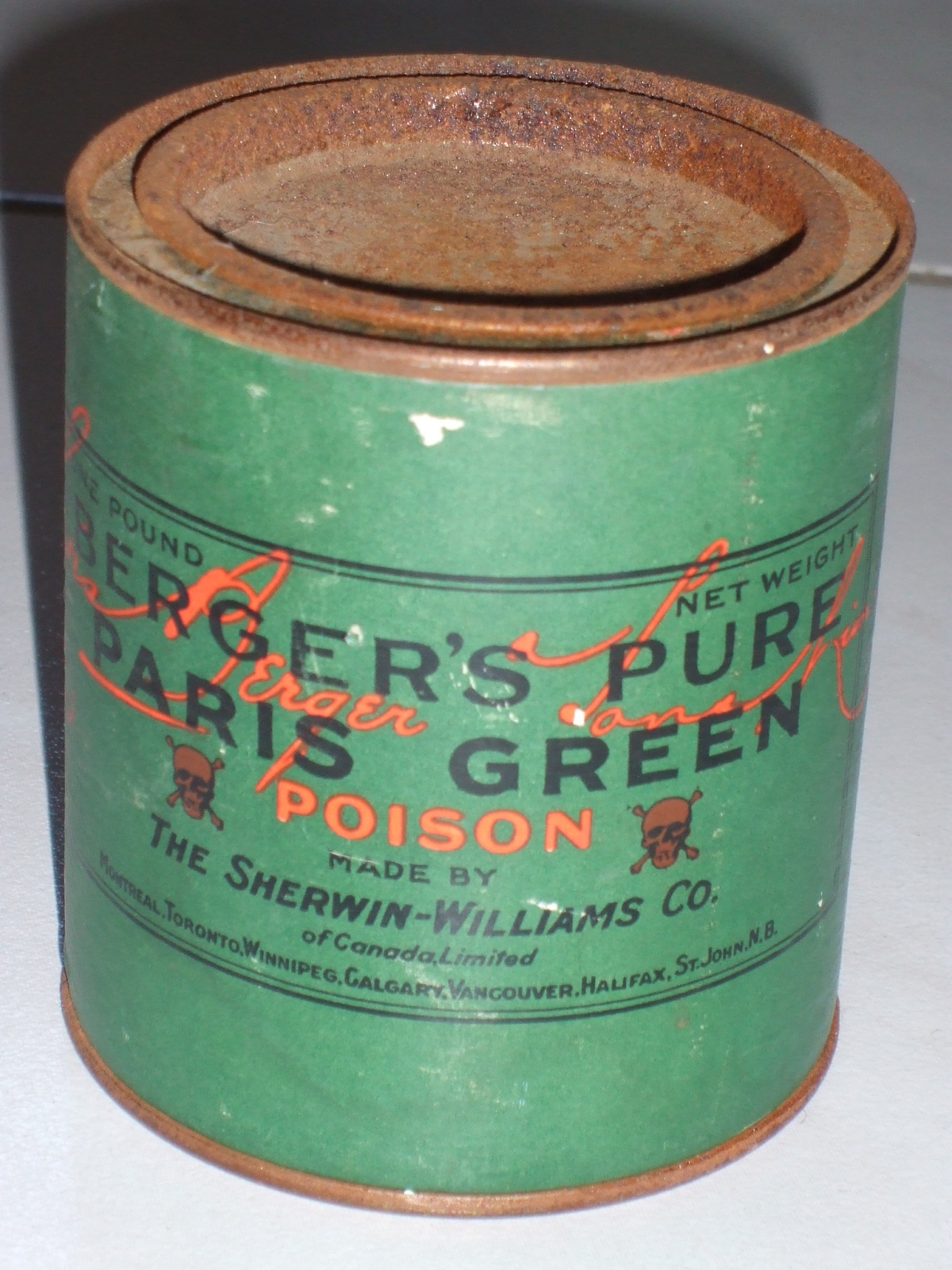
#50C878
Paris Green
A toxic emerald-green pigment once prized in art and used as an early insecticidePigment · 🇩🇪 Germany +4
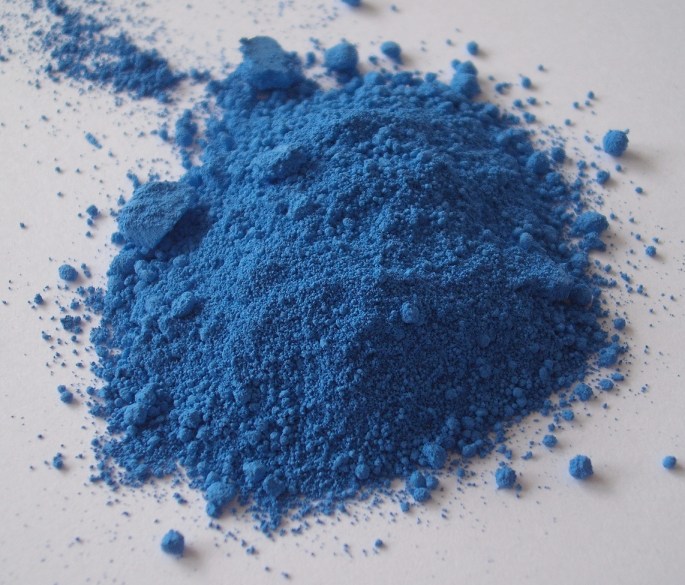
#0047AB
Cobalt blue
A strong, stable blue pigment made from cobalt and alumina since the early 1800sPigment · 🇫🇷 France +3