Paris Green
A toxic emerald-green pigment once prized in art and used as an early insecticide
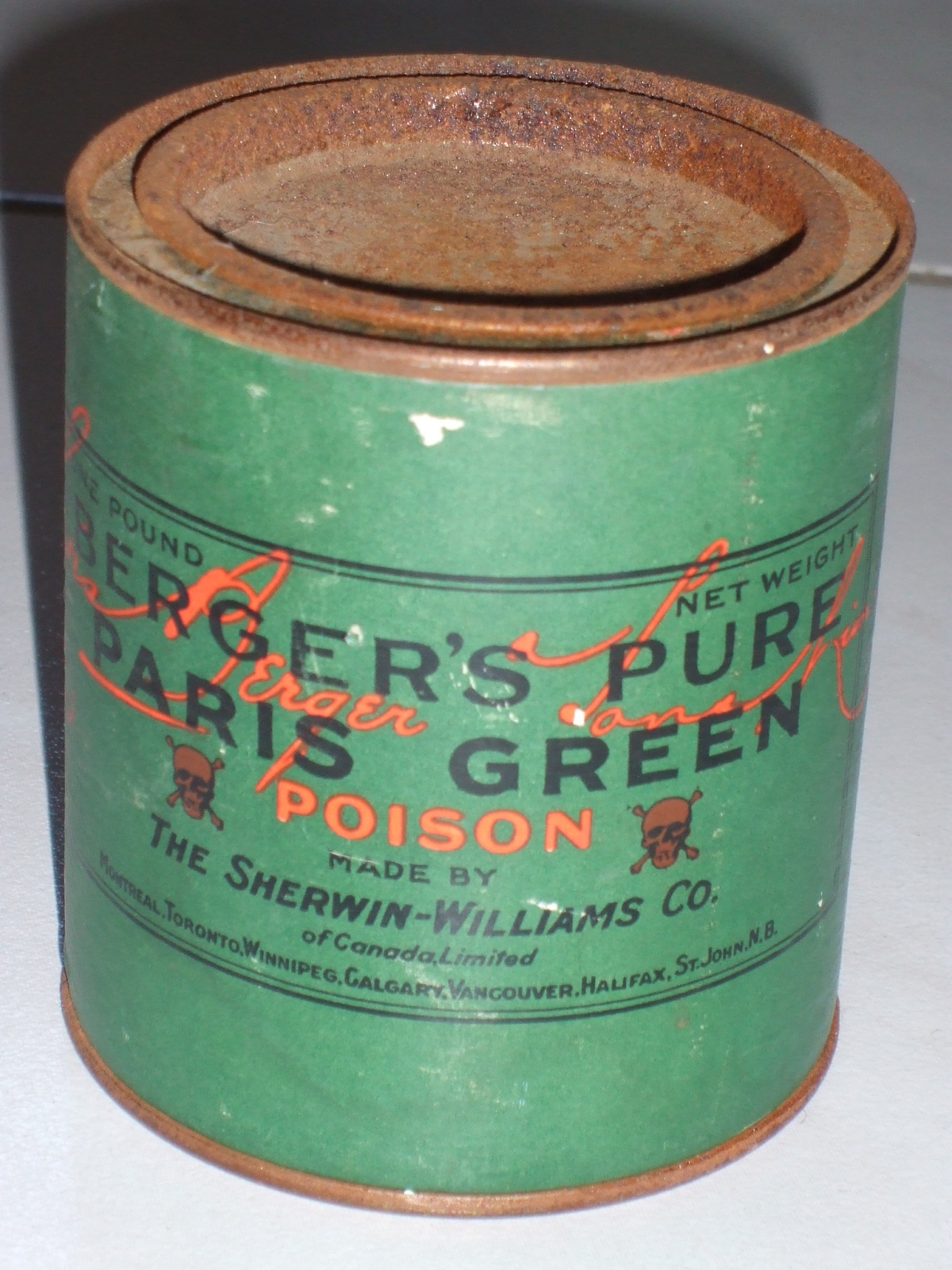
Paris green is a bright, emerald-green pigment made from copper and arsenic compounds. First produced in 1814, it was used in 19th-century painting, wallpaper, bookbindings, and as an insecticide, but is now known for its high toxicity and tendency to degrade in artworks.
Share on WhatsAppOpen in the lab
- Invented in Schweinfurt, Germany in 1814
- Used by Monet and Gauguin in 19th-century paintings
- Highly toxic due to arsenic content
- Once used as the first chemical insecticide
- Found in 19th-century bookbindings and wallpaper
What colour is Paris Green?
Paris green is a vivid emerald-green pigment, appearing as a crystalline powder. Its colour can shift from a pale blue-green when finely ground to a deeper green in coarser form. The pigment stands out for its brilliance compared to earlier greens, but is notorious for its extreme toxicity and for darkening or turning brown over time in paintings.
Where does Paris Green come from?
Paris green was first made in 1814 by Wilhelm Sattler and Friedrich Russ in Schweinfurt, Germany, as a more stable alternative to Scheele's green. The pigment's name comes from its later use as a rodenticide in Parisian sewers. Its recipe was published in 1822, and it became widely known as emerald green for its resemblance to the gemstone.
How is Paris Green made?
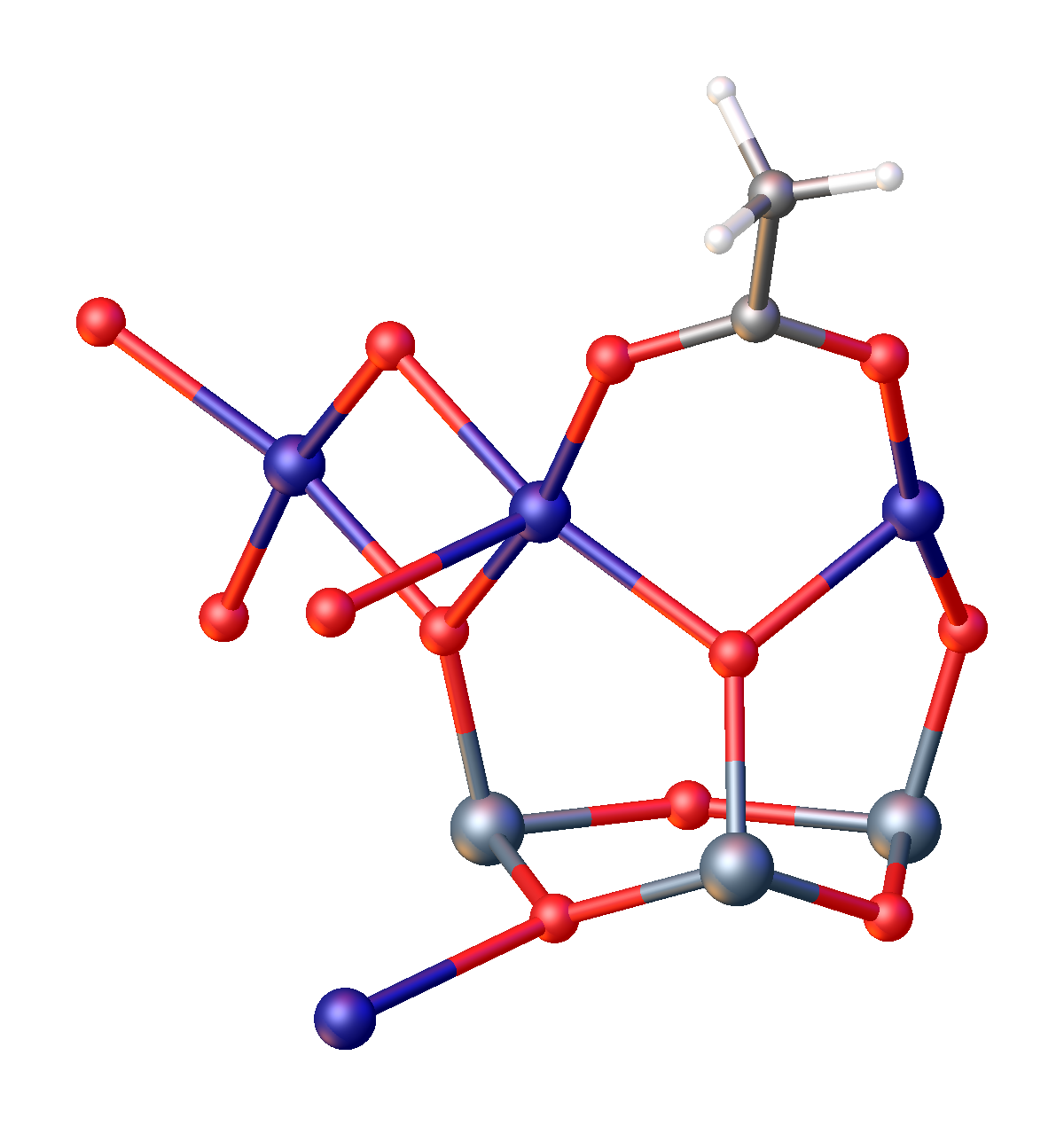
The pigment is produced by reacting copper(II) acetate with arsenic trioxide. This process creates copper(II) acetoarsenite, confirmed by X-ray crystallography. The resulting powder contains copper, arsenic, oxygen, carbon, and hydrogen. The fineness of grinding affects the final shade, with finer particles giving a bluer tint.


Where Paris Green is used
Paris green was popular among 19th-century artists such as Monet and Gauguin, valued for its intense green. It coloured wallpapers, bookbindings, and was used in printing inks. As an insecticide, it was sprayed on crops and orchards, and used to control pests like the Colorado potato beetle and malaria-carrying mosquitoes. Its use declined due to health risks.
Green around the world
What the green family means from country to country.
Green is the colour of Alliance 90/The Greens, one of the first environmental parties to enter a national parliament, in 1983.
Politics and protestNature and renewalSource: Alliance 90/The GreensThe green band of the national flag stands for the country's tie to the soil and to plant life, as Sarvepalli Radhakrishnan explained it when the flag was adopted in 1947.
Nature and renewalPolitics and protestHopeSource: Flag of IndiaThe flag is green, white and red. A common reading gives green to the plains and hills, white to the snow of the Alps and red to the blood of the wars of unification.
Politics and protestHopeSource: Flag of ItalyPaper money is nicknamed the greenback, after the green ink on the backs of notes first issued during the Civil War. Green has stood for money ever since.
Luck and prosperitySource: Greenback (1860s money)On Saint Patrick's Day, Chicago dyes its river bright green, a custom begun in 1962, and people who wear no green risk a playful pinch.
Festival and celebrationJoySource: Saint Patrick's Day in the United StatesA green kerchief is the sign of the campaign for legal abortion. Huge crowds wore it in 2018, and the movement was called the green wave.
Politics and protestHopeSource: Green scarfShades and relatives of Paris Green
Paris green is sometimes called emerald green, Mitis green, or Schweinfurt green. Scheele's green, an earlier copper-arsenic pigment, is more yellow and less stable. Related minerals like chalcophyllite and conichalcite also show greenish hues. Paris green is often confused with these, but is more vivid and toxic.
Colours that go with Paris Green
Harmonies are worked out from the value #50C878. Contrast ratios follow the WCAG 2 formula.
Questions people ask about Paris Green
What colour is Paris green?
Paris green is a vivid emerald-green, ranging from pale blue-green to deep green depending on how finely it is ground.
Where does the name Paris green come from?
The name Paris green comes from its use as a rodenticide in the sewers of Paris, although it was first made in Germany.
What is Paris green made from?
Paris green is made from copper(II) acetate and arsenic trioxide, resulting in a copper-arsenic compound.
Why is Paris green considered dangerous?
Paris green contains arsenic, making it extremely toxic. It posed health risks to factory workers and users, and its dust could cause poisoning.
What was Paris green used for?
It was used as a pigment in art, wallpaper, bookbindings, and as an insecticide on crops and in public health campaigns.
Good reading and sources
- Paris green on WikipediaEncyclopedia
- More pictures on Wikimedia CommonsPictures
- Wikidata recordOpen data
The facts on this page come from the Wikipedia article "Paris green", written by its contributors and used under the CC BY-SA 4.0 licence, and from its Wikidata record (CC0). Rang rewrote the text in its own words, with AI assistance, and compares every page with the article to make sure no passage is copied. It may be reused under the same CC BY-SA 4.0 licence with a link back.
It may contain mistakes. The swatch is an approximation: named colours are not fixed standards, and every screen shows them a little differently. If something is wrong, tell us. Last refreshed 2026-10-03.
More of the green family
All of green
Green
Malachite
A banded green mineral and pigment once prized for art and decorationColour named from nature · 🇪🇬 Egypt +4
Green
Malachite green
A synthetic green dye once common for silk, now controversial in aquacultureDye · 🇨🇳 China +3

#43B3AE
Verdigris
A historic bluish-green pigment formed on copper and used in art since antiquityPigment · 🇬🇷 Greece +1

Green
Celadon青瓷
A jade-green ceramic glaze prized in East Asian pottery for centuriesNamed shade · 🇨🇳 China +4

Green
Scheele's green
A yellowish-green pigment once prized for its brilliance, now infamous for its toxicityPigment

#40826D
Viridian
A blue-green pigment made from hydrated chromium oxide, valued in painting since the 1800sPigment

Green
Jade
A decorative stone prized for its green shades and cultural meaning across continentsColour named from nature · 🇨🇳 China +5
Green
Bioluminescence
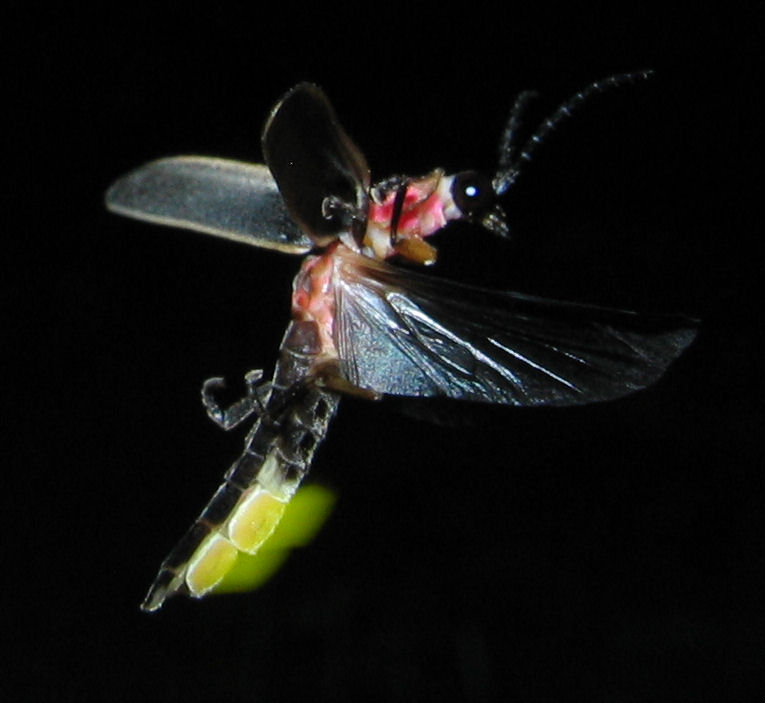
Light produced by living things through a chemical reactionColour named from nature
More colours tied to Germany
The colours of Germany
#FF00FF
Magenta
A purplish-pink colour named after a battle and key to modern printingNamed shade · 🇫🇷 France +4

Brown
Aniline
A colourless oil that darkens with air and launched the first synthetic dyesPigment · 🇩🇪 Germany

Blue
Woad
A blue dye once vital to Europe's textile trade, made from the leaves of a flowering plantDye · 🇫🇷 France +3

#F5F5DC
Beige
A pale, warm colour named after natural, undyed woolNamed shade · 🇫🇷 France +2