Viridian
A blue-green pigment made from hydrated chromium oxide, valued in painting since the 1800s

Viridian is a blue-green pigment with a majority of green and some blue, known for its medium saturation and dark value. First made in Paris in the 1830s from hydrated chromium(III) oxide, it became popular among artists for its permanence and transparency, and is still used in paints today.
Share on WhatsAppOpen in the lab
- Viridian is a blue-green pigment made from hydrated chromium oxide.
- First prepared in Paris in 1838, it became widely used after 1859.
- It is transparent, permanent, and not suitable for ceramics.
- Artists like Monet and Renoir used viridian in their paintings.
- Paolo Veronese green is a related shade.
What colour is Viridian?
Viridian is a blue-green pigment that sits between green and teal, with a dark value and medium saturation. It is transparent and has a majority of green with some blue. Viridian stands out for its clarity and permanence, making it a favourite among painters who want a reliable, cool green. It is not as bright as emerald green and is darker than many other greens used in art.
Where does Viridian come from?
The name 'viridian' comes from the Latin word 'viridis', meaning green. The pigment was first created in Paris in 1838 by Pannetier and Binet as a hydrated form of chromium oxide. Its early production was secretive and costly. In 1859, C. E. Guignet patented a cheaper process, making viridian more widely available. The colour name appeared in English in the 1860s.
How is Viridian made?
Viridian is made by hydrating chromium(III) oxide. The process developed by Guignet in 1859 involves heating boric acid and potassium bichromate together, then washing the resulting material. The pigment is hard and can be difficult to grind, but adding a small amount of barium sulfate helps with dispersion. Viridian is not suitable for ceramics, as it does not withstand high temperatures in glazes.


Where Viridian is used
Viridian has been used in painting since the mid-19th century and appears in works by artists like Turner, Monet, and Renoir. It is valued for its transparency and permanence, and is compatible with all other pigments in painting media. Viridian is still sold by paint manufacturers for use in fine art.
Green around the world
What the green family means from country to country.
A green kerchief is the sign of the campaign for legal abortion. Huge crowds wore it in 2018, and the movement was called the green wave.
Politics and protestHopeSource: Green scarfGreen and gold have been the official national colours since 1984 and are worn by national sports teams. They echo the leaves and flowers of the golden wattle.
Festival and celebrationPrideSource: National colours of AustraliaA Test cricketer is given a dark green cap, the baggy green, on first playing for Australia. Many players wear the same faded cap for a whole career.
Festival and celebrationPrideSource: Baggy greenThe green field of the flag stands for the land and its rice fields. Many people also read it as the youth and vigour of the country.
Nature and renewalPolitics and protestHopeSource: Flag of BangladeshThe flag is white, green and red. The green band, which took the place of the blue in the Russian flag, is read as the country's forests and farmland.
Politics and protestNature and renewalSource: Flag of BulgariaThe green field of the flag is commonly said to stand for the forests. It was first the colour of the House of Braganza, the family of the first emperor.
Politics and protestNature and renewalPrideSource: Flag of BrazilShades and relatives of Viridian
Related shades include Paolo Veronese green, which was used by the Venetian artist Paolo Veronese, and is also called transparent oxide of chromium. Viridian green, generic viridian, and Spanish viridian are names for similar blue-green shades listed in colour dictionaries. Viridian is sometimes confused with emerald and chrome greens, which are brighter and less expensive.
Colours that go with Viridian
Harmonies are worked out from the value #40826D. Contrast ratios follow the WCAG 2 formula.
Questions people ask about Viridian
What colour is viridian?
Viridian is a blue-green pigment with a majority of green and some blue, medium saturation, and a relatively dark value. It sits between green and teal.
Where does the name 'viridian' come from?
The name 'viridian' comes from the Latin word 'viridis', which means 'green'.
How is viridian pigment made?
Viridian is made by hydrating chromium(III) oxide. The process involves heating boric acid and potassium bichromate, then washing the product.
What is viridian used for?
Viridian is mainly used as an artist's pigment in painting. It is valued for its transparency, permanence, and compatibility with other pigments.
Is viridian the same as emerald green?
No, viridian is darker and less bright than emerald green. It is also more permanent and transparent, but was historically more expensive.
Good reading and sources
The facts on this page come from the Wikipedia article "Viridian", written by its contributors and used under the CC BY-SA 4.0 licence, and from its Wikidata record (CC0). Rang rewrote the text in its own words, with AI assistance, and compares every page with the article to make sure no passage is copied. It may be reused under the same CC BY-SA 4.0 licence with a link back.
It may contain mistakes. The swatch is an approximation: named colours are not fixed standards, and every screen shows them a little differently. If something is wrong, tell us. Last refreshed 2026-10-03.
More of the green family
All of green
Green
Malachite
A banded green mineral and pigment once prized for art and decorationColour named from nature · 🇪🇬 Egypt +4

#808000
Olive
A dark yellowish green, like the colour of unripe olivesNamed shade
#50C878
Paris Green
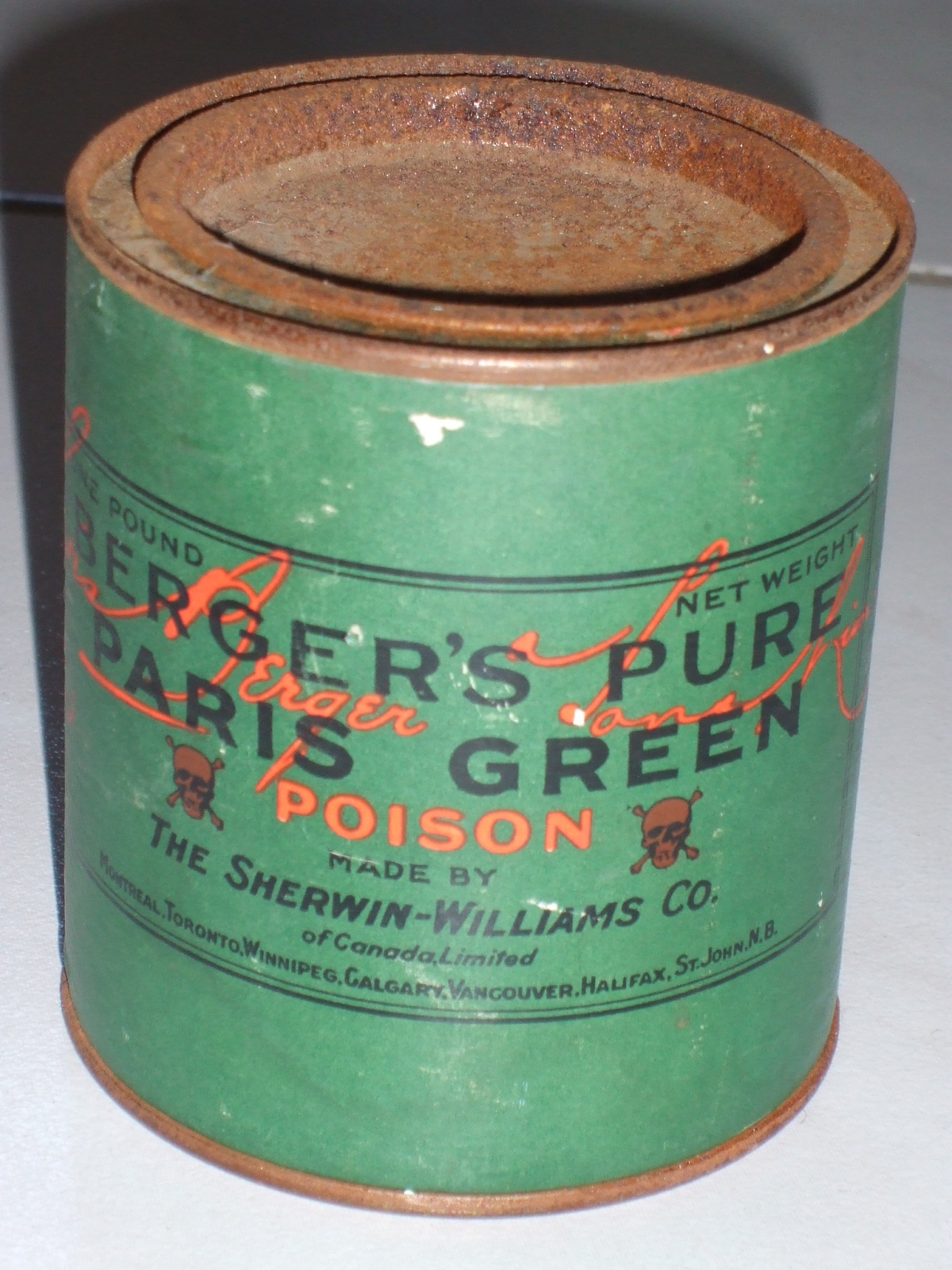
A toxic emerald-green pigment once prized in art and used as an early insecticidePigment · 🇩🇪 Germany +4

#BFFF00
Lime
A sharp yellow-green named for the skin of the lime fruitNamed shade
Green
Malachite green
A synthetic green dye once common for silk, now controversial in aquacultureDye · 🇨🇳 China +3

#80FF00
Chartreuse
A bright yellow-green named after a French liqueurNamed shade

#43B3AE
Verdigris
A historic bluish-green pigment formed on copper and used in art since antiquityPigment · 🇬🇷 Greece +1

Green
Celadon青瓷
A jade-green ceramic glaze prized in East Asian pottery for centuriesNamed shade · 🇨🇳 China +4