Malachite
A banded green mineral and pigment once prized for art and decoration
No single value: Malachite is a material, and its colour varies. The background shows its family, green.

Malachite is a copper carbonate mineral known for its striking green bands and patterns. Its name comes from its resemblance to the mallow plant's leaves. Used since ancient times for copper extraction, jewellery, and as a green pigment, malachite is found in many parts of the world and is valued for both its colour and decorative appeal.
- Malachite's name comes from its likeness to mallow leaves
- Used as a green pigment in art until about 1800
- Decorated Russian palaces and the Hermitage Museum
- Mined since ancient times in Egypt, Israel, and Britain
- Believed in Europe to protect children and aid sleep
What colour is Malachite?
Malachite is a mineral that stands out for its bright to dark green colour, often forming banded patterns. It is opaque and usually appears in rounded, fibrous, or stalactite-like masses. The mineral can also form slender crystals, though these are rare. Its green shades can be deep, sometimes nearly black, and it is known for its decorative appeal in both natural and polished forms.
Where does Malachite come from?
The name 'malachite' comes from the Greek for 'mallow-green stone', referring to its similarity to the mallow plant's leaves. It has been mined since at least 4000 BC in Egypt and was also worked in ancient Israel and Britain. Malachite's green colour is due to its copper content. Over time, it became valued not only as a copper ore but also as a gemstone and pigment.
How is Malachite made?
Malachite forms naturally through the weathering and oxidation of copper ores, often in limestone-rich areas. It is sometimes produced synthetically as 'green verditer'. As a pigment, malachite is ground into a powder. The mineral is also smelted to extract copper, using heat and carbon, or leached with sulfuric acid in modern methods.


Where Malachite is used
For centuries, malachite was used as a green pigment in painting until about 1800, when synthetic greens replaced it. It is also prized for decorative work, such as vases, panels, and inlay in buildings and furniture, especially in Russia and Mexico. In ancient Egypt, malachite pigment was used in burial practices, including eye preparations.
What Malachite means
In ancient Egypt, green was linked to death, rebirth, and fertility, with the 'Field of Malachite' representing paradise in the afterlife. In Europe, malachite was thought to protect children, aid sleep, and guard against evil spirits and disease. It was also worn for health and constancy, and engraved with sun symbols to ward off depression.
Green around the world
What the green family means from country to country.
In ancient Egypt green meant new growth and life after death. Osiris, god of the dead and of rebirth, was painted with green skin.
Nature and renewalSacred and holyHopeSource: OsirisThe green band of the flag is read as hope. When the colours were chosen in 1821 it stood for independence from Spain.
Politics and protestHopeSource: Flag of MexicoA green kerchief is the sign of the campaign for legal abortion. Huge crowds wore it in 2018, and the movement was called the green wave.
Politics and protestHopeSource: Green scarfGreen and gold have been the official national colours since 1984 and are worn by national sports teams. They echo the leaves and flowers of the golden wattle.
Festival and celebrationPrideSource: National colours of AustraliaA Test cricketer is given a dark green cap, the baggy green, on first playing for Australia. Many players wear the same faded cap for a whole career.
Festival and celebrationPrideSource: Baggy greenThe green field of the flag stands for the land and its rice fields. Many people also read it as the youth and vigour of the country.
Nature and renewalPolitics and protestHopeSource: Flag of BangladeshShades and relatives of Malachite
Malachite is often found with azurite, a blue copper mineral, and the two can be confused. Synthetic forms like green verditer have replaced natural malachite in many uses. Other green minerals, such as annabergite, can resemble malachite but differ in composition and properties.
Questions people ask about Malachite
What colour is malachite?
Malachite is a mineral that ranges from bright to dark green, often with banded patterns. Its colour comes from copper in its chemical structure.
Where does the name malachite come from?
The name comes from Greek, meaning 'mallow-green stone', because its colour resembles the leaves of the mallow plant.
What was malachite used for?
Malachite was used as a green pigment in art, for jewellery and decoration, and as a source of copper metal. It also played a role in ancient burial practices in Egypt.
Where is malachite found?
Malachite is found in many countries, including Egypt, Israel, Russia, the Democratic Republic of the Congo, and Mexico. It often forms near copper deposits.
Is malachite still used as a pigment?
Natural malachite pigment has mostly been replaced by synthetic greens like verditer, but it is still valued for decorative stonework.
Good reading and sources
- Malachite on WikipediaEncyclopedia
- More pictures on Wikimedia CommonsPictures
- Wikidata recordOpen data
The facts on this page come from the Wikipedia article "Malachite", written by its contributors and used under the CC BY-SA 4.0 licence, and from its Wikidata record (CC0). Rang rewrote the text in its own words, with AI assistance, and compares every page with the article to make sure no passage is copied. It may be reused under the same CC BY-SA 4.0 licence with a link back.
It may contain mistakes. The swatch is an approximation: named colours are not fixed standards, and every screen shows them a little differently. If something is wrong, tell us. Last refreshed 2026-10-03.
More of the green family
All of green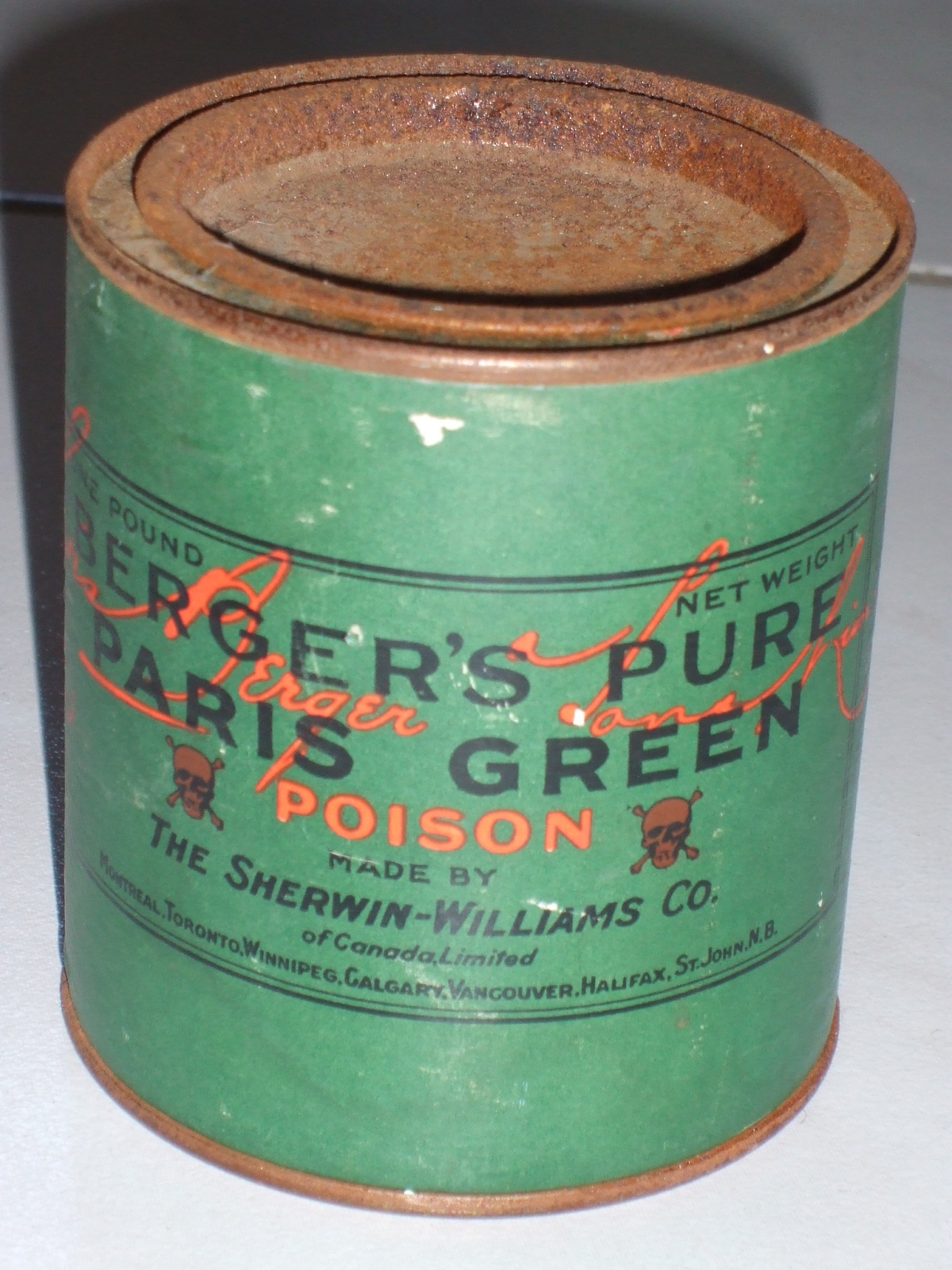
#50C878
Paris Green
A toxic emerald-green pigment once prized in art and used as an early insecticidePigment · 🇩🇪 Germany +4
Green
Malachite green
A synthetic green dye once common for silk, now controversial in aquacultureDye · 🇨🇳 China +3

#43B3AE
Verdigris
A historic bluish-green pigment formed on copper and used in art since antiquityPigment · 🇬🇷 Greece +1

Green
Celadon青瓷
A jade-green ceramic glaze prized in East Asian pottery for centuriesNamed shade · 🇨🇳 China +4

Green
Scheele's green
A yellowish-green pigment once prized for its brilliance, now infamous for its toxicityPigment

#40826D
Viridian
A blue-green pigment made from hydrated chromium oxide, valued in painting since the 1800sPigment

Green
Jade
A decorative stone prized for its green shades and cultural meaning across continentsColour named from nature · 🇨🇳 China +5
Green
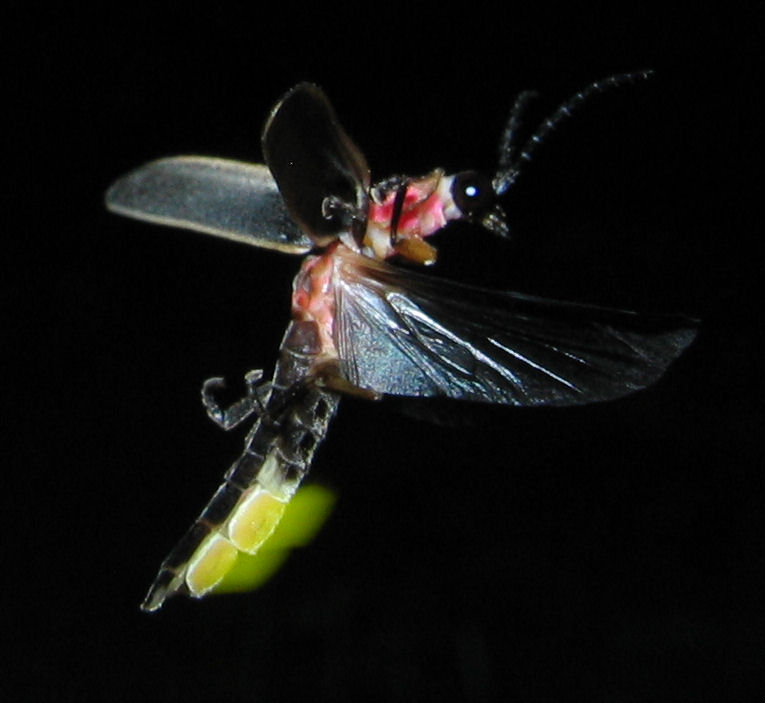
Bioluminescence
Light produced by living things through a chemical reactionColour named from nature
More colours tied to Egypt
The colours of Egypt
#FFFF00
Yellow
A primary colour between green and orange, seen in sunlight, leaves, and pigmentsBasic colour · 🇫🇷 France +5

Blue
Lapis lazuli
A deep blue stone prized for jewellery and the source of ultramarine pigmentColour named from nature · 🇦🇫 Afghanistan +5

Blue
Azurite
A deep blue copper mineral once prized as a pigment and gemstonePigment · 🇫🇷 France +5

#CC7722
Ochre
A natural earth pigment ranging from yellow to deep orange or brownPigment · 🇦🇺 Australia +5