Celadon
In its own language: 青瓷
A jade-green ceramic glaze prized in East Asian pottery for centuries
No single value: Celadon is a material, and its colour varies. The background shows its family, green.

Celadon is a jade-green glaze used on pottery, first developed in China and later spread across East Asia. Its colour, achieved by firing iron oxide glazes in a reducing kiln, was admired for resembling jade and became a symbol of refinement in imperial China and Korea.
- Celadon glaze was first made in China and spread across East Asia.
- Its colour is created by firing iron oxide glaze in a reducing kiln.
- Longquan kilns in Zhejiang are famous for classic celadon wares.
- Korean Goryeo celadon is renowned for its pale green-blue shade.
- Celadon resembles jade, a treasured stone in Chinese culture.
What colour is Celadon?
Celadon refers to both a soft jade-green colour and the ceramic glaze that produces it. The glaze is usually partly transparent and often features a fine network of cracks. Celadon wares are most often seen in shades ranging from pale green to deep olive, sometimes with blue or yellowish tones depending on the glaze and firing. The colour is valued for its resemblance to jade, a highly prized stone in East Asia.
Where does Celadon come from?
The name 'celadon' is European, most likely coming from a character in a 17th-century French novel who wore pale green ribbons. The glaze itself was first made in China, with early examples found as far back as the Eastern Han dynasty. Chinese kilns such as Longquan became famous for their celadon wares, and the technique later spread to Korea, Japan, and Southeast Asia.
How is Celadon made?
Celadon glaze is made by firing a mixture containing a small amount of iron oxide on a pottery body at high temperatures in a kiln with reduced oxygen. The exact green shade depends on the amount of iron, the clay used, and the firing conditions. Too little iron gives blue, too much gives olive or black. Other chemicals, like titanium dioxide, can shift the colour towards yellow.


Where Celadon is used
Celadon is mainly seen on pottery, especially bowls, vases, plates, and ceremonial vessels. In China and Korea, it was highly valued by the imperial courts and often exported to neighbouring countries and the Middle East. Japanese potters also produced celadon, though it was less common due to the difficulty of production. The glaze is prized for both its colour and its subtle, crackled surface.
What Celadon means
Celadon was admired in China for its similarity to jade, which symbolised high value and refinement. In Korea, celadon was used for important wares and sometimes for ritual vessels. The sources do not mention specific symbolic meanings beyond its association with jade and status.
Green around the world
What the green family means from country to country.
To "wear a green hat" is a Chinese phrase for a man whose wife is unfaithful. For that reason men avoid green hats, and they make a poor gift.
Love and desireShameSource: Color in Chinese cultureA green kerchief is the sign of the campaign for legal abortion. Huge crowds wore it in 2018, and the movement was called the green wave.
Politics and protestHopeSource: Green scarfGreen and gold have been the official national colours since 1984 and are worn by national sports teams. They echo the leaves and flowers of the golden wattle.
Festival and celebrationPrideSource: National colours of AustraliaA Test cricketer is given a dark green cap, the baggy green, on first playing for Australia. Many players wear the same faded cap for a whole career.
Festival and celebrationPrideSource: Baggy greenThe green field of the flag stands for the land and its rice fields. Many people also read it as the youth and vigour of the country.
Nature and renewalPolitics and protestHopeSource: Flag of BangladeshThe flag is white, green and red. The green band, which took the place of the blue in the Russian flag, is read as the country's forests and farmland.
Politics and protestNature and renewalSource: Flag of BulgariaShades and relatives of Celadon
Celadon glazes can range from pale green to deep green, blue-green, and even bluish white. Some related wares, like Ru, Guan, and Ge ware, are valued for their blue or off-white shades. The glaze can also show crackle patterns or be more opaque, depending on technique and materials.
Questions people ask about Celadon
What colour is celadon?
Celadon is a soft jade-green, sometimes with blue or yellowish tones, depending on the glaze and firing. It is most often seen as a pale to deep green on pottery.
Where does the name 'celadon' come from?
The name 'celadon' is European, likely from a character in a 17th-century French novel who wore pale green ribbons. The glaze itself was first made in China.
How is celadon glaze made?
Celadon glaze is made by firing a glaze with a small amount of iron oxide at high temperatures in a kiln with reduced oxygen. The exact shade depends on the iron content and firing conditions.
What is celadon used for?
Celadon is mainly used on pottery, such as bowls, vases, plates, and ceremonial vessels. It was especially valued in China and Korea and exported widely.
Why is celadon important in East Asia?
Celadon was admired for its resemblance to jade, a highly valued stone in China. It became a symbol of refinement and was favoured by imperial courts in China and Korea.
Good reading and sources
The facts on this page come from the Wikipedia article "Celadon", written by its contributors and used under the CC BY-SA 4.0 licence, and from its Wikidata record (CC0). Rang rewrote the text in its own words, with AI assistance, and compares every page with the article to make sure no passage is copied. It may be reused under the same CC BY-SA 4.0 licence with a link back.
It may contain mistakes. The swatch is an approximation: named colours are not fixed standards, and every screen shows them a little differently. If something is wrong, tell us. Last refreshed 2026-10-03.
More of the green family
All of green
Green
Malachite
A banded green mineral and pigment once prized for art and decorationColour named from nature · 🇪🇬 Egypt +4

#808000
Olive
A dark yellowish green, like the colour of unripe olivesNamed shade
#50C878
Paris Green
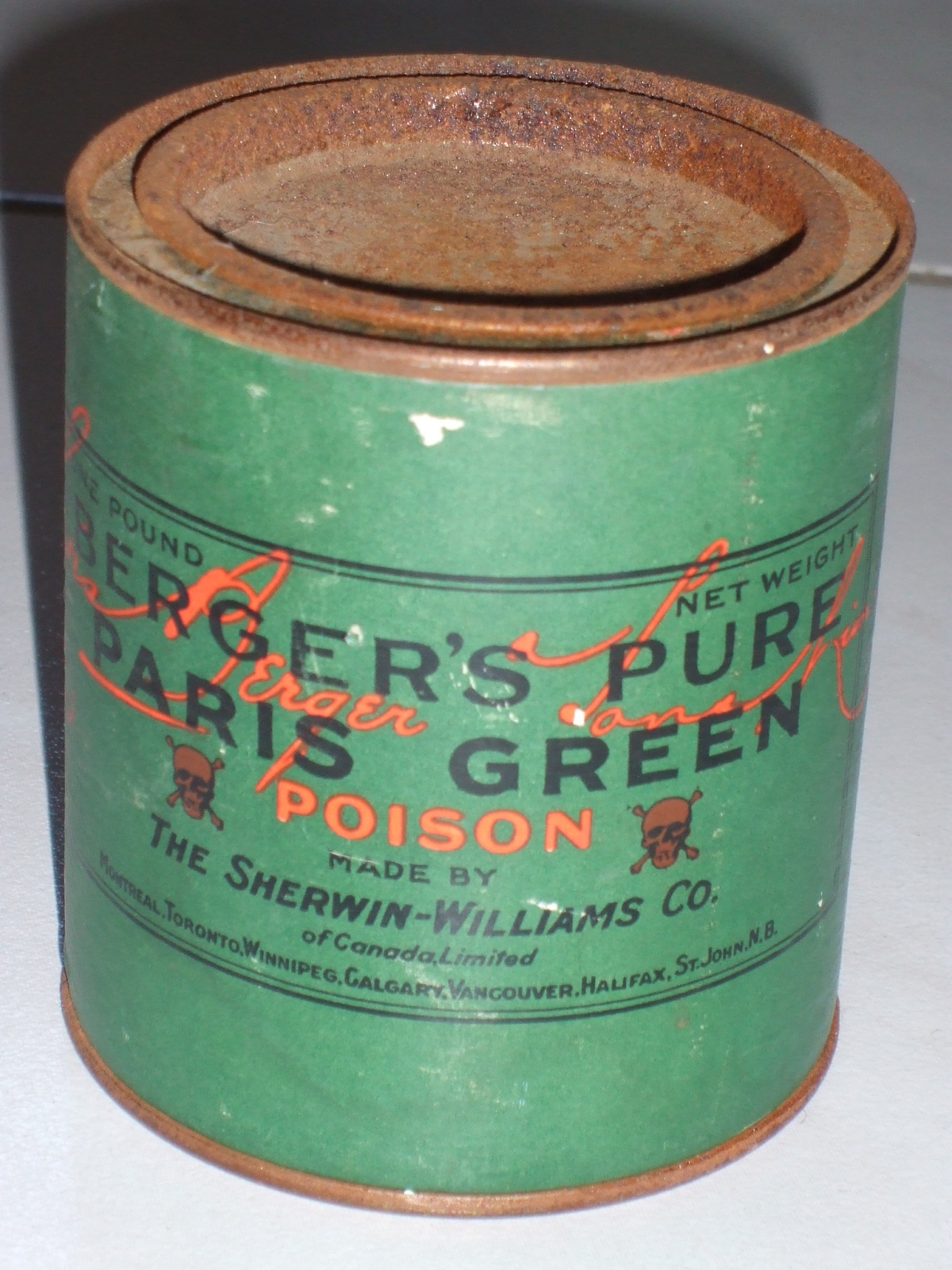
A toxic emerald-green pigment once prized in art and used as an early insecticidePigment · 🇩🇪 Germany +4

#BFFF00
Lime
A sharp yellow-green named for the skin of the lime fruitNamed shade

#80FF00
Chartreuse
A bright yellow-green named after a French liqueurNamed shade

#43B3AE
Verdigris
A historic bluish-green pigment formed on copper and used in art since antiquityPigment · 🇬🇷 Greece +1

Green
Scheele's green
A yellowish-green pigment once prized for its brilliance, now infamous for its toxicityPigment

#40826D
Viridian
A blue-green pigment made from hydrated chromium oxide, valued in painting since the 1800sPigment
More colours tied to China
The colours of China
#FF0000
Red
A primary colour seen in light, pigment, and tradition worldwideBasic colour · 🇺🇸 United States +5

#FFFF00
Yellow
A primary colour between green and orange, seen in sunlight, leaves, and pigmentsBasic colour · 🇫🇷 France +5

#800080
Purple
A cool colour between red and blue, long linked with royalty and rarityBasic colour · 🇱🇧 Lebanon +5

Red
Cinnabar
A scarlet to brick-red mineral and the main source of mercury and vermilion pigmentColour named from nature · 🇪🇸 Spain +5