Verdigris
A historic bluish-green pigment formed on copper and used in art since antiquity

Verdigris is a bluish-green pigment made from copper salts of acetic acid, known for forming the patina seen on copper, bronze, and brass. Used in painting and sculpture from ancient Greece to the 20th century, it is valued for its colour but is unstable and mildly toxic, leading to its decline in favour of more reliable greens.
Share on WhatsAppOpen in the lab
- Forms the bluish-green patina on copper and bronze
- Used as a pigment in art from antiquity to the 20th century
- Production was centred in Montpellier, France
- Colour shifts with age and exposure
- Mildly toxic and now largely replaced by safer pigments
What colour is Verdigris?
Verdigris is a colour and pigment that appears as a bluish-green, sometimes shifting towards green or blue depending on its chemical form. It forms naturally as a patina on copper, bronze, and brass, and has long been used as a pigment in art. Its distinctive hue sets it apart from other greens by its metallic, sometimes translucent quality, and its tendency to change shade over time.
Where does Verdigris come from?
The name 'verdigris' comes from Old French, with possible roots in phrases meaning 'green of vinegar', 'green of grey', or 'green of Greece', reflecting both its colour and its early trade origins. Verdigris was widely imported from Greece in the past and became a staple pigment in European art. Its production and use are recorded from antiquity through the Middle Ages and Renaissance.
How is Verdigris made?
Verdigris is made by exposing copper to acetic acid, often using vinegar or distilled wine. Historically, copper strips or plates were placed with acid in damp conditions, sometimes buried in dung or stacked in pots, to encourage the growth of verdigris crystals. The pigment was then scraped off and ground for use. In Montpellier, France, a major centre of production, women often managed the process in household cellars.


Where Verdigris is used
Artists have used verdigris since ancient Rome and Pompeii, through the Middle Ages and Renaissance, for its bright green tones in paintings, sculpture, and illuminated maps. It was valued for its transparency and ability to create vivid greens, especially when mixed with other pigments. Verdigris also appeared in house paints and as an imitation of Asian lacquer. Its use declined as more stable green pigments became available.
Green around the world
What the green family means from country to country.
Green is the colour of PASOK, the socialist party that led many governments after 1981. Its symbol is a green rising sun.
Politics and protestSource: PASOKA green kerchief is the sign of the campaign for legal abortion. Huge crowds wore it in 2018, and the movement was called the green wave.
Politics and protestHopeSource: Green scarfGreen and gold have been the official national colours since 1984 and are worn by national sports teams. They echo the leaves and flowers of the golden wattle.
Festival and celebrationPrideSource: National colours of AustraliaA Test cricketer is given a dark green cap, the baggy green, on first playing for Australia. Many players wear the same faded cap for a whole career.
Festival and celebrationPrideSource: Baggy greenThe green field of the flag stands for the land and its rice fields. Many people also read it as the youth and vigour of the country.
Nature and renewalPolitics and protestHopeSource: Flag of BangladeshThe flag is white, green and red. The green band, which took the place of the blue in the Russian flag, is read as the country's forests and farmland.
Politics and protestNature and renewalSource: Flag of BulgariaShades and relatives of Verdigris
Verdigris includes several related copper salts, such as copper(II) acetate, basic copper carbonate, and copper chloride, leading to variations in colour from green to blue-green. The pigment is sometimes called 'neutral verdigris' or 'blue verdigris' depending on its composition. Its appearance can change with exposure to air, light, and binding media, and it is sometimes confused with other historic green pigments like emerald green or viridian.
Colours that go with Verdigris
Harmonies are worked out from the value #43B3AE. Contrast ratios follow the WCAG 2 formula.
Questions people ask about Verdigris
What colour is verdigris?
Verdigris is a bluish-green that can range from green to blue-green, depending on its chemical composition and age.
Where does the name 'verdigris' come from?
The name comes from Old French, possibly meaning 'green of vinegar', 'green of grey', or 'green of Greece', reflecting its colour and early trade origins.
How is verdigris made?
Verdigris is made by exposing copper to acetic acid, such as vinegar or distilled wine, which causes greenish crystals to form that are then collected and used as pigment.
Why did artists stop using verdigris?
Artists moved away from verdigris because it is unstable, changing colour over time, and mildly toxic. More reliable and safer green pigments became available in the 19th and 20th centuries.
Where was verdigris produced in large quantities?
Montpellier in France was a major centre for verdigris production, especially in the 18th century, with much of the work managed by women.
Good reading and sources
- Verdigris on WikipediaEncyclopedia
- More pictures on Wikimedia CommonsPictures
- Wikidata recordOpen data
The facts on this page come from the Wikipedia article "Verdigris", written by its contributors and used under the CC BY-SA 4.0 licence, and from its Wikidata record (CC0). Rang rewrote the text in its own words, with AI assistance, and compares every page with the article to make sure no passage is copied. It may be reused under the same CC BY-SA 4.0 licence with a link back.
It may contain mistakes. The swatch is an approximation: named colours are not fixed standards, and every screen shows them a little differently. If something is wrong, tell us. Last refreshed 2026-10-03.
More of the green family
All of green
Green
Malachite
A banded green mineral and pigment once prized for art and decorationColour named from nature · 🇪🇬 Egypt +4
#50C878
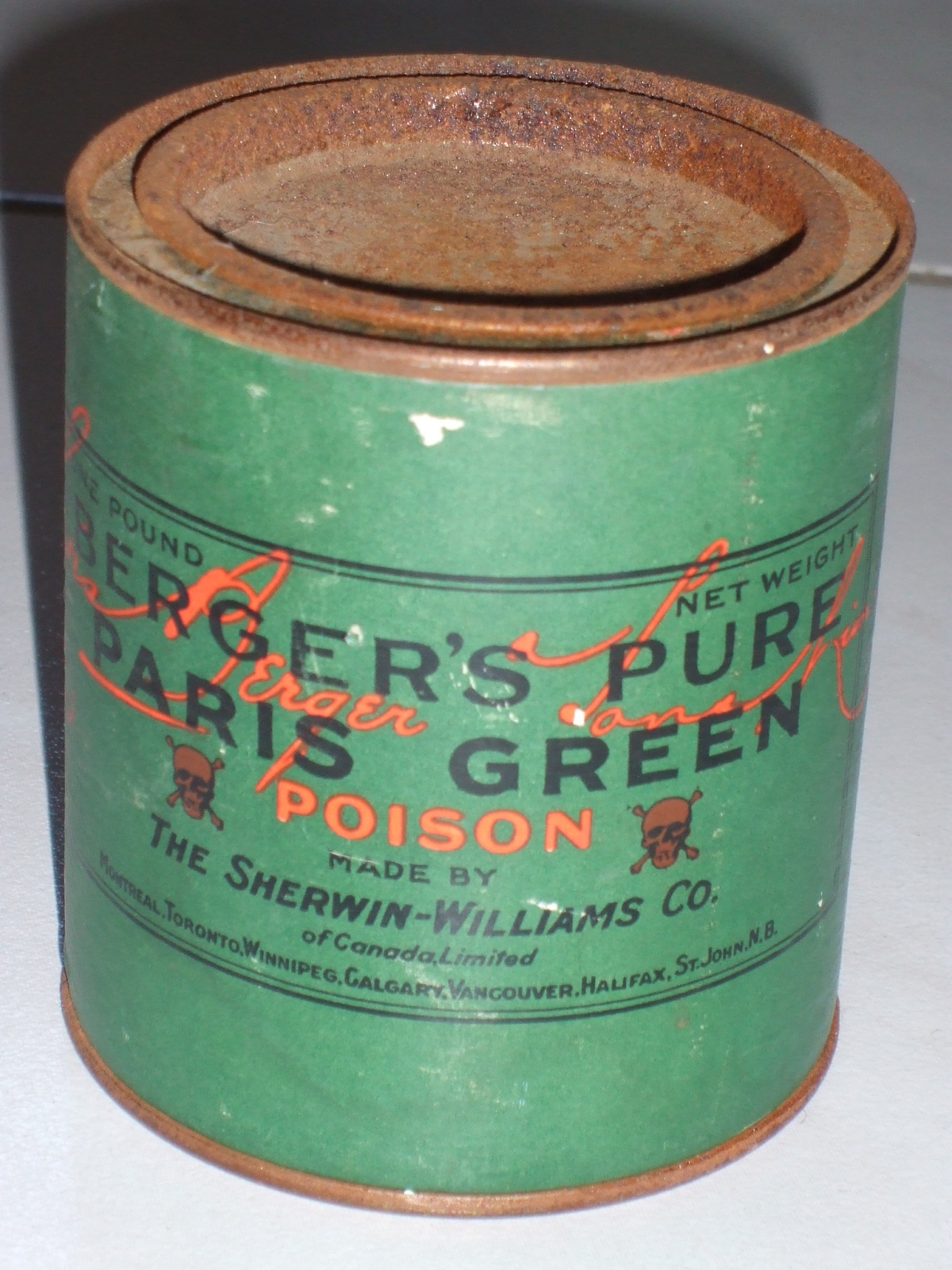
Paris Green
A toxic emerald-green pigment once prized in art and used as an early insecticidePigment · 🇩🇪 Germany +4
Green
Malachite green
A synthetic green dye once common for silk, now controversial in aquacultureDye · 🇨🇳 China +3

Green
Celadon青瓷
A jade-green ceramic glaze prized in East Asian pottery for centuriesNamed shade · 🇨🇳 China +4

Green
Scheele's green
A yellowish-green pigment once prized for its brilliance, now infamous for its toxicityPigment

#40826D
Viridian
A blue-green pigment made from hydrated chromium oxide, valued in painting since the 1800sPigment

Green
Jade
A decorative stone prized for its green shades and cultural meaning across continentsColour named from nature · 🇨🇳 China +5
Green
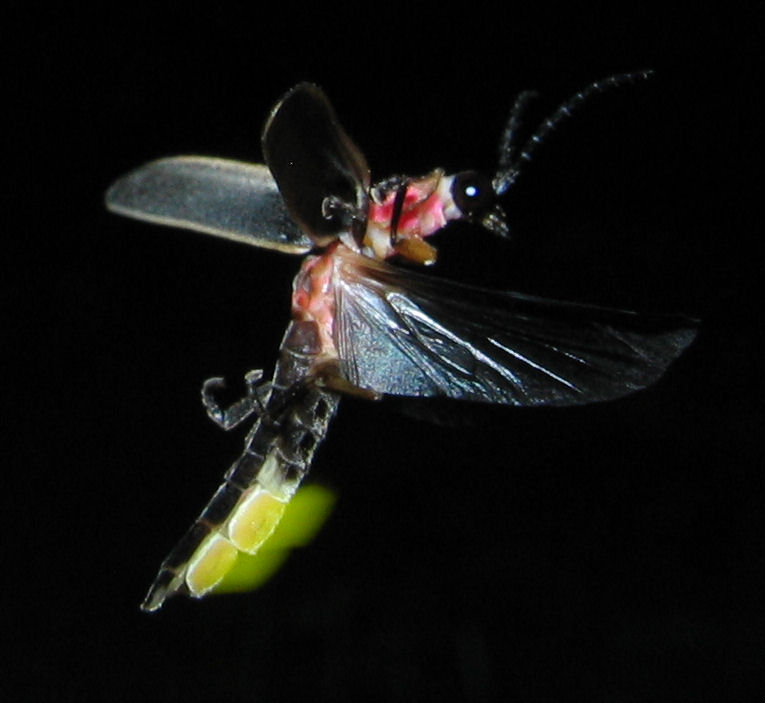
Bioluminescence
Light produced by living things through a chemical reactionColour named from nature
More colours tied to Greece
The colours of Greece
Blue
Azurite
A deep blue copper mineral once prized as a pigment and gemstonePigment · 🇫🇷 France +5

#CC7722
Ochre
A natural earth pigment ranging from yellow to deep orange or brownPigment · 🇦🇺 Australia +5

#40E0D0
Turquoise
A blue-green colour named after a prized mineral long used for gems and decorationNamed shade · 🇮🇷 Iran +5

#1034A6
Egyptian blue
A vivid blue pigment first made in ancient Egypt from copper, lime, and sandPigment · 🇪🇬 Egypt +5