Turquoise
A blue-green colour named after a prized mineral long used for gems and decoration

Turquoise is a cyan or blue-green colour, named after the mineral valued for its unique hue. The name comes from a mistaken belief that the stone originated in Turkey, though it was actually brought to Europe from Iran. Turquoise has been used in jewellery and ornament for thousands of years and is linked with architecture in Iran, Central Asia, and Russia.
Share on WhatsAppOpen in the lab
- Named after a mineral once thought to come from Turkey
- First recorded as a colour name in English in 1573
- Used in jewellery and decoration for thousands of years
- Linked to mosque architecture in Iran and Central Asia
What colour is Turquoise?
Turquoise is a blue-green or cyan shade, taking its name from a mineral that has been admired for its colour and rarity. The colour sits between blue and green, with a brightness that sets it apart from darker or duller greens and blues. Its distinct tone has made it popular in jewellery, decoration, and architecture, especially where a fresh or vivid hue is wanted.
Where does Turquoise come from?
The word 'turquoise' entered English in the 16th century, borrowed from Old French. It referred to the 'Turkish' stone, as the mineral reached Europe through Ottoman lands, though it actually came from mines in what is now Iran. Earlier, the mineral was known as callais in Ancient Greek and chalchihuitl by the Aztecs. Scientific names like kalaite and azure spar were used in mineralogy, but did not last.


Where Turquoise is used
Turquoise has been used for thousands of years, especially in jewellery and as an ornamental stone. Ancient peoples in Iran, Egypt, Greece, and the Americas valued it for its colour and rarity. The shade is also closely linked to the decoration of religious buildings, particularly in Iran, Central Asia, and Russia, where it appears on domes and interiors.
Turquoise around the world
What the turquoise and cyan family means from country to country.
Turquoise, firuzeh in Persian, has been mined near Nishapur for thousands of years. It is worn against the evil eye, and its colour covers the domes of mosques in Isfahan.
Protection and healingSacred and holyAweSource: TurquoiseIn the image of Our Lady of Guadalupe, Mary wears a blue-green cloak covered in stars. Turquoise was precious to the Aztecs, who used it in mosaic masks.
Sacred and holyAweSource: Our Lady of GuadalupeThe English word turquoise comes from the French for Turkish, because the stone reached Europe through Ottoman lands. Tiles from Iznik made the colour a mark of Ottoman mosques.
Royalty and powerSource: TurquoiseThe old colour word qing covers green, blue and the shades between. In the five-element system it belongs to wood, the east and spring.
Nature and renewalCalmSource: Blue–green distinction in languageThe mosques and tombs of Samarkand are faced with turquoise and deep blue tiles. The three great madrasas of the Registan square and their ribbed turquoise domes are the best known.
Sacred and holyAweSource: RegistanShades and relatives of Turquoise
Several shades are related to turquoise. Celeste is a lighter, sky blue version. Light turquoise is a paler form, while turquoise blue leans more toward blue. Medium turquoise and dark turquoise are web colours with deeper tones, and bright turquoise is a more vivid variant.
Colours that go with Turquoise
Harmonies are worked out from the value #40E0D0. Contrast ratios follow the WCAG 2 formula.
Questions people ask about Turquoise
What colour is turquoise?
Turquoise is a blue-green or cyan shade, named after the mineral known for its distinctive hue.
Where does the name turquoise come from?
The name comes from an Old French word meaning 'Turkish', as the mineral reached Europe through Ottoman lands, though it actually came from Iran.
Where has turquoise been used historically?
It has been used in jewellery and ornament in Iran, Egypt, Greece, and the Americas, and is also seen in the decoration of religious buildings in Iran, Central Asia, and Russia.
Are there different shades of turquoise?
Yes, related shades include celeste, light turquoise, turquoise blue, medium turquoise, dark turquoise, and bright turquoise.
Good reading and sources
- Turquoise (color) on WikipediaEncyclopedia
- More pictures on Wikimedia CommonsPictures
- Wikidata recordOpen data
The facts on this page come from the Wikipedia article "Turquoise (color)", written by its contributors and used under the CC BY-SA 4.0 licence, and from its Wikidata record (CC0). Rang rewrote the text in its own words, with AI assistance, and compares every page with the article to make sure no passage is copied. It may be reused under the same CC BY-SA 4.0 licence with a link back.
It may contain mistakes. The swatch is an approximation: named colours are not fixed standards, and every screen shows them a little differently. If something is wrong, tell us. Last refreshed 2026-10-03.
More of the turquoise and cyan family
All of turquoise and cyan
#008080
Teal
A dark cyan named after the Eurasian teal bird’s blue-green head stripeNamed shade

Turquoise and cyan
Haint blue
A pale blue-green paint used on porch ceilings in the Southern United StatesNamed shade · 🇺🇸 United States

Turquoise and cyan
Olo
An imaginary blue-green seen only by stimulating M cones in the retinaNamed shade

#009C8C
Blue-green
The colour between blue and green, part of the cyan familyNamed shade · 🇦🇺 Australia +3

#81D8D0
Tiffany Blue
A light blue-green shade trademarked by Tiffany & Co. for its boxes and brandingNamed shade

#00CCCC
Robin egg blue
A blue-green shade named for the eggs of the American robinNamed shade · 🇨🇳 China

#00BFFF
Capri
A strong blue-green named for the sea and grotto near Capri, ItalyNamed shade · 🇮🇹 Italy
#96C8A2
Eton blue
A greenish blue shade linked to Eton College and early Chelsea FC coloursNamed shade · 🇦🇺 Australia
More colours tied to Iran
The colours of Iran
#FFFF00
Yellow
A primary colour between green and orange, seen in sunlight, leaves, and pigmentsBasic colour · 🇫🇷 France +5
Blue
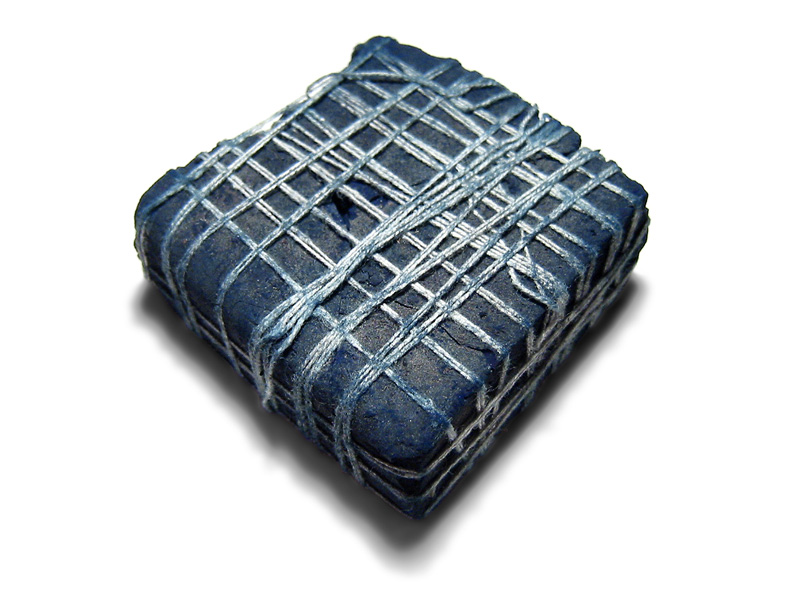
Indigo
A deep blue dye from plants, now mostly made synthetically and known for colouring denimDye · 🇮🇳 India +5
Red
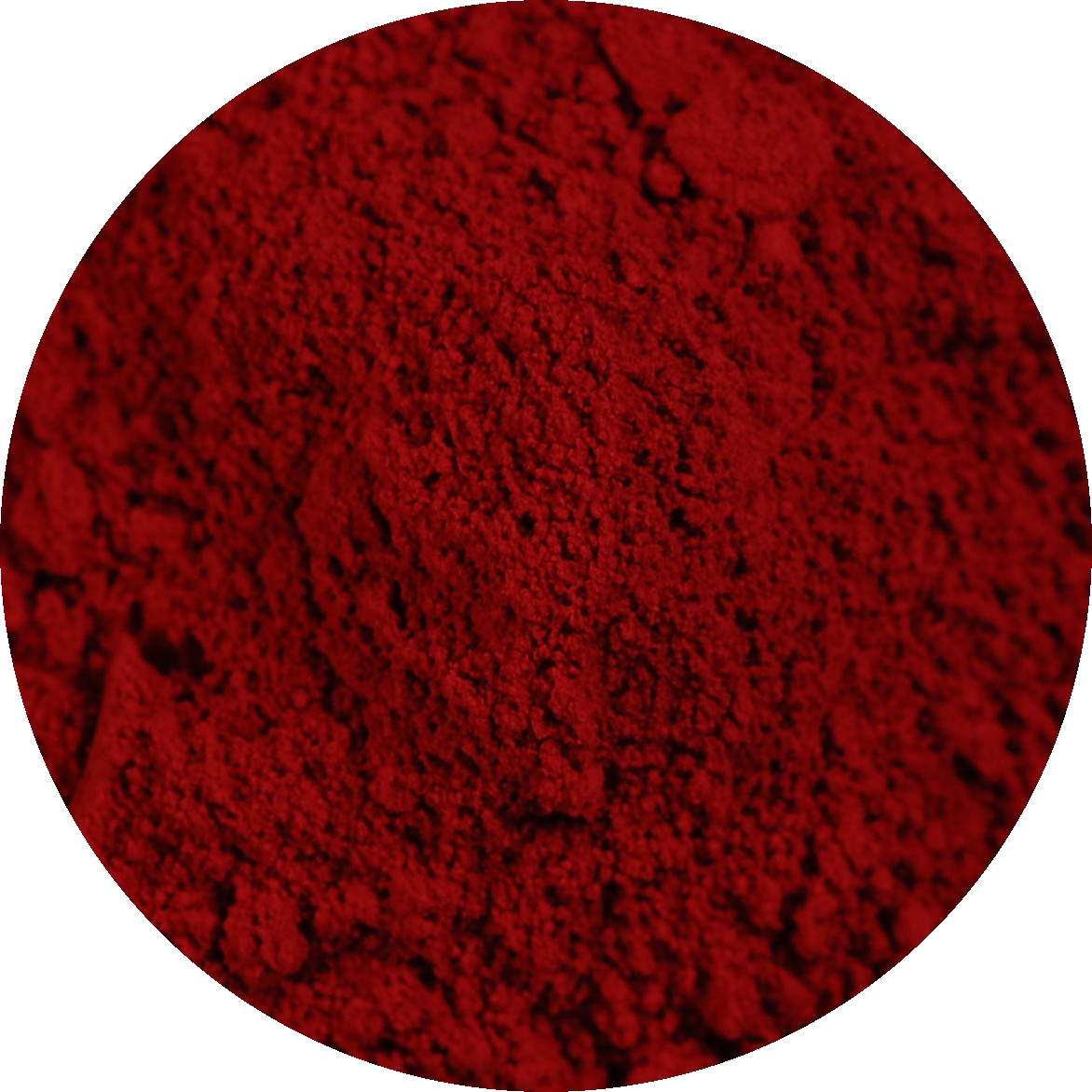
Carmine
A deep red pigment made from cochineal insects, once prized across continentsPigment · 🇫🇷 France +2

Red
Rubia
A group of plants whose roots once dyed cloth and paint a lasting redColour named from nature · 🇪🇬 Egypt +5