🇪🇬 The colours of Egypt
7 meanings recorded, 39 colours tied to the country.
Egypt’s national colours are red, white, and black, arranged in horizontal stripes on the flag. Red stands for the blood shed in the struggle against colonisation, white for the purity of Egyptians’ hearts, and black for overcoming darkness. The golden Eagle of Saladin in the centre links the flag to Egypt’s ancient heritage.
Where no official value is given, the swatch shows the colour family, not the exact shade.
The colours of the flag of Egypt
The Egyptian flag is made up of three equal horizontal stripes: red at the top, white in the middle, and black at the bottom. Each colour was given a meaning by the Free Officers after the 1952 revolution. Red recalls the sacrifices made in the fight against colonial rule. White is said to symbolise the purity of Egyptians’ intentions. Black represents the end of oppression and the triumph over hardship. In the centre of the white band sits the golden Eagle of Saladin, a symbol that connects modern Egypt to both medieval Islamic leadership and ancient Egyptian beliefs.
How the colours were chosen of Egypt
Egypt’s flag has changed several times, reflecting shifts in rulers and political ideas. Under Muhammad Ali, the flag resembled that of the Ottoman Empire, with crescents and stars. In the early 20th century, a green flag with a crescent and three stars was used, with the green said to represent the Nile valley and delta. After the 1952 revolution, the red, white, and black tricolour was introduced, marking a break from Ottoman and monarchical symbols and aligning with wider Arab nationalist movements. The eagle emblem has changed in style but always refers back to Saladin and, through him, ancient Egyptian symbolism.
Official shades and rules of Egypt
The flag must be flown on government buildings on Fridays, national holidays, and other official occasions. It is also displayed at border posts, consulates, and embassies abroad on specific days. Egyptian law treats disrespect or abuse of the flag as a criminal act, with penalties for violations. There are no official shade specifications given in the sources.
The facts in this overview come from the Wikipedia article "Flag of Egypt", written by its contributors and used under the CC BY-SA 4.0 licence. Rang rewrote the text in its own words, with AI assistance, and compares every page with the article to make sure no passage is copied. It may be reused under the same CC BY-SA 4.0 licence with a link back.
What colours mean in Egypt
Customs vary by region, faith and family; these are the meanings most often recorded.
The ancient Egyptians called the desert deshret, the red land. Red was the colour of the god Set, of chaos and of danger, and scribes wrote unlucky words in red ink.
Danger and warningFearSource: RedThe flag is red, white and black. Red recalls the struggle before the 1952 revolution, white the revolution itself, which was nearly bloodless, and black the end of oppression.
Politics and protestPrideSource: Flag of EgyptIn ancient Egypt green meant new growth and life after death. Osiris, god of the dead and of rebirth, was painted with green skin.
Nature and renewalSacred and holyHopeSource: OsirisAncient craftsmen made Egyptian blue, one of the first synthetic pigments, and blue-glazed faience for amulets. Blue stood for the sky and the Nile.
Sacred and holyProtection and healingAweSource: Egyptian blueMany households hang a blue glass bead with an eye on it by the door or in the car to keep off the evil eye, known as hasad. Blue eye beads were already made in ancient Egypt.
Protection and healingSource: Nazar (amulet)The old name of the country, Kemet, means the black land, after the dark silt left by the Nile flood. To the ancient Egyptians black was the colour of fertile soil and new life.
Nature and renewalHopeSource: BlackThe ancient Egyptians held that the flesh of the gods was gold, which never tarnishes. Royal coffins and masks, like Tutankhamun's, were made of it.
Sacred and holyRoyalty and powerAweSource: Mask of TutankhamunColour and feeling in Egypt
The Qur'an describes the people of paradise dressed in green silk, and green is loved across the Muslim world as a colour of rest and blessing.
In Arabic a kind, sincere person without malice is said to have a 'white heart', qalb abyad.
In Arabic a shameful act 'blackens the face' and an honourable one 'whitens' it, images that also appear in the Qur'an.
Ancient Egyptians described the flesh of the gods as gold and their hair as lapis lazuli, and buried kings in both.
Colour cities of Egypt
Colours tied to Egypt

#FFFF00
Yellow
A primary colour between green and orange, seen in sunlight, leaves, and pigmentsBasic colour · 🇫🇷 France +5

Blue
Lapis lazuli
A deep blue stone prized for jewellery and the source of ultramarine pigmentColour named from nature · 🇦🇫 Afghanistan +5

Green
Malachite
A banded green mineral and pigment once prized for art and decorationColour named from nature · 🇪🇬 Egypt +4

Blue
Azurite
A deep blue copper mineral once prized as a pigment and gemstonePigment · 🇫🇷 France +5

#CC7722
Ochre
A natural earth pigment ranging from yellow to deep orange or brownPigment · 🇦🇺 Australia +5

#40E0D0
Turquoise
A blue-green colour named after a prized mineral long used for gems and decorationNamed shade · 🇮🇷 Iran +5
Blue
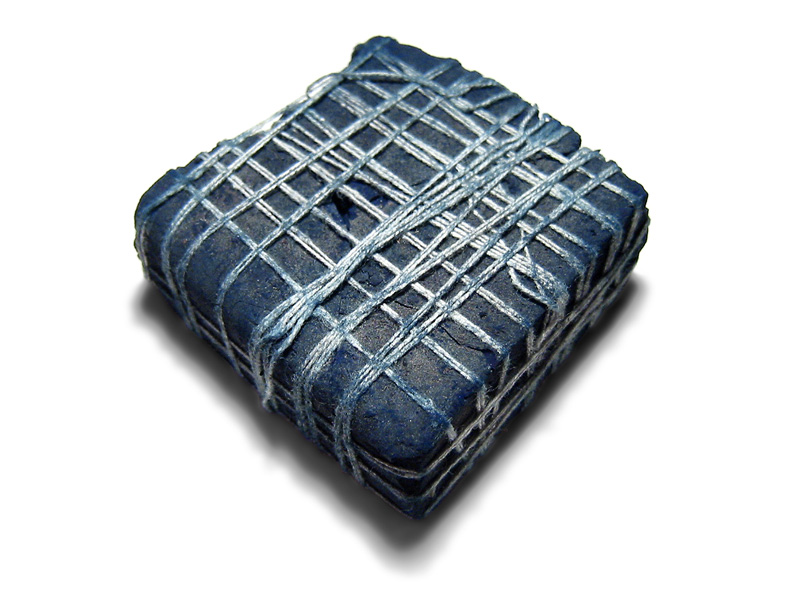
Indigo
A deep blue dye from plants, now mostly made synthetically and known for colouring denimDye · 🇮🇳 India +5

Yellow
Orpiment
A golden-yellow mineral pigment once prized for its brilliant colour and rarityPigment · 🇪🇬 Egypt +5
#120A8F
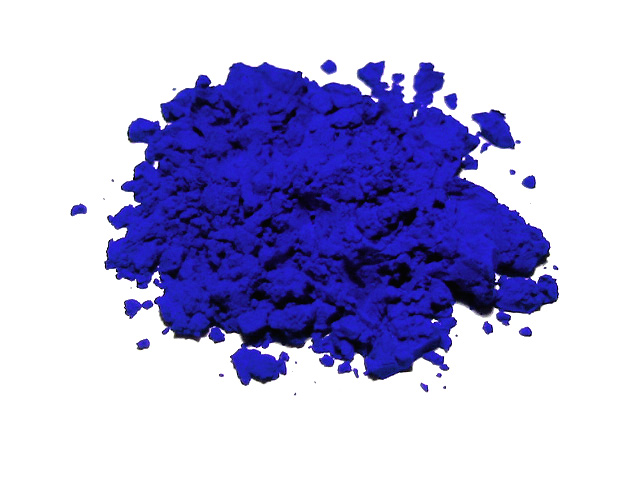
Ultramarine
A deep blue pigment once made from lapis lazuli, prized for centuries in artPigment · 🇦🇫 Afghanistan +2

Red
Realgar
An orange-red arsenic sulfide mineral once used as a pigment and poisonPigment · 🇨🇳 China +5

Red
Rubia
A group of plants whose roots once dyed cloth and paint a lasting redColour named from nature · 🇪🇬 Egypt +5

#E32636
Alizarin
A deep red dye first made from madder roots, later produced from coal tarDye · 🇹🇷 Turkey +1

Black
Kohlكُحْل
A dark eye cosmetic made from minerals like galena and stibniteTraditional colour · 🇪🇬 Egypt +5

Purple and violet
Tyrian purple
A reddish-purple dye once worth its weight in silver, made from sea snailsDye · 🇱🇧 Lebanon +4

#1034A6
Egyptian blue
A vivid blue pigment first made in ancient Egypt from copper, lime, and sandPigment · 🇪🇬 Egypt +5

Red
Hennaحِنَّاء
A reddish dye from the henna plant, used for body art and hair since ancient timesColour named from nature · 🇪🇬 Egypt +5

#FADA5E
Naples yellow
A historic synthetic yellow pigment once prized by painters and pottersPigment · 🇪🇬 Egypt +1

Red
Kermes
A deep red dye made from Mediterranean scale insects, once prized for scarlet clothDye · 🇪🇬 Egypt +5

Blue
Tekheletתְּכֵלֶת
A blue dye from sea snails, central to ancient Jewish ritual and traditionDye · 🇮🇱 Israel +2

#824B27
Mummy brown
A transparent brown pigment once made from ground Egyptian mummiesPigment · 🇪🇬 Egypt
#E32636
Rose madder
A traditional red pigment made from the roots of the madder plantPigment · 🇪🇬 Egypt +5

Black
Ebony
A jet-black hardwood valued for its smooth finish and rarityColour named from nature · 🇪🇬 Egypt +5

#FF9361
Blond hair
A human hair colour ranging from pale yellow to golden or reddish tonesColour named from nature · 🇫🇷 France +4

Brown
Pinto horse
A horse coat with large patches of white and another colourNamed shade · 🇺🇸 United States +2

White
Venetian ceruse
A white lead-based cosmetic once prized for skin whitening in Renaissance EuropePigment · 🇮🇹 Italy +2

#E32636
Alizarin crimson
A deep red with blue undertones, once made from madder rootsNamed shade · 🇪🇬 Egypt

#FF4203
Minium
A bright orange-red pigment made by heating lead, once common in medieval manuscriptsPigment · 🇨🇳 China +5
#003399
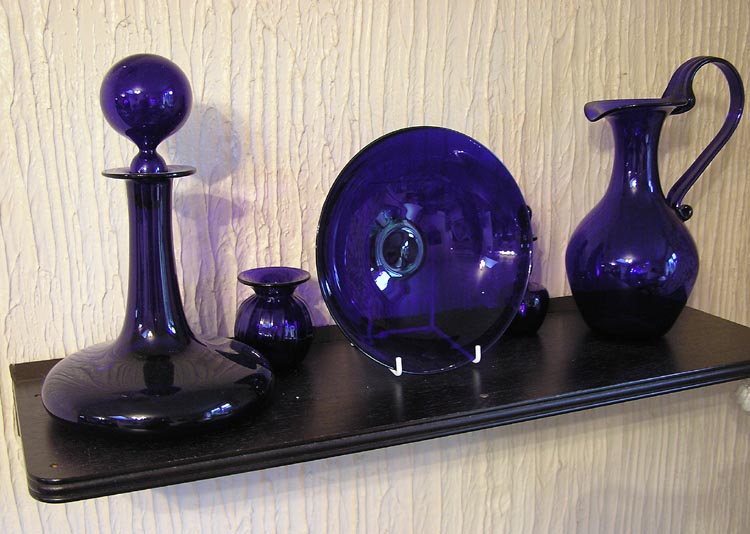
Cobalt glass
A deep blue glass coloured with cobalt compounds, used in art and decoration for centuriesPigment · 🇪🇬 Egypt +2

Blue
Blue hair
Hair coloured blue by dye, art, or nature’s rare effectsNamed shade · 🇯🇵 Japan +5

Yellow
Golden ochre
A warm yellow pigment rich in iron, prized since ancient times for its pure colourPigment · 🇬🇷 Greece +2
Blue
Azurite
A blue pigment ground from copper-rich mineral, common in medieval and Renaissance artPigment · 🇪🇬 Egypt +2

Gold and metallics
Metal effect pigments
Pigments that give paints and inks a metallic look using tiny metal flakesPigment · 🇪🇬 Egypt +1

Blue
Blue
A colour long prized in art, faith and dress, from ancient Egypt to modern flagsBasic colour · 🇪🇬 Egypt +5

Blue
Blue pigment
Pigments that give blue colour to paints, inks, and art from ancient times to todayPigment · 🇪🇬 Egypt +5

Red
Red pigment
Pigments made from minerals, plants, and insects to create red colours in artPigment · 🇫🇷 France +4

Green
Green pigment
Pigments that give green colour to paint, ink, and art through historyPigment · 🇪🇬 Egypt +5

Yellow
Safflower
A thistle-like plant whose petals yield red and yellow dyesColour named from nature · 🇪🇬 Egypt +4

Yellow
Weld
A plant once prized for its bright yellow dyeDye · 🇫🇷 France +3
#D71345
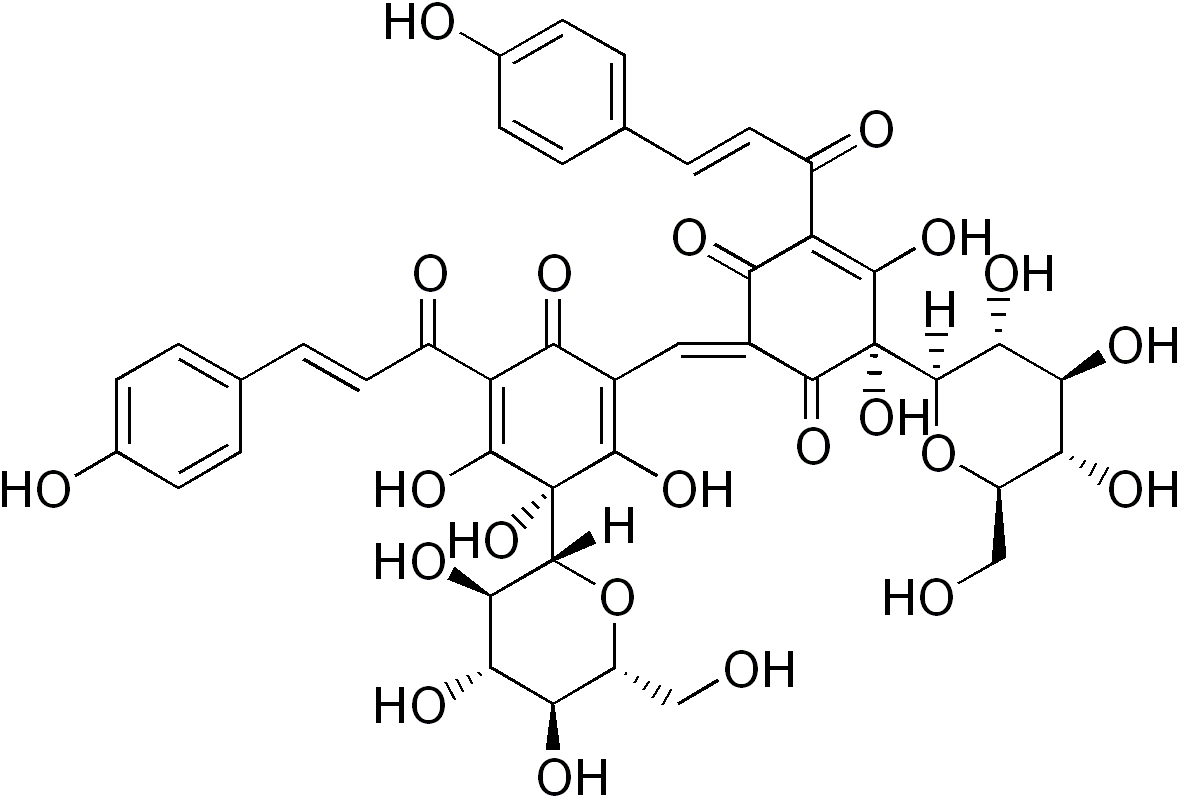
Carthamin
A red pigment and dye obtained from safflower flowersPigment · 🇪🇬 Egypt +1
Photo credits on this page
The small pictures above come from Wikimedia Commons under free licences. Some are cropped to fit.
- Indigo: Photo by Evan Izer ( Palladian ), CC BY-SA 2.5, source
- Safflower: AndrewMT, CC BY 3.0, source
- Blond hair: Titus Tscharntke, Public domain, source
- Tyrian purple: Photograph: U.Name.Me Derivative work: TeKaBe, CC BY-SA 4.0, source
- Rubia: Unknown author, CC BY-SA 3.0, source
- Alizarin crimson: Sojol Rana, Public domain, source
- Minium: Torii Kiyonobu I, Public domain, source
- Green pigment: Claude Monet, Public domain, source
- Tekhelet: The original uploader was Sputnikcccp at English Wikipedia ., CC BY-SA 3.0, source
- Effect pigment: FK1954, Public domain, source
- Mummy brown: Geni, CC BY-SA 4.0, source
- Ebony: CaptMondo, CC BY 2.5, source
- Malachite: Burkhard Mücke, CC BY-SA 4.0, source
- Realgar: Géry PARENT, CC BY-SA 4.0, source
- Orpiment: Ra'ike, CC BY-SA 3.0, source
- Venetian ceruse: George Vertue, Public domain, source
- Kermes: MyName ( Gryffindor ) stitched by Marku1988 This panoramic image was c, Public domain, source
- Henna: Izzah Zainab, CC BY 2.0, source
- Pinto horse: Michael Apel, CC BY-SA 3.0, source
- Kohl: Camila Zanon., CC BY 2.0, source
- Azurite: Ivar Leidus, CC BY-SA 4.0, source
- Cobalt glass: Unknown author, Public domain, source
- Ultramarine: Unknown author, Public domain, source
- Lapis lazuli: Adam Ognisty, CC BY-SA 3.0, source
- Blue hair: Kevin Dooley, CC BY 2.0, source
- Golden ochre: Marco Almbauer, CC BY-SA 3.0, source
- Blue: Marie-Lan Nguyen, Public domain, source
- Alizarin: M. Girard - University of Kansas, CC BY-SA 4.0, source
- Ochre: Marco Almbauer, CC BY-SA 3.0, source
- Naples yellow: Matthias Stom, Public domain, source
- Yellow: Mark Robinson, CC BY 2.0, source
- Turquoise: Reno Chris (original), Ra'ike (derivative work), Public domain, source
- Egyptian blue: Bairuilong, CC BY-SA 4.0, source
- Blue pigment: David Stroe, CC BY-SA 3.0, source
- Red pigment: Marco Almbauer, Public domain, source
- Weld: Stefan.lefnaer, CC BY-SA 3.0 at, source
- Carthamin: Edgar181, Public domain, source