Tekhelet
In its own language: תְּכֵלֶת
A blue dye from sea snails, central to ancient Jewish ritual and tradition
No single value: Tekhelet is a material, and its colour varies. The background shows its family, blue.

Tekhelet is a blue dye with deep roots in Jewish tradition, most famously used for the fringes (tzitzit) of ritual garments and in the Tabernacle. Its source is a Mediterranean sea snail, and the exact shade ranges from blue to blue-purple. Once lost, the method for making tekhelet has been revived in modern times.
- Tekhelet is mentioned dozens of times in the Hebrew Bible
- The dye comes from the Hexaplex trunculus sea snail
- It was used for the fringes (tzitzit) of Jewish ritual garments
- The exact shade can be blue or blue-purple
- The method for making tekhelet was lost and rediscovered in the 20th century
What colour is Tekhelet?
Tekhelet is a dye that produces shades from blue to blue-purple, once prized in the ancient Mediterranean. It is most closely tied to Jewish ritual, where it colours the fringes of garments and features in sacred spaces. The colour itself could vary, sometimes described as like the sea or sky, or even close to indigo. Its rarity and the difficulty of producing it set it apart from other dyes.
Where does Tekhelet come from?
The name tekhelet comes from Hebrew, and it appears many times in the Hebrew Bible. Its production dates back to at least the second millennium BCE. Rabbinic texts say it was made from a sea animal called the ḥillāzon, which modern research identifies as the Hexaplex trunculus snail. Over time, the method for making tekhelet was forgotten, but recent discoveries have allowed its use to return.
How is Tekhelet made?
Tekhelet is made by extracting a substance from the Hexaplex trunculus sea snail. The process involves exposing the dye to sunlight, which shifts its colour from purple to blue. Ancient dyers may have struggled to create a consistent shade, but archaeological finds show that blue dye from this snail was indeed possible. The dye binds strongly to wool, making it very long-lasting.


Where Tekhelet is used
Tekhelet was used mainly for religious garments in Jewish tradition, such as the tallit and the High Priest's clothing. It also appeared in sacred tapestries and was considered valuable and rare. In the ancient world, it was a luxury item, sometimes included in royal gifts. Today, it is again used for tzitzit by those who follow the revived tradition.
What Tekhelet means
In Jewish culture, tekhelet is seen as a sacred colour. It is linked to commandments in the Torah and is said to remind wearers of the sea, the sky, and spiritual ideas. Its use in ritual clothing gives it a special status, marking it as a symbol of holiness and connection to tradition.
Blue around the world
What the blue family means from country to country.
Ancient craftsmen made Egyptian blue, one of the first synthetic pigments, and blue-glazed faience for amulets. Blue stood for the sky and the Nile.
Sacred and holyProtection and healingAweSource: Egyptian blueMany households hang a blue glass bead with an eye on it by the door or in the car to keep off the evil eye, known as hasad. Blue eye beads were already made in ancient Egypt.
Protection and healingSource: Nazar (amulet)The flag is white with two blue stripes and a Star of David. The stripes recall the tallit, the Jewish prayer shawl, which is white with blue or black bands.
Sacred and holyPolitics and protestPrideSource: Flag of IsraelTekhelet is the blue dye the Torah commands for one thread of the fringes on a prayer shawl. The method was lost for centuries, and some Jews now use a dye made from sea snails.
Sacred and holyAweSource: TekheletLapis lazuli has been mined in the mountains of Badakhshan for more than six thousand years. Ground to powder it gave ultramarine, the costliest blue in European painting.
Royalty and powerSacred and holyAweSource: Lapis lazuliThe chadari is a full-length covering for women with a mesh panel over the eyes. In Kabul and the north it is most often a light blue.
Protection and healingSource: BurqaShades and relatives of Tekhelet
Tekhelet's shade could range from blue to blue-purple, depending on how it was made. Some sources compared it to indigo, while others said it looked like the evening sky or even leeks. There were also counterfeit versions made from indigo or mixtures of red and blue dyes, which sometimes resulted in a purple colour.
Questions people ask about Tekhelet
What colour is tekhelet?
Tekhelet ranges from blue to blue-purple. Ancient descriptions compare it to the sea, sky, or indigo, and archaeological finds confirm both blue and purple shades.
Where does the name tekhelet come from?
Tekhelet is a Hebrew word found in the Bible, where it refers to a special blue dye used for sacred purposes.
How is tekhelet made?
Tekhelet is produced from the Hexaplex trunculus sea snail. The dye is extracted and exposed to sunlight, which helps turn it blue.
What is tekhelet used for?
Tekhelet is used to dye the fringes (tzitzit) of Jewish ritual garments and was also used in the Tabernacle and by the High Priest.
Why is tekhelet important in Judaism?
Tekhelet is commanded in the Torah for use in ritual garments, symbolising holiness and spiritual ideas. Its use connects wearers to ancient tradition.
Good reading and sources
The facts on this page come from the Wikipedia article "Tekhelet", written by its contributors and used under the CC BY-SA 4.0 licence, and from its Wikidata record (CC0). Rang rewrote the text in its own words, with AI assistance, and compares every page with the article to make sure no passage is copied. It may be reused under the same CC BY-SA 4.0 licence with a link back.
It may contain mistakes. The swatch is an approximation: named colours are not fixed standards, and every screen shows them a little differently. If something is wrong, tell us. Last refreshed 2026-10-03.
More of the blue family
All of blue
Blue
Lapis lazuli
A deep blue stone prized for jewellery and the source of ultramarine pigmentColour named from nature · 🇦🇫 Afghanistan +5
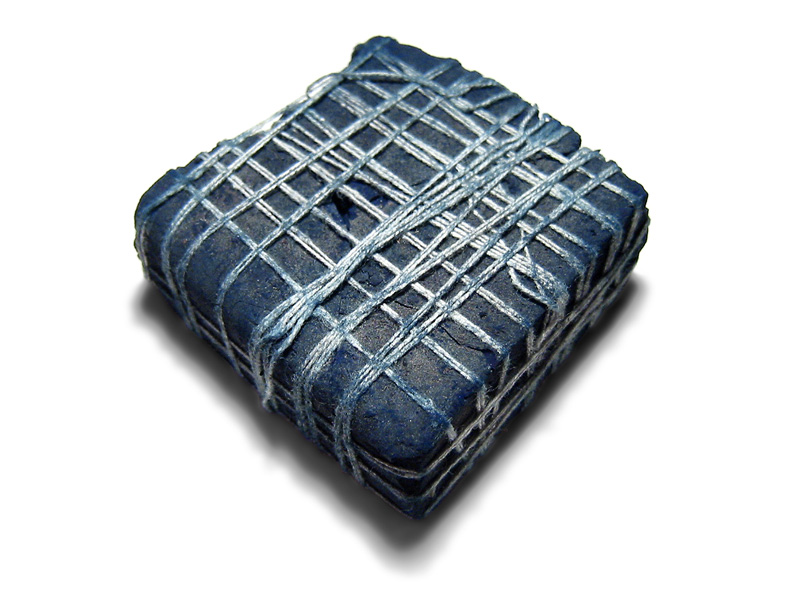
#6A5DFF
Indigo
A deep blue named for the dye once exported from IndiaNamed shade · 🇮🇳 India +5

Blue
Azurite
A deep blue copper mineral once prized as a pigment and gemstonePigment · 🇫🇷 France +5

Blue
Woad
A blue dye once vital to Europe's textile trade, made from the leaves of a flowering plantDye · 🇫🇷 France +3
Blue
Indigo
A deep blue dye from plants, now mostly made synthetically and known for colouring denimDye · 🇮🇳 India +5
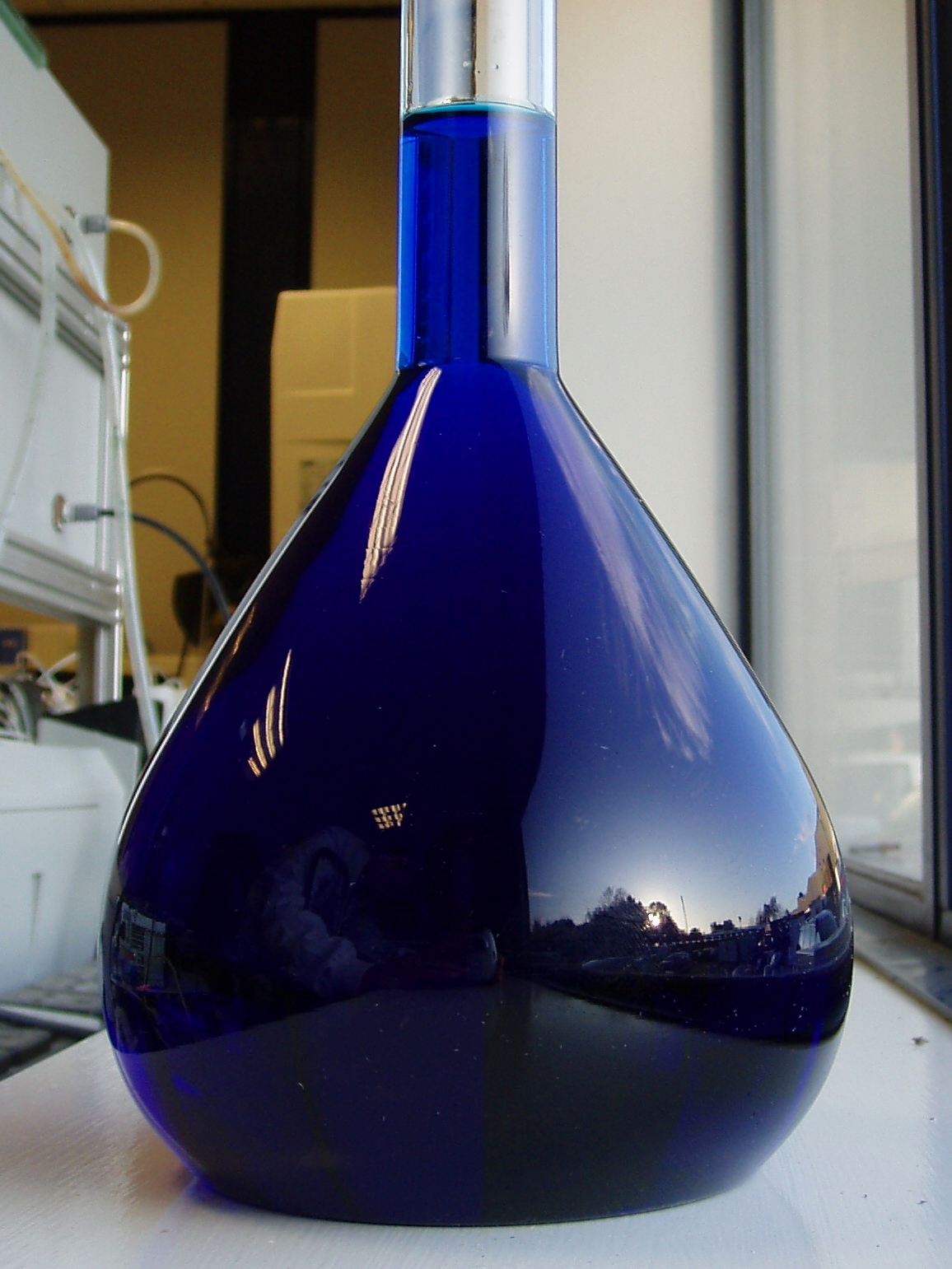
Blue
Methylene blue
A synthetic blue dye and medicine first made in 1876Dye
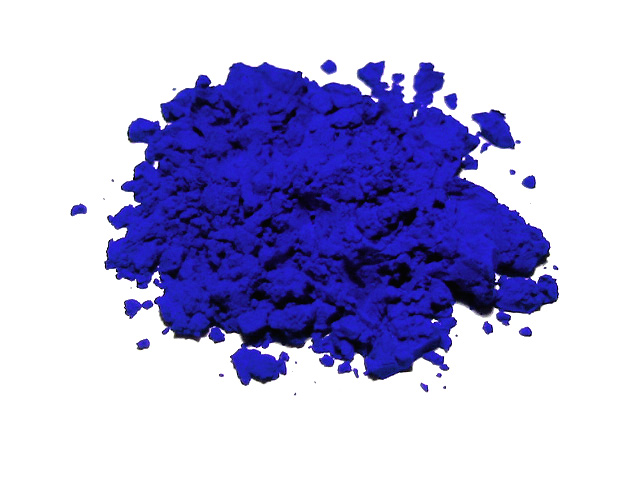
#120A8F
Ultramarine
A deep blue pigment once made from lapis lazuli, prized for centuries in artPigment · 🇦🇫 Afghanistan +2

#003153
Prussian blue
A deep blue pigment first made in Berlin in the early 1700sPigment · 🇯🇵 Japan
More colours tied to Israel
The colours of Israel
Green
Malachite
A banded green mineral and pigment once prized for art and decorationColour named from nature · 🇪🇬 Egypt +4

#007FFF
Azure
A clear sky blue, halfway between blue and cyan on the colour wheelNamed shade · 🇮🇹 Italy +2

Purple and violet
Tyrian purple
A reddish-purple dye once worth its weight in silver, made from sea snailsDye · 🇱🇧 Lebanon +4

Red
Kermes
A deep red dye made from Mediterranean scale insects, once prized for scarlet clothDye · 🇪🇬 Egypt +5