Azurite
A deep blue copper mineral once prized as a pigment and gemstone
No single value: Azurite is a material, and its colour varies. The background shows its family, blue.

Azurite is a soft, deep blue mineral formed by the weathering of copper ore deposits. Known since ancient times, it was widely used as a blue pigment in painting and occasionally as a gemstone, though it is less stable than other blue minerals and often weathers into green malachite.
- Azurite gives a deep blue colour due to copper ions.
- It was used as a blue pigment in ancient Egypt and medieval Europe.
- Azurite often weathers to green malachite over time.
- Major deposits are found in France, Namibia, and the USA.
- It is softer and less stable than many other blue minerals.
What colour is Azurite?
Azurite is a mineral with a striking deep blue colour, often described as azure or dark blue. It forms through the weathering of copper ore deposits and is usually found alongside green malachite. Azurite is softer than many other minerals, with a Mohs hardness of 3.5 to 4, and can appear as prismatic crystals, nodules, or masses. Its vivid blue stands out, but it can fade or turn green as it weathers, making it less stable than some other blue minerals.
Where does Azurite come from?
The name 'azurite' comes from its blue colour, with roots in the Greek 'kuanos' and Latin 'caeruleum', both meaning deep blue. In the early 19th century, it was called 'chessylite' after Chessy near Lyon, France, where notable specimens were found. Azurite has been known since ancient times, mentioned by Pliny the Elder and used as a pigment in Egypt and Greece. Its colour is due to copper ions in its structure.
How is Azurite made?
Azurite forms naturally as a basic copper carbonate, with the formula Cu3(CO3)2(OH)2. It develops in the oxidised zones of copper ore deposits, often alongside malachite. For pigment, azurite was ground to different finenesses to produce a range of blue shades. Synthetic azurite pigment can be made by reacting copper(II) chloride with lime and potassium carbonate, though natural mineral was more common historically.



Where Azurite is used
Historically, azurite was used as a blue pigment in painting, especially in ancient Egypt and medieval Europe, and sometimes as a gemstone or ornamental stone. Its softness and tendency to weather limited its use in jewellery. It was also used in ancient glassmaking. Azurite's presence in rocks is a clue for prospectors searching for copper ores.
Blue around the world
What the blue family means from country to country.
Ancient craftsmen made Egyptian blue, one of the first synthetic pigments, and blue-glazed faience for amulets. Blue stood for the sky and the Nile.
Sacred and holyProtection and healingAweSource: Egyptian blueMany households hang a blue glass bead with an eye on it by the door or in the car to keep off the evil eye, known as hasad. Blue eye beads were already made in ancient Egypt.
Protection and healingSource: Nazar (amulet)Blue was the colour of the French kings, whose arms were gold lilies on blue. It is the first band of the tricolour, and national sports teams are called Les Bleus.
Politics and protestRoyalty and powerPrideSource: Bleu de France (colour)The flag is blue and white, with nine stripes and a white cross. The colours are usually read as the sea and sky and the white of the waves and clouds.
Politics and protestNature and renewalPrideSource: Flag of GreeceA blue glass eye, the mati, is worn on a chain or hung in homes and cars against the evil eye. Blue is held to be the colour that turns the harm back.
Protection and healingSource: Evil eyeIndigo dyeing, called aizome, clothed ordinary people in deep blue through the Edo period. The men's national football team plays in blue and is nicknamed Samurai Blue.
Festival and celebrationPrideSource: Japan national football teamShades and relatives of Azurite
Azurite is closely related to malachite, a green copper mineral that often forms from azurite through weathering. The two are sometimes found together, creating blue and green patterns. Azurite pigment can be confused with lapis lazuli (ultramarine), but it is less stable and can turn greenish over time. Other names for azurite pigment include blue bice and blue verditer, though verditer is usually synthetic.
Questions people ask about Azurite
What colour is azurite?
Azurite is a deep blue mineral, sometimes called azure or dark blue. Its colour comes from copper ions in its structure.
Where does the name azurite come from?
The name comes from its blue colour, with roots in the Greek 'kuanos' and Latin 'caeruleum', both meaning deep blue. It was also called 'chessylite' after Chessy, France.
What was azurite used for?
Azurite was mainly used as a blue pigment in painting, especially in ancient Egypt and medieval Europe. It was also used as a gemstone and in glassmaking.
How is azurite different from malachite?
Azurite is blue, while malachite is green. Azurite often changes into malachite as it weathers, and the two are commonly found together.
Is azurite stable as a pigment?
Azurite is less stable than some other blue pigments. Over time, it can turn green as it changes into malachite, especially in damp or open air.
Good reading and sources
The facts on this page come from the Wikipedia article "Azurite", written by its contributors and used under the CC BY-SA 4.0 licence, and from its Wikidata record (CC0). Rang rewrote the text in its own words, with AI assistance, and compares every page with the article to make sure no passage is copied. It may be reused under the same CC BY-SA 4.0 licence with a link back.
It may contain mistakes. The swatch is an approximation: named colours are not fixed standards, and every screen shows them a little differently. If something is wrong, tell us. Last refreshed 2026-10-03.
More of the blue family
All of blue
Blue
Lapis lazuli
A deep blue stone prized for jewellery and the source of ultramarine pigmentColour named from nature · 🇦🇫 Afghanistan +5
#6A5DFF
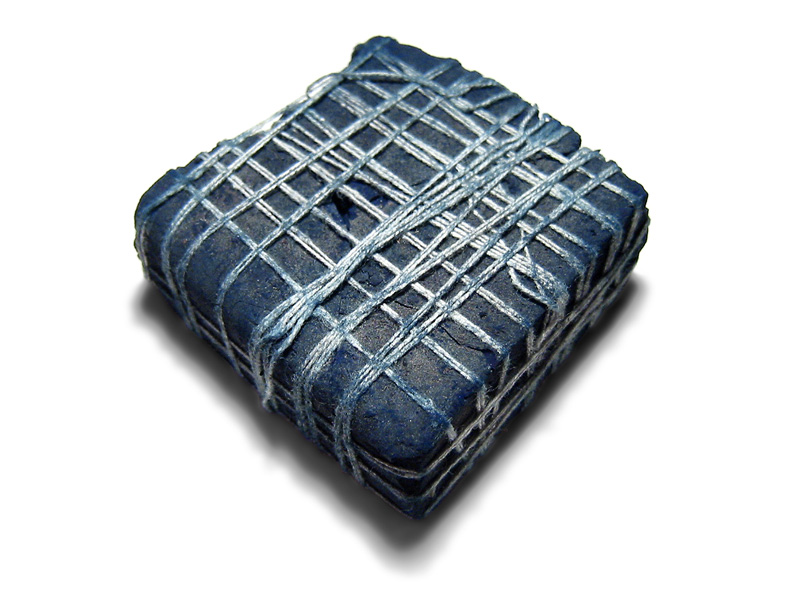
Indigo
A deep blue named for the dye once exported from IndiaNamed shade · 🇮🇳 India +5

Blue
Woad
A blue dye once vital to Europe's textile trade, made from the leaves of a flowering plantDye · 🇫🇷 France +3
Blue
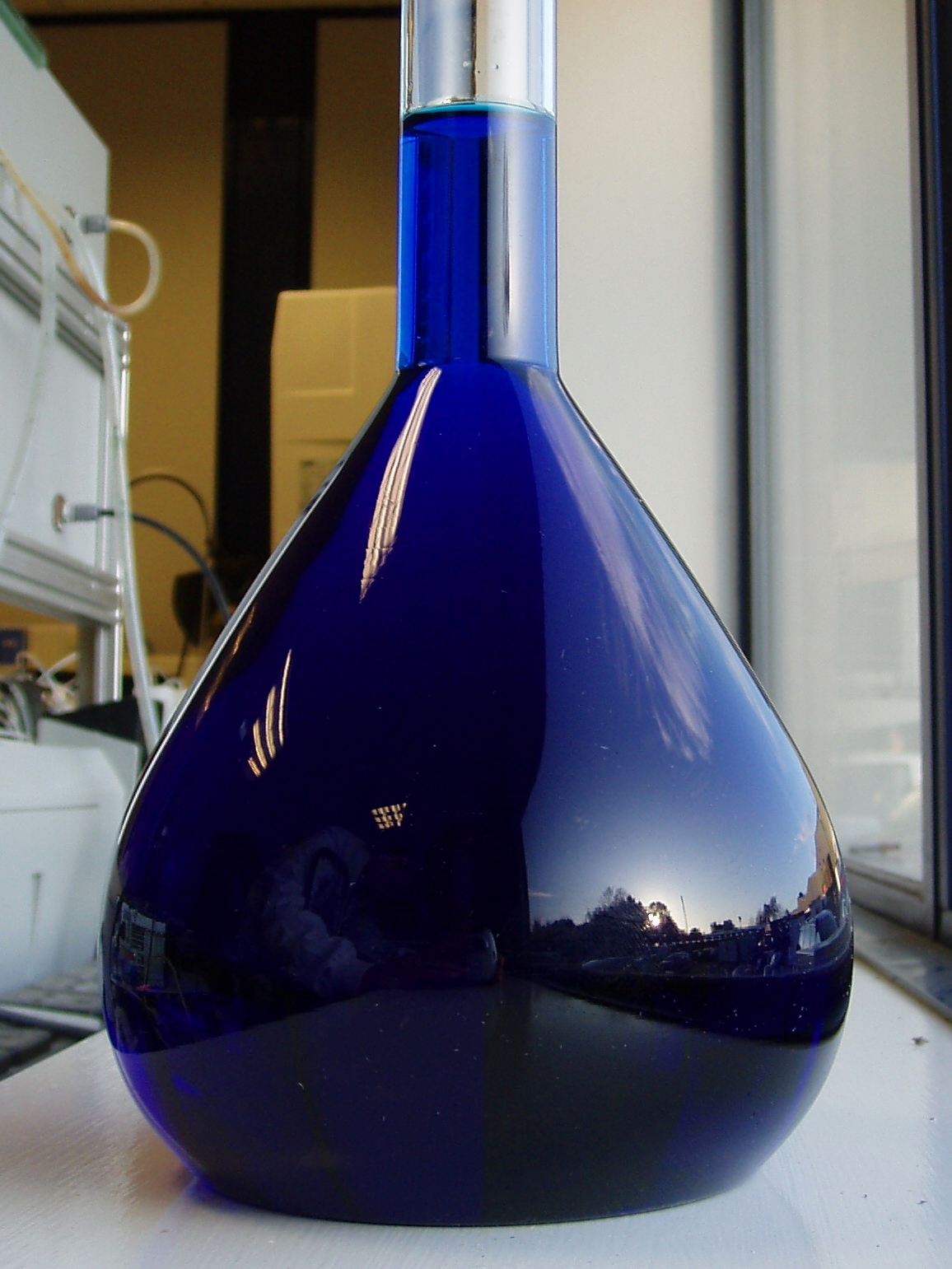
Methylene blue
A synthetic blue dye and medicine first made in 1876Dye
Blue
Indigo
A deep blue dye from plants, now mostly made synthetically and known for colouring denimDye · 🇮🇳 India +5
#120A8F
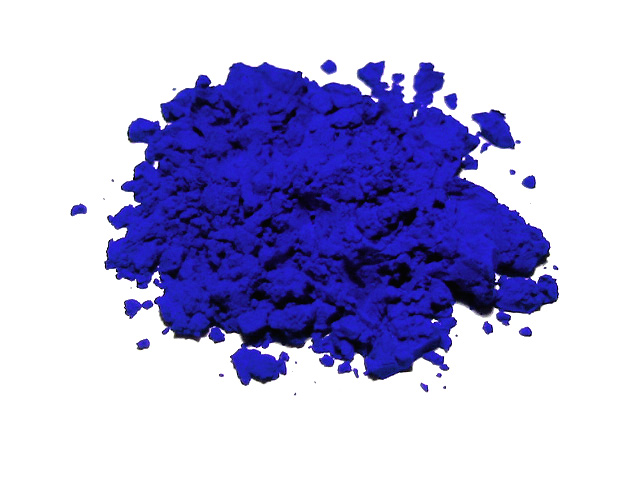
Ultramarine
A deep blue pigment once made from lapis lazuli, prized for centuries in artPigment · 🇦🇫 Afghanistan +2

#003153
Prussian blue
A deep blue pigment first made in Berlin in the early 1700sPigment · 🇯🇵 Japan

#007FFF
Azure
A clear sky blue, halfway between blue and cyan on the colour wheelNamed shade · 🇮🇹 Italy +2
More colours tied to France
The colours of France
#FFFF00
Yellow
A primary colour between green and orange, seen in sunlight, leaves, and pigmentsBasic colour · 🇫🇷 France +5

#800080
Purple
A cool colour between red and blue, long linked with royalty and rarityBasic colour · 🇱🇧 Lebanon +5

#FF00FF
Magenta
A purplish-pink colour named after a battle and key to modern printingNamed shade · 🇫🇷 France +4

Brown
Terracotta
A clay-based material and colour, known for its reddish-brown toneColour named from nature · 🇮🇳 India +4