Green pigment
Pigments that give green colour to paint, ink, and art through history
No single value: Green pigment is a material, and its colour varies. The background shows its family, green.

Green pigments are materials used to make the colour green in painting and other arts. Early greens came from minerals like malachite and verdigris, while modern greens are often synthetic, such as phthalocyanine green. These pigments have been used in many cultures for art, manuscripts, and decoration, each with their own methods and traditions.
- Malachite was used in ancient Egypt and China for painting and cosmetics
- Verdigris forms naturally on copper and was used in Roman and medieval art
- Emerald green is highly toxic due to its arsenic content
- Phthalocyanine green is the main modern green pigment
- Green earth was often used as an underlayer in Italian painting
What colour is Green pigment?
Green pigments are substances used to produce green colours in painting, inks, and other arts. They reflect green light and absorb other colours, giving a range of greens from blue-green to olive. Some are made from minerals like malachite or copper compounds, while others are synthetic, created in laboratories. The look and stability of each pigment can differ: some are bright and intense, others more muted or sombre. Their use and value have changed over time as new materials have been discovered or invented.
Where does Green pigment come from?
The earliest green pigments were mineral-based, such as malachite, mined in Egypt and used in ancient tombs and manuscripts. Verdigris, a patina formed on copper, was used by Romans and in medieval art. The name 'viridian' comes from the Latin for green. Over time, synthetic pigments like emerald green and phthalocyanine green replaced many natural greens, offering new shades and properties. Each pigment has its own story, shaped by the places and cultures that used it.
How is Green pigment made?
Traditional green pigments were made by grinding minerals such as malachite or by creating verdigris through chemical reactions on copper. In the Middle Ages, green earth was dug from regions like Verona and Cyprus. Later, synthetic greens like phthalocyanine green and chrome oxide were produced in factories using copper, chromium, or other metals. Some greens, like emerald green, involved toxic substances such as arsenic. The method of making each pigment affects its colour, cost, and safety.


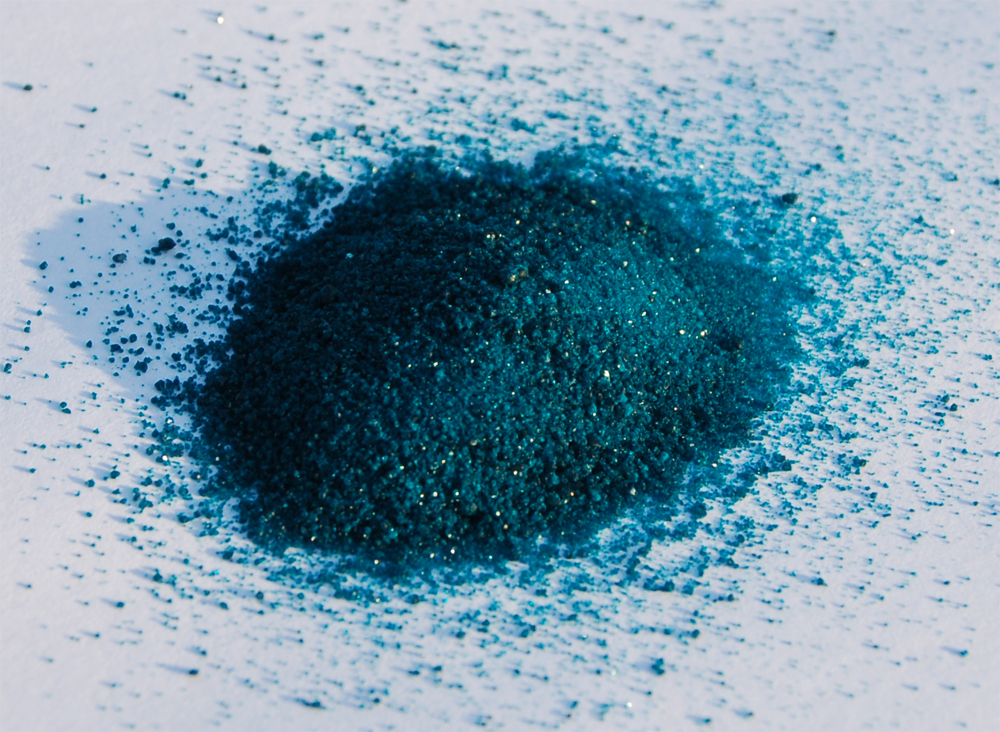

Where Green pigment is used
Green pigments have coloured everything from ancient Egyptian tombs to Chinese manuscripts, Indian murals, and European paintings. Malachite was used for painting, cosmetics, and manuscripts. Verdigris appeared in Roman murals and medieval miniatures. Green earth was common in Italian art as an underlayer for flesh tones. Synthetic greens are now standard in artist paints and industrial uses. Some pigments, like malachite, remain expensive and are used for special purposes.
Green around the world
What the green family means from country to country.
To "wear a green hat" is a Chinese phrase for a man whose wife is unfaithful. For that reason men avoid green hats, and they make a poor gift.
Love and desireShameSource: Color in Chinese cultureIn ancient Egypt green meant new growth and life after death. Osiris, god of the dead and of rebirth, was painted with green skin.
Nature and renewalSacred and holyHopeSource: OsirisGreen stands for Ireland itself, the Emerald Isle, and for Saint Patrick's shamrock. On 17 March people wear green and a sprig of shamrock.
Nature and renewalPolitics and protestPrideSource: Saint Patrick's DayThe green stripe of the flag stands for the older Gaelic and Catholic tradition. Green was the colour of the United Irishmen, whose 1798 rising is recalled in the song The Wearing of the Green.
Politics and protestCourageSource: Flag of IrelandThe green band of the national flag stands for the country's tie to the soil and to plant life, as Sarvepalli Radhakrishnan explained it when the flag was adopted in 1947.
Nature and renewalPolitics and protestHopeSource: Flag of IndiaA green kerchief is the sign of the campaign for legal abortion. Huge crowds wore it in 2018, and the movement was called the green wave.
Politics and protestHopeSource: Green scarfShades and relatives of Green pigment
There are many green pigments, each with its own shade and qualities. Malachite gives a bright, intense green, while green earth is more olive and subdued. Verdigris is blue-green and can be unstable in mixtures. Viridian is a blue-green synthetic pigment, and emerald green is vivid but toxic. Modern phthalocyanine green is bright and widely used. Some greens are mixed with other colours for different effects or to improve stability.
Questions people ask about Green pigment
What is a green pigment?
A green pigment is a material that gives a green colour to paints, inks, and other art materials. It works by reflecting green light and absorbing other colours.
Where does the name 'green pigment' come from?
The term simply describes any pigment that produces a green colour. Specific green pigments often take their names from their source or chemical makeup, such as malachite or viridian.
What are green pigments made from?
Early green pigments were made from minerals like malachite or copper compounds. Modern greens are often synthetic, made from chemicals such as phthalocyanine or chromium oxide.
Are green pigments safe to use?
Some green pigments, such as emerald green, are toxic due to ingredients like arsenic. Others, like malachite, can be expensive or unstable. Modern synthetic greens are generally safer and more stable.
Where have green pigments been used historically?
Green pigments have been used in ancient Egyptian tombs, Chinese and Indian manuscripts, European paintings, and many other art forms across the world.
Good reading and sources
The facts on this page come from the Wikipedia article "Green pigments", written by its contributors and used under the CC BY-SA 4.0 licence, and from its Wikidata record (CC0). Rang rewrote the text in its own words, with AI assistance, and compares every page with the article to make sure no passage is copied. It may be reused under the same CC BY-SA 4.0 licence with a link back.
It may contain mistakes. The swatch is an approximation: named colours are not fixed standards, and every screen shows them a little differently. If something is wrong, tell us. Last refreshed 2026-10-03.
More of the green family
All of green
Green
Malachite
A banded green mineral and pigment once prized for art and decorationColour named from nature · 🇪🇬 Egypt +4
#50C878
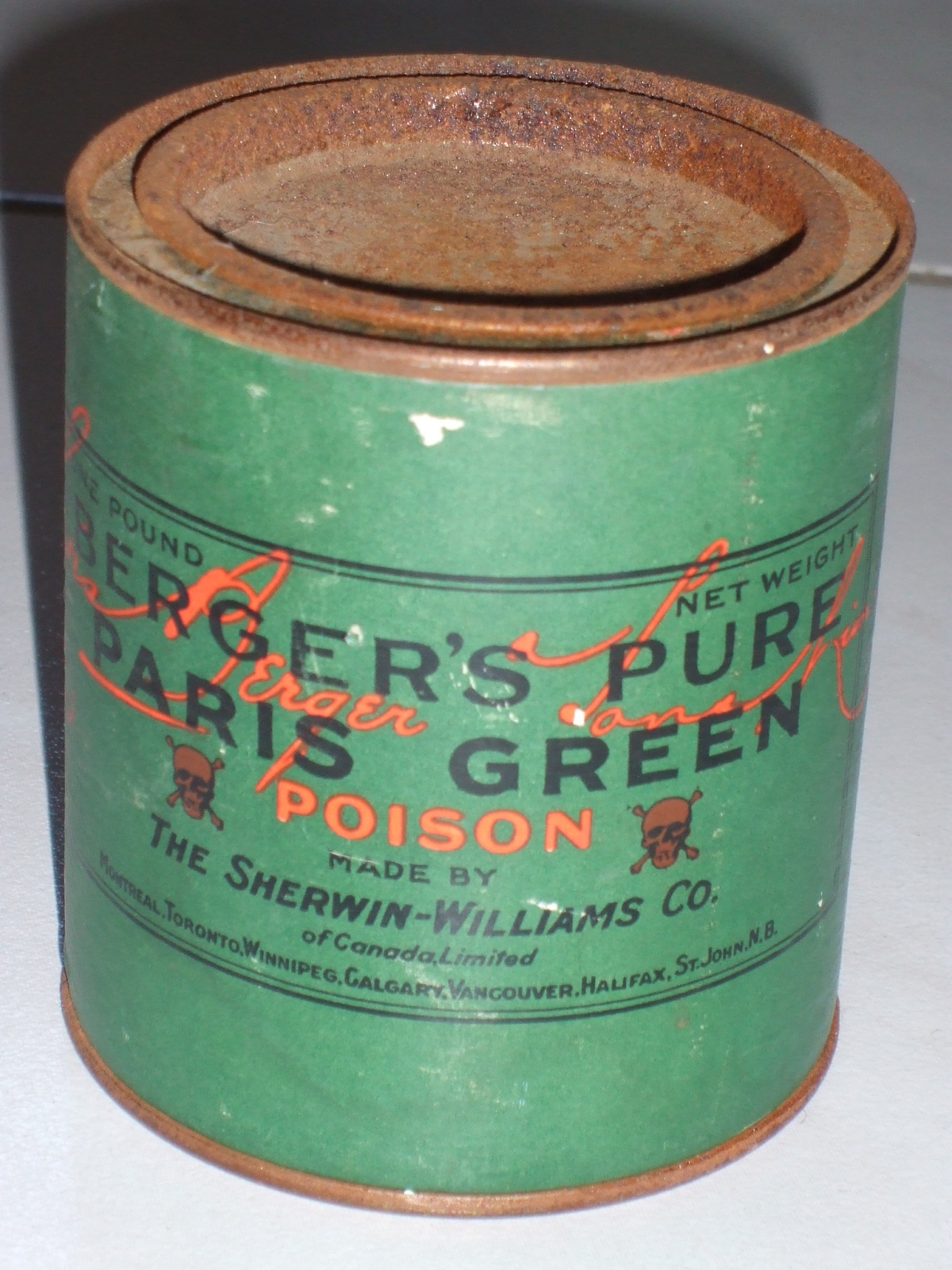
Paris Green
A toxic emerald-green pigment once prized in art and used as an early insecticidePigment · 🇩🇪 Germany +4
Green
Malachite green
A synthetic green dye once common for silk, now controversial in aquacultureDye · 🇨🇳 China +3

#43B3AE
Verdigris
A historic bluish-green pigment formed on copper and used in art since antiquityPigment · 🇬🇷 Greece +1

Green
Scheele's green
A yellowish-green pigment once prized for its brilliance, now infamous for its toxicityPigment

#40826D
Viridian
A blue-green pigment made from hydrated chromium oxide, valued in painting since the 1800sPigment

Green
Jade
A decorative stone prized for its green shades and cultural meaning across continentsColour named from nature · 🇨🇳 China +5
Green
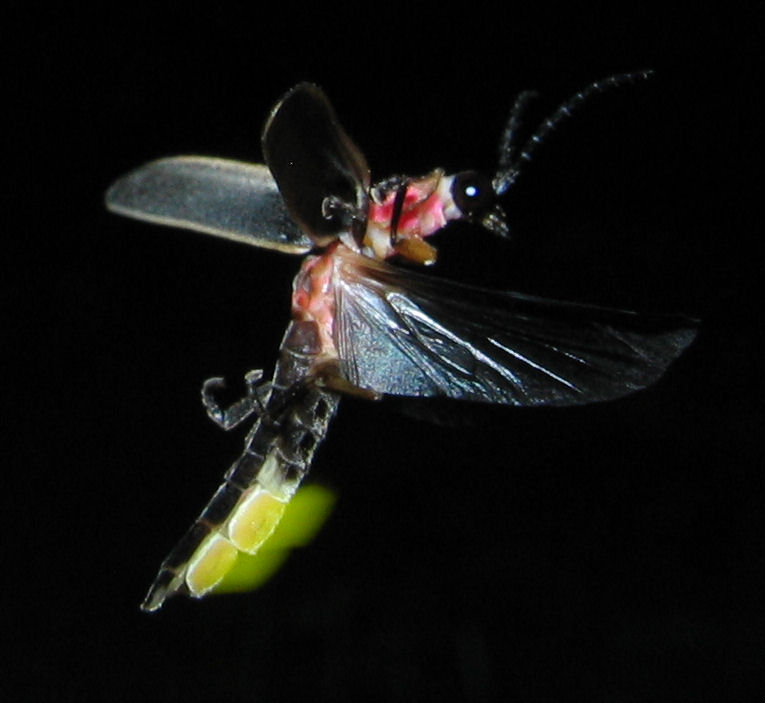
Bioluminescence
Light produced by living things through a chemical reactionColour named from nature
More colours tied to Egypt
The colours of Egypt
#FFFF00
Yellow
A primary colour between green and orange, seen in sunlight, leaves, and pigmentsBasic colour · 🇫🇷 France +5

Blue
Lapis lazuli
A deep blue stone prized for jewellery and the source of ultramarine pigmentColour named from nature · 🇦🇫 Afghanistan +5

Blue
Azurite
A deep blue copper mineral once prized as a pigment and gemstonePigment · 🇫🇷 France +5

#CC7722
Ochre
A natural earth pigment ranging from yellow to deep orange or brownPigment · 🇦🇺 Australia +5