Malachite green
A synthetic green dye once common for silk, now controversial in aquaculture
No single value: Malachite green is a material, and its colour varies. The background shows its family, green.
Malachite green is a bright green synthetic dye used mainly for colouring silk, leather, and paper. Its name comes from its resemblance to the mineral malachite, though it is not made from it. The dye is also used as a biological stain and has been applied as an antimicrobial in fish farming, but is now banned for food use in many countries due to health concerns.
- Named for its colour, not for the mineral malachite
- First made in 1877 by Hermann Fischer
- Banned for food use in the US, UK, and Hong Kong
- Used in forensics to detect blood
- Only the cationic form is deeply coloured
What colour is Malachite green?
Malachite green is a synthetic dye that produces a strong, vivid green colour. The colour comes from the malachite green cation, which absorbs light at 621 nm, giving it an intense appearance. It is not made from the mineral malachite, but is named after it due to the similar shade. Only the cationic form is deeply coloured; related forms are nearly colourless.
Where does Malachite green come from?
The dye was first made in 1877 by Hermann Fischer, who combined benzaldehyde and dimethylaniline. Its name comes from its resemblance to the green mineral malachite, though there is no connection in composition. The dye became widely used in the textile industry and later found roles in biological staining and aquaculture.
How is Malachite green made?
Malachite green is made by condensing benzaldehyde with dimethylaniline in the presence of sulfuric acid to form a colourless compound called leuco malachite green. This is then oxidised, often using manganese dioxide, to produce the green cationic dye. The dye is usually supplied as a chloride or oxalate salt, but the anion does not affect the colour.
Where Malachite green is used
Traditionally, malachite green has been used to dye silk, leather, and paper. It is also used as a biological stain in microscopy, especially for highlighting cell structures and endospores. In aquaculture, it has been used to treat fish eggs and fish against certain infections, though this use is now controversial and banned in many countries. It has niche uses in forensics for blood detection and in research as a fluorescent marker.
Green around the world
What the green family means from country to country.
To "wear a green hat" is a Chinese phrase for a man whose wife is unfaithful. For that reason men avoid green hats, and they make a poor gift.
Love and desireShameSource: Color in Chinese cultureBritish racing green is the dark green of British motor racing cars. It dates from the early 1900s, when each country's cars raced in a national colour.
Festival and celebrationPrideSource: British racing greenPaper money is nicknamed the greenback, after the green ink on the backs of notes first issued during the Civil War. Green has stood for money ever since.
Luck and prosperitySource: Greenback (1860s money)On Saint Patrick's Day, Chicago dyes its river bright green, a custom begun in 1962, and people who wear no green risk a playful pinch.
Festival and celebrationJoySource: Saint Patrick's Day in the United StatesA green kerchief is the sign of the campaign for legal abortion. Huge crowds wore it in 2018, and the movement was called the green wave.
Politics and protestHopeSource: Green scarfGreen and gold have been the official national colours since 1984 and are worn by national sports teams. They echo the leaves and flowers of the golden wattle.
Festival and celebrationPrideSource: National colours of AustraliaShades and relatives of Malachite green
Malachite green is part of the triarylmethane dye family. Its leuco form, leuco malachite green, is colourless and is important in metabolism and forensic testing. The dye is sometimes confused with the mineral malachite, but they are unrelated apart from colour. Variants include different salts, such as chloride and oxalate.
Questions people ask about Malachite green
What colour is malachite green?
Malachite green is a strong, vivid green. The intense colour comes from its cationic form, which absorbs visible light at 621 nm.
Is malachite green made from the mineral malachite?
No, malachite green is not made from the mineral malachite. The dye is synthetic and only named for its similar colour.
What is malachite green used for?
It has been used to dye silk, leather, and paper, as a biological stain in microscopy, and as an antimicrobial in aquaculture. It is also used in forensic science to detect blood.
Why is malachite green controversial?
Malachite green is controversial because it is toxic and has been linked to health risks, including carcinogenic effects. It is banned for use in food in many countries.
How is malachite green made?
It is made by condensing benzaldehyde with dimethylaniline, then oxidising the product to form the green dye. The process uses sulfuric acid and often manganese dioxide as an oxidiser.
Good reading and sources
- Malachite green on WikipediaEncyclopedia
- More pictures on Wikimedia CommonsPictures
- Wikidata recordOpen data
The facts on this page come from the Wikipedia article "Malachite green", written by its contributors and used under the CC BY-SA 4.0 licence, and from its Wikidata record (CC0). Rang rewrote the text in its own words, with AI assistance, and compares every page with the article to make sure no passage is copied. It may be reused under the same CC BY-SA 4.0 licence with a link back.
It may contain mistakes. The swatch is an approximation: named colours are not fixed standards, and every screen shows them a little differently. If something is wrong, tell us. Last refreshed 2026-10-03.
More of the green family
All of green
Green
Malachite
A banded green mineral and pigment once prized for art and decorationColour named from nature · 🇪🇬 Egypt +4
#50C878
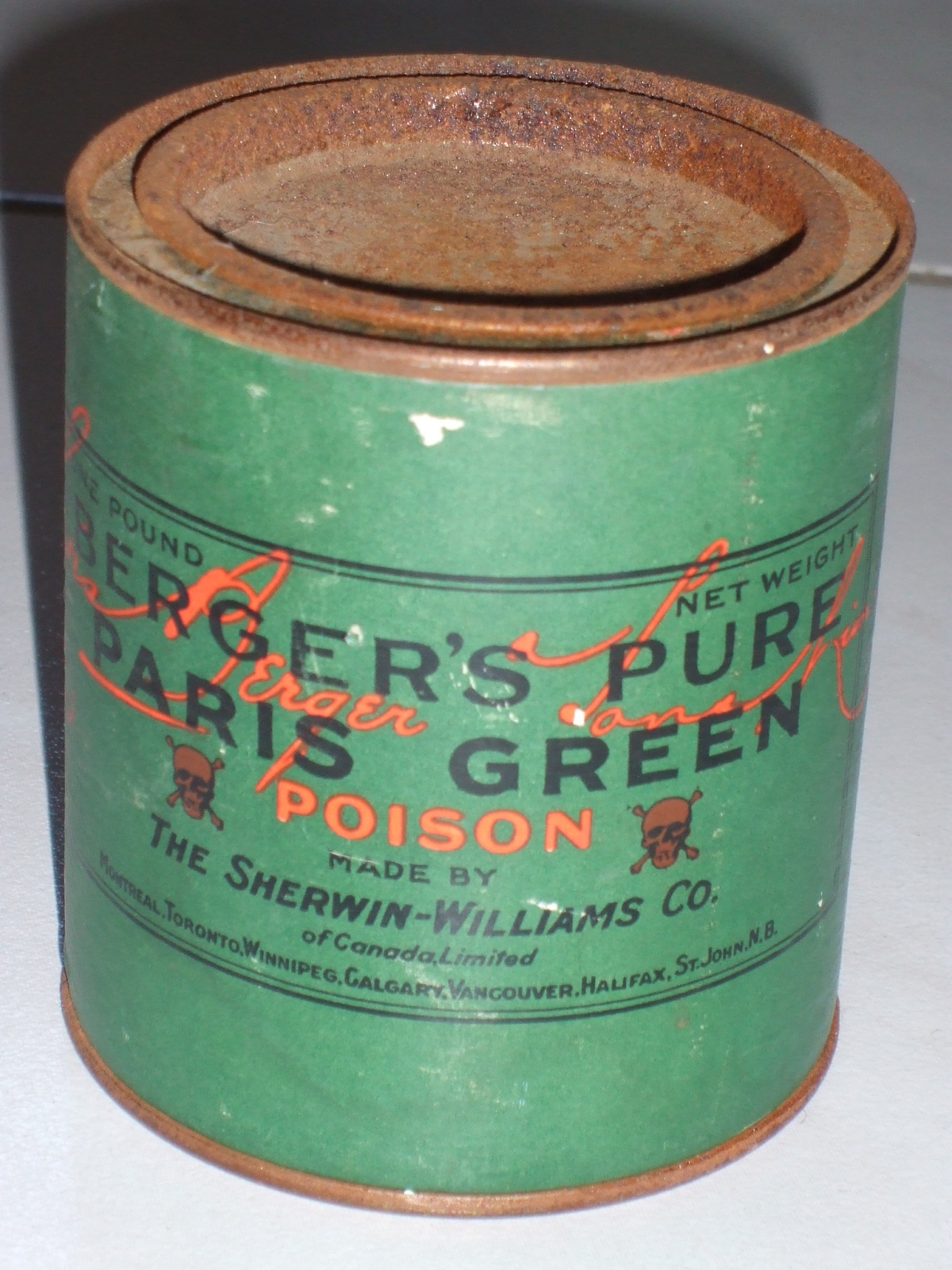
Paris Green
A toxic emerald-green pigment once prized in art and used as an early insecticidePigment · 🇩🇪 Germany +4

#43B3AE
Verdigris
A historic bluish-green pigment formed on copper and used in art since antiquityPigment · 🇬🇷 Greece +1

Green
Scheele's green
A yellowish-green pigment once prized for its brilliance, now infamous for its toxicityPigment

#40826D
Viridian
A blue-green pigment made from hydrated chromium oxide, valued in painting since the 1800sPigment

Green
Chromium(III) oxide
A strong green pigment and polishing compound made from chromium orePigment

Green
Glauconite
A soft green mineral used as a pigment and in fertilisersColour named from nature · 🇧🇷 Brazil +2

Green
Cobalt green
A green pigment made by adding cobalt to other oxidesPigment
More colours tied to China
The colours of China
#FF0000
Red
A primary colour seen in light, pigment, and tradition worldwideBasic colour · 🇺🇸 United States +5

#FFFF00
Yellow
A primary colour between green and orange, seen in sunlight, leaves, and pigmentsBasic colour · 🇫🇷 France +5

#800080
Purple
A cool colour between red and blue, long linked with royalty and rarityBasic colour · 🇱🇧 Lebanon +5

Red
Cinnabar
A scarlet to brick-red mineral and the main source of mercury and vermilion pigmentColour named from nature · 🇪🇸 Spain +5