Scheele's green
A yellowish-green pigment once prized for its brilliance, now infamous for its toxicity
No single value: Scheele's green is a material, and its colour varies. The background shows its family, green.

Scheele's green is a yellowish-green pigment made from copper arsenite, invented in 1775 by Carl Wilhelm Scheele. It was widely used in the 19th century for paints, wallpapers, textiles, and even food, but fell out of use due to its high toxicity and tendency to blacken when exposed to sulfides.
- Invented by Carl Wilhelm Scheele in 1775
- Used in wallpapers, textiles, and even sweets
- Highly toxic due to its arsenic content
- Fell out of use by the early 20th century
- Modern versions are made without arsenic
What colour is Scheele's green?
Scheele's green is a pigment with a yellowish-green hue, once known for its brilliance and durability compared to earlier green pigments. It stands out for its vivid colour, but also for its dangerous composition, as it contains arsenic. The pigment can fade or turn black when exposed to sulfur compounds, making it unstable in some conditions.
Where does Scheele's green come from?
The pigment was invented in 1775 by Carl Wilhelm Scheele, a Swedish chemist, who published his preparation method in 1778. It quickly replaced older copper-based greens in the 19th century due to its brighter colour. The name comes from its inventor, and it was also called Schloss green. By the late 1800s, its dangers became widely known, leading to its decline.
How is Scheele's green made?
Scheele's green was made by first creating a sodium arsenite solution, then adding it to a copper sulfate solution to form a green precipitate of copper arsenite. The product was filtered, dried, and heated to enhance its colour. The final pigment could include several copper-arsenic compounds, depending on the preparation method and ratios used.
Where Scheele's green is used
This pigment coloured wallpapers, textiles, bookbindings, paints, candles, and even some sweets in the 19th century. It was valued for its bright, lasting green, but its use in homes and clothing led to health problems. It was also used in posters and as an insecticide into the 1930s. Today, it is mainly of historical interest.
What Scheele's green means
Scheele's green does not have symbolic meanings in faith or culture according to the sources. Its main association is with its historical use and the health risks it posed, which led to a decline in the popularity of the colour green in late Victorian society.
Green around the world
What the green family means from country to country.
A green kerchief is the sign of the campaign for legal abortion. Huge crowds wore it in 2018, and the movement was called the green wave.
Politics and protestHopeSource: Green scarfGreen and gold have been the official national colours since 1984 and are worn by national sports teams. They echo the leaves and flowers of the golden wattle.
Festival and celebrationPrideSource: National colours of AustraliaA Test cricketer is given a dark green cap, the baggy green, on first playing for Australia. Many players wear the same faded cap for a whole career.
Festival and celebrationPrideSource: Baggy greenThe green field of the flag stands for the land and its rice fields. Many people also read it as the youth and vigour of the country.
Nature and renewalPolitics and protestHopeSource: Flag of BangladeshThe flag is white, green and red. The green band, which took the place of the blue in the Russian flag, is read as the country's forests and farmland.
Politics and protestNature and renewalSource: Flag of BulgariaThe green field of the flag is commonly said to stand for the forests. It was first the colour of the House of Braganza, the family of the first emperor.
Politics and protestNature and renewalPrideSource: Flag of BrazilShades and relatives of Scheele's green
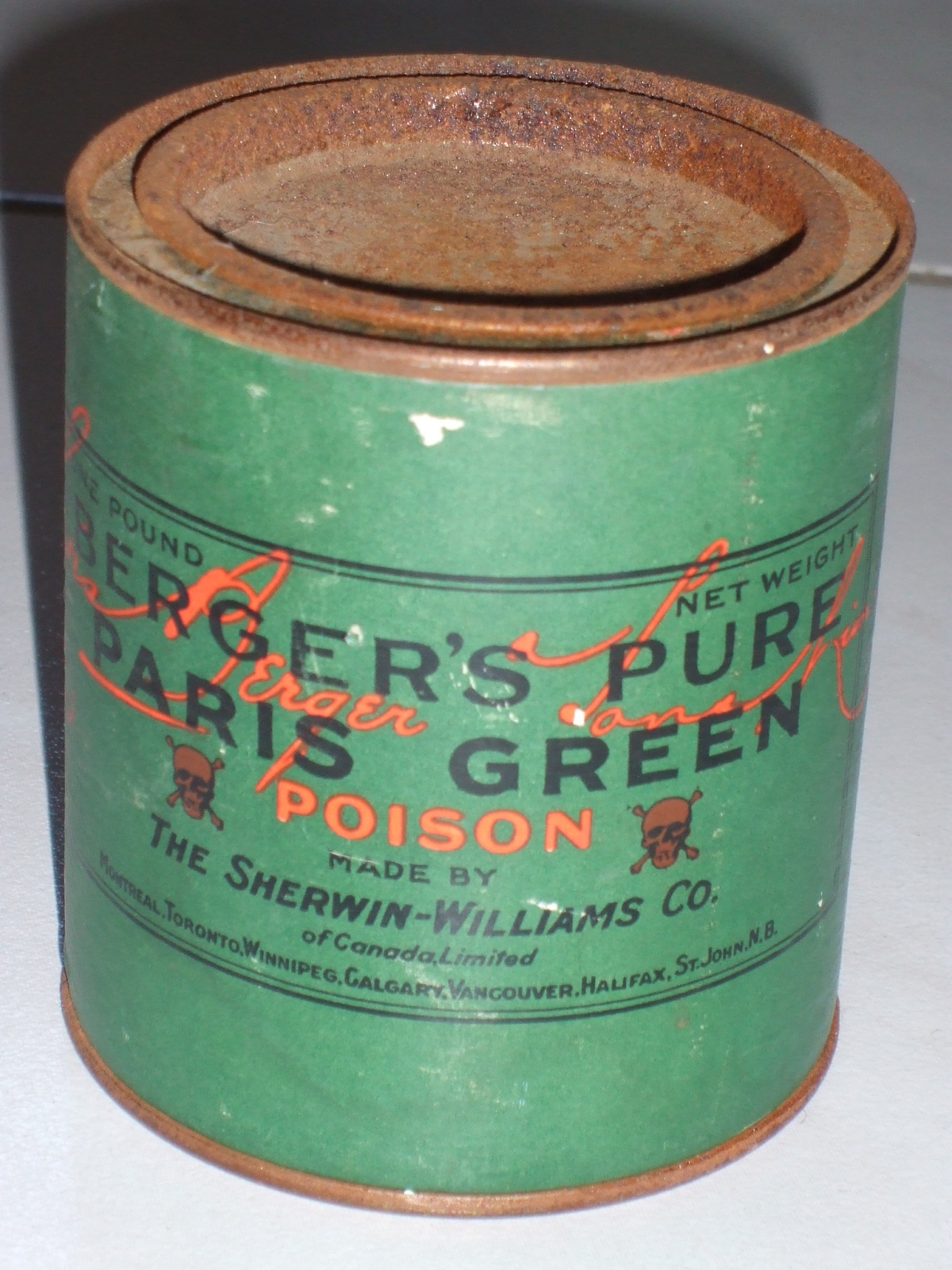
Scheele's green is chemically related to Paris green (emerald green), which was developed later to improve on its properties. Both pigments share the tendency to blacken in the presence of sulfides. Modern reproductions of Scheele's green use non-toxic pigments and may differ slightly in colour.
Questions people ask about Scheele's green
What colour is Scheele's green?
Scheele's green is a yellowish-green pigment, known for its bright and vivid appearance compared to earlier green pigments.
Where does the name Scheele's green come from?
The pigment is named after Carl Wilhelm Scheele, the Swedish chemist who invented it in 1775.
What was Scheele's green used for?
It was used to colour wallpapers, textiles, bookbindings, paints, candles, and even some foods and sweets in the 19th century.
Why did people stop using Scheele's green?
People stopped using it because it contains arsenic, making it highly toxic and dangerous to health, especially when used in homes and clothing.
Is Scheele's green still made today?
The original pigment is no longer made due to its toxicity, but modern, non-toxic versions that mimic its colour exist.
Good reading and sources
- Scheele's green on WikipediaEncyclopedia
- More pictures on Wikimedia CommonsPictures
- Wikidata recordOpen data
The facts on this page come from the Wikipedia article "Scheele's green", written by its contributors and used under the CC BY-SA 4.0 licence, and from its Wikidata record (CC0). Rang rewrote the text in its own words, with AI assistance, and compares every page with the article to make sure no passage is copied. It may be reused under the same CC BY-SA 4.0 licence with a link back.
It may contain mistakes. The swatch is an approximation: named colours are not fixed standards, and every screen shows them a little differently. If something is wrong, tell us. Last refreshed 2026-10-03.
More of the green family
All of green
Green
Malachite
A banded green mineral and pigment once prized for art and decorationColour named from nature · 🇪🇬 Egypt +4
#50C878
Paris Green
A toxic emerald-green pigment once prized in art and used as an early insecticidePigment · 🇩🇪 Germany +4
Green
Malachite green
A synthetic green dye once common for silk, now controversial in aquacultureDye · 🇨🇳 China +3

#43B3AE
Verdigris
A historic bluish-green pigment formed on copper and used in art since antiquityPigment · 🇬🇷 Greece +1

Green
Celadon青瓷
A jade-green ceramic glaze prized in East Asian pottery for centuriesNamed shade · 🇨🇳 China +4

#40826D
Viridian
A blue-green pigment made from hydrated chromium oxide, valued in painting since the 1800sPigment

Green
Jade
A decorative stone prized for its green shades and cultural meaning across continentsColour named from nature · 🇨🇳 China +5
Green
Bioluminescence
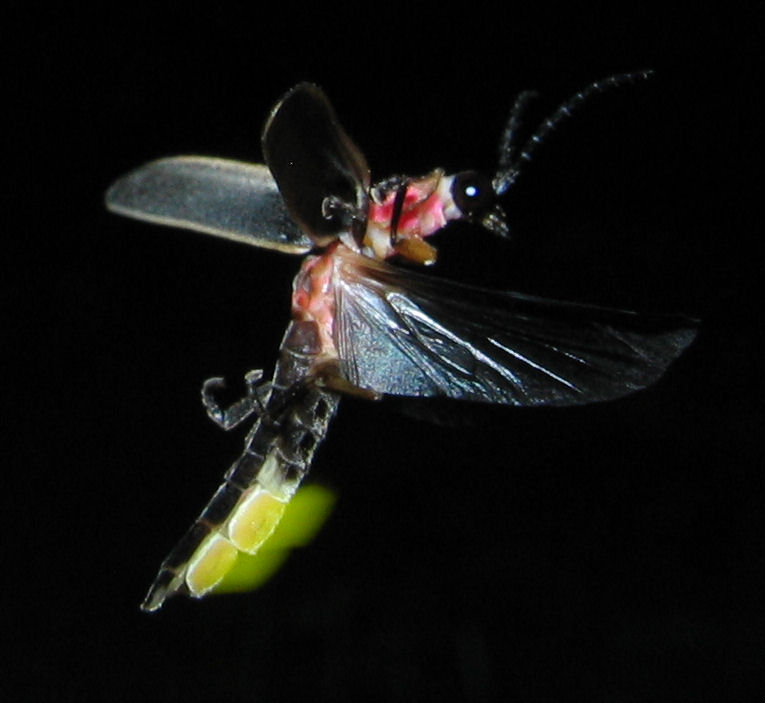
Light produced by living things through a chemical reactionColour named from nature