Jade
A decorative stone prized for its green shades and cultural meaning across continents
No single value: Jade is a material, and its colour varies. The background shows its family, green.

Jade is a decorative stone used for jewellery and ornaments, covering both nephrite and jadeite rocks. Most jade is green, but it can also be white, black, yellow, lavender, orange, or brown. The name comes from Spanish and Latin words for 'flank stone', linked to old beliefs about healing. Jade has been highly valued in East Asia, Mesoamerica, and New Zealand for its beauty and symbolism.
- Jade covers both nephrite and jadeite rocks
- Most high-quality jadeite comes from Myanmar
- Jade is the national gemstone of Japan
- Māori pounamu is protected as a cultural treasure
- Jade has been valued in China since Neolithic times
What colour is Jade?
Jade refers to two types of rock, nephrite and jadeite, both valued for their use in jewellery and art. Most jade is green, ranging from pale to deep emerald, but it can also be white, yellow, black, lavender, orange, or brown. Its smooth, waxy surface and ability to be finely carved set it apart from other stones. Jade is often translucent and is prized for both its natural beauty and its cultural significance.
Where does Jade come from?
The word 'jade' comes from Spanish 'piedra de ijada', meaning 'flank stone', due to beliefs about its healing powers for the kidneys. Nephrite and jadeite are the two minerals called jade, with nephrite used in China for thousands of years and jadeite introduced from Myanmar in the 18th century. In Japan, all jade used since ancient times comes from Itoigawa. Jade has been central to art and ritual in China, Mesoamerica, and among the Māori of New Zealand.
How is Jade made?
Jade is not a single mineral but two: nephrite, a calcium and magnesium silicate, and jadeite, a sodium and aluminium silicate. Both form as tough, intergrown rocks, often found as river boulders or in mountain deposits. Nephrite is mainly green or white, while jadeite shows a wider range of colours. The highest quality jadeite is mined in Myanmar, while nephrite is found in China, New Zealand, and other regions.


Where Jade is used
Jade has been carved into tools, weapons, jewellery, and ceremonial objects for thousands of years. In China, it was used for imperial objects and burial suits; in Japan, for ritual beads and ornaments; in Mesoamerica, for symbolic items by the Olmec and Maya; and in New Zealand, for Māori tools and pendants. Today, jade remains popular in jewellery and as a symbol of status and heritage.
What Jade means
In East Asia, especially China, jade is associated with purity, harmony, and protection, and has long been seen as a symbol of status and virtue. In Japan, green jade symbolises fertility and the soul of the earth. Among the Māori, jade (pounamu) is a treasured item passed down through generations, increasing in prestige and believed to hold its own mana, or spiritual power.
Green around the world
What the green family means from country to country.
To "wear a green hat" is a Chinese phrase for a man whose wife is unfaithful. For that reason men avoid green hats, and they make a poor gift.
Love and desireShameSource: Color in Chinese cultureThe ancient Maya prized green above all colours. Jade and the long green tail feathers of the quetzal were kept for kings. The quetzal is the national bird and gives the currency its name.
Sacred and holyRoyalty and powerAweSource: Resplendent quetzalThe green band of the flag is read as hope. When the colours were chosen in 1821 it stood for independence from Spain.
Politics and protestHopeSource: Flag of MexicoPounamu, greenstone, is found only in the South Island. Maori carve it into pendants such as the hei-tiki, which are treasures handed down through families and are usually given, not bought for oneself.
Protection and healingSacred and holyAweSource: PounamuA green kerchief is the sign of the campaign for legal abortion. Huge crowds wore it in 2018, and the movement was called the green wave.
Politics and protestHopeSource: Green scarfGreen and gold have been the official national colours since 1984 and are worn by national sports teams. They echo the leaves and flowers of the golden wattle.
Festival and celebrationPrideSource: National colours of AustraliaShades and relatives of Jade
Jade can be classified as nephrite or jadeite, each with its own range of colours. Type A jade refers to untreated, natural jadeite, prized for its vivid green and translucency. Type B and C jade are treated with resin or colourant. Jade is sometimes confused with other green stones like serpentine, but true jade is tougher and more valued.
Questions people ask about Jade
What colour is jade?
Jade is most often green, but can also be white, black, yellow, lavender, orange, or brown, depending on its mineral type and origin.
Where does the name 'jade' come from?
The name comes from the Spanish 'piedra de ijada', meaning 'flank stone', linked to old beliefs about its healing powers for the kidneys.
What is the difference between nephrite and jadeite?
Nephrite is a calcium and magnesium silicate, usually green or white, while jadeite is a sodium and aluminium silicate with a wider range of colours, including vivid green and lavender.
Where is jade found?
Major sources include Myanmar (jadeite), China (nephrite), Japan (Itoigawa), New Zealand (South Island), and Guatemala.
What does jade symbolise?
In China, jade stands for purity, harmony, and protection. In Japan, green jade symbolises fertility and the earth's spirit. Among Māori, it is a treasured item with spiritual power.
Good reading and sources
The facts on this page come from the Wikipedia article "Jade", written by its contributors and used under the CC BY-SA 4.0 licence, and from its Wikidata record (CC0). Rang rewrote the text in its own words, with AI assistance, and compares every page with the article to make sure no passage is copied. It may be reused under the same CC BY-SA 4.0 licence with a link back.
It may contain mistakes. The swatch is an approximation: named colours are not fixed standards, and every screen shows them a little differently. If something is wrong, tell us. Last refreshed 2026-10-03.
More of the green family
All of green
Green
Malachite
A banded green mineral and pigment once prized for art and decorationColour named from nature · 🇪🇬 Egypt +4
#50C878
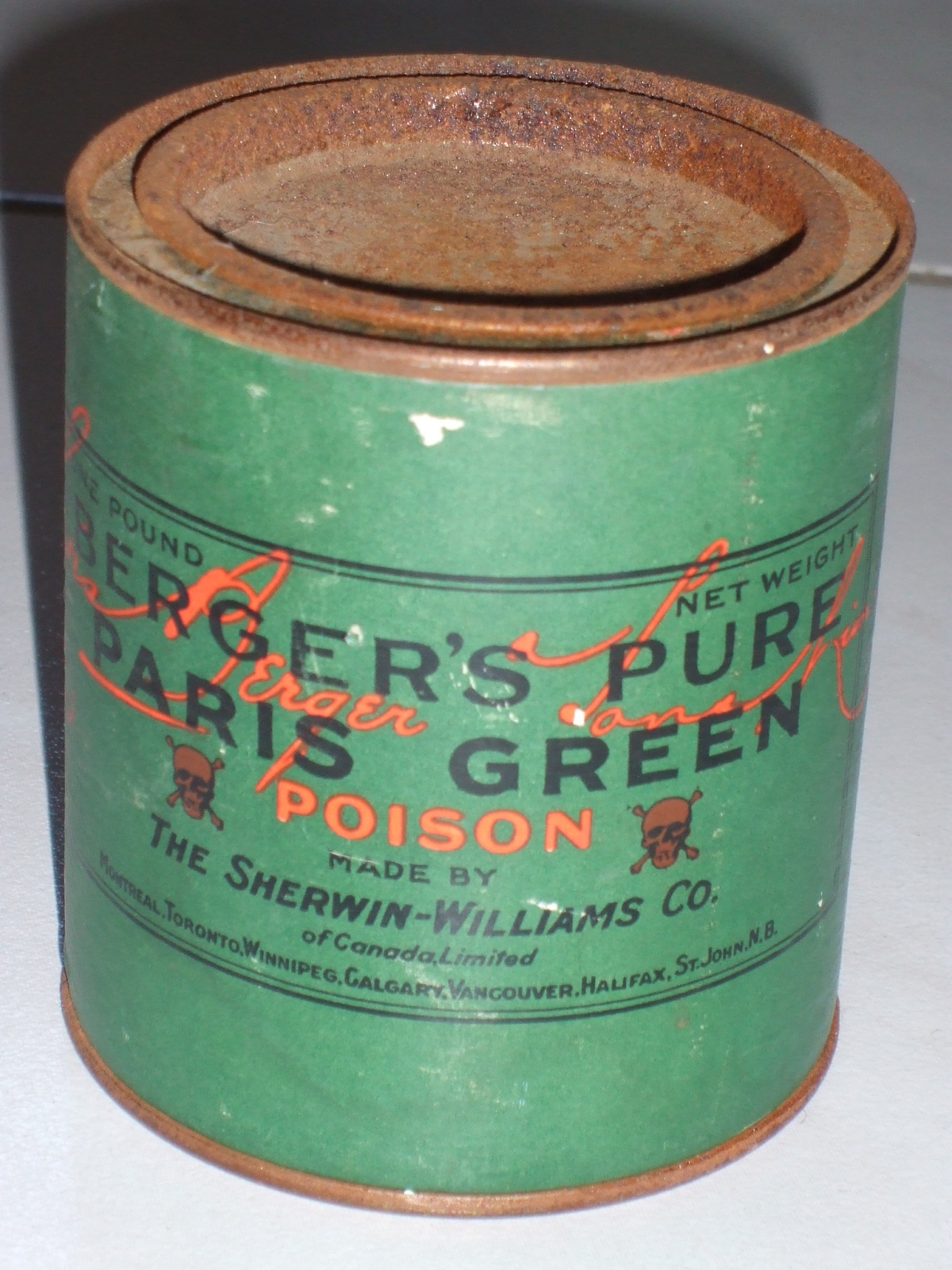
Paris Green
A toxic emerald-green pigment once prized in art and used as an early insecticidePigment · 🇩🇪 Germany +4

#43B3AE
Verdigris
A historic bluish-green pigment formed on copper and used in art since antiquityPigment · 🇬🇷 Greece +1

Green
Celadon青瓷
A jade-green ceramic glaze prized in East Asian pottery for centuriesNamed shade · 🇨🇳 China +4

Green
Scheele's green
A yellowish-green pigment once prized for its brilliance, now infamous for its toxicityPigment

#40826D
Viridian
A blue-green pigment made from hydrated chromium oxide, valued in painting since the 1800sPigment
Green
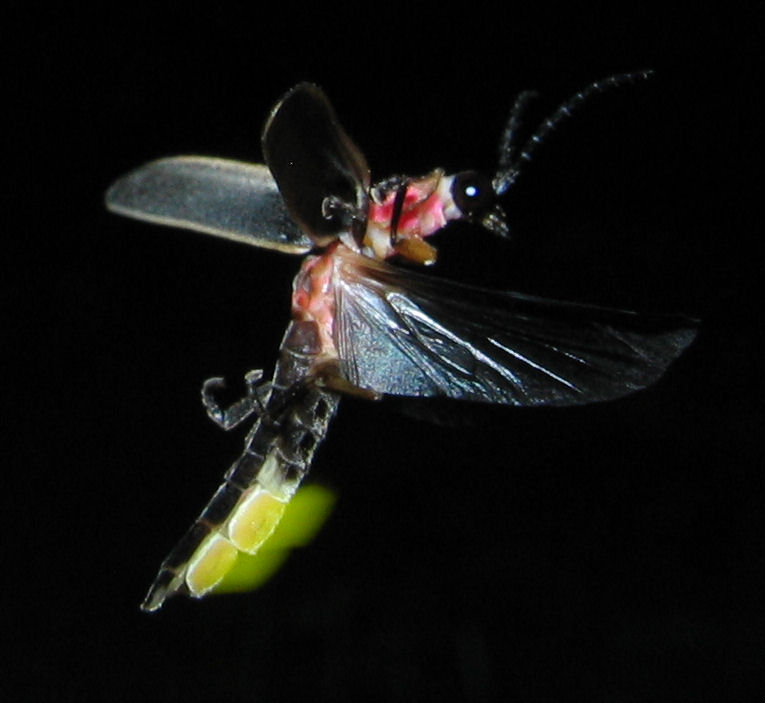
Bioluminescence
Light produced by living things through a chemical reactionColour named from nature
Green
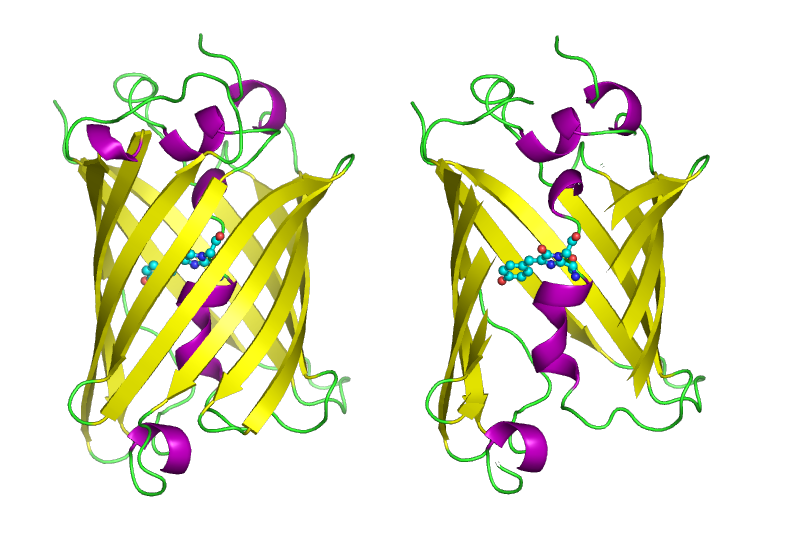
Green fluorescent protein
A jellyfish protein that glows green under blue or ultraviolet lightColour named from nature
More colours tied to China
The colours of China
#FF0000
Red
A primary colour seen in light, pigment, and tradition worldwideBasic colour · 🇺🇸 United States +5

#FFFF00
Yellow
A primary colour between green and orange, seen in sunlight, leaves, and pigmentsBasic colour · 🇫🇷 France +5

#800080
Purple
A cool colour between red and blue, long linked with royalty and rarityBasic colour · 🇱🇧 Lebanon +5

Red
Cinnabar
A scarlet to brick-red mineral and the main source of mercury and vermilion pigmentColour named from nature · 🇪🇸 Spain +5