Blue hair
Hair coloured blue by dye, art, or nature’s rare effects
No single value: Blue hair is a material, and its colour varies. The background shows its family, blue.

Blue hair does not occur naturally in humans, though some very dark hair can appear to have a blue sheen, especially in East Asian populations. Blue hair has been created through dyeing for fashion, art, and symbolic purposes, and is seen in both historical and modern contexts, from ancient Egypt to contemporary pop culture.
- Blue hair does not naturally occur in humans
- In Japan, blue-black hair is a beauty ideal
- Blue hair has been used in art to show divinity
- Blue rinses were popular for hiding grey hair
- Blue hair is linked to youth subcultures and politics
What colour is Blue hair?
Blue hair in humans is most often the result of dyeing, though some people with very dark hair, particularly in East Asia, may have a natural blue-black sheen. In animals, blue hair can occur naturally through dilution or mixing of black and white hairs, giving a blue-grey or navy effect. Blue hair stands out because it is rare and striking, and has been used in art and fashion to signal difference or creativity.
Where does Blue hair come from?
The idea of blue hair has roots in both nature and art. In Japan, glossy blue-black hair is a beauty ideal. Ancient Egyptian and Mesopotamian art used blue, often from lapis lazuli, to depict hair on sacred figures. In literature, blue hair or beards appear in Greek myths and stories, sometimes to show divinity or otherworldliness. The name simply describes the colour, whether natural, dyed, or artistic.
How is Blue hair made?
Blue hair in fashion is usually achieved with synthetic dyes. One such dye, Disperse Blue 1, was used for semi-permanent colouring, but is not used in the United States due to health concerns. In occupational settings, blue hair can result from exposure to substances like cobalt or indigo, which can stain the hair deeply. In animals, blue shades are produced by genetics affecting hair pigment.


Where Blue hair is used
Historically, blue hair has been a fashion statement, from powdered wigs in 18th-century England to blue rinses used by older women to hide grey hair. In art, blue hair appears in depictions of sacred or mythical figures, such as the Buddha or gods in Greek and Egyptian traditions. In modern times, blue hair is seen in pop culture, music, and animation, often as a sign of individuality.
What Blue hair means
Blue hair has carried different meanings in different times and places. In ancient Egypt and Mesopotamia, it was linked to sacredness and divinity. In modern Western societies, blue hair can be a symbol of rebellion, creativity, or political identity, especially among younger generations. In Japan, blue-black hair is admired for its beauty.
Blue around the world
What the blue family means from country to country.
Ancient craftsmen made Egyptian blue, one of the first synthetic pigments, and blue-glazed faience for amulets. Blue stood for the sky and the Nile.
Sacred and holyProtection and healingAweSource: Egyptian blueMany households hang a blue glass bead with an eye on it by the door or in the car to keep off the evil eye, known as hasad. Blue eye beads were already made in ancient Egypt.
Protection and healingSource: Nazar (amulet)The flag is blue and white, with nine stripes and a white cross. The colours are usually read as the sea and sky and the white of the waves and clouds.
Politics and protestNature and renewalPrideSource: Flag of GreeceA blue glass eye, the mati, is worn on a chain or hung in homes and cars against the evil eye. Blue is held to be the colour that turns the harm back.
Protection and healingSource: Evil eyeIndigo dyeing, called aizome, clothed ordinary people in deep blue through the Edo period. The men's national football team plays in blue and is nicknamed Samurai Blue.
Festival and celebrationPrideSource: Japan national football teamRussian has two basic words for blue: siniy for dark blue and goluboy for light blue. Speakers treat them as two colours, as English speakers treat red and pink.
Nature and renewalSource: Blue–green distinction in languageShades and relatives of Blue hair
Blue hair can range from a deep blue-black to bright turquoise or sky blue, depending on dye and lighting. In animals, blue coats may appear as blue-grey, navy, or mottled patterns. In art and literature, blue hair is sometimes used to show magical or divine qualities, and is often contrasted with more natural hair colours.
Questions people ask about Blue hair
What colour is blue hair?
Blue hair refers to hair that appears blue, either through dyeing or, rarely, a natural blue-black sheen seen in very dark hair, especially among people of East Asian descent.
Does blue hair occur naturally?
Blue hair does not naturally occur in humans, but some animals have blue coats, and very dark human hair can sometimes appear to have a blue sheen.
Where does the idea of blue hair come from?
The idea comes from both nature and art. Ancient Egyptian and Mesopotamian art depicted blue hair on sacred figures, and in Japan, glossy blue-black hair is admired.
How is blue hair made?
Blue hair is usually achieved with synthetic dyes. In the past, substances like Disperse Blue 1 were used, but some dyes are now avoided due to health concerns.
What does blue hair mean in different cultures?
In ancient Egypt, it was linked to sacredness. In Japan, blue-black hair is a beauty ideal. In recent Western culture, blue hair can signal creativity, rebellion, or political identity.
Good reading and sources
- Blue hair on WikipediaEncyclopedia
- More pictures on Wikimedia CommonsPictures
- Wikidata recordOpen data
The facts on this page come from the Wikipedia article "Blue hair", written by its contributors and used under the CC BY-SA 4.0 licence, and from its Wikidata record (CC0). Rang rewrote the text in its own words, with AI assistance, and compares every page with the article to make sure no passage is copied. It may be reused under the same CC BY-SA 4.0 licence with a link back.
It may contain mistakes. The swatch is an approximation: named colours are not fixed standards, and every screen shows them a little differently. If something is wrong, tell us. Last refreshed 2026-10-03.
More of the blue family
All of blue
Blue
Lapis lazuli
A deep blue stone prized for jewellery and the source of ultramarine pigmentColour named from nature · 🇦🇫 Afghanistan +5
#6A5DFF
Indigo
A deep blue named for the dye once exported from IndiaNamed shade · 🇮🇳 India +5

Blue
Azurite
A deep blue copper mineral once prized as a pigment and gemstonePigment · 🇫🇷 France +5

Blue
Woad
A blue dye once vital to Europe's textile trade, made from the leaves of a flowering plantDye · 🇫🇷 France +3
Blue
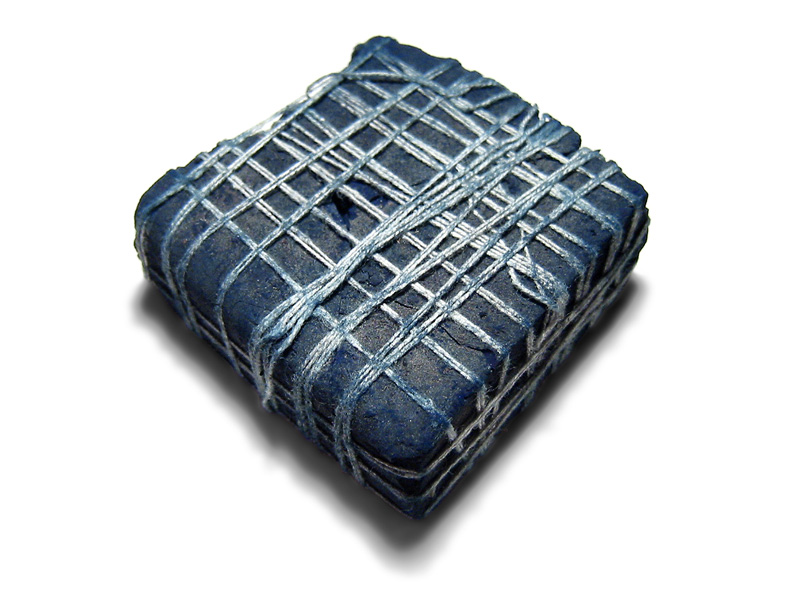
Indigo
A deep blue dye from plants, now mostly made synthetically and known for colouring denimDye · 🇮🇳 India +5
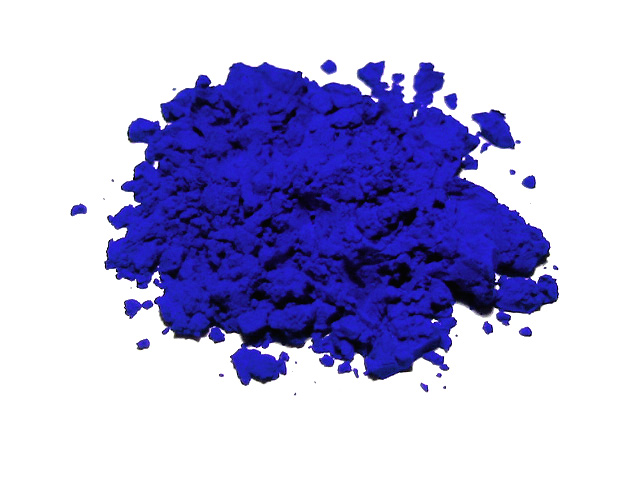
#120A8F
Ultramarine
A deep blue pigment once made from lapis lazuli, prized for centuries in artPigment · 🇦🇫 Afghanistan +2

#003153
Prussian blue
A deep blue pigment first made in Berlin in the early 1700sPigment · 🇯🇵 Japan

#007FFF
Azure
A clear sky blue, halfway between blue and cyan on the colour wheelNamed shade · 🇮🇹 Italy +2
More colours tied to Japan
The colours of Japan
#FF0000
Red
A primary colour seen in light, pigment, and tradition worldwideBasic colour · 🇺🇸 United States +5

#800080
Purple
A cool colour between red and blue, long linked with royalty and rarityBasic colour · 🇱🇧 Lebanon +5

#F5F5DC
Beige
A pale, warm colour named after natural, undyed woolNamed shade · 🇫🇷 France +2

#E34234
Vermilion
A brilliant orange-red pigment, once made from toxic mercury orePigment · 🇹🇷 Turkey +5