Blue pigment
Pigments that give blue colour to paints, inks, and art from ancient times to today
No single value: Blue pigment is a material, and its colour varies. The background shows its family, blue.

Blue pigments are materials, often mineral-based, that provide blue colour in paints and inks. They include both natural and synthetic substances, such as indigo, ultramarine, Prussian blue, and copper phthalocyanine. Some, like lapis lazuli and Egyptian blue, have been valued since ancient times, while others, like YInMn Blue, are modern discoveries.
- Lapis lazuli was once ground for ultramarine, the most expensive blue pigment.
- Egyptian blue is the first known synthetic blue pigment.
- Indigo is now the main pigment for blue jeans.
- Prussian blue revolutionised painting with its deep, affordable blue.
- YInMn Blue was discovered as recently as 2009.
What colour is Blue pigment?
Blue pigments are substances that give a blue colour to paints, inks, textiles, and ceramics. They can be natural, such as those made from minerals like lapis lazuli and azurite, or synthetic, such as Prussian blue and copper phthalocyanine. These pigments are insoluble in water and are chosen for their stability, strength, and particular shade of blue. The range of blue pigments covers everything from deep, dark blues to lighter, turquoise tones.
Where does Blue pigment come from?
Some of the earliest blue pigments were found in Europe in the Final Palaeolithic era. Ancient Egyptians created Egyptian blue, the first synthetic blue pigment, while the Chinese developed Han blue. Lapis lazuli, mined mainly in Afghanistan, was ground to make ultramarine, a pigment once more valuable than gold. Over time, new synthetic blues like Prussian blue, cobalt blue, and YInMn Blue were invented, each with its own story and use.
How is Blue pigment made?
Natural blue pigments are often ground from minerals such as lapis lazuli or azurite. Synthetic pigments are made by chemical processes: Prussian blue is created by oxidising iron salts, cobalt blue by sintering cobalt oxide with alumina, and copper phthalocyanine by complex chemical synthesis. Indigo, though sometimes a dye, can be used as a pigment when made insoluble. Each pigment’s method gives it unique properties and uses.



Where Blue pigment is used
Blue pigments have been used in art, from ancient Egyptian tombs to Renaissance paintings and Japanese prints. They colour ceramics, such as Chinese porcelain, and textiles, most famously blue jeans dyed with indigo. Some, like copper phthalocyanine, are common in modern paints and inks. Others, such as Maya blue, played a role in rituals and murals in Mesoamerica.
Blue around the world
What the blue family means from country to country.
Lapis lazuli has been mined in the mountains of Badakhshan for more than six thousand years. Ground to powder it gave ultramarine, the costliest blue in European painting.
Royalty and powerSacred and holyAweSource: Lapis lazuliThe chadari is a full-length covering for women with a mesh panel over the eyes. In Kabul and the north it is most often a light blue.
Protection and healingSource: BurqaThe flag has three blue stripes for the three old departments of the island, two white ones for the purity of the cause, and a red triangle with a white star.
Politics and protestSource: Flag of CubaThe blue flower, die blaue Blume, comes from a novel by Novalis. It became the emblem of German Romanticism and stands for longing for what cannot be reached.
Love and desireNostalgiaSource: Blue flowerPrussian blue, one of the first modern synthetic pigments, was made by accident in Berlin in the early 1700s. It later coloured the coats of the Prussian army.
Nature and renewalSource: Prussian blueAncient craftsmen made Egyptian blue, one of the first synthetic pigments, and blue-glazed faience for amulets. Blue stood for the sky and the Nile.
Sacred and holyProtection and healingAweSource: Egyptian blueShades and relatives of Blue pigment
There are many blue pigments, each with its own shade and qualities. Ultramarine is a deep blue from lapis lazuli, while Prussian blue is darker and was cheaper to make. Cobalt blue is stable and used in ceramics and glass. Maya blue is turquoise and highly weather-resistant. Some pigments, like azurite, can darken over time, while others, like copper phthalocyanine, are valued for their lasting colour.
Questions people ask about Blue pigment
What is a blue pigment?
A blue pigment is a material, often mineral or synthetic, that gives blue colour to paints, inks, and other products. These pigments are insoluble in water and are used for their particular shade and stability.
Where does the name 'blue pigment' come from?
The term simply refers to any pigment that produces a blue colour. Specific pigments have their own names, such as ultramarine from lapis lazuli or Prussian blue from its place of invention.
What are some famous blue pigments?
Notable blue pigments include ultramarine (from lapis lazuli), Egyptian blue, Prussian blue, cobalt blue, indigo, copper phthalocyanine, and Maya blue.
How are blue pigments made?
Some are ground from minerals like lapis lazuli or azurite. Others are made by chemical processes, such as Prussian blue from iron salts or cobalt blue from cobalt and alumina.
Where have blue pigments been used?
Blue pigments have coloured art, ceramics, textiles, and even food. They appear in ancient Egyptian tombs, Renaissance paintings, Chinese porcelain, and modern blue jeans.
Good reading and sources
The facts on this page come from the Wikipedia article "Blue pigments", written by its contributors and used under the CC BY-SA 4.0 licence, and from its Wikidata record (CC0). Rang rewrote the text in its own words, with AI assistance, and compares every page with the article to make sure no passage is copied. It may be reused under the same CC BY-SA 4.0 licence with a link back.
It may contain mistakes. The swatch is an approximation: named colours are not fixed standards, and every screen shows them a little differently. If something is wrong, tell us. Last refreshed 2026-10-03.
More of the blue family
All of blue
Blue
Lapis lazuli
A deep blue stone prized for jewellery and the source of ultramarine pigmentColour named from nature · 🇦🇫 Afghanistan +5

Blue
Azurite
A deep blue copper mineral once prized as a pigment and gemstonePigment · 🇫🇷 France +5

Blue
Woad
A blue dye once vital to Europe's textile trade, made from the leaves of a flowering plantDye · 🇫🇷 France +3
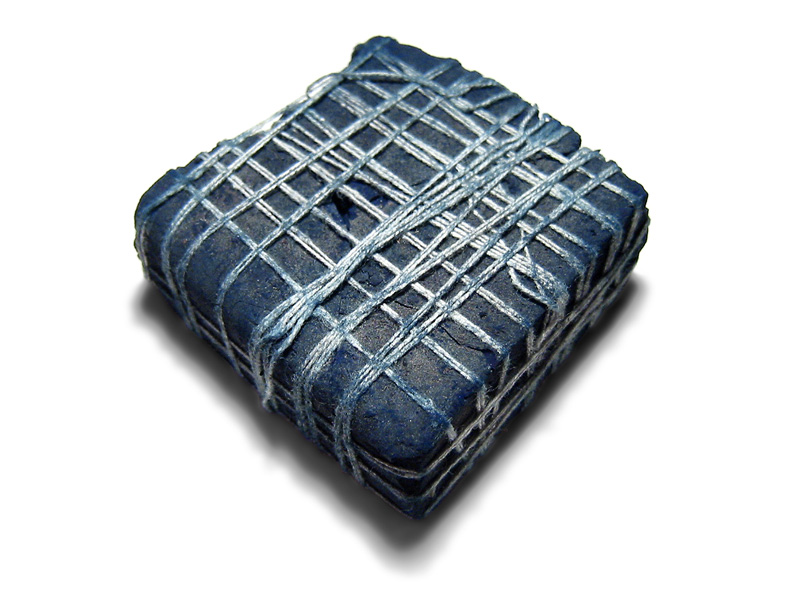
Blue
Indigo
A deep blue dye from plants, now mostly made synthetically and known for colouring denimDye · 🇮🇳 India +5
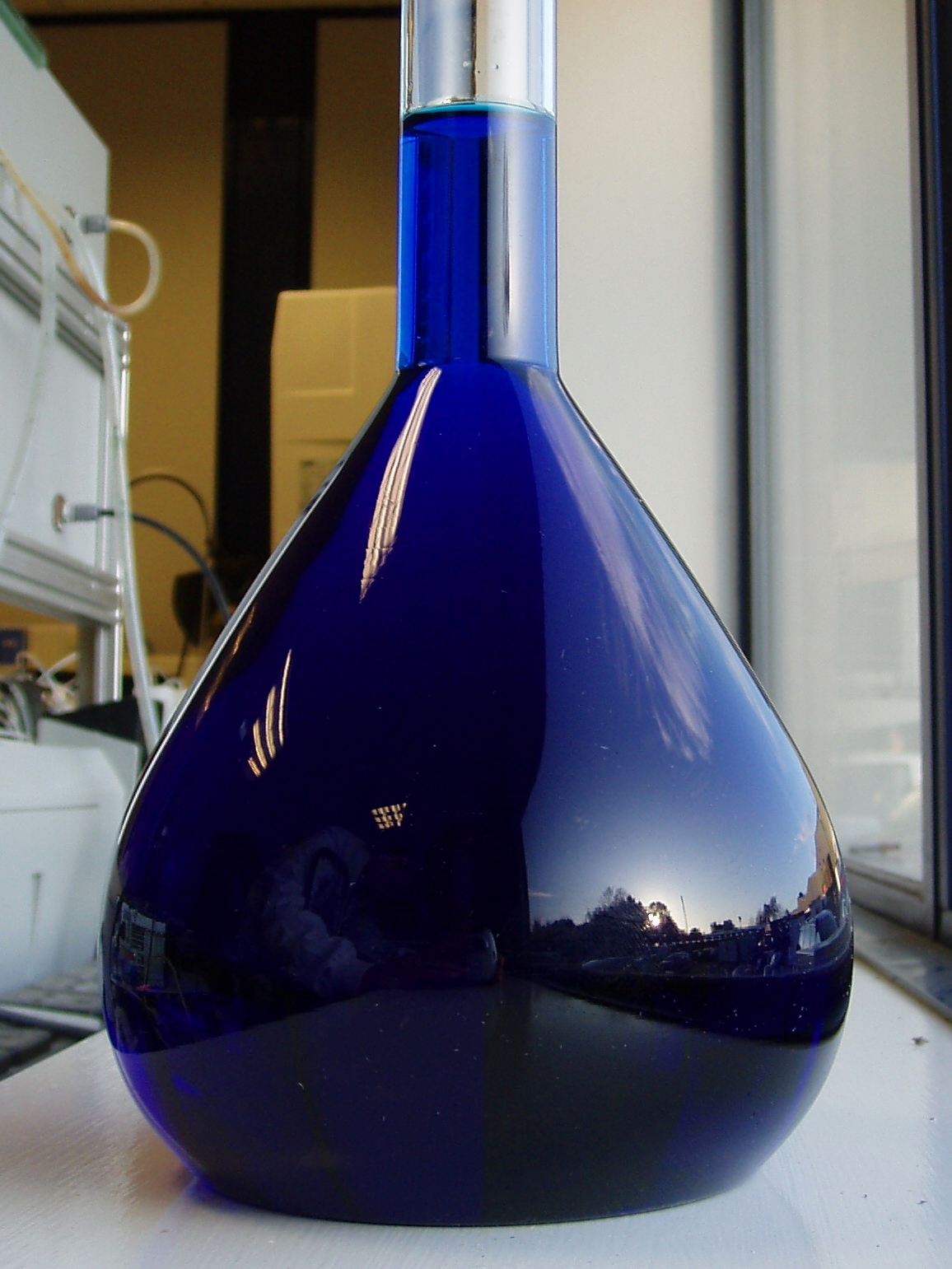
Blue
Methylene blue
A synthetic blue dye and medicine first made in 1876Dye
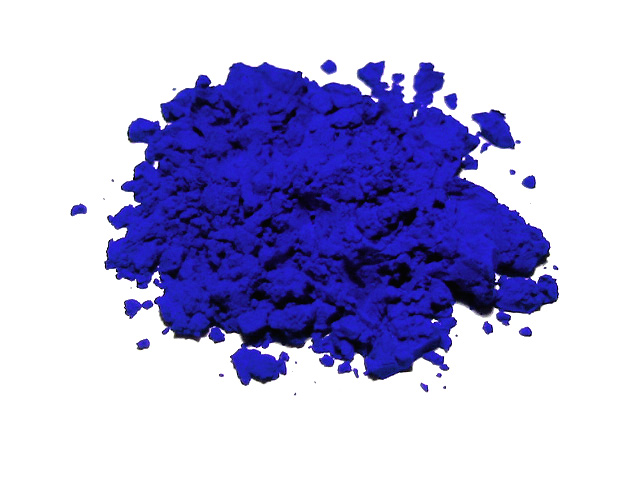
#120A8F
Ultramarine
A deep blue pigment once made from lapis lazuli, prized for centuries in artPigment · 🇦🇫 Afghanistan +2

#003153
Prussian blue
A deep blue pigment first made in Berlin in the early 1700sPigment · 🇯🇵 Japan

Blue
Haematoxylin
A natural dye from logwood, best known for staining cell nuclei in histologyDye · 🇵🇭 Philippines
More colours tied to Egypt
The colours of Egypt
#FFFF00
Yellow
A primary colour between green and orange, seen in sunlight, leaves, and pigmentsBasic colour · 🇫🇷 France +5

Green
Malachite
A banded green mineral and pigment once prized for art and decorationColour named from nature · 🇪🇬 Egypt +4

#CC7722
Ochre
A natural earth pigment ranging from yellow to deep orange or brownPigment · 🇦🇺 Australia +5

#40E0D0
Turquoise
A blue-green colour named after a prized mineral long used for gems and decorationNamed shade · 🇮🇷 Iran +5