Rubia
A group of plants whose roots once dyed cloth and paint a lasting red
No single value: Rubia is a material, and its colour varies. The background shows its family, red.

Rubia is a genus of climbing plants best known for their roots, which yield a red dye called madder. This dye, used since ancient times in Asia, Europe, and Africa, coloured textiles, paints, and even Easter eggs. The main colouring agent is alizarin, now mostly made synthetically.
- Rubia roots were the main source of madder red dye for centuries
- Alizarin is the key chemical in Rubia that gives the red colour
- Madder-dyed cloth has been found on Egyptian mummies
- Rubia is still used to dye Easter eggs red in Georgia and Armenia
What colour is Rubia?
Rubia refers to a group of climbing or scrambling plants whose roots produce a red dye. This dye, known as madder, gives a deep, lasting red that was once common in textiles and paint. The colour comes from a chemical in the roots called alizarin. Rubia’s red stands out for its earthy, slightly bluish tone, different from brighter or more orange reds.
Where does Rubia come from?
The name Rubia comes from the Latin word for red, 'ruber'. The plants are native to the Old World and have been grown for their dye since ancient times. Madder was known in Egypt, Greece, and Rome, and its use spread across Asia and Europe. The dye was important enough to be mentioned by writers like Pliny and Dioscorides. Its role faded after alizarin could be made in factories.
How is Rubia made?
The dye is made from the roots of Rubia plants, especially Rubia tinctorum, Rubia cordifolia, and Rubia peregrina. The roots are dug up, dried, and processed to extract alizarin, the main red colouring. This dye was once used to make Rose madder for textiles and Madder lake for paint. Today, most alizarin is made synthetically.

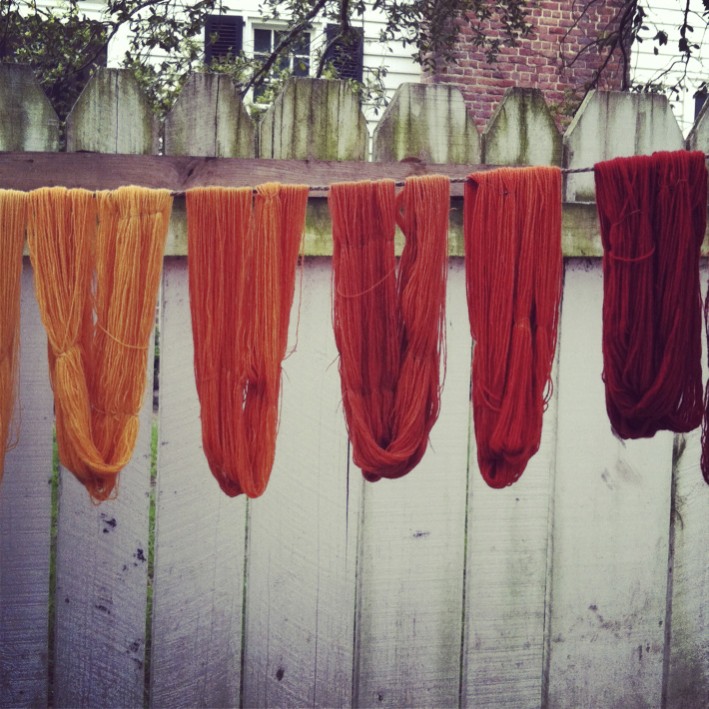
Where Rubia is used
Rubia dye coloured cloth for centuries in places like Egypt, India, and Europe. It was also used in paint, especially as Madder lake. In Georgia and Armenia, it is still used to dye Easter eggs red. The dye’s use in textiles declined after synthetic dyes became available, but it remains part of traditional crafts in some regions.
Red around the world
What the red family means from country to country.
Armenian scribes painted manuscripts with vordan karmir, a crimson dye made from an insect that lives on the roots of grasses in the Ararat plain.
Sacred and holySource: Armenian cochinealThe ancient Egyptians called the desert deshret, the red land. Red was the colour of the god Set, of chaos and of danger, and scribes wrote unlucky words in red ink.
Danger and warningFearSource: RedThe flag is red, white and black. Red recalls the struggle before the 1952 revolution, white the revolution itself, which was nearly bloodless, and black the end of oppression.
Politics and protestPrideSource: Flag of EgyptThe red Phrygian cap, a soft cap with the tip pulled forward, became the sign of liberty in the Revolution. Marianne, the figure of the Republic, still wears it.
Politics and protestCourageSource: Phrygian capMany Hindu brides marry in a red sari or lehenga. In much of north India a married woman wears sindoor, a red powder, along the parting of her hair.
Weddings and marriageLuck and prosperityJoyLoveSource: SindoorOn the last Tuesday night before Nowruz, people jump over small bonfires and chant a line that gives their yellow, meaning sickness, to the fire and takes its red, meaning health.
Festival and celebrationProtection and healingEnergySource: Chaharshanbe SuriShades and relatives of Rubia
Several species of Rubia were used for dye, with Rubia tinctorum common in Europe and Rubia cordifolia in India. The dye is sometimes called Rose madder or Madder lake, depending on its use. Synthetic alizarin now replaces most natural madder, but the colour is still known by the old names.
When Rubia is worn and shown
Questions people ask about Rubia
What colour is Rubia dye?
Rubia dye produces a deep, earthy red, sometimes called madder red. It comes from the roots of several Rubia species and was widely used for textiles and paint.
Where does the name Rubia come from?
The name Rubia comes from the Latin word 'ruber', meaning red, reflecting the colour of the dye made from its roots.
How was Rubia dye traditionally made?
The roots of Rubia plants were harvested, dried, and processed to extract alizarin, the main red colouring. This was then used to dye textiles or make paint.
Is Rubia dye still used today?
Natural Rubia dye is less common now because synthetic alizarin is widely available, but it is still used in some traditional crafts and for dyeing Easter eggs in Georgia and Armenia.
Good reading and sources
The facts on this page come from the Wikipedia article "Rubia", written by its contributors and used under the CC BY-SA 4.0 licence, and from its Wikidata record (CC0). Rang rewrote the text in its own words, with AI assistance, and compares every page with the article to make sure no passage is copied. It may be reused under the same CC BY-SA 4.0 licence with a link back.
It may contain mistakes. The swatch is an approximation: named colours are not fixed standards, and every screen shows them a little differently. If something is wrong, tell us. Last refreshed 2026-10-03.
More of the red family
All of red
Red
Cinnabar
A scarlet to brick-red mineral and the main source of mercury and vermilion pigmentColour named from nature · 🇪🇸 Spain +5

Red
Realgar
An orange-red arsenic sulfide mineral once used as a pigment and poisonPigment · 🇨🇳 China +5

#E25822
Scarlet
A bright red with a touch of orange, long tied to power, sacrifice and sinNamed shade · 🇹🇷 Turkey +4
Red
Carmine
A deep red pigment made from cochineal insects, once prized across continentsPigment · 🇫🇷 France +2

#E34234
Vermilion
A brilliant orange-red pigment, once made from toxic mercury orePigment · 🇹🇷 Turkey +5

#DC143C
Crimson
A deep red with a hint of purple, once made from insectsNamed shade · 🇳🇵 Nepal

#E32636
Alizarin
A deep red dye first made from madder roots, later produced from coal tarDye · 🇹🇷 Turkey +1

#800000
Maroon
A deep brownish red named for the French word for chestnutNamed shade · 🇦🇺 Australia +4
More colours tied to Egypt
The colours of Egypt
#FFFF00
Yellow
A primary colour between green and orange, seen in sunlight, leaves, and pigmentsBasic colour · 🇫🇷 France +5

Blue
Lapis lazuli
A deep blue stone prized for jewellery and the source of ultramarine pigmentColour named from nature · 🇦🇫 Afghanistan +5

Green
Malachite
A banded green mineral and pigment once prized for art and decorationColour named from nature · 🇪🇬 Egypt +4

Blue
Azurite
A deep blue copper mineral once prized as a pigment and gemstonePigment · 🇫🇷 France +5