🇦🇲 The colours of Armenia
3 meanings recorded, 7 colours tied to the country and 1 colour city.
Armenia's flag uses red, blue, and orange bands. Officially, red stands for the Armenian Highlands and the people's endurance and faith, blue for peaceful skies, and orange for the nation's creativity and work ethic. These colours have roots in Armenia's modern and ancient history.
Where no official value is given, the swatch shows the colour family, not the exact shade.
- Red, blue, and orange are the official flag colours.
- Red symbolises the Armenian Highlands and survival.
- Blue stands for peaceful skies over Armenia.
- Orange represents Armenian creativity and hard work.
- Earlier Armenian flags featured animals and crosses.
The colours of the flag of Armenia
The Armenian flag is made up of three horizontal stripes: red at the top, blue in the centre, and orange at the bottom. The meanings of these colours are set out in law. Red is said to represent the Armenian Highlands, the people's ongoing resilience, their Christian beliefs, and the country's independence. Blue stands for the hope to live peacefully under Armenian skies. Orange is linked to the creativity and diligence of the Armenian people. These interpretations are officially recognised.
How the colours were chosen of Armenia
Early Armenian banners featured animals or symbols rather than colours. In the Middle Ages, flags included black, red, white, and gold, often with crosses or animals. The tricolour design first appeared in 1885, with several versions before the current red, blue, and orange arrangement was chosen in 1918. There was debate over the orange stripe, as orange cloth was scarce, but it was kept for its appearance. During Soviet times, Armenia used red flags with gold symbols and blue stripes, changing several times. The tricolour returned in 1990.
Official shades and rules of Armenia
The flag's colours and layout are defined by law, with three equal horizontal bands. The Armenian National Institute of Standards has published detailed specifications for the flag's construction and colours, but the sources do not provide the exact colour codes here.
The facts in this overview come from the Wikipedia article "Flag of Armenia", written by its contributors and used under the CC BY-SA 4.0 licence. Rang rewrote the text in its own words, with AI assistance, and compares every page with the article to make sure no passage is copied. It may be reused under the same CC BY-SA 4.0 licence with a link back.
What colours mean in Armenia
Customs vary by region, faith and family; these are the meanings most often recorded.
Armenian scribes painted manuscripts with vordan karmir, a crimson dye made from an insect that lives on the roots of grasses in the Ararat plain.
Sacred and holySource: Armenian cochinealThe lowest band of the flag is orange, often called apricot, after the national fruit. The constitution says it stands for the creative talent and hard work of the people.
Politics and protestNature and renewalPrideSource: Flag of ArmeniaThe blue band of the flag stands for the wish of the Armenian people to live under peaceful skies. The red above it is for the highlands and the struggle to survive.
Politics and protestHopeSource: Flag of Armenia
Colours tied to Armenia

#E25822
Scarlet
A bright red with a touch of orange, long tied to power, sacrifice and sinNamed shade · 🇹🇷 Turkey +4

Red
Rubia
A group of plants whose roots once dyed cloth and paint a lasting redColour named from nature · 🇪🇬 Egypt +5

#E49B0F
Gamboge
A strong yellow pigment tapped from Southeast Asian treesPigment · 🇰🇭 Cambodia +5

Grey
Hematite
A mineral iron oxide, black to red, used since prehistory as a pigment and oreColour named from nature · 🇿🇦 South Africa +5
Red
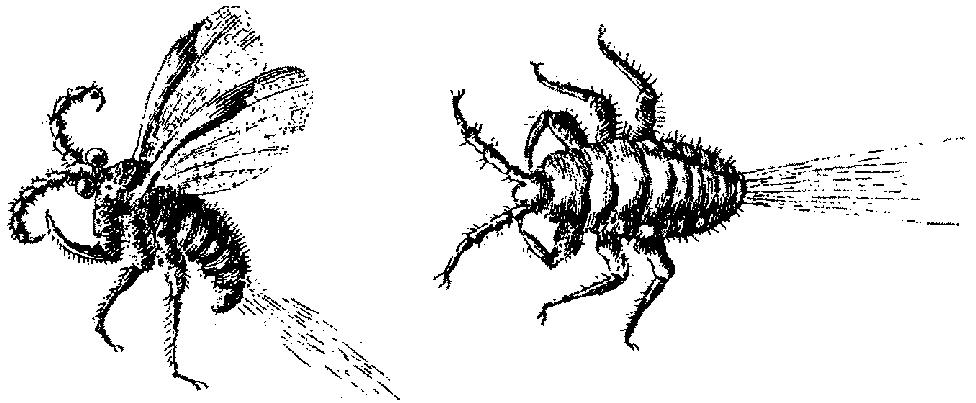
Polish cochinealczerwiec polski
A crimson dye once vital to Poland, made from a native scale insectDye · 🇵🇱 Poland +5

Red
Armenian cochinealորդան կարմիր
A crimson dye once prized across Armenia and the Middle East, made from a rare insectDye · 🇦🇲 Armenia +4

#79443B
Bole
A reddish-brown pigment made from fine clay, used under gold leaf in artNamed shade · 🇦🇲 Armenia
Photo credits on this page
The small pictures above come from Wikimedia Commons under free licences. Some are cropped to fit.
- Bole: Allegretto Nuzi, CC0, source
- Sienna: DanielCD~commonswiki, CC BY-SA 3.0, source
- Gamboge: Maša Sinreih in Valentina Vivod, CC BY-SA 3.0, source
- Rubia: Unknown author, CC BY-SA 3.0, source
- Polish cochineal: Unknown author, Public domain, source
- Armenian cochineal: Vahe Martirosyan, CC BY-SA 3.0, source
- Scarlet: Daderot, Public domain, source
- Yerevan Am: Սէրուժ Ուրիշեան (Serouj Ourishian), CC BY 4.0, source