Polish cochineal
In its own language: czerwiec polski
A crimson dye once vital to Poland, made from a native scale insect
No single value: Polish cochineal is a material, and its colour varies. The background shows its family, red.
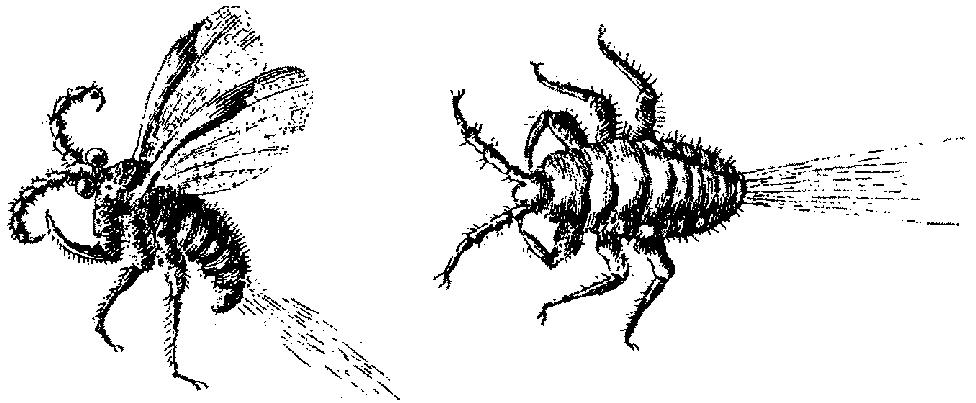
Polish cochineal is a scale insect used for centuries in Central Europe to make a crimson dye. The dye, known as Saint John's blood, was a major Polish export before cheaper American dyes arrived. Its name and the word for red in Slavic languages reflect its deep cultural roots.
- The dye is made from female scale insects found on plant roots.
- It was a major Polish export before the 16th century.
- The word for 'red' in many Slavic languages comes from the insect's name.
- Known as 'Saint John's blood' due to its harvest time in late June.
- Its use declined after cheaper American cochineal arrived.
What colour is Polish cochineal?
Polish cochineal is a small scale insect that produces a deep crimson dye. The dye comes from the bodies of the female larvae, which cluster as dark red or violet bubbles on the roots of certain herbs. This dye was once a prized source of red for textiles and other uses in Central Europe, especially Poland, before synthetic and imported dyes replaced it.
Where does Polish cochineal come from?
The name Polish cochineal refers to both the insect and the dye it yields. Its importance is reflected in Slavic languages, where words for 'red' and 'June' come from the same root as the insect's name. The dye was a key Polish export from ancient times through the Middle Ages, until the 16th century when cheaper American dyes arrived in Europe.
How is Polish cochineal made?
To make the dye, female larvae were collected from host plants, mainly perennial knawel, just before maturity in late June. The insects were killed with boiling water or vinegar, dried, then ground and processed in sourdough or light rye beer to remove fat. The resulting extract was used to dye silk, wool, cotton, and linen. About 3-4 ounces of dye were needed for each pound of silk.
Where Polish cochineal is used
Polish cochineal dye coloured textiles such as silk and wool, and was also used in folk medicine, crafts, and even to tint vodka and horses' tails. It was a major export from Poland to cities across Europe and later to Central Asia. Locally, peasants continued to use it even after its decline in international trade.
What Polish cochineal means
Red dyes from Polish cochineal are historically associated with Poland. White and red are Poland's traditional national colours, seen in royal banners and the national flag. The dye's importance is still felt in language and culture, though its use has faded.
Red around the world
What the red family means from country to country.
Armenian scribes painted manuscripts with vordan karmir, a crimson dye made from an insect that lives on the roots of grasses in the Ararat plain.
Sacred and holySource: Armenian cochinealThe red Phrygian cap, a soft cap with the tip pulled forward, became the sign of liberty in the Revolution. Marianne, the figure of the Republic, still wears it.
Politics and protestCourageSource: Phrygian capIt is a custom to wear new red underwear on New Year's Eve for luck and love in the coming year. Shop windows fill with it in December.
Luck and prosperityLove and desireSource: New Year's EveRosso corsa, racing red, was the colour given to Italian cars in early international motor racing. Ferrari kept it, and it is now the colour people expect of the brand.
Festival and celebrationPrideEnergySource: Rosso corsaThe flag is white over red. The colours come from the national arms, a white eagle on a red shield, and were made official in 1831.
Politics and protestPrideSource: Flag of PolandCrimson was the colour of the Polish nobility. Only nobles could wear it, and karmazyn, crimson man, came to mean a noble of old family.
Royalty and powerSource: SzlachtaShades and relatives of Polish cochineal
Polish cochineal is related to other insect dyes like Armenian cochineal and Mexican cochineal, but differs in species and geography. Its dye is similar in colour to kermes and other scale insect reds, but was once a distinct and valued source in Europe.
Questions people ask about Polish cochineal
What colour is Polish cochineal dye?
It produces a deep crimson red dye, once widely used for textiles and other purposes in Central Europe.
Where does the name 'Polish cochineal' come from?
The name refers to the insect found mainly in Poland, and its importance is seen in Slavic words for 'red' and 'June', which share the same root.
How was Polish cochineal dye made?
Female larvae were collected from host plants, killed, dried, ground, and processed to extract the dye, which was then used to colour silk, wool, cotton, and linen.
Why did the use of Polish cochineal decline?
Its use fell sharply in the 16th century after cheaper and more efficient American cochineal dyes became available in Europe.
What role did Polish cochineal play in Polish culture?
The dye was a key export and part of Poland's national identity, with red from cochineal linked to the country's traditional colours and language.
Good reading and sources
- Polish cochineal on WikipediaEncyclopedia
- More pictures on Wikimedia CommonsPictures
- Wikidata recordOpen data
The facts on this page come from the Wikipedia article "Polish cochineal", written by its contributors and used under the CC BY-SA 4.0 licence, and from its Wikidata record (CC0). Rang rewrote the text in its own words, with AI assistance, and compares every page with the article to make sure no passage is copied. It may be reused under the same CC BY-SA 4.0 licence with a link back.
It may contain mistakes. The swatch is an approximation: named colours are not fixed standards, and every screen shows them a little differently. If something is wrong, tell us. Last refreshed 2026-10-03.
More of the red family
All of red
Red
Cinnabar
A scarlet to brick-red mineral and the main source of mercury and vermilion pigmentColour named from nature · 🇪🇸 Spain +5

Red
Realgar
An orange-red arsenic sulfide mineral once used as a pigment and poisonPigment · 🇨🇳 China +5
Red
Carmine
A deep red pigment made from cochineal insects, once prized across continentsPigment · 🇫🇷 France +2

#E25822
Scarlet
A bright red with a touch of orange, long tied to power, sacrifice and sinNamed shade · 🇹🇷 Turkey +4

#E34234
Vermilion
A brilliant orange-red pigment, once made from toxic mercury orePigment · 🇹🇷 Turkey +5

Red
Rubia
A group of plants whose roots once dyed cloth and paint a lasting redColour named from nature · 🇪🇬 Egypt +5

#DC143C
Crimson
A deep red with a hint of purple, once made from insectsNamed shade · 🇳🇵 Nepal

#E32636
Alizarin
A deep red dye first made from madder roots, later produced from coal tarDye · 🇹🇷 Turkey +1
More colours tied to Poland
The colours of Poland
#0047AB
Cobalt blue
A strong, stable blue pigment made from cobalt and alumina since the early 1800sPigment · 🇫🇷 France +3

Grey
Hematite
A mineral iron oxide, black to red, used since prehistory as a pigment and oreColour named from nature · 🇿🇦 South Africa +5

Black
Sable
The heraldic name for the colour blackHeraldic colour · 🇩🇪 Germany +3

#A52A2A
Auburn hair
A natural hair colour blending red and brown tonesNamed shade · 🇳🇴 Norway +4