Crimson
A deep red with a hint of purple, once made from insects

Crimson is a strong, dark red that leans slightly towards purple. Its name and early dyes trace back to the kermes insect, once harvested around the Mediterranean. Crimson is now used for a range of bluish-red shades and is the national colour of Nepal. It has a long history in textiles, art, and national symbols.
Share on WhatsAppOpen in the lab
- Crimson was first made from kermes insects in the Mediterranean.
- It is the national colour of Nepal and appears on its flag.
- Crimson dyes once marked nobility in Poland.
- Artists and armies have used crimson for centuries.
- Modern crimson can be a digital or synthetic colour.
What colour is Crimson?
Crimson is a deep red, richer and darker than most reds, with a slight bluish or purplish cast. It sits between red and rose on the colour spectrum. This colour is often linked with the look of blood or a strong blush, and stands out for its intensity compared to other reds. It is widely recognised in art, fashion, and national symbols.
Where does Crimson come from?
The word 'crimson' has roots in several languages, all pointing back to the kermes insect, which was used to make the original dye. The English word developed through Old Spanish and Medieval Latin from Arabic and Persian sources. Early forms like 'cremesin' and 'cramoisi' appear in European languages, all referring to the dye or the insect itself. The colour has been known in Europe since at least the Middle Ages.
How Crimson is defined
Traditional crimson dye was produced by collecting and drying the bodies of kermes insects found on oak trees in Mediterranean regions. The process required large numbers of insects to achieve a strong colour. Later, carmine from cochineal insects replaced kermes, as it produced similar reds with less material. Modern crimson shades are often made with synthetic pigments or as digital colours.


Where Crimson is used
Crimson has coloured fabrics for nobility and military uniforms, such as the British Redcoats and the Danish hussars. Artists have used crimson pigments in paints, and the dye has been used in food, cosmetics, and medicines. Crimson is also prominent in university colours, national flags, and as a symbol in literature and music.
What Crimson means
In Nepal, crimson is a national symbol and appears on the country's flag. In the Baháʼí Faith, the colour stands for sacrifice and tests. In Poland, the word for crimson is linked with the nobility, as only the highest ranks could wear robes dyed with it. Crimson can also suggest anger or strong emotion in writing.
How Crimson feels
Our sources tie Crimson to anger. Such links differ from one culture to the next.
Red around the world
What the red family means from country to country.
Crimson is the national colour. It fills the flag, the only national flag that is not a rectangle, and it is the colour of the rhododendron, the national flower.
Politics and protestPrideSource: Flag of NepalMarried Hindu women wear red saris, red glass bangles and strings of red or green pote beads. At the Teej festival they dress in red, fast, sing and dance, and pray for their husbands' long lives.
Weddings and marriageFestival and celebrationJoySource: TeejAt Dashain, elders press tika, a paste of rice, yoghurt and red vermilion, on the foreheads of younger relatives as a blessing.
Sacred and holyLuck and prosperitySource: DashainThe flag uses the four Pan-Arab colours: a red bar at the hoist with green, white and black bands. It was designed by a young Emirati, Abdullah Al Maainah, in 1971.
Politics and protestPrideSource: Flag of the United Arab EmiratesThe flag is a black double-headed eagle on red, the banner of the fifteenth-century hero Skanderbeg. Fans chant Kuq e Zi, red and black.
Politics and protestPrideSource: Flag of AlbaniaArmenian scribes painted manuscripts with vordan karmir, a crimson dye made from an insect that lives on the roots of grasses in the Ararat plain.
Sacred and holySource: Armenian cochinealShades and relatives of Crimson
Crimson is close to other reds like carmine and alizarin crimson, but each has its own source or chemical makeup. Carmine comes from cochineal insects and is a bit different in shade. Alizarin crimson is a synthetic pigment made in the 19th century. Crimson is sometimes confused with these or with scarlet and ruby.
Colours that go with Crimson
Harmonies are worked out from the value #DC143C. Contrast ratios follow the WCAG 2 formula.
Questions people ask about Crimson
What colour is crimson?
Crimson is a deep, strong red with a slight bluish or purplish tint, sitting between red and rose.
Where does the name 'crimson' come from?
The name traces back through several languages to the kermes insect, which was used to make the original dye.
How was crimson dye made in the past?
It was made by drying and processing kermes insects collected from oak trees in Mediterranean regions.
What is crimson used for?
Crimson has been used in textiles, art, food colouring, cosmetics, and as a national and university colour.
What does crimson symbolise?
In Nepal, it is a national symbol. In the Baháʼí Faith, it stands for sacrifice. In Poland, it was linked with nobility.
Good reading and sources
The facts on this page come from the Wikipedia article "Crimson", written by its contributors and used under the CC BY-SA 4.0 licence, and from its Wikidata record (CC0). Rang rewrote the text in its own words, with AI assistance, and compares every page with the article to make sure no passage is copied. It may be reused under the same CC BY-SA 4.0 licence with a link back.
It may contain mistakes. The swatch is an approximation: named colours are not fixed standards, and every screen shows them a little differently. If something is wrong, tell us. Last refreshed 2026-10-03.
More of the red family
All of red
#FF0000
Red
A primary colour seen in light, pigment, and tradition worldwideBasic colour · 🇺🇸 United States +5

Red
Cinnabar
A scarlet to brick-red mineral and the main source of mercury and vermilion pigmentColour named from nature · 🇪🇸 Spain +5

Red
Realgar
An orange-red arsenic sulfide mineral once used as a pigment and poisonPigment · 🇨🇳 China +5

#E25822
Scarlet
A bright red with a touch of orange, long tied to power, sacrifice and sinNamed shade · 🇹🇷 Turkey +4

#E34234
Vermilion
A brilliant orange-red pigment, once made from toxic mercury orePigment · 🇹🇷 Turkey +5

Red
Rubia
A group of plants whose roots once dyed cloth and paint a lasting redColour named from nature · 🇪🇬 Egypt +5

#800000
Maroon
A deep brownish red named for the French word for chestnutNamed shade · 🇦🇺 Australia +4

Red
Sindoorसिन्दूर
A red or orange-red powder marking marriage for Hindu women in South AsiaTraditional colour · 🇮🇳 India +4
More colours tied to Nepal
The colours of Nepal
Yellow
Orpiment
A golden-yellow mineral pigment once prized for its brilliant colour and rarityPigment · 🇪🇬 Egypt +5
Yellow
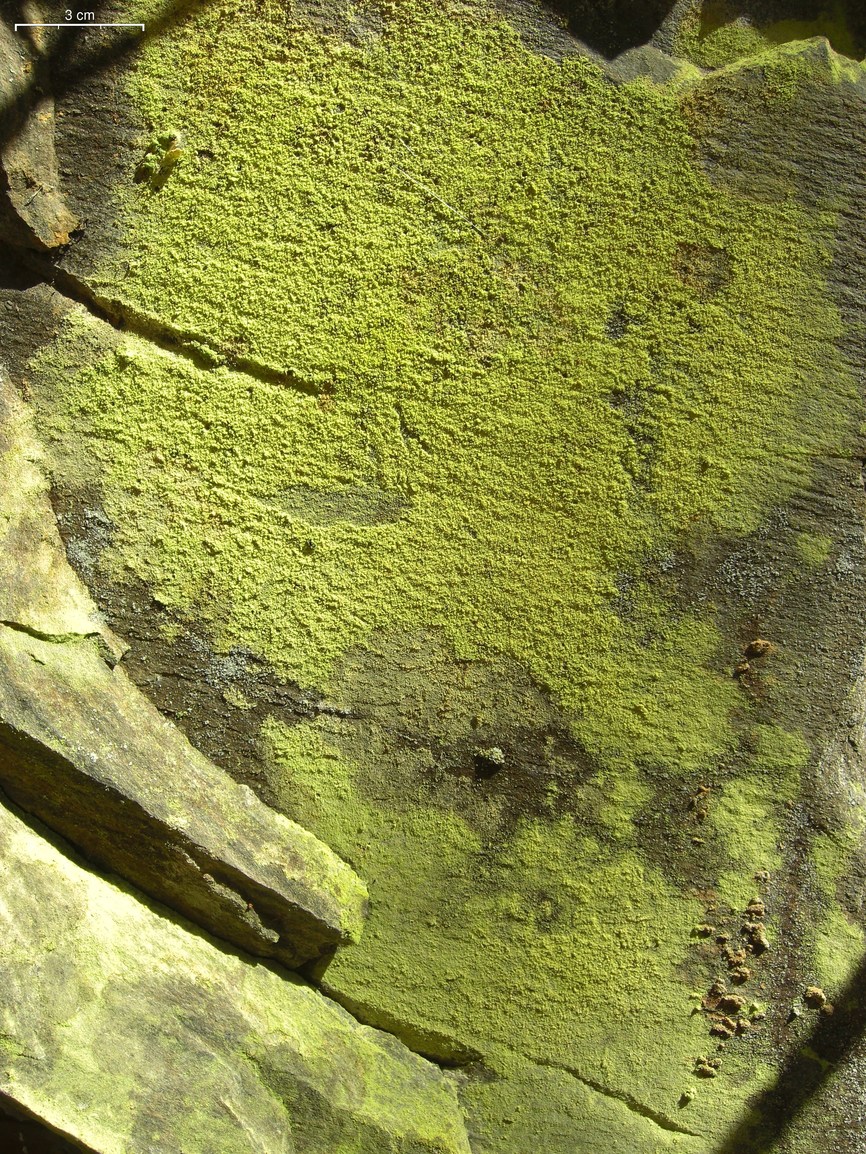
Chrysothrix chlorina
A yellow to yellow-green powdery lichen used as a dye in India and SwedenColour named from nature · 🇸🇪 Sweden +5

Red
Sappanwood
A tropical Asian tree whose heartwood yields a red dye called brazilinColour named from nature · 🇳🇵 Nepal +4

Blue
Pala indigo
A tree from India whose leaves yield a blue dye like indigoColour named from nature · 🇮🇳 India +4