Pala indigo
A tree from India whose leaves yield a blue dye like indigo
No single value: Pala indigo is a material, and its colour varies. The background shows its family, blue.

Pala indigo is a tree native to India and parts of Southeast Asia and Australia. Its leaves produce a blue dye similar to indigo, used in textiles and traditional crafts, while its pale wood is valued for carving and toy making.
- Leaves yield a blue dye similar to indigo
- Wood is prized for toy making in Channapatna, India
- Flowers are white, turning cream as they age
- Tree is found across India and Southeast Asia
- High demand has made it scarce in some areas
What colour is Pala indigo?
Pala indigo is a small to medium tree with smooth yellow-brown bark and white flowers that turn cream as they age. It grows in dry and moist areas across India, Southeast Asia, and Australia. The tree is known for its pale, ivory-like wood and for leaves that can be processed to make a blue dye similar to indigo.
Where does Pala indigo come from?
The name 'Pala indigo' comes from its use as a source of blue dye, much like the better-known indigo plant. Wrightia tinctoria has been described in botanical records since the early 1800s, with British botanists noting its presence in southern India. Its wood has been compared to ivory for its whiteness.
How is Pala indigo made?
The blue dye is obtained from the leaves of the tree. To produce a single kilogram of dye, a large quantity of leaves is required. The leaves, flowers, fruits, and roots all contain a compound that yields the blue colour. The process involves extracting and processing the plant material to release the dye.


Where Pala indigo is used
The dye from Pala indigo is used in textiles and sometimes in body art. Its pale wood is highly valued for carving, especially in the making of toys and small boxes in places like Channapatna, India. The plant is also grown for fodder, green manure, and as an ornamental tree in tropical gardens.
Blue around the world
What the blue family means from country to country.
To be true blue is to be honestly and loyally Australian. The phrase is older than the country, but Australians have made it their own.
Politics and protestTrustSource: True Blue (John Williamson song)The Torres Strait Islander flag has a blue band for the sea between green bands for the land. A white dhari, a dancer's headdress, sits at the centre.
Politics and protestNature and renewalSource: Torres Strait Islander flagKrishna, Rama and Vishnu are painted with blue skin, the colour of the sky and the deep sea. The wheel at the centre of the national flag, the Ashoka Chakra, is navy blue.
Sacred and holyAweSource: KrishnaBlue is the colour of Dalit politics. Followers of B. R. Ambedkar carry blue flags, and the Bahujan Samaj Party campaigns under a blue flag with an elephant.
Politics and protestPrideSource: Bahujan Samaj PartyThe blue border of the flag stands for peace. The crimson inside it is read as the bravery of the Nepali people.
Politics and protestCalmSource: Flag of NepalLapis lazuli has been mined in the mountains of Badakhshan for more than six thousand years. Ground to powder it gave ultramarine, the costliest blue in European painting.
Royalty and powerSacred and holyAweSource: Lapis lazuliShades and relatives of Pala indigo
Pala indigo produces a blue dye similar to that from the true indigo plant. It may be confused with other indigo-yielding plants, but its wood and flowers set it apart. The tree is also called ivory-wood due to the pale colour of its timber.
Questions people ask about Pala indigo
What colour does Pala indigo produce?
It produces a blue dye, similar in appearance to indigo, from its leaves and other parts.
Where does the name Pala indigo come from?
The name refers to the blue dye obtained from the plant, which is used much like indigo.
Where is Pala indigo found?
It grows in India, Southeast Asia, and Australia, especially in dry and moist forested regions.
What else is Pala indigo used for?
Besides dye, its pale wood is carved into toys and boxes, and the plant is used for fodder and green manure.
Is the dye from Pala indigo widely used?
It is used in traditional crafts and textiles, but high extraction has made the plant less common in some places.
Good reading and sources
- Wrightia tinctoria on WikipediaEncyclopedia
- More pictures on Wikimedia CommonsPictures
- Wikidata recordOpen data
The facts on this page come from the Wikipedia article "Wrightia tinctoria", written by its contributors and used under the CC BY-SA 4.0 licence, and from its Wikidata record (CC0). Rang rewrote the text in its own words, with AI assistance, and compares every page with the article to make sure no passage is copied. It may be reused under the same CC BY-SA 4.0 licence with a link back.
It may contain mistakes. The swatch is an approximation: named colours are not fixed standards, and every screen shows them a little differently. If something is wrong, tell us. Last refreshed 2026-10-03.
More of the blue family
All of blue
Blue
Lapis lazuli
A deep blue stone prized for jewellery and the source of ultramarine pigmentColour named from nature · 🇦🇫 Afghanistan +5
#6A5DFF
Indigo
A deep blue named for the dye once exported from IndiaNamed shade · 🇮🇳 India +5

Blue
Azurite
A deep blue copper mineral once prized as a pigment and gemstonePigment · 🇫🇷 France +5

Blue
Woad
A blue dye once vital to Europe's textile trade, made from the leaves of a flowering plantDye · 🇫🇷 France +3
Blue
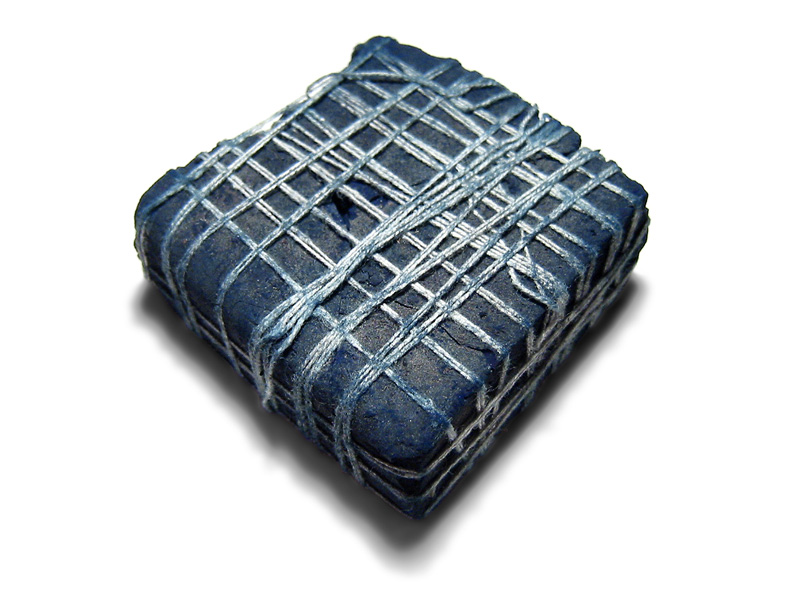
Indigo
A deep blue dye from plants, now mostly made synthetically and known for colouring denimDye · 🇮🇳 India +5
Blue
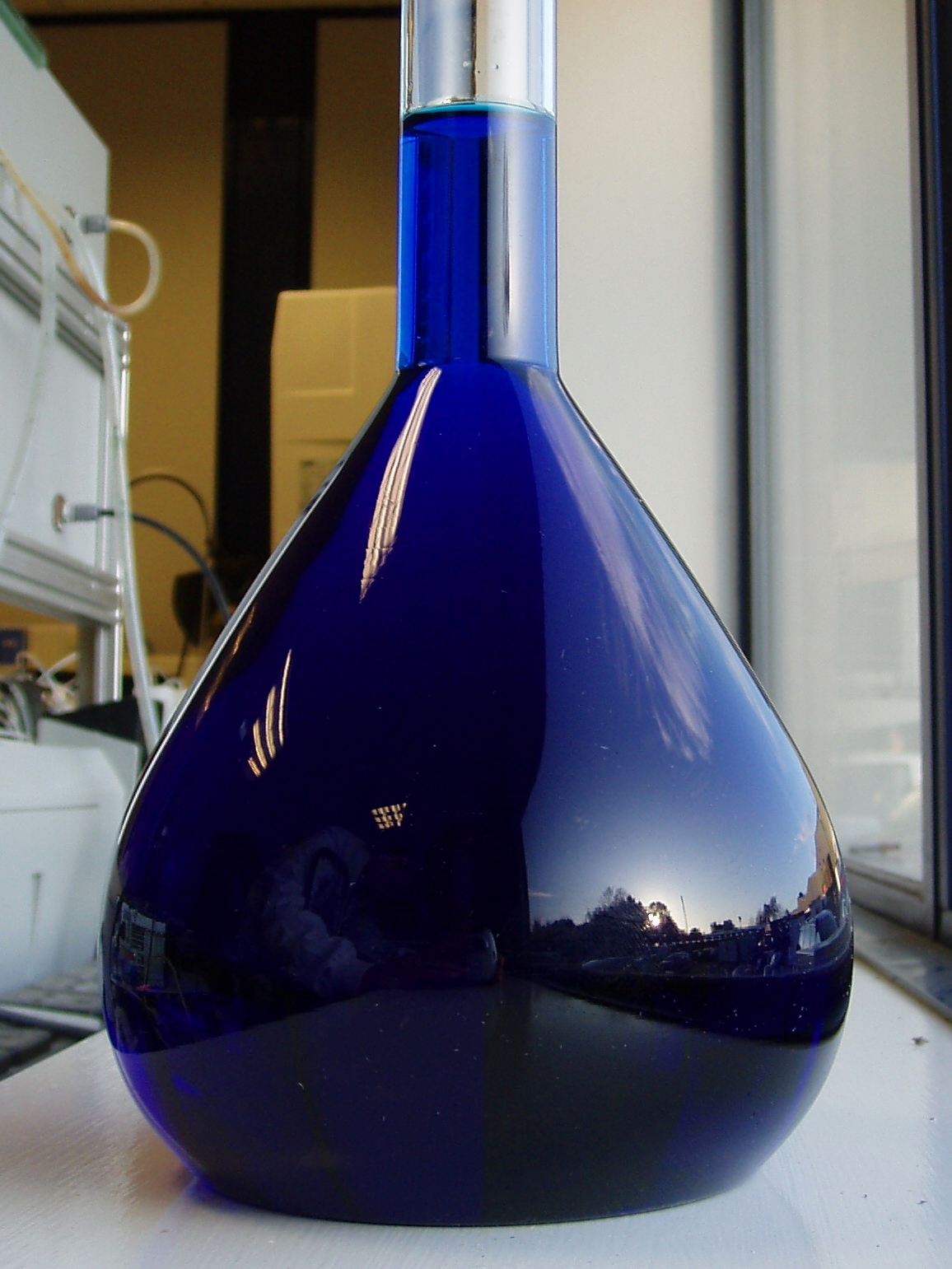
Methylene blue
A synthetic blue dye and medicine first made in 1876Dye
#120A8F
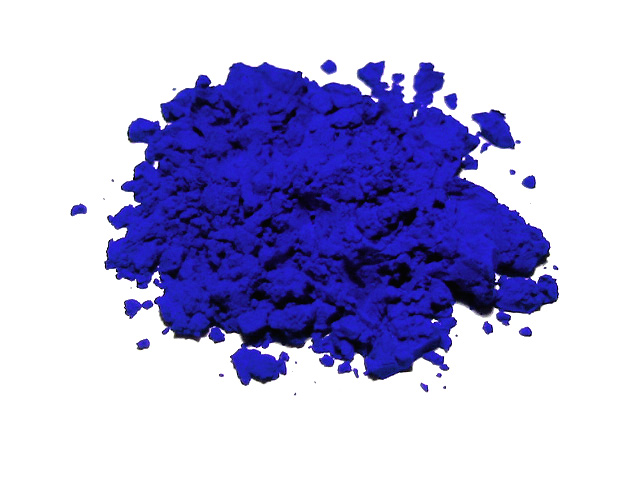
Ultramarine
A deep blue pigment once made from lapis lazuli, prized for centuries in artPigment · 🇦🇫 Afghanistan +2

#003153
Prussian blue
A deep blue pigment first made in Berlin in the early 1700sPigment · 🇯🇵 Japan
More colours tied to India
The colours of India
Yellow
Turmeric
A golden yellow dye and spice from the rhizome of a tropical plantColour named from nature · 🇮🇳 India +5

Red
Cinnabar
A scarlet to brick-red mineral and the main source of mercury and vermilion pigmentColour named from nature · 🇪🇸 Spain +5

Brown
Terracotta
A clay-based material and colour, known for its reddish-brown toneColour named from nature · 🇮🇳 India +4
White
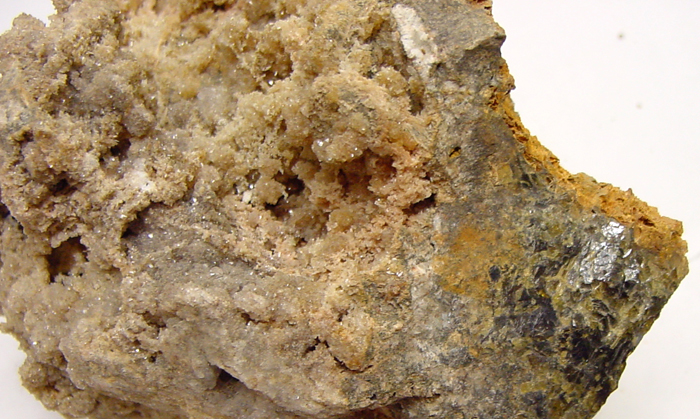
Zinc oxide
A white inorganic powder used in pigments, ointments, ceramics and electronicsPigment · 🇮🇳 India +2