Sappanwood
A tropical Asian tree whose heartwood yields a red dye called brazilin
No single value: Sappanwood is a material, and its colour varies. The background shows its family, red.

Sappanwood is a tree native to tropical Asia, known for its heartwood that produces a reddish dye called brazilin. The wood is lighter in colour than brazilwood and has been used for dyeing fabric, making red paints and inks, and as a trade good in Asia.
- Sappanwood heartwood yields a red dye called brazilin
- The dye is used for fabrics, paints, and inks
- Sappanwood was a major trade good in 17th-century Asia
- The wood is lighter than brazilwood
- It is native to Nepal, India, and Southeast Asia
What colour is Sappanwood?
Sappanwood is a tree from tropical Asia whose heartwood gives a reddish dye. The dye, called brazilin, is used for colouring fabrics, paints, and inks. The wood is somewhat lighter in colour than the closely related brazilwood. Sappanwood stands out for its use in both craft and trade, especially in Asian regions.
Where does Sappanwood come from?
The name 'sappan' comes from the Malay word 'sepang'. The tree was once known as Caesalpinia sappan and is now classified as Biancaea sappan. In the Middle Ages, its wood was called brasilwood. Sappanwood is native to Nepal, the eastern Himalayas, northeastern India, Bangladesh, and Indochina, and has been spread to other tropical areas.
How is Sappanwood made?
The dye is obtained from slivers of the heartwood of the sappanwood tree. The main colouring compound is brazilin. The heartwood also contains other natural chemicals, such as juglone and homoisoflavonoids. The wood is harvested and processed for dyeing and for making herbal drinks in some regions.

Where Sappanwood is used
Sappanwood dye is used to colour fabrics, make red paints and inks, and in herbal drinks. In the 17th century, the wood was exported as a trade good, especially from Southeast Asia to Japan. It was also used as fencing material due to its thorny nature.
Red around the world
What the red family means from country to country.
The flag is a red disc on a green field. The red is read both as the sun rising over Bengal and as the blood of those who died in the 1971 Liberation War.
Politics and protestPrideSource: Flag of BangladeshOn Pohela Boishakh, the Bengali New Year in April, women wear white saris with red borders and men wear red and white panjabis for the morning processions.
Festival and celebrationJoySource: Pohela BoishakhA Bengali Muslim bride usually marries in a red sari, often a Benarasi or a Jamdani, with gold jewellery.
Weddings and marriageLoveSource: Bengali Muslim weddingRed stands for good fortune and happiness. Brides traditionally wear it, doors are hung with red couplets at New Year, and gifts of money come in red envelopes.
Luck and prosperityFestival and celebrationWeddings and marriageJoySource: Color in Chinese cultureThe national flag is red with five yellow stars. The red stands for the Communist revolution, and the same red runs through party banners and slogans.
Politics and protestPrideSource: Flag of ChinaMany Hindu brides marry in a red sari or lehenga. In much of north India a married woman wears sindoor, a red powder, along the parting of her hair.
Weddings and marriageLuck and prosperityJoyLoveSource: SindoorShades and relatives of Sappanwood
Sappanwood is closely related to brazilwood, but its wood is lighter in colour. The dye from sappanwood is sometimes confused with that from brazilwood, as both produce reddish hues. The quality and thickness of the wood can vary depending on where it is grown.
Questions people ask about Sappanwood
What colour does sappanwood produce?
Sappanwood produces a reddish dye, known as brazilin, used for colouring fabrics, paints, and inks.
Where does the name sappanwood come from?
The name 'sappan' comes from the Malay word 'sepang'. The tree has also been called Indian redwood and, historically, brazilwood.
What is sappanwood used for?
Its heartwood is used to make a red dye for textiles, paints, and inks, and the wood has been a trade good and fencing material.
Where is sappanwood native to?
It is native to Nepal, the eastern Himalayas, northeastern India, Bangladesh, and Indochina.
Is sappanwood related to brazilwood?
Yes, sappanwood is closely related to brazilwood, but its wood is somewhat lighter in colour.
Good reading and sources
- Biancaea sappan on WikipediaEncyclopedia
- More pictures on Wikimedia CommonsPictures
- Wikidata recordOpen data
The facts on this page come from the Wikipedia article "Biancaea sappan", written by its contributors and used under the CC BY-SA 4.0 licence, and from its Wikidata record (CC0). Rang rewrote the text in its own words, with AI assistance, and compares every page with the article to make sure no passage is copied. It may be reused under the same CC BY-SA 4.0 licence with a link back.
It may contain mistakes. The swatch is an approximation: named colours are not fixed standards, and every screen shows them a little differently. If something is wrong, tell us. Last refreshed 2026-10-03.
More of the red family
All of red
Red
Cinnabar
A scarlet to brick-red mineral and the main source of mercury and vermilion pigmentColour named from nature · 🇪🇸 Spain +5

Red
Realgar
An orange-red arsenic sulfide mineral once used as a pigment and poisonPigment · 🇨🇳 China +5
Red
Carmine
A deep red pigment made from cochineal insects, once prized across continentsPigment · 🇫🇷 France +2

#E25822
Scarlet
A bright red with a touch of orange, long tied to power, sacrifice and sinNamed shade · 🇹🇷 Turkey +4

#E34234
Vermilion
A brilliant orange-red pigment, once made from toxic mercury orePigment · 🇹🇷 Turkey +5

Red
Rubia
A group of plants whose roots once dyed cloth and paint a lasting redColour named from nature · 🇪🇬 Egypt +5

#DC143C
Crimson
A deep red with a hint of purple, once made from insectsNamed shade · 🇳🇵 Nepal

#E32636
Alizarin
A deep red dye first made from madder roots, later produced from coal tarDye · 🇹🇷 Turkey +1
More colours tied to Nepal
The colours of Nepal
Yellow
Orpiment
A golden-yellow mineral pigment once prized for its brilliant colour and rarityPigment · 🇪🇬 Egypt +5
Yellow
Chrysothrix chlorina
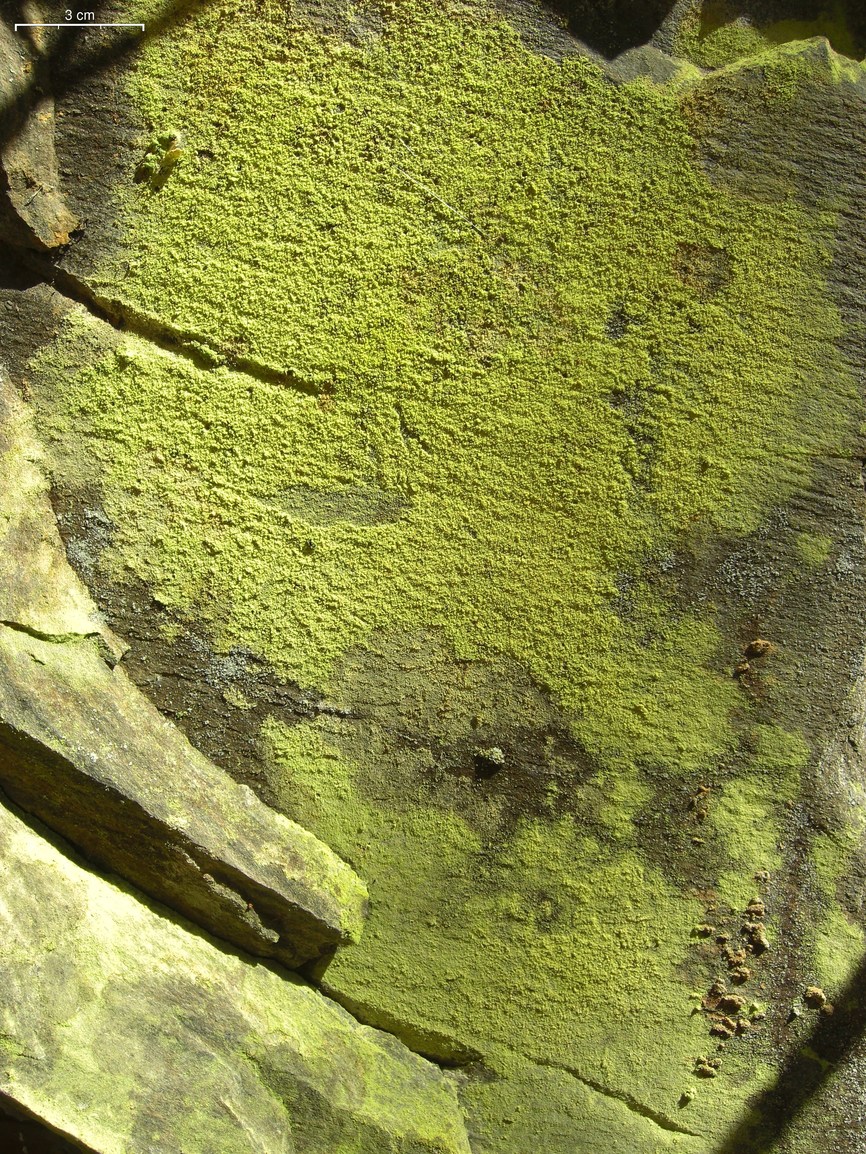
A yellow to yellow-green powdery lichen used as a dye in India and SwedenColour named from nature · 🇸🇪 Sweden +5

Blue
Pala indigo
A tree from India whose leaves yield a blue dye like indigoColour named from nature · 🇮🇳 India +4
Yellow
Garcinia cowa yellow
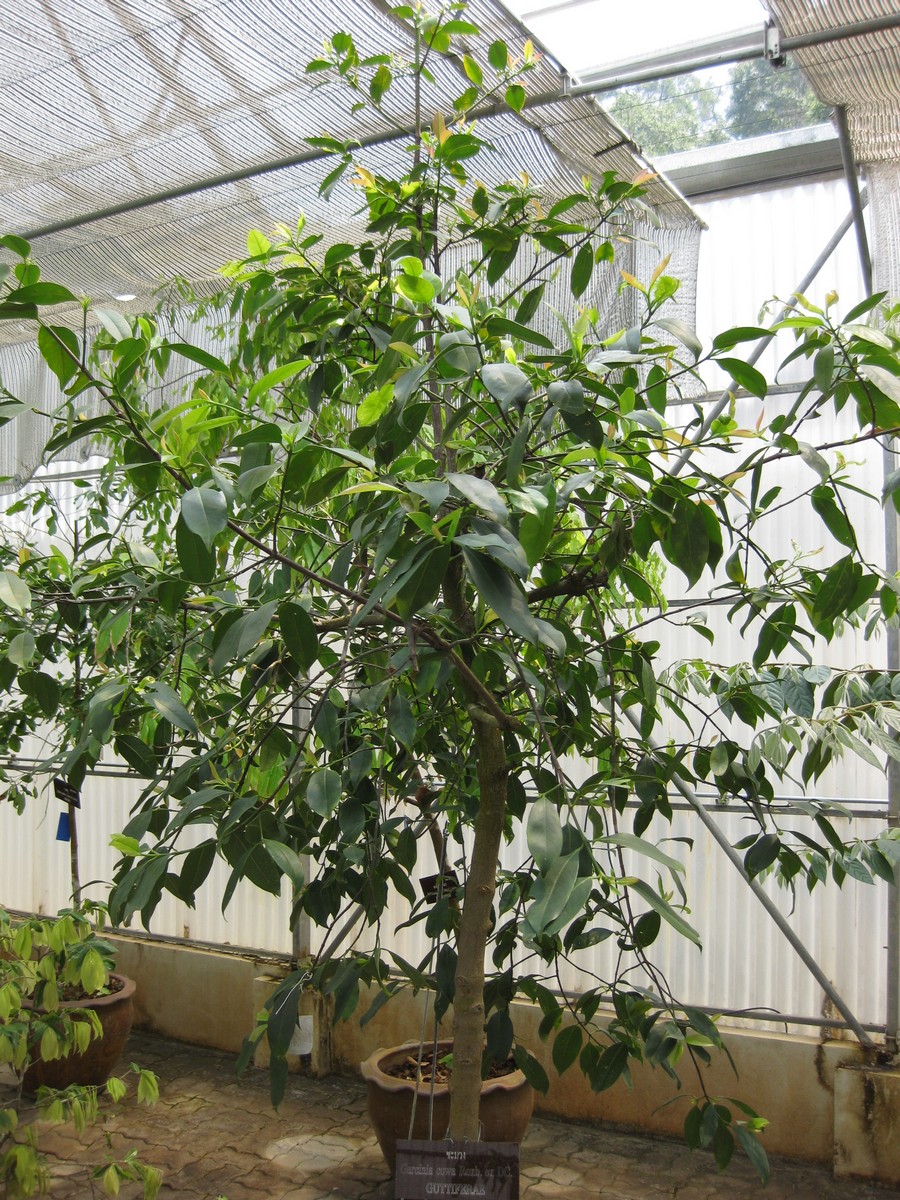
A yellow dye from the bark of the Garcinia cowa tree in tropical AsiaColour named from nature · 🇮🇳 India +5