Azurite
A blue pigment ground from copper-rich mineral, common in medieval and Renaissance art
No single value: Azurite is a material, and its colour varies. The background shows its family, blue.

Azurite is a blue pigment made by grinding the mineral azurite, found in copper-mining areas. It was widely used in European painting from ancient Egypt through the Renaissance, often chosen for its strong colour and lower cost compared to ultramarine. Over time, its blue can shift to green as it degrades.
- Main blue pigment in European art before Prussian blue
- Turns green as it degrades, often forming malachite
- Hungary was a key source for artists
- Colour depends on grinding: coarse is deeper blue
- Often mixed with lead white for lighter shades
What colour is Azurite?
Azurite is a blue pigment made by grinding the mineral azurite, which is found in copper-rich areas. Its colour ranges from deep blue to blue-green, depending on how finely it is ground and the presence of impurities like malachite and cuprite. Unlike ultramarine, azurite often has a greenish cast and can shift further towards green as it ages, setting it apart from other blue pigments.
Where does Azurite come from?
The name and pigment come from the mineral azurite, which has been used since ancient Egypt, particularly from the Fourth Dynasty. In Europe, it was the main blue pigment in paintings during the Middle Ages and Renaissance, especially before Prussian blue was invented. Hungary was a major source for European artists, and the pigment was also used in East Asia.
How is Azurite made?
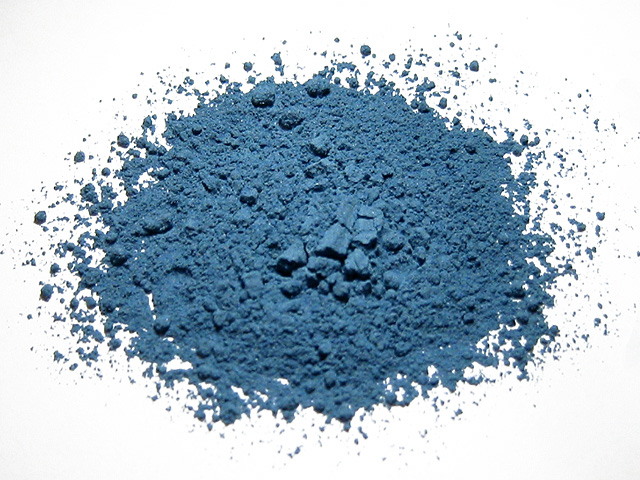
To make azurite pigment, the mineral is ground by hand. The size of the particles affects the colour: coarser grains give a deeper blue, while finer ones look paler. Azurite from nature often contains malachite and cuprite, which can change the colour. Artists adjusted their grinding methods to suit their needs and the desired intensity.


Where Azurite is used
Azurite was a staple in European painting, especially for skies and garments. It was often mixed with lead white for lighter blues or greens, and sometimes combined with red pigments for violets. In the Renaissance, it was more common than ultramarine due to its lower cost. Famous works, like Michelangelo's The Entombment, used azurite for blue areas.
Blue around the world
What the blue family means from country to country.
Ancient craftsmen made Egyptian blue, one of the first synthetic pigments, and blue-glazed faience for amulets. Blue stood for the sky and the Nile.
Sacred and holyProtection and healingAweSource: Egyptian blueMany households hang a blue glass bead with an eye on it by the door or in the car to keep off the evil eye, known as hasad. Blue eye beads were already made in ancient Egypt.
Protection and healingSource: Nazar (amulet)National sports teams play in blue and are called the Azzurri. Blue was the colour of the House of Savoy, which ruled Italy until 1946, and does not appear on the flag.
Royalty and powerFestival and celebrationPrideSource: National colours of ItalyLapis lazuli has been mined in the mountains of Badakhshan for more than six thousand years. Ground to powder it gave ultramarine, the costliest blue in European painting.
Royalty and powerSacred and holyAweSource: Lapis lazuliThe chadari is a full-length covering for women with a mesh panel over the eyes. In Kabul and the north it is most often a light blue.
Protection and healingSource: BurqaThe blue band of the flag stands for the wish of the Armenian people to live under peaceful skies. The red above it is for the highlands and the struggle to survive.
Politics and protestHopeSource: Flag of ArmeniaShades and relatives of Azurite
Azurite is sometimes confused with ultramarine, but ultramarine has a more violet tone and is more stable. Azurite degrades to green over time, often due to the formation of minerals like malachite or paratacamite. Blue verditer is a synthetic pigment similar to azurite, used especially in house painting in the 17th century.
Questions people ask about Azurite
What colour is azurite pigment?
Azurite pigment is a blue that can range from deep blue to blue-green, depending on how it is ground and the presence of minerals like malachite.
Where does the name azurite come from?
The name comes from the mineral azurite, which is the source of the pigment. The mineral is found in copper-mining areas.
Why does azurite sometimes look green?
Azurite can turn green as it ages, because it degrades into other copper minerals such as malachite or paratacamite.
How was azurite used in art?
It was widely used in European paintings, especially for skies and blue garments, and often mixed with lead white or other pigments.
What replaced azurite as a blue pigment?
Prussian blue, invented in 1704, gradually replaced azurite as the most common blue pigment in European painting.
Good reading and sources
The facts on this page come from the Wikipedia article "Azurite (pigment)", written by its contributors and used under the CC BY-SA 4.0 licence, and from its Wikidata record (CC0). Rang rewrote the text in its own words, with AI assistance, and compares every page with the article to make sure no passage is copied. It may be reused under the same CC BY-SA 4.0 licence with a link back.
It may contain mistakes. The swatch is an approximation: named colours are not fixed standards, and every screen shows them a little differently. If something is wrong, tell us. Last refreshed 2026-10-03.
More of the blue family
All of blue
Blue
Lapis lazuli
A deep blue stone prized for jewellery and the source of ultramarine pigmentColour named from nature · 🇦🇫 Afghanistan +5
#6A5DFF
Indigo
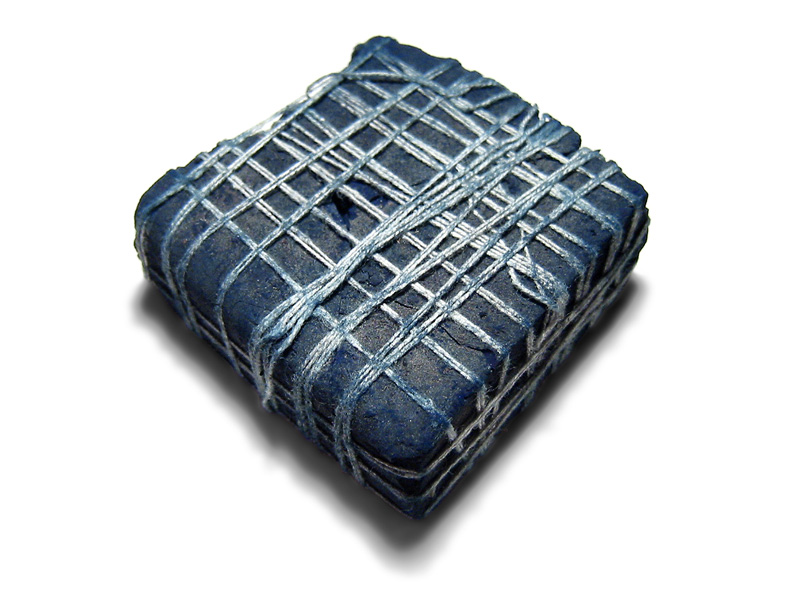
A deep blue named for the dye once exported from IndiaNamed shade · 🇮🇳 India +5

Blue
Azurite
A deep blue copper mineral once prized as a pigment and gemstonePigment · 🇫🇷 France +5

Blue
Woad
A blue dye once vital to Europe's textile trade, made from the leaves of a flowering plantDye · 🇫🇷 France +3
Blue
Indigo
A deep blue dye from plants, now mostly made synthetically and known for colouring denimDye · 🇮🇳 India +5
Blue
Methylene blue
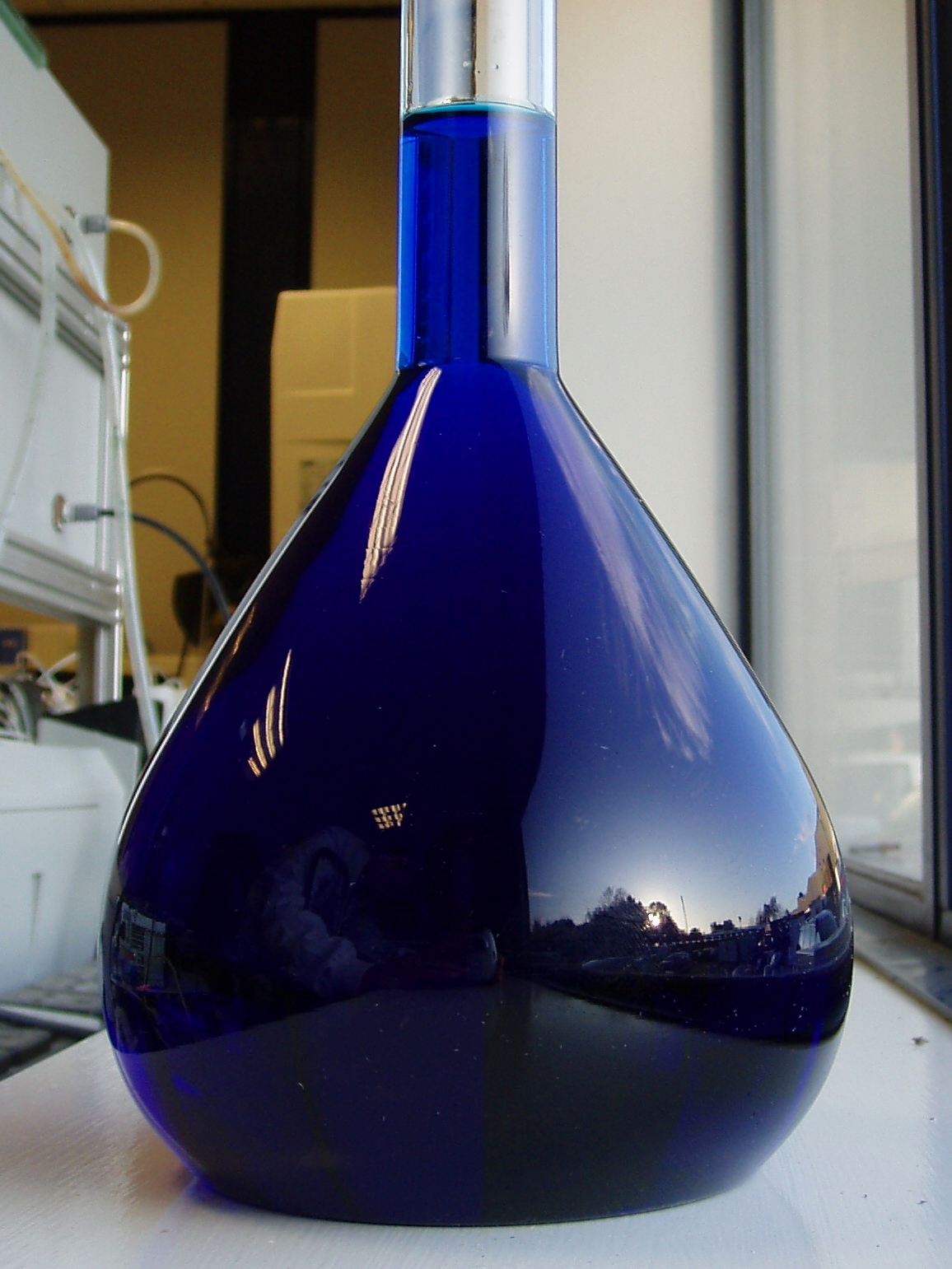
A synthetic blue dye and medicine first made in 1876Dye
#120A8F
Ultramarine
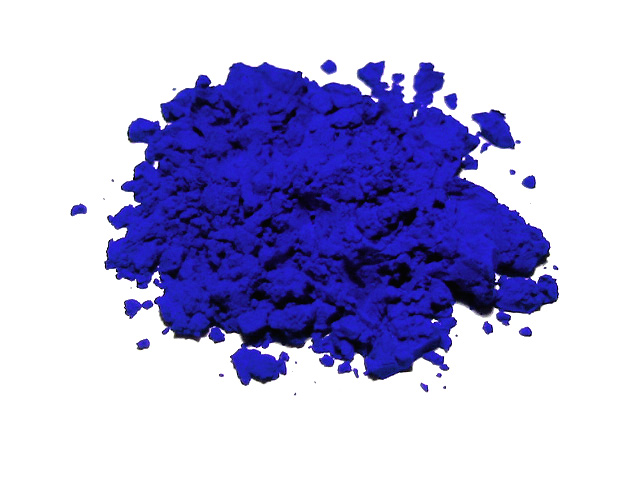
A deep blue pigment once made from lapis lazuli, prized for centuries in artPigment · 🇦🇫 Afghanistan +2

#003153
Prussian blue
A deep blue pigment first made in Berlin in the early 1700sPigment · 🇯🇵 Japan
More colours tied to Egypt
The colours of Egypt
#FFFF00
Yellow
A primary colour between green and orange, seen in sunlight, leaves, and pigmentsBasic colour · 🇫🇷 France +5

Green
Malachite
A banded green mineral and pigment once prized for art and decorationColour named from nature · 🇪🇬 Egypt +4

#CC7722
Ochre
A natural earth pigment ranging from yellow to deep orange or brownPigment · 🇦🇺 Australia +5

#40E0D0
Turquoise
A blue-green colour named after a prized mineral long used for gems and decorationNamed shade · 🇮🇷 Iran +5