Ebony
A jet-black hardwood valued for its smooth finish and rarity
No single value: Ebony is a material, and its colour varies. The background shows its family, black.

Ebony is a very dense, black to dark brown wood from several Diospyros tree species. Known for its fine texture and ability to take a high polish, it has been prized for centuries in decorative objects and musical instruments. Overharvesting has made it rare and expensive, with strict trade controls in place.
- Ebony is dense enough to sink in water.
- Some species are protected by international trade laws.
- It is used for musical instrument parts and fine inlay work.
- Ebony trees grow slowly and are often overharvested.
- Alternatives include dyed wood and black plastic.
What colour is Ebony?
Ebony is a hardwood that appears deep black or sometimes dark brown, with a weight so great that some types will sink in water. Its surface is smooth and can be polished to a mirror-like shine, which sets it apart from most other woods. The wood is dense and fine-grained, making it suitable for detailed carving and luxury items.
Where does Ebony come from?
The name 'ebony' entered English through several languages, with its earliest roots in Ancient Egypt. Ebony wood has been found in Egyptian tombs, showing its long history as a prized material. Over time, different species of ebony trees have been harvested in regions such as India, Sri Lanka, Africa, and Southeast Asia.
How is Ebony made?
Ebony is cut from several Diospyros tree species, each native to different parts of the world. The heartwood is selected for its dark colour and density. Due to slow growth and small tree size, only limited amounts can be harvested. Because of its scarcity, some alternatives use other dark woods, black dyes, or even black plastic to mimic ebony's appearance.


Where Ebony is used
Historically, ebony was carved for tomb goods in Egypt and later became popular in European luxury furniture, especially cabinets in Antwerp and Paris. Today, its use is mostly limited to small objects like musical instrument parts, chess pieces, lace-making tools, and decorative inlays. Its hardness and smoothness make it ideal for items that need to be both durable and attractive.
Black around the world
What the black family means from country to country.
The old name of the country, Kemet, means the black land, after the dark silt left by the Nile flood. To the ancient Egyptians black was the colour of fertile soil and new life.
Nature and renewalHopeSource: BlackIn Bali, a black and white chequered cloth called poleng is wrapped around statues, shrines and large trees. It shows the balance of opposites and marks a place as guarded.
Sacred and holyProtection and healingAweSource: Balinese textilesA dot of black kajal is often put on a baby's cheek or forehead to turn away the evil eye, called nazar. Many people avoid black clothes at weddings and festivals.
Protection and healingFearSource: Evil eyeThe black eagle gives the country its own name for itself: Shqiperia is commonly read as the land of the eagles.
Politics and protestPrideSource: AlbaniaBlack and yellow were the colours of the Habsburg monarchy. They come from the black double-headed eagle on a gold ground used by the Holy Roman Emperors.
Royalty and powerSource: Flag of the Habsburg monarchyThe black upper half of the Aboriginal flag stands for the Aboriginal people of Australia.
Politics and protestPrideSource: Australian Aboriginal flagShades and relatives of Ebony
Different species of ebony produce wood with slightly different appearances. Some, like Sulawesi ebony, have streaked or multi-coloured grain, while others are almost entirely black. Ebony is sometimes confused with other very dark woods or with ebonised wood, which is ordinary wood treated to look black.
Questions people ask about Ebony
What colour is ebony?
Ebony is a deep black or very dark brown wood, often with a smooth, polished surface.
Where does the name 'ebony' come from?
The word 'ebony' has roots in Ancient Egyptian, and entered English through Greek and Latin.
What is ebony used for?
Ebony is used in small luxury items, especially musical instrument parts, chess pieces, and decorative inlays.
Why is ebony so expensive?
Ebony trees grow slowly and are often overharvested, making the wood rare and costly.
Are there alternatives to real ebony?
Yes, other dark woods, dyed wood, and black plastic are sometimes used as substitutes.
Good reading and sources
The facts on this page come from the Wikipedia article "Ebony", written by its contributors and used under the CC BY-SA 4.0 licence, and from its Wikidata record (CC0). Rang rewrote the text in its own words, with AI assistance, and compares every page with the article to make sure no passage is copied. It may be reused under the same CC BY-SA 4.0 licence with a link back.
It may contain mistakes. The swatch is an approximation: named colours are not fixed standards, and every screen shows them a little differently. If something is wrong, tell us. Last refreshed 2026-10-03.
More of the black family
All of black
Black
India ink
A deep black ink made from carbon soot, used for writing, drawing and calligraphyPigment · 🇨🇳 China +1

Black
Kohlكُحْل
A dark eye cosmetic made from minerals like galena and stibniteTraditional colour · 🇪🇬 Egypt +5
Black
Carbon black
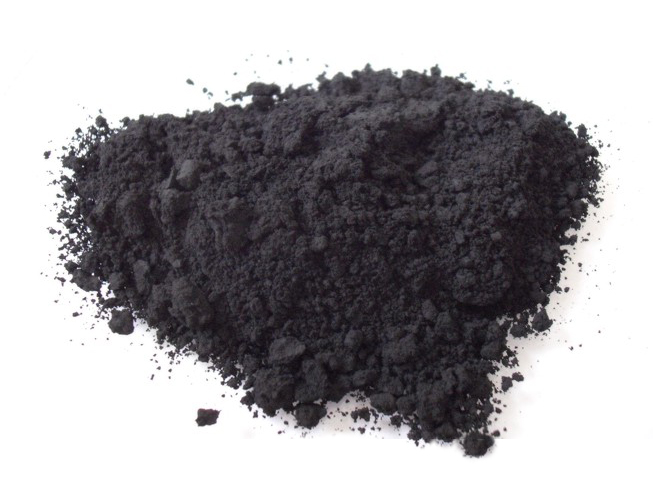
A deep black pigment and filler made by burning carbon-rich materials with little airPigment

Black
Bone char
A deep black pigment and filter made by charring animal bonesPigment

Black
Magnetite
A naturally magnetic black mineral and a major source of ironColour named from nature
Black
Onyx
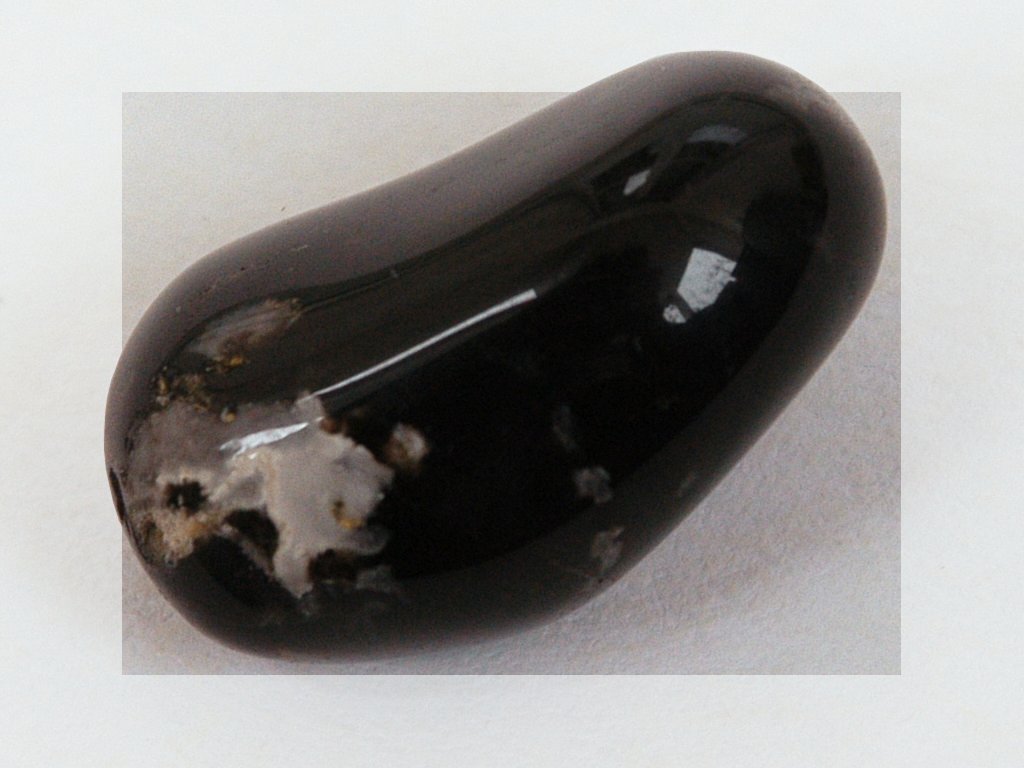
A banded stone, usually black and white, prized for carving and jewelleryColour named from nature · 🇲🇽 Mexico +5

Black
Manganese dioxide
A black-brown mineral oxide used in batteries, pigments, and chemical reactionsPigment

Black
Iron(II) oxide
A black iron compound used as a pigment and found deep in the EarthPigment
More colours tied to Egypt
The colours of Egypt
#FFFF00
Yellow
A primary colour between green and orange, seen in sunlight, leaves, and pigmentsBasic colour · 🇫🇷 France +5

Blue
Lapis lazuli
A deep blue stone prized for jewellery and the source of ultramarine pigmentColour named from nature · 🇦🇫 Afghanistan +5

Green
Malachite
A banded green mineral and pigment once prized for art and decorationColour named from nature · 🇪🇬 Egypt +4

Blue
Azurite
A deep blue copper mineral once prized as a pigment and gemstonePigment · 🇫🇷 France +5