Magnetite
A naturally magnetic black mineral and a major source of iron
No single value: Magnetite is a material, and its colour varies. The background shows its family, black.

Magnetite is a black mineral that stands out for its strong attraction to magnets and its ability to become magnetized. Made of iron(II,III) oxide, it is a key iron ore and is found in many rocks and sands around the world. Its magnetic properties have made it important in science and navigation.
- Magnetite is one of the most magnetic minerals found in nature.
- Lodestone, a form of magnetite, was used in the earliest magnetic compasses.
- It is a key source of iron and is mined in many parts of the world.
- Magnetite can be found in black sands on beaches and in many types of rocks.
- Its chemical formula is Fe3O4, containing both ferrous and ferric iron.
What colour is Magnetite?
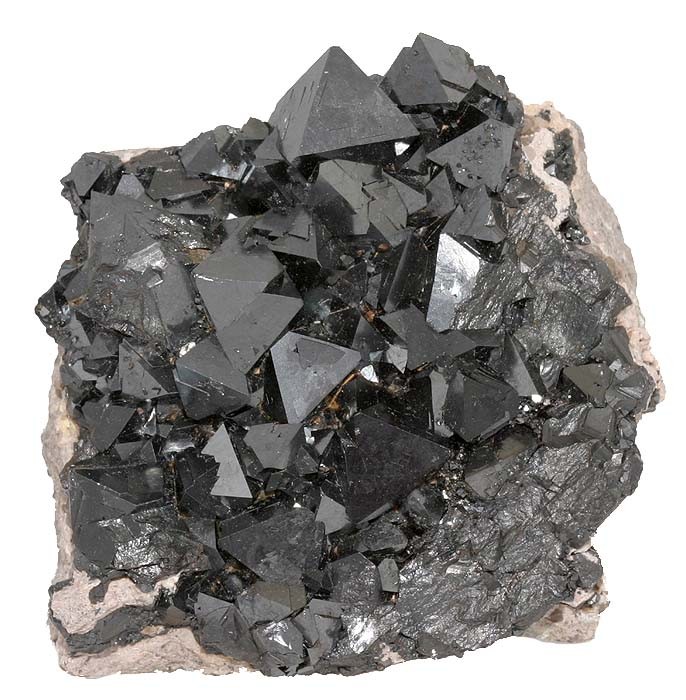
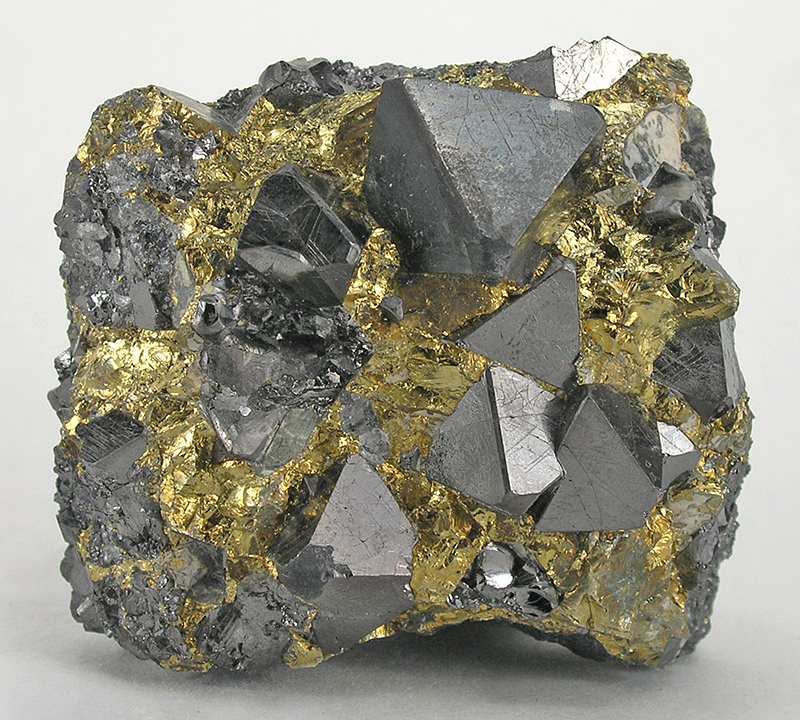
Magnetite is a mineral that appears deep black or sometimes dark grey, with a shiny, metallic surface. It is well known for being strongly attracted to magnets, and in some cases, it can itself act as a permanent magnet. This sets it apart from most other minerals, which do not respond so strongly to magnetic fields. Its streak, or the colour it leaves when rubbed on a surface, is also black. Magnetite is found in many types of rocks and is often present as small grains.
Where does Magnetite come from?
The name 'magnetite' comes from the region of Magnesia, an area in Greece known for its magnetic stones. People in ancient times noticed that certain stones could attract iron, and these stones were later identified as magnetite. The mineral has been used for centuries as a source of iron and for its magnetic properties, which led to the early development of compasses.
How is Magnetite made?
Magnetite forms naturally as iron(II,III) oxide, with the chemical formula Fe3O4. It contains both ferrous (divalent) and ferric (trivalent) iron. The mineral crystallizes in a cubic structure, and its crystals can appear as octahedra or dodecahedra. Magnetite is found in igneous, metamorphic, and sedimentary rocks, as well as in sands formed by the weathering of rocks. It can also be produced by certain bacteria and other living organisms.


Where Magnetite is used
Magnetite is a major source of iron for industry, mined from large deposits in regions such as Chile, Sweden, and the United States. Its strong magnetic properties have made it useful in navigation, especially in the form of lodestone, which was used in the earliest compasses. Magnetite is also important in scientific research, especially in the study of Earth's magnetic field and in paleomagnetism.
Black around the world
What the black family means from country to country.
The black eagle gives the country its own name for itself: Shqiperia is commonly read as the land of the eagles.
Politics and protestPrideSource: AlbaniaBlack and yellow were the colours of the Habsburg monarchy. They come from the black double-headed eagle on a gold ground used by the Holy Roman Emperors.
Royalty and powerSource: Flag of the Habsburg monarchyThe black upper half of the Aboriginal flag stands for the Aboriginal people of Australia.
Politics and protestPrideSource: Australian Aboriginal flagOn 21 February, Language Martyrs' Day, people wear black badges and black and white clothes and walk barefoot to the Shaheed Minar to honour those killed in 1952.
Mourning and deathPolitics and protestGriefSource: Bengali language movementThe black, yellow and red of the flag come from the arms of the Duchy of Brabant: a gold lion with red claws and tongue on black. They were raised in the 1830 revolution.
Politics and protestPrideSource: Flag of BelgiumTwo diagonal stripes cross the yellow of the flag, one white and one black. They stand for the Sultan's two chief ministers.
Politics and protestSource: Flag of BruneiShades and relatives of Magnetite
Lodestone is a naturally magnetized form of magnetite. Magnetite can form solid solutions with minerals like ulvospinel and magnesioferrite, leading to related minerals such as titanomagnetite. These variations may appear in different types of rocks and can have slightly different properties, but all share the basic magnetic nature of magnetite.
Questions people ask about Magnetite
What colour is magnetite?
Magnetite is usually deep black, sometimes appearing dark grey. When powdered or streaked, it leaves a black mark.
Why is magnetite called that?
The name comes from Magnesia, a region in Greece where magnetic stones were first noted in ancient times.
What is magnetite made of?
It is composed of iron(II,III) oxide, with the formula Fe3O4, containing both ferrous and ferric iron.
What makes magnetite special?
It is strongly magnetic and can itself become a permanent magnet, unlike most minerals.
Where is magnetite found?
It is found in many rocks, sands, and large deposits in places like Chile, Sweden, and the United States.
Good reading and sources
- Magnetite on WikipediaEncyclopedia
- More pictures on Wikimedia CommonsPictures
- Wikidata recordOpen data
The facts on this page come from the Wikipedia article "Magnetite", written by its contributors and used under the CC BY-SA 4.0 licence, and from its Wikidata record (CC0). Rang rewrote the text in its own words, with AI assistance, and compares every page with the article to make sure no passage is copied. It may be reused under the same CC BY-SA 4.0 licence with a link back.
It may contain mistakes. The swatch is an approximation: named colours are not fixed standards, and every screen shows them a little differently. If something is wrong, tell us. Last refreshed 2026-10-03.
More of the black family
All of black
Black
India ink
A deep black ink made from carbon soot, used for writing, drawing and calligraphyPigment · 🇨🇳 China +1

Black
Kohlكُحْل
A dark eye cosmetic made from minerals like galena and stibniteTraditional colour · 🇪🇬 Egypt +5
Black
Carbon black
A deep black pigment and filler made by burning carbon-rich materials with little airPigment

Black
Vantablack
A super-black coating made from carbon nanotubes that absorbs nearly all visible lightPigment

Black
Bone char
A deep black pigment and filter made by charring animal bonesPigment

Black
Ebony
A jet-black hardwood valued for its smooth finish and rarityColour named from nature · 🇪🇬 Egypt +5
Black
Onyx
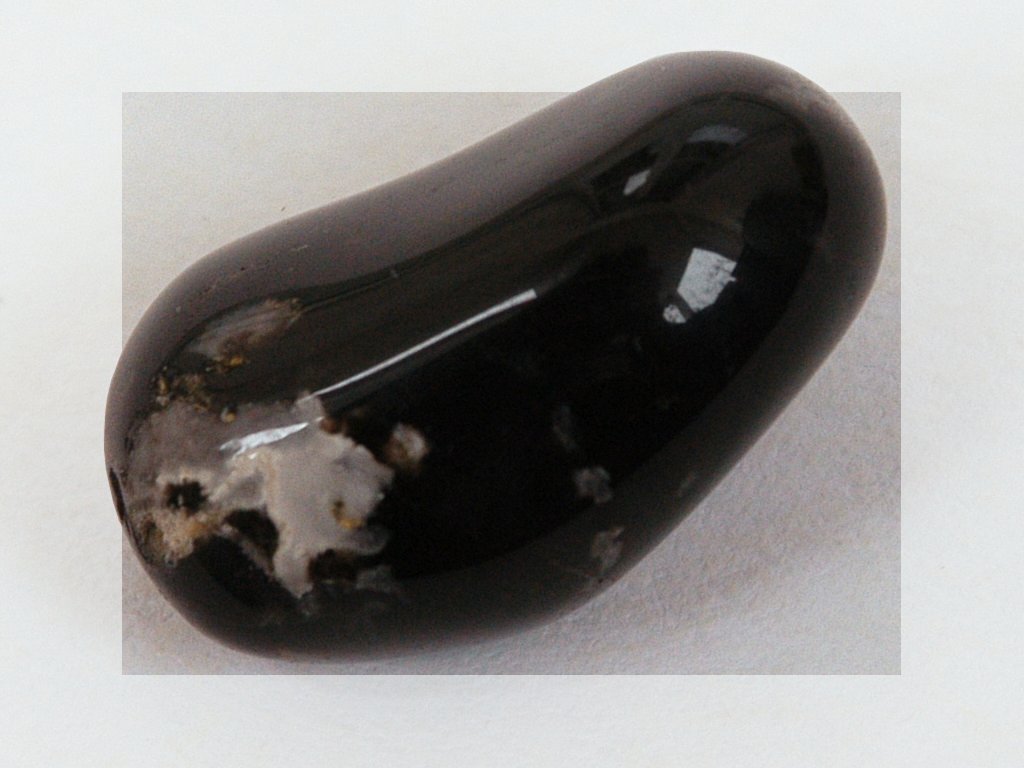
A banded stone, usually black and white, prized for carving and jewelleryColour named from nature · 🇲🇽 Mexico +5

Black
Manganese dioxide
A black-brown mineral oxide used in batteries, pigments, and chemical reactionsPigment