Onyx
A banded stone, usually black and white, prized for carving and jewellery
No single value: Onyx is a material, and its colour varies. The background shows its family, black.
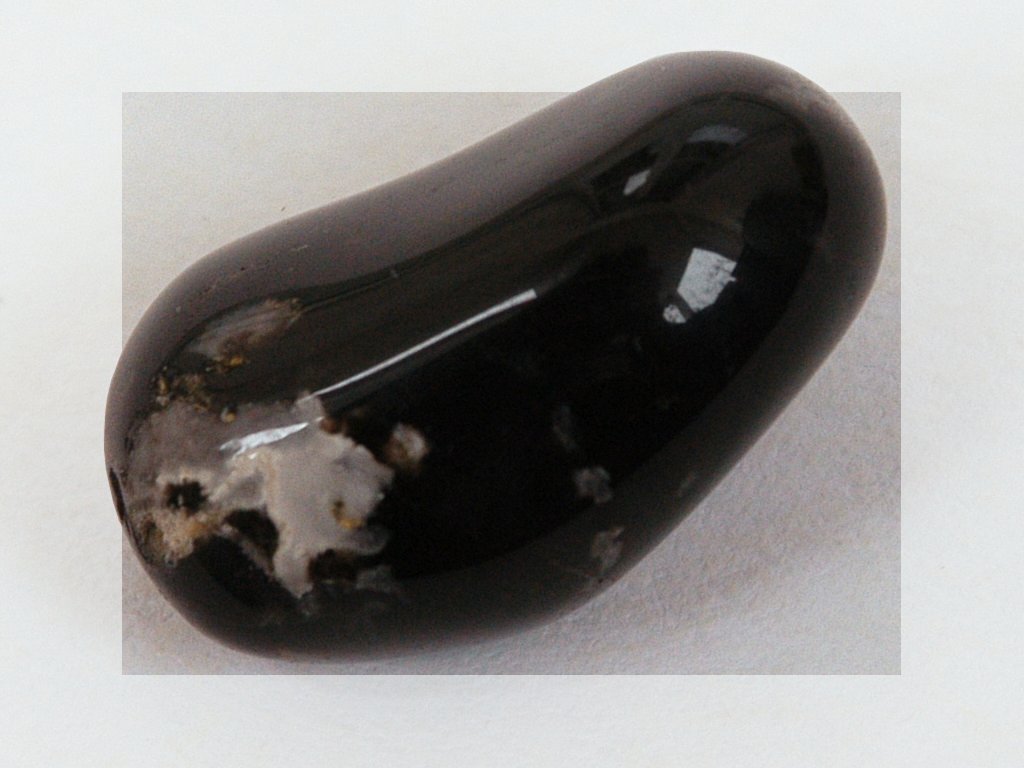
Onyx is a form of chalcedony, a mineral made of fine layers, most often showing black and white bands. Its name comes from the Greek word for fingernail, as some pieces resemble the look of a nail. People have carved onyx for thousands of years, using it for jewellery, bowls, and decorative objects.
- Onyx is made of parallel bands, usually black and white.
- Most black onyx sold is dyed or treated agate.
- Sardonyx is a red-banded variety of onyx.
- Ancient Romans used sardonyx amulets for courage.
- Green onyx was popular in art deco sculpture bases.
What colour is Onyx?
Onyx is a banded variety of chalcedony, a type of quartz, with layers that are usually black and white but can also include reds and browns in its sardonyx form. The bands are straight and parallel, which sets it apart from other agates that often have curved or chaotic patterns. This stone is translucent and has a smooth, glassy shine when polished.
Where does Onyx come from?
The word 'onyx' comes from Greek, meaning 'claw' or 'fingernail', because some stones with pink and white bands look like a human nail. Onyx has been known since ancient times, with its use recorded in Egypt and Greece. Sardonyx, a red-banded type, also appears in early art and jewellery. The stone's name has sometimes been wrongly used for other banded minerals.
How is Onyx made?
Onyx forms naturally as bands of chalcedony, which is a fine-grained mix of quartz and moganite. The most recognisable type has black and white layers, but other colours exist. Many black onyx stones in shops are actually agate that has been dyed or treated to deepen the colour. Treatments can involve soaking the stone in sugar solutions and then using acid to darken it.
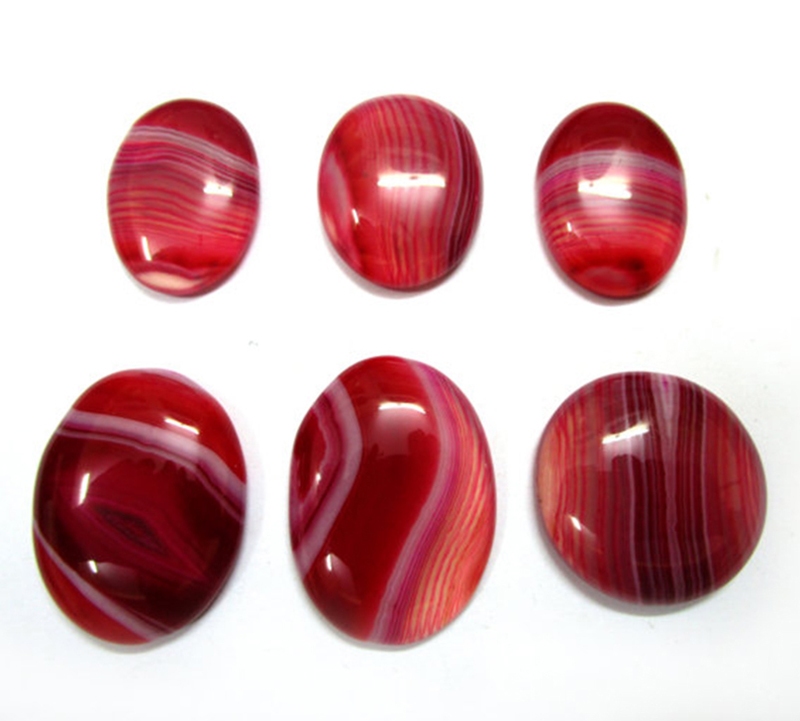

Where Onyx is used
Onyx has been carved into beads, bowls, and cameos for thousands of years. Its layered structure makes it ideal for engraving, as the bands create a clear contrast in carved images. Green onyx from Brazil was popular for art deco sculpture bases in the 1920s and 1930s. The stone has also been used for decorative walls and small objects like trays and dishes.
What Onyx means
In ancient Rome, soldiers carried sardonyx amulets engraved with Mars, believing it would give them bravery. During the Renaissance in Europe, people thought sardonyx could help with public speaking. In Persia, it was once believed to help with epilepsy, and English midwives used it in childbirth rituals.
How Onyx feels
Our sources tie Onyx to courage. Such links differ from one culture to the next.
Black around the world
What the black family means from country to country.
Black is the usual colour of mourning. Widows in older generations wore it for a year, and the custom is called luto.
Mourning and deathGriefSource: MourningClose family wear black for at least forty days after a death, and often for a year. In villages many widows keep to black for the rest of their lives.
Mourning and deathGriefSource: MourningA dot of black kajal is often put on a baby's cheek or forehead to turn away the evil eye, called nazar. Many people avoid black clothes at weddings and festivals.
Protection and healingFearSource: Evil eyeThe black eagle gives the country its own name for itself: Shqiperia is commonly read as the land of the eagles.
Politics and protestPrideSource: AlbaniaBlack and yellow were the colours of the Habsburg monarchy. They come from the black double-headed eagle on a gold ground used by the Holy Roman Emperors.
Royalty and powerSource: Flag of the Habsburg monarchyThe black upper half of the Aboriginal flag stands for the Aboriginal people of Australia.
Politics and protestPrideSource: Australian Aboriginal flagShades and relatives of Onyx
Sardonyx is a well-known variety with red or brown bands. Many items sold as 'onyx' are actually softer stones like banded calcite, especially from Mexico and India. Some onyx on the market is artificially coloured, and the name is sometimes wrongly used for other banded stones like marble or alabaster.
Questions people ask about Onyx
What colour is onyx?
Onyx most often shows black and white bands, but can also have red or brown layers in its sardonyx form.
Where does the name 'onyx' come from?
The name comes from the Greek word for 'claw' or 'fingernail', as some stones look like a nail.
Is all black onyx natural?
Much of the black onyx sold today is agate that has been dyed or treated to achieve a deep black colour.
How has onyx been used?
Onyx has been carved into jewellery, bowls, beads, and decorative objects for thousands of years.
What is sardonyx?
Sardonyx is a type of onyx with red or brown bands alternating with white or black layers.
Good reading and sources
The facts on this page come from the Wikipedia article "Onyx", written by its contributors and used under the CC BY-SA 4.0 licence, and from its Wikidata record (CC0). Rang rewrote the text in its own words, with AI assistance, and compares every page with the article to make sure no passage is copied. It may be reused under the same CC BY-SA 4.0 licence with a link back.
It may contain mistakes. The swatch is an approximation: named colours are not fixed standards, and every screen shows them a little differently. If something is wrong, tell us. Last refreshed 2026-10-03.
More of the black family
All of black
Black
India ink
A deep black ink made from carbon soot, used for writing, drawing and calligraphyPigment · 🇨🇳 China +1

Black
Kohlكُحْل
A dark eye cosmetic made from minerals like galena and stibniteTraditional colour · 🇪🇬 Egypt +5
Black
Carbon black
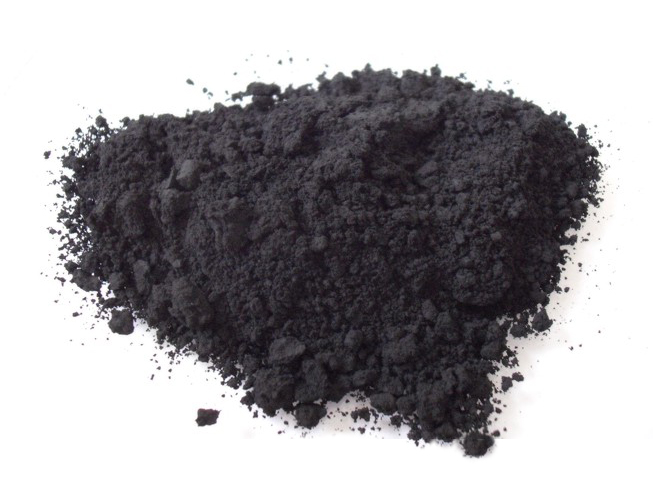
A deep black pigment and filler made by burning carbon-rich materials with little airPigment

Black
Bone char
A deep black pigment and filter made by charring animal bonesPigment

Black
Magnetite
A naturally magnetic black mineral and a major source of ironColour named from nature

Black
Ebony
A jet-black hardwood valued for its smooth finish and rarityColour named from nature · 🇪🇬 Egypt +5

Black
Manganese dioxide
A black-brown mineral oxide used in batteries, pigments, and chemical reactionsPigment

Black
Iron(II) oxide
A black iron compound used as a pigment and found deep in the EarthPigment
More colours tied to Mexico
The colours of Mexico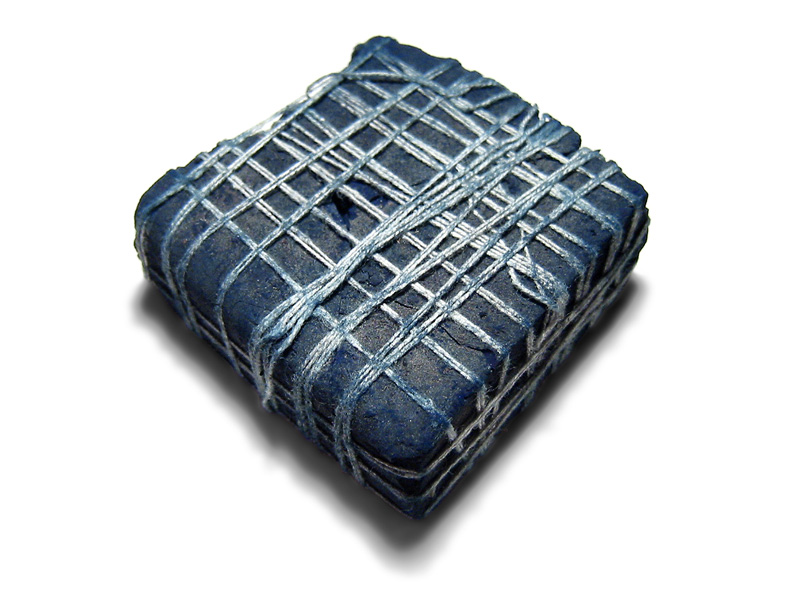
#6A5DFF
Indigo
A deep blue named for the dye once exported from IndiaNamed shade · 🇮🇳 India +5

Green
Malachite
A banded green mineral and pigment once prized for art and decorationColour named from nature · 🇪🇬 Egypt +4

Blue
Azurite
A deep blue copper mineral once prized as a pigment and gemstonePigment · 🇫🇷 France +5

#40E0D0
Turquoise
A blue-green colour named after a prized mineral long used for gems and decorationNamed shade · 🇮🇷 Iran +5