🇹🇭 The colours of Thailand
8 meanings recorded, 11 colours tied to the country and 1 colour city.
Thailand’s flag is made up of red, white, and blue stripes. Each colour has a meaning: red for the Thai people and their land, white for religious faiths, and blue for the monarchy. The blue stripe, which is wider than the others, also links to the king’s birth day and to the Allies in World War I.
Where no official value is given, the swatch shows the colour family, not the exact shade.
- The blue stripe is twice as wide as the red or white stripes.
- Red, white, and blue are linked to nation, religion, and king.
- The flag’s colours were standardised with HEX codes in 2017.
- The blue stripe matches the king’s auspicious birth colour.
- Thailand’s flag design was finalised in 1917.
The colours of the flag of Thailand
Thailand’s flag has five horizontal stripes: red at the top and bottom, white next to each red, and a broad blue stripe in the centre, which is twice the width of the others. Red is said to stand for the Thai people and their homeland, white for the country’s religions, and blue for the monarchy. These meanings are widely accepted, though not set out in law. The blue stripe is also considered lucky for King Rama VI, as it matches the colour for the day he was born.
National colours of Thailand
Beyond the flag, the main national colours are the same red, white, and blue. The navy uses a version of the flag with a white elephant in a red circle, and other military flags also use these colours. The blue is especially linked to the royal family and is seen as a symbol of the king.
How the colours were chosen of Thailand
Thailand’s earliest flags were plain red, later featuring symbols like a white chakra or a white elephant. In 1855, a red flag with a white elephant became official. The current five-stripe design began in 1916, first with only red and white. In 1917, the central stripe was changed to blue, both as a royal colour and to echo the flags of World War I Allies. The blue was chosen to be similar to indigo or purple, which was considered lucky for King Rama VI.
Official shades and rules of Thailand
The flag’s design is set by law: it must be six units wide and nine units long, with five stripes. The blue stripe in the centre is twice as wide as the others. In 2017, the government published official colour values for the flag, including HEX codes, to keep the colours consistent.
The facts in this overview come from the Wikipedia article "Flag of Thailand", written by its contributors and used under the CC BY-SA 4.0 licence. EveryRang rewrote the text in its own words, with AI assistance, and compares every page with the article to make sure no passage is copied. It may be reused under the same CC BY-SA 4.0 licence with a link back.
What colours mean in Thailand
Customs vary by region, faith and family; these are the meanings most often recorded.
In the street protests of the late 2000s, supporters of the ousted prime minister Thaksin Shinawatra wore red shirts, and their royalist opponents wore yellow.
Politics and protestAngerSource: United Front for Democracy Against DictatorshipTheravada Buddhist monks wear robes in shades from saffron orange to ochre. Many Thai men ordain for a short time, so the robe is a familiar sight in most families.
Sacred and holyCalmSource: Kasaya (clothing)Each day of the week has a colour, and Monday's is yellow. King Bhumibol and King Vajiralongkorn were both born on a Monday, so yellow is worn to honour the monarchy.
Royalty and powerLuck and prosperityPrideSource: Colors of the day in ThailandLight blue is the colour of Friday and of Queen Sirikit, the Queen Mother, who was born on a Friday. Her birthday, 12 August, has long been kept as Mother's Day, when people wear it.
Royalty and powerSource: SirikitThe flag is called the Trairong, the tricolour. Its red stands for the nation, white for religion and the wide blue band in the middle for the monarchy.
Politics and protestPrideSource: Flag of ThailandPurple is traditionally the colour a widow wears in mourning, so some people avoid it at happy events. It is also Saturday's colour in the weekday scheme.
Mourning and deathSadnessSource: PurplePink is Tuesday's colour. When King Bhumibol left hospital in 2007 in a pink blazer, pink shirts sold out as people wore them to wish him good health.
Royalty and powerLuck and prosperityHopeSource: Bhumibol AdulyadejBlack is worn at funerals. After King Bhumibol died in 2016 much of the country dressed in black or white for a year of mourning.
Mourning and deathGriefSource: Death and funeral of Bhumibol AdulyadejColour and feeling in Thailand
After King Bhumibol Adulyadej died in October 2016, people across Thailand wore black, many of them for a full year of mourning.
Yellow is the colour of Monday, the birthday of King Bhumibol, and Thais have worn yellow shirts to honour the monarchy.
The Shwedagon Pagoda in Yangon and the great temples of Thailand are covered in gold leaf given by worshippers over centuries.

Colours tied to Thailand

Yellow
Turmeric
A golden yellow dye and spice from the rhizome of a tropical plantColour named from nature · 🇮🇳 India +5

Green
Celadon青瓷
A jade-green ceramic glaze prized in East Asian pottery for centuriesNamed shade · 🇨🇳 China +4

#E49B0F
Gamboge
A strong yellow pigment tapped from Southeast Asian treesPigment · 🇰🇭 Cambodia +5

Red
Lacलाक्षा
A red resin secreted by insects and used as dye, varnish and shellacColour named from nature · 🇮🇳 India +5

#FF7800
Safety orange
A vivid orange used for high-visibility and safety markingNamed shade · 🇺🇸 United States +4

Purple and violet
Mangosteen purple
The deep reddish-purple of ripe mangosteen fruit rindColour named from nature · 🇲🇾 Malaysia +4

Blue
Butterfly pea blue
A vivid blue from the butterfly pea flower, used in Asian food and drinkColour named from nature · 🇮🇩 Indonesia +5

Yellow
Cosmos sulphureus dye
An orange-yellow dye from the flowers of the Cosmos sulphureus plantColour named from nature · 🇲🇽 Mexico +5
Black
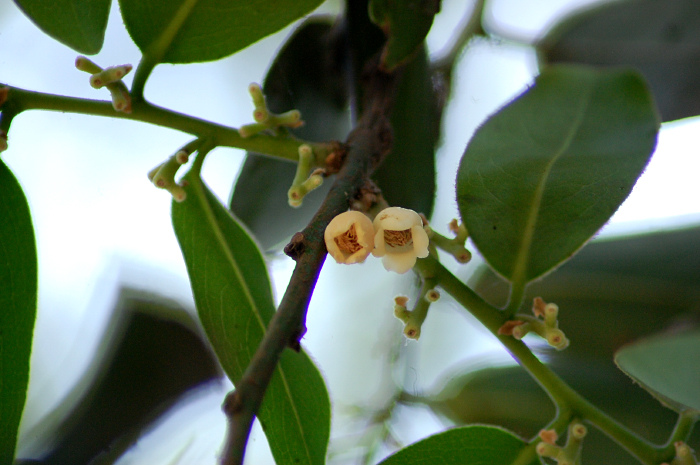
Diospyros malabarica dye
A black dye from the unripe fruit and leaves of the Malabar ebony treeDye · 🇮🇳 India +1
Red
Scarlet GN
A synthetic red azo dye once used in foods and now mainly in cosmeticsDye · 🇺🇸 United States +4
Yellow
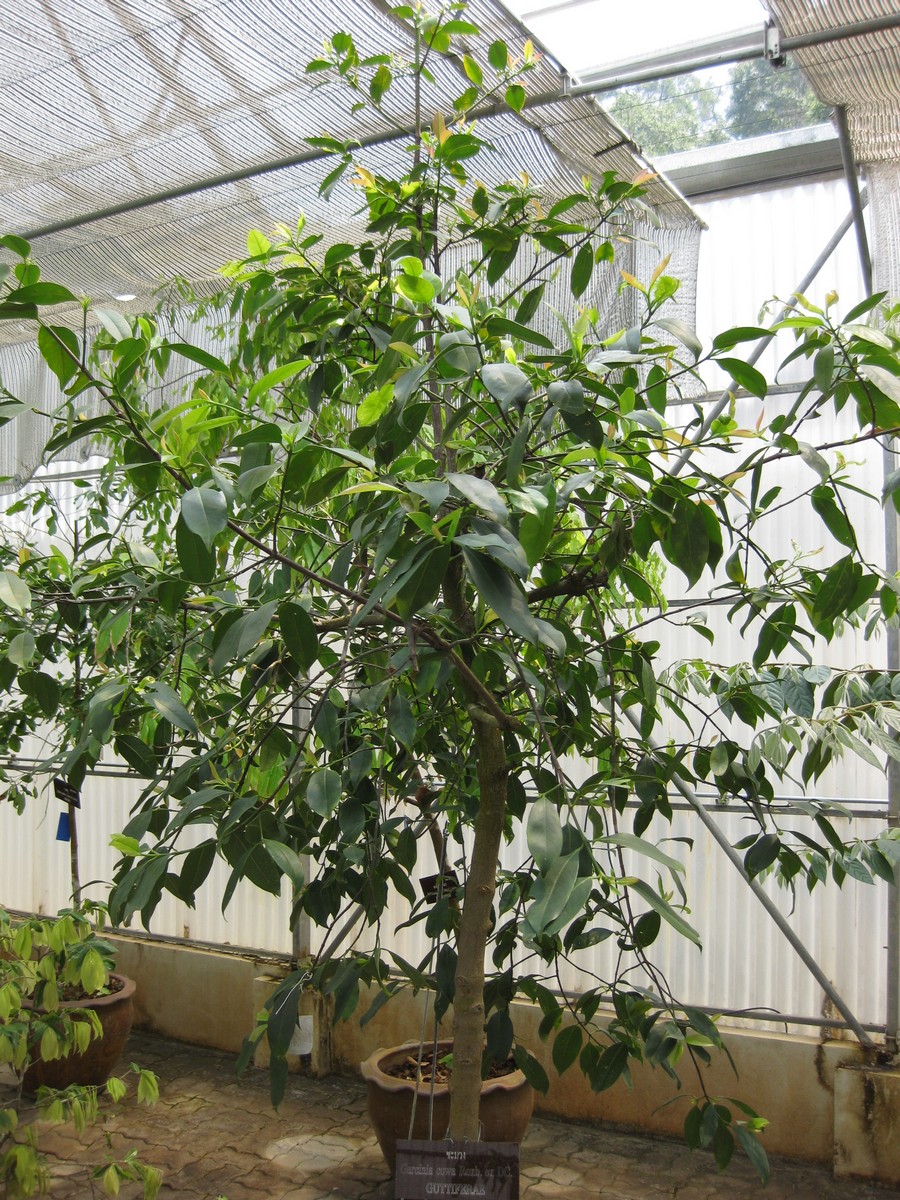
Garcinia cowa yellow
A yellow dye from the bark of the Garcinia cowa tree in tropical AsiaColour named from nature · 🇮🇳 India +5
Photo credits on this page
The small pictures above come from Wikimedia Commons under free licences. Some are cropped to fit.
- Gamboge: Maša Sinreih in Valentina Vivod, CC BY-SA 3.0, source
- Safety orange: George Armstrong, Public domain, source
- Lac: Jeffrey W. Lotz, CC BY 3.0, source
- Turmeric: J.M.Garg, CC BY 3.0, source
- Celadon: Vassil, Public domain, source
- Garcinia cowa yellow: Raffi Kojian, CC BY-SA 3.0, source
- Butterfly pea blue: Suyash Dwivedi, CC BY-SA 4.0, source
- Mangosteen purple: VpuipV, CC BY-SA 4.0, source
- Cosmos sulphureus dye: Alejandro Bayer Tamayo, CC BY-SA 2.0, source
- Diospyros malabarica dye: jayeshpatil912, CC BY 2.0, source
- Chiang Rai Th: Chainwit., CC BY-SA 4.0, source