Butterfly pea blue
A vivid blue from the butterfly pea flower, used in Asian food and drink
No single value: Butterfly pea blue is a material, and its colour varies. The background shows its family, blue.

Butterfly pea blue is a deep, vivid blue colour found in the flowers of Clitoria ternatea, a vine native to Southeast Asia. The colour comes from anthocyanins in the petals and is used to dye foods and textiles, especially in Malaysia and Thailand, where it colours rice, desserts, and herbal teas.
- The blue comes from anthocyanins in the flower petals.
- Used to colour rice and desserts in Malaysia and Southeast Asia.
- Butterfly pea tea changes from blue to purple with lemon juice.
- The plant is native to Ternate, Indonesia.
- Not approved as a food ingredient in the EU.
What colour is Butterfly pea blue?
Butterfly pea blue is the intense blue colour found in the petals of the butterfly pea flower, Clitoria ternatea. The flower is most often a vivid, deep blue with pale yellow markings, though some varieties are white or pink. This blue stands out for its strength and clarity, and is especially noticeable when used to colour foods or drinks, where it can shift to purple or pink when the acidity changes.
Where does Butterfly pea blue come from?
The name 'butterfly pea' comes from the shape of the flower, which is said to resemble a butterfly. The plant is native to Ternate, an island in Indonesia, and its genus name, Clitoria, refers to the flower's resemblance to the human vulva. The blue colour is due to anthocyanins, especially ternatins, found in the petals. The flower has long been used in Southeast Asian and Indian traditions.
How is Butterfly pea blue made?
The blue dye is made by steeping the petals of the butterfly pea flower in water. The main colouring compounds are anthocyanins, which are water-soluble pigments. The resulting extract is used directly in food and drink, and can also be used to dye natural fibres. The colour is sensitive to pH: it turns purple with acid, such as lemon juice.


Where Butterfly pea blue is used
Butterfly pea blue is widely used in Southeast Asia to colour foods like glutinous rice, desserts, and drinks. In Malaysia, it gives nasi kerabu its blue shade. In Thailand and Vietnam, the flower is steeped to make a tea that changes colour with acidity. The dye is also used on textiles and sometimes in cosmetics. Recently, it has been used in colour-changing gins and other drinks.
Blue around the world
What the blue family means from country to country.
To be true blue is to be honestly and loyally Australian. The phrase is older than the country, but Australians have made it their own.
Politics and protestTrustSource: True Blue (John Williamson song)The Torres Strait Islander flag has a blue band for the sea between green bands for the land. A white dhari, a dancer's headdress, sits at the centre.
Politics and protestNature and renewalSource: Torres Strait Islander flagKrishna, Rama and Vishnu are painted with blue skin, the colour of the sky and the deep sea. The wheel at the centre of the national flag, the Ashoka Chakra, is navy blue.
Sacred and holyAweSource: KrishnaBlue is the colour of Dalit politics. Followers of B. R. Ambedkar carry blue flags, and the Bahujan Samaj Party campaigns under a blue flag with an elephant.
Politics and protestPrideSource: Bahujan Samaj PartyLight blue is the colour of Friday and of Queen Sirikit, the Queen Mother, who was born on a Friday. Her birthday, 12 August, has long been kept as Mother's Day, when people wear it.
Royalty and powerSource: SirikitThe flag is called the Trairong, the tricolour. Its red stands for the nation, white for religion and the wide blue band in the middle for the monarchy.
Politics and protestPrideSource: Flag of ThailandShades and relatives of Butterfly pea blue
While the most common butterfly pea flowers are deep blue, some varieties produce white or pink flowers. The blue extract can appear purple or pink in foods and drinks when the pH is changed, such as by adding lemon juice. This colour-changing property is unique among natural dyes.
Questions people ask about Butterfly pea blue
What colour is butterfly pea blue?
It is a vivid, deep blue found in the petals of the butterfly pea flower, Clitoria ternatea.
Where does the name 'butterfly pea' come from?
The name refers to the shape of the flower, which is said to resemble a butterfly.
How is butterfly pea blue used?
It is used to colour foods, drinks, and textiles, especially in Southeast Asian countries.
Why does butterfly pea tea change colour?
The blue colour comes from anthocyanins, which change to purple or pink when the acidity increases, such as when lemon juice is added.
Is butterfly pea blue approved everywhere as a food colour?
No, it is not allowed as a food ingredient in the EU, and some products using it have been recalled.
Good reading and sources
- The Science Behind This Mesmerizing Color-Changing TeaBon Appétit, Article
- Be good to yourself in Chiang MaiBBC, Article
- Clitoria ternatea on WikipediaEncyclopedia
- More pictures on Wikimedia CommonsPictures
- Wikidata recordOpen data
The facts on this page come from the Wikipedia article "Clitoria ternatea", written by its contributors and used under the CC BY-SA 4.0 licence, and from its Wikidata record (CC0). Rang rewrote the text in its own words, with AI assistance, and compares every page with the article to make sure no passage is copied. It may be reused under the same CC BY-SA 4.0 licence with a link back.
It may contain mistakes. The swatch is an approximation: named colours are not fixed standards, and every screen shows them a little differently. If something is wrong, tell us. Last refreshed 2026-10-03.
More of the blue family
All of blue
Blue
Lapis lazuli
A deep blue stone prized for jewellery and the source of ultramarine pigmentColour named from nature · 🇦🇫 Afghanistan +5
#6A5DFF
Indigo
A deep blue named for the dye once exported from IndiaNamed shade · 🇮🇳 India +5

Blue
Azurite
A deep blue copper mineral once prized as a pigment and gemstonePigment · 🇫🇷 France +5

Blue
Woad
A blue dye once vital to Europe's textile trade, made from the leaves of a flowering plantDye · 🇫🇷 France +3
Blue
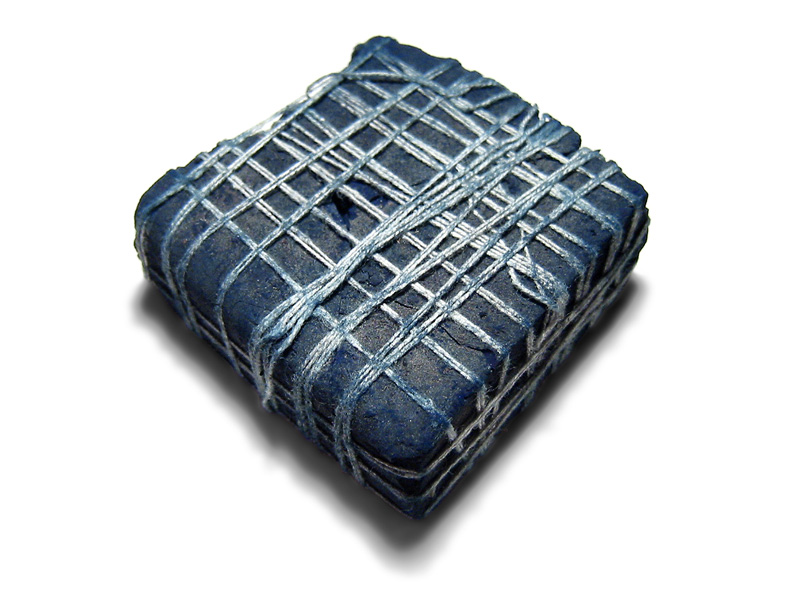
Indigo
A deep blue dye from plants, now mostly made synthetically and known for colouring denimDye · 🇮🇳 India +5
Blue
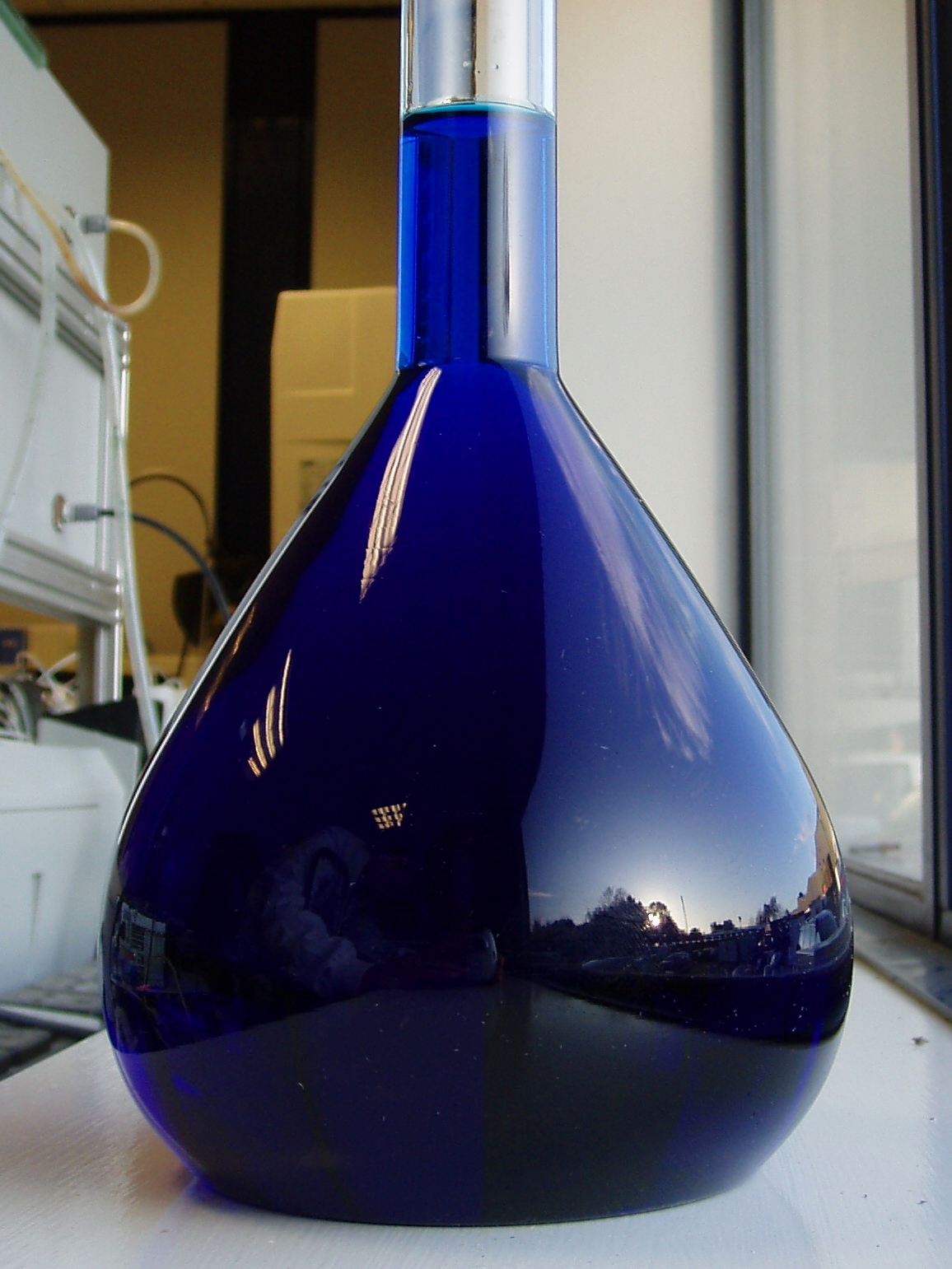
Methylene blue
A synthetic blue dye and medicine first made in 1876Dye
#120A8F
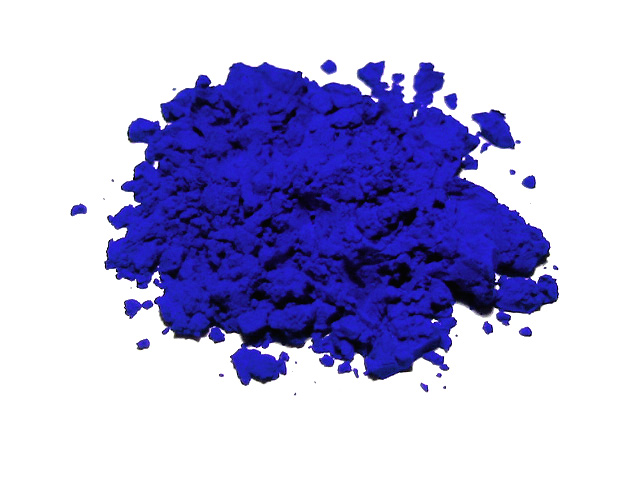
Ultramarine
A deep blue pigment once made from lapis lazuli, prized for centuries in artPigment · 🇦🇫 Afghanistan +2

#003153
Prussian blue
A deep blue pigment first made in Berlin in the early 1700sPigment · 🇯🇵 Japan
More colours tied to Indonesia
The colours of Indonesia
Yellow
Turmeric
A golden yellow dye and spice from the rhizome of a tropical plantColour named from nature · 🇮🇳 India +5
Red
Brazilin
A red dye from brazilwood and sappanwood, used in textiles and paints since the Middle AgesDye · 🇧🇷 Brazil +4

#FF7800
Safety orange
A vivid orange used for high-visibility and safety markingNamed shade · 🇺🇸 United States +4

Black
Ebony
A jet-black hardwood valued for its smooth finish and rarityColour named from nature · 🇪🇬 Egypt +5