Diospyros malabarica dye
A black dye from the unripe fruit and leaves of the Malabar ebony tree
No single value: Diospyros malabarica dye is a material, and its colour varies. The background shows its family, black.
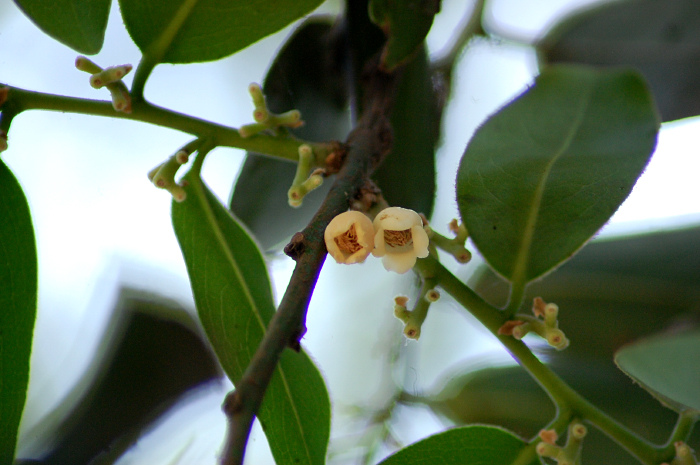
Diospyros malabarica, also called the gaub tree or Malabar ebony, is a slow-growing tree native to the Indian subcontinent and Southeast Asia. Its unripe leaves and fruits have been used traditionally to dye cloth black, and the tree is also valued for its striking wood and medicinal uses.
- Unripe fruit and leaves dye cloth black
- Native to India and Southeast Asia
- Known as Malabar ebony and Tinduka
- Wood used for guitars and furniture
- Provincial tree of Ang Thong Province, Thailand
What colour is Diospyros malabarica dye?
Diospyros malabarica dye is a natural black colourant obtained from the unripe fruit and leaves of the gaub tree, also known as Malabar ebony. The dye produces a black shade on cloth. The tree itself is notable for its tall, slow-growing form and its wood, which features striking black stripes on a pale background.
Where does Diospyros malabarica dye come from?
The dye comes from Diospyros malabarica, a tree native to the Indian subcontinent and Southeast Asia. Its common name, Malabar ebony, refers to the Malabar region on the southwestern coast of India. The tree is also called Tinduka in Sanskrit, as mentioned by ancient writers.
How is Diospyros malabarica dye made?
To make the dye, unripe leaves and fruits of the Diospyros malabarica tree are used. These parts are processed to extract a black dye, which is then applied to cloth. The tree grows mainly in lowland rainforests along rivers and streams.


Where Diospyros malabarica dye is used
Traditionally, the black dye from Diospyros malabarica has been used to colour textiles. The tree's wood is also sought after for guitar making and high-end furniture, thanks to its distinctive appearance, but the dye is specifically made from the unripe fruit and leaves.
Black around the world
What the black family means from country to country.
A dot of black kajal is often put on a baby's cheek or forehead to turn away the evil eye, called nazar. Many people avoid black clothes at weddings and festivals.
Protection and healingFearSource: Evil eyeBlack is worn at funerals. After King Bhumibol died in 2016 much of the country dressed in black or white for a year of mourning.
Mourning and deathGriefSource: Death and funeral of Bhumibol AdulyadejThe black eagle gives the country its own name for itself: Shqiperia is commonly read as the land of the eagles.
Politics and protestPrideSource: AlbaniaBlack and yellow were the colours of the Habsburg monarchy. They come from the black double-headed eagle on a gold ground used by the Holy Roman Emperors.
Royalty and powerSource: Flag of the Habsburg monarchyThe black upper half of the Aboriginal flag stands for the Aboriginal people of Australia.
Politics and protestPrideSource: Australian Aboriginal flagOn 21 February, Language Martyrs' Day, people wear black badges and black and white clothes and walk barefoot to the Shaheed Minar to honour those killed in 1952.
Mourning and deathPolitics and protestGriefSource: Bengali language movementQuestions people ask about Diospyros malabarica dye
What colour does Diospyros malabarica dye produce?
It produces a black dye, traditionally used to colour cloth.
Where does the name Malabar ebony come from?
The name comes from the Malabar region on the southwestern coast of India.
What parts of the tree are used for dye?
The unripe leaves and fruits are used to make the black dye.
Where is Diospyros malabarica found?
It is native to the Indian subcontinent and Southeast Asia, especially along rivers and streams.
Good reading and sources
- Diospyros malabarica on WikipediaEncyclopedia
- More pictures on Wikimedia CommonsPictures
- Wikidata recordOpen data
The facts on this page come from the Wikipedia article "Diospyros malabarica", written by its contributors and used under the CC BY-SA 4.0 licence, and from its Wikidata record (CC0). Rang rewrote the text in its own words, with AI assistance, and compares every page with the article to make sure no passage is copied. It may be reused under the same CC BY-SA 4.0 licence with a link back.
It may contain mistakes. The swatch is an approximation: named colours are not fixed standards, and every screen shows them a little differently. If something is wrong, tell us. Last refreshed 2026-10-03.
More of the black family
All of black
Black
India ink
A deep black ink made from carbon soot, used for writing, drawing and calligraphyPigment · 🇨🇳 China +1

Black
Kohlكُحْل
A dark eye cosmetic made from minerals like galena and stibniteTraditional colour · 🇪🇬 Egypt +5
Black
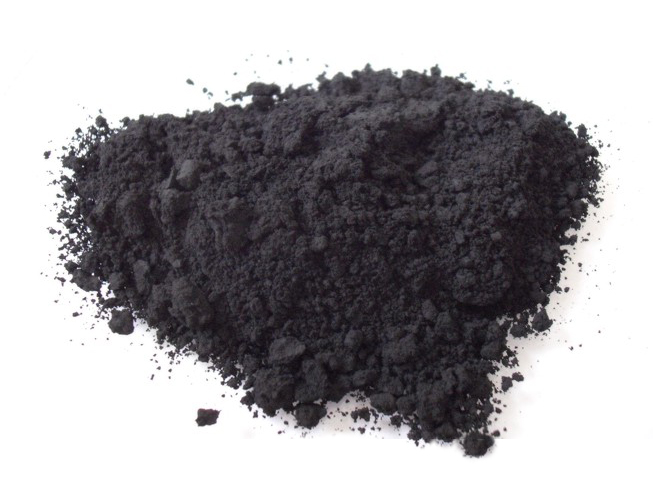
Carbon black
A deep black pigment and filler made by burning carbon-rich materials with little airPigment

Black
Bone char
A deep black pigment and filter made by charring animal bonesPigment

Black
Magnetite
A naturally magnetic black mineral and a major source of ironColour named from nature

Black
Ebony
A jet-black hardwood valued for its smooth finish and rarityColour named from nature · 🇪🇬 Egypt +5
Black
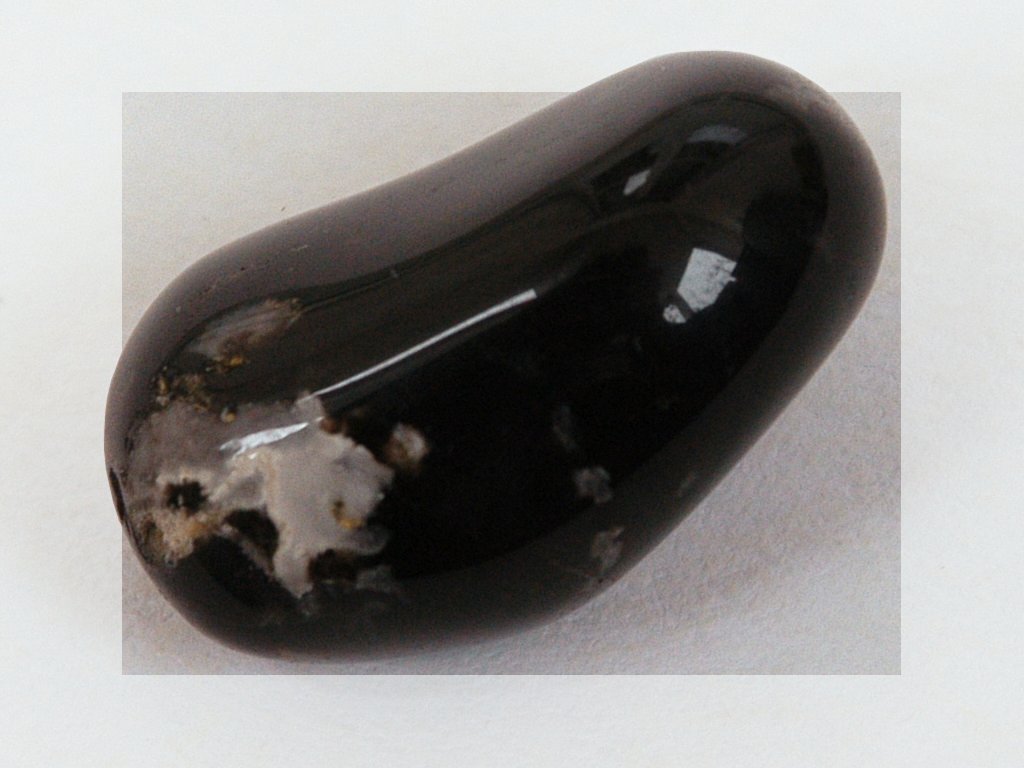
Onyx
A banded stone, usually black and white, prized for carving and jewelleryColour named from nature · 🇲🇽 Mexico +5

Black
Manganese dioxide
A black-brown mineral oxide used in batteries, pigments, and chemical reactionsPigment
More colours tied to India
The colours of India
Yellow
Turmeric
A golden yellow dye and spice from the rhizome of a tropical plantColour named from nature · 🇮🇳 India +5
#6A5DFF
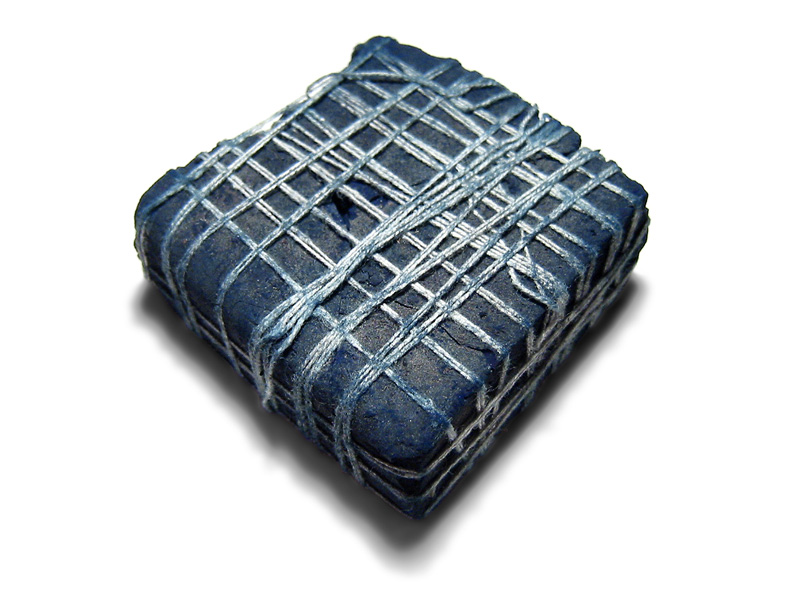
Indigo
A deep blue named for the dye once exported from IndiaNamed shade · 🇮🇳 India +5

Red
Cinnabar
A scarlet to brick-red mineral and the main source of mercury and vermilion pigmentColour named from nature · 🇪🇸 Spain +5

Brown
Terracotta
A clay-based material and colour, known for its reddish-brown toneColour named from nature · 🇮🇳 India +4